1. The Shield
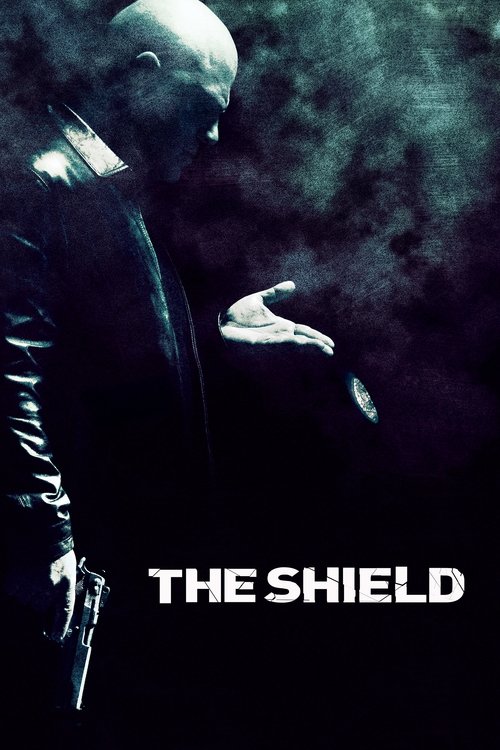
Before cable truly exploded, *The Shield* hit hard in 2002, showing how far you could push an anti-hero. Vic Mackey wasn't just flawed; he was often the villain. This show pioneered serialized crime drama, refusing easy answers and bathing its LAPD division in a moral gray that felt shockingly real. It was appointment viewing, each episode building on the last, forcing you to confront ugly truths about justice and power. A brutal, essential piece of early prestige TV.
2. Deadwood
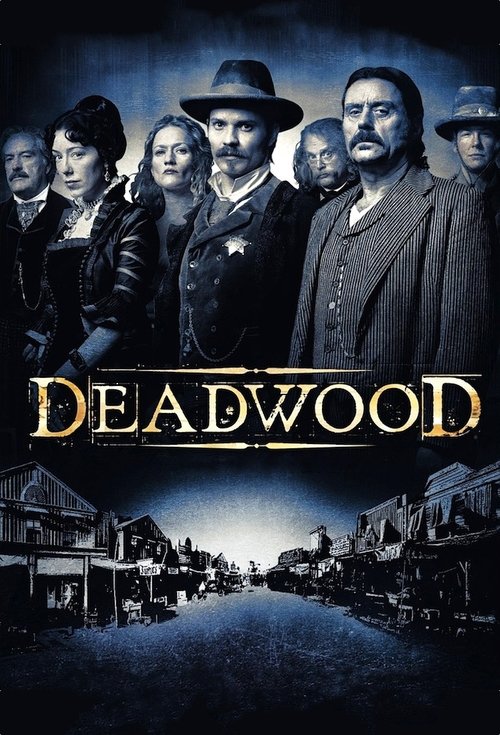
*Deadwood* arrived in 2004, and its language alone was a revelation, painting an Old West town with Shakespearean grit and a shocking amount of profanity. This wasn't just a Western; it was a masterclass in character study and intricate plotting. Al Swearengen and Seth Bullock’s dynamic anchored a sprawling ensemble, proving that TV could handle historical depth and complex, morally compromised figures without sanitizing a damn thing. A true HBO gem, demanding your full attention.
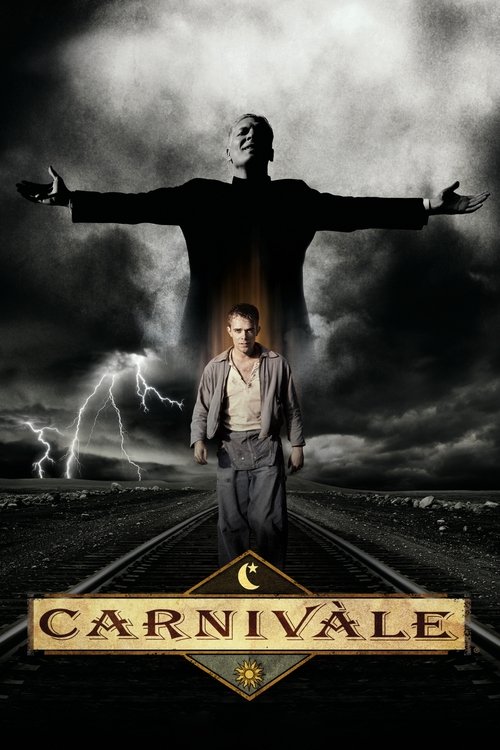
3. Carnivàle
*Carnivàle* in 2003 was like nothing else on television. A Depression-era epic steeped in mysticism and a perpetual sense of impending doom, it was visually stunning and utterly baffling in the best way. Its sprawling narrative about good versus evil, set against a traveling carnival, felt like a novel playing out over weeks. It was slow-burn storytelling at its most ambitious, asking viewers to invest deeply in its strange, beautiful, and ultimately incomplete world. A bold swing.
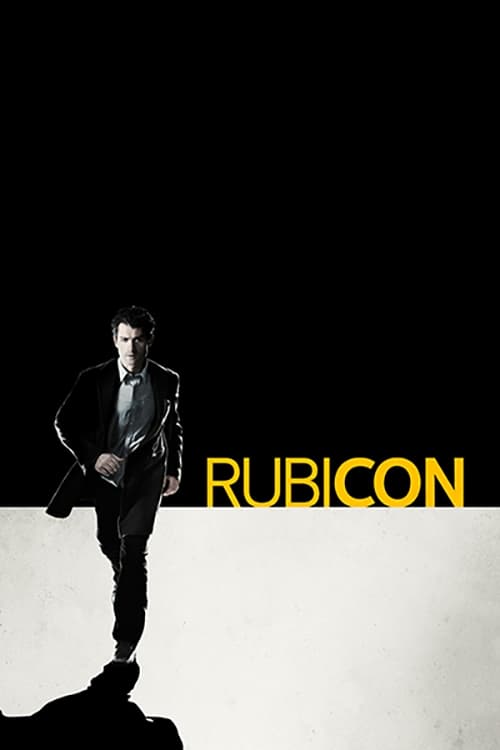
4. Rubicon
*Rubicon*, a post-*Mad Men* AMC offering from 2010, was a quiet, cerebral conspiracy thriller. It wasn't about explosions; it was about whispers, patterns, and the slow, creeping dread of information warfare. The show asked for patience, building its world of intelligence analysts with meticulous detail. It was a refreshing counterpoint to louder dramas, proving that tension could be generated through quiet intensity and paranoia, demanding a viewer who appreciated subtlety over spectacle. A smart, understated ride.
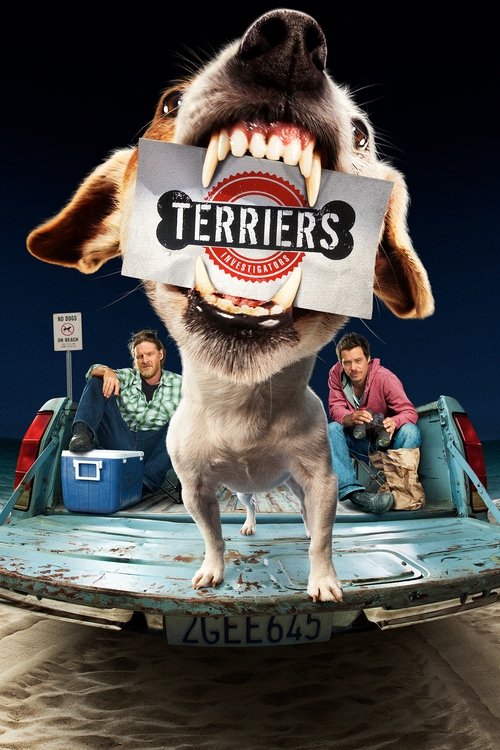
5. Terriers
*Terriers* in 2010 was FX’s tragically overlooked masterpiece. It was a buddy-detective show about two down-on-their-luck PIs in San Diego, but it was so much more. The writing was sharp, the characters deeply human and flawed, and their bond felt authentically earned. It embodied that cable-era knack for finding the compelling in the ordinary, making you care deeply about these small-time hustles. A perfect example of a show too good for its time slot.
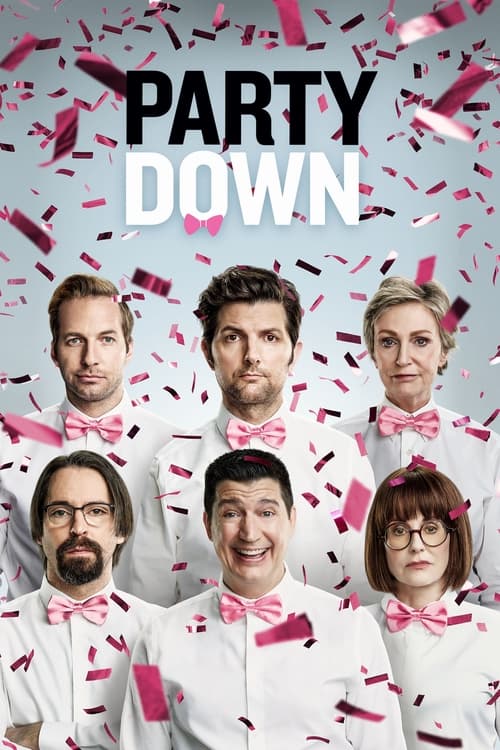
6. Party Down
*Party Down* (2009) was a brilliant, darkly funny look at Hollywood's struggling underbelly, centered on a catering crew. It perfected the cringe-comedy of ambition thwarted, with a killer ensemble cast delivering razor-sharp dialogue. While not a true mockumentary, it captured that observational, slightly uncomfortable humor that was becoming popular. It felt deeply real in its portrayal of dashed dreams and the absurdities of life, making it a cult favorite that deserved far more attention.
7. Boomtown
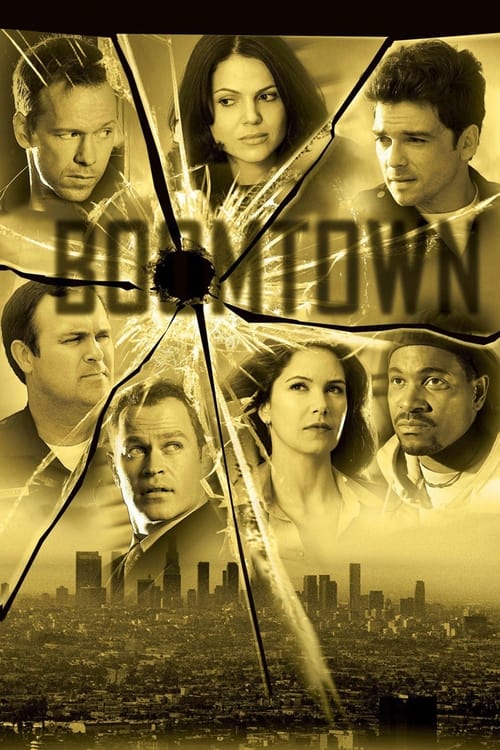
*Boomtown* from 2002 was an NBC procedural that felt like a cable show trapped on network TV. Its genius was showing a single crime from multiple, subjective perspectives — the cops, the victims, the criminals — often out of chronological order. This wasn't just a gimmick; it deepened the storytelling, revealing character and motive in complex ways. It was ambitious, cinematic, and probably too smart for its own good, foreshadowing the narrative complexity we’d soon expect.
8. Brotherhood
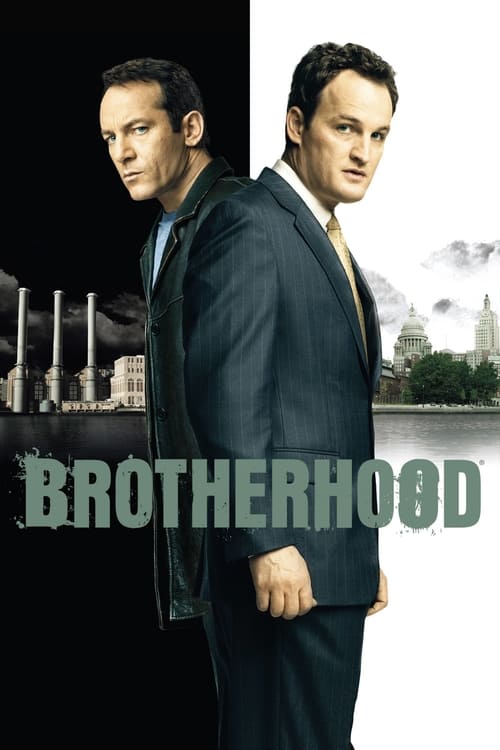
*Brotherhood* (2006) on Showtime delved deep into the messy lives of two Irish-American brothers in Providence, one a politician, the other a gangster. It was a brutal, character-driven family saga, exploring the blurred lines between legality and criminality, loyalty and betrayal. The show had that gritty cable edge, unafraid to show its characters at their worst, while still making you understand their motivations. It was a compelling, serialized look at power and family ties.
9. Generation Kill
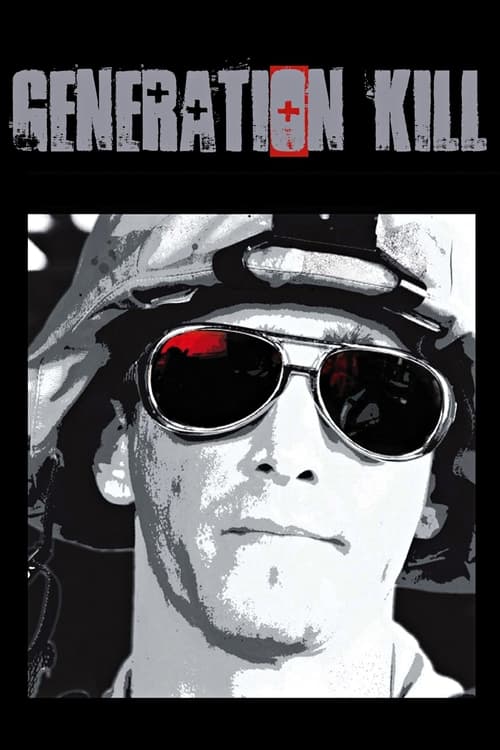
HBO's *Generation Kill* (2008) wasn't just a war story; it was an unflinching, granular look at the opening weeks of the Iraq War through the eyes of a U.S. Marine recon battalion. Based on actual reporting, it eschewed grand narratives for raw, often mundane, realism and gallows humor. The dialogue was authentic, the characters complex, and it felt less like a dramatic series and more like an immersive, observational documentary. A masterclass in miniseries storytelling.
10. The Riches
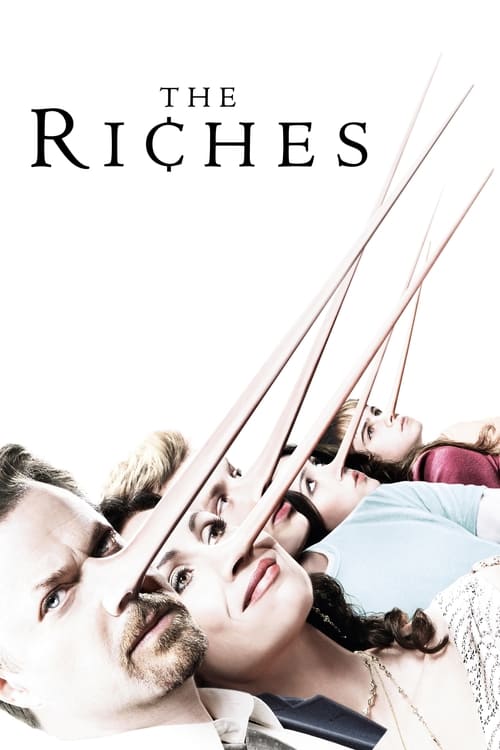
*The Riches* (2007) on FX was a fascinating, often dark, dramedy about a family of Irish Travelers who steal the identities of a dead wealthy couple. Eddie Izzard and Minnie Driver were brilliant, navigating the complexities of class, identity, and the American dream. It was a unique premise that allowed for both sharp social commentary and genuinely thrilling con-artist escapades. Another example of cable taking risks on character-driven stories with a distinct point of view.
11. Bored to Death
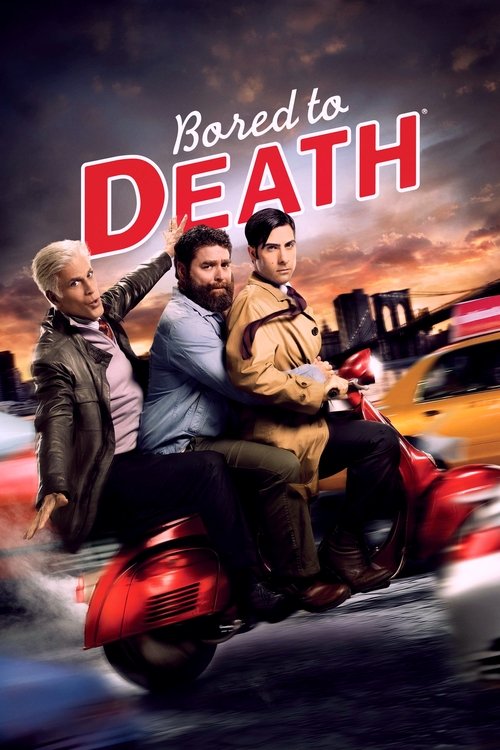
*Bored to Death* (2009) was classic HBO quirky comedy. Jason Schwartzman played a Brooklyn writer who moonlights as an unlicensed private detective, often with hilariously disastrous results. It blended literary references with low-stakes mysteries, creating a distinct, whimsical tone. The show felt like an indie film stretched into a series, with its self-aware humor and a genuine affection for its eccentric characters. A smart, offbeat gem that defined a certain HBO sensibility.
12. K Street
*K Street* (2003) was a bold, experimental venture from HBO, blending scripted drama with real-time political events and improvisation. George Clooney and Steven Soderbergh's project blurred lines, featuring real political figures interacting with fictional consultants. It was essentially a proto-mockumentary, aiming for hyper-realism in its D.C. lobbying world. While perhaps too niche and experimental for mass appeal, it was a fascinating precursor to how TV could engage with reality and push narrative boundaries.