
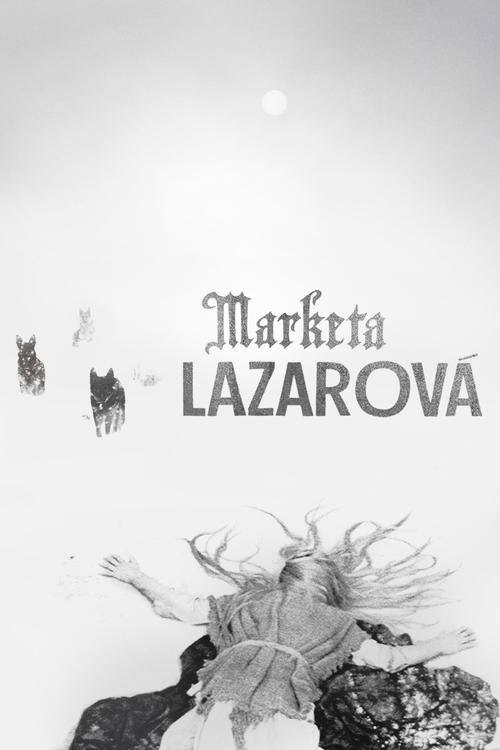
1. Marketa Lazarová
František Vláčil’s medieval epic is less a narrative and more a visceral experience, plunging viewers into the brutal, pagan heart of 13th-century Bohemia. Its black-and-white cinematography is painterly, transforming landscapes into stark canvases of human barbarity and spiritual yearning. Often cited as the greatest Czech film ever made, it’s an unforgiving, poetic journey, demanding patience but rewarding with profound, almost mystical, reflection on faith, savagery, and the primal forces shaping a nascent nation. A true masterwork of historical recreation and existential inquiry.
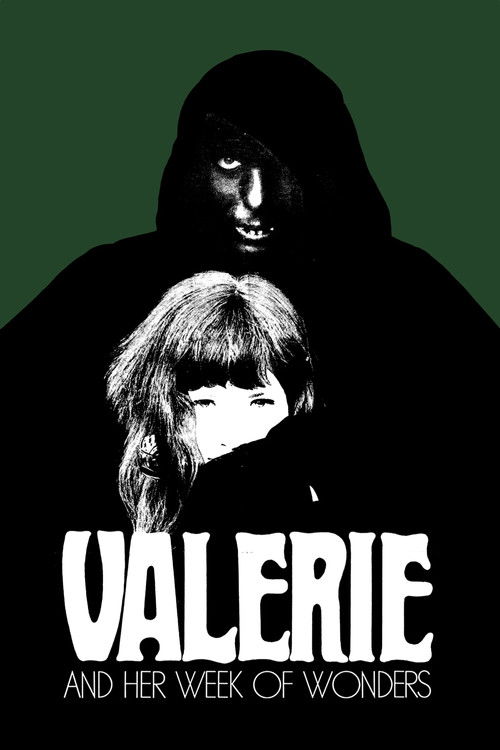
2. Valerie and Her Week of Wonders
Jaromil Jireš conjures a hallucinatory coming-of-age tale, dripping with Gothic sensuality and Freudian symbolism. Young Valerie navigates a dream logic populated by vampires, priests, and shadowy figures, blurring lines between innocence, awakening desire, and existential dread. The film's lush, unsettling aesthetic, paired with its enigmatic narrative, places it firmly within the avant-garde tradition of the Czech New Wave. It’s a hypnotic, unsettling fairy tale, inviting interpretation while resisting easy categorization, a true cinematic poem.
3. Picnic at Hanging Rock
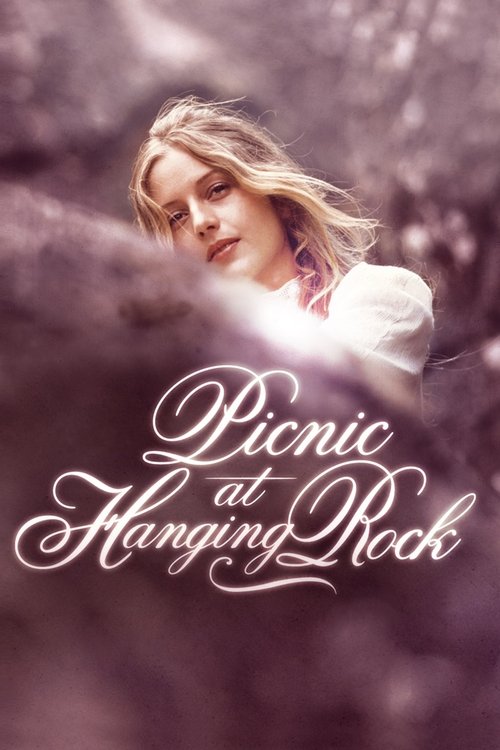
Peter Weir's seminal Australian film creates an almost unbearable tension through its lush, sun-drenched cinematography and an unnerving sense of the sublime. When schoolgirls vanish without a trace at a remote rock formation, the narrative eschews conventional answers, instead exploring the fragility of colonial order against an ancient, inscrutable landscape. It's a profound meditation on memory, the uncanny, and the way nature itself can consume and erase, leaving only a lingering, beautiful mystery.
4. Come and See
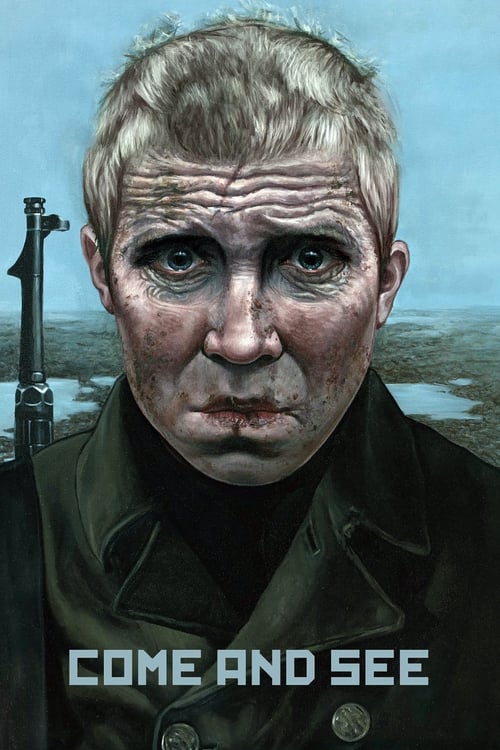
Elem Klimov’s harrowing masterpiece is not merely an anti-war film; it’s an assault on the senses, depicting the unimaginable horrors of Nazi occupation in Belarus through the eyes of a young boy. The camera’s unflinching gaze captures the psychological and physical devastation, creating a visceral, almost documentary-like experience that avoids all romanticism or heroism. Its impact is profound and enduring, challenging viewers to confront the absolute degradation of humanity, a cinematic experience that scars as much as it illuminates.
5. The Vanishing
George Sluizer's original Dutch-French thriller is a masterclass in psychological suspense, meticulously crafting an atmosphere of dread that builds to one of cinema's most unsettling conclusions. Rex, whose girlfriend vanishes at a rest stop, embarks on an obsessive quest for answers, unknowingly drawing closer to a terrifying truth. The film subverts conventional mystery tropes, focusing instead on the chilling banality of evil and the profound, terrifying human need for closure, regardless of the cost.
6. The Cremator
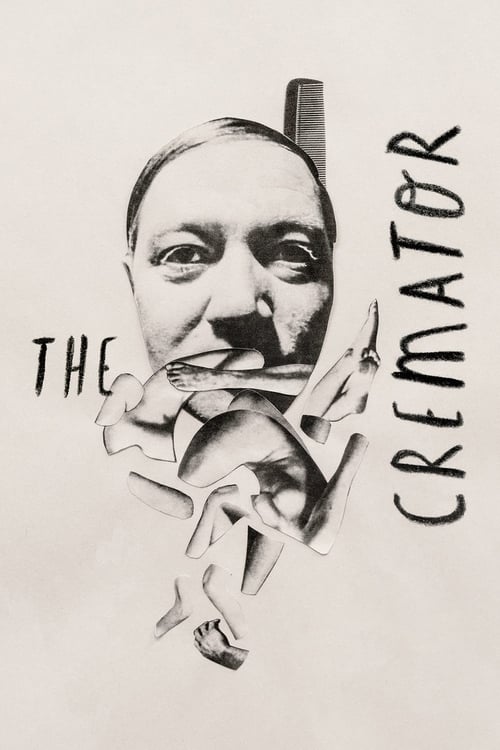
Juraj Herz’s grotesque and brilliant black comedy observes the chilling transformation of a seemingly benevolent cremator, Karel Kopfrkingl, as he embraces fascism and a chilling ideology of "liberation through cremation." Set against the backdrop of Nazi-occupied Czechoslovakia, the film’s macabre humor and surreal visuals create a uniquely disturbing portrait of evil’s seductive banality. Rudolf Hrušínský’s performance is unforgettable, a smiling, insidious monster whose descent into madness is both absurd and utterly terrifying.