
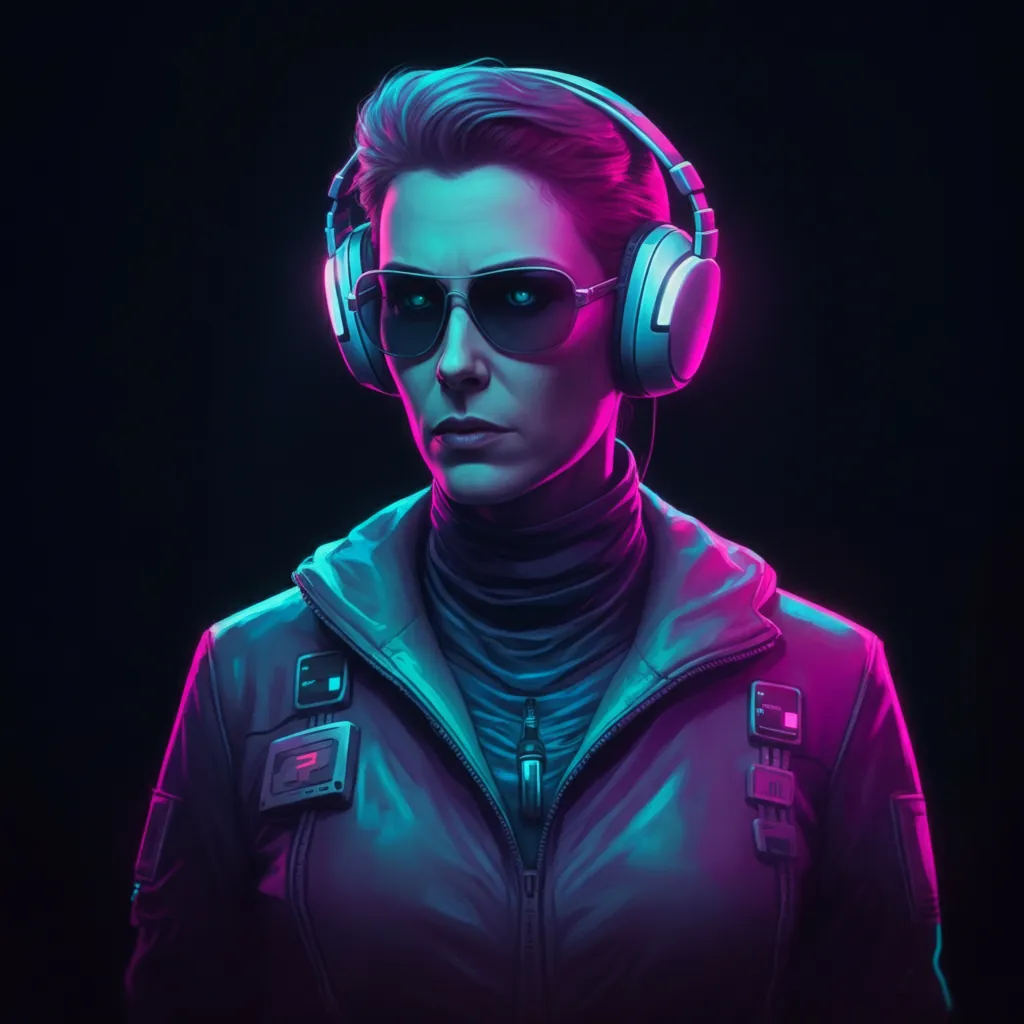

1. Paradise Killer
Paradise Killer is a masterclass in style and atmosphere. You're a demon investigator on a vaporwave island, solving murders with an incredible synth-soaked soundtrack. It throws out the typical hand-holding, trusting players to explore, connect dots, and truly inhabit its bizarre world. And yet, how many times has your algorithm suggested this genuinely unique open-world detective game? Probably never, because it dares to be weird and expects you to think, which apparently isn't "engagement optimized." It's a tragedy.
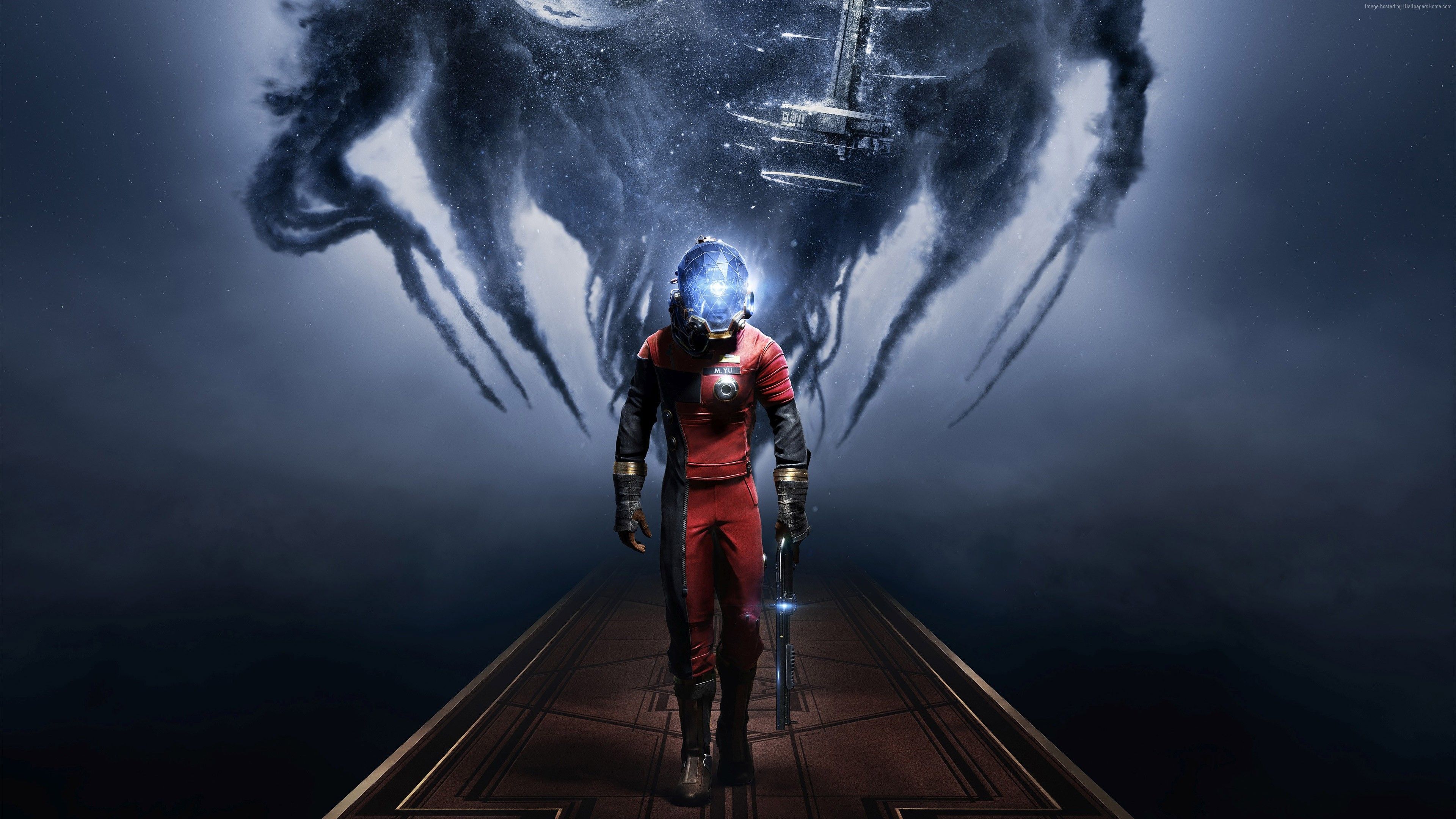
2. Prey
Arkane's Prey (the 2017 one, obviously) is an absolute pinnacle of the immersive sim genre. Talos I is a dense, interconnected playground of emergent gameplay, where every system interacts, and player choice genuinely matters. But instead of celebrating its brilliance, it often gets lumped in with every other sci-fi shooter. And why? Because it wasn't a live-service cash cow or a safe, focus-grouped sequel. It demanded ingenuity, offering depth over immediate gratification, and the industry just... shrugged.
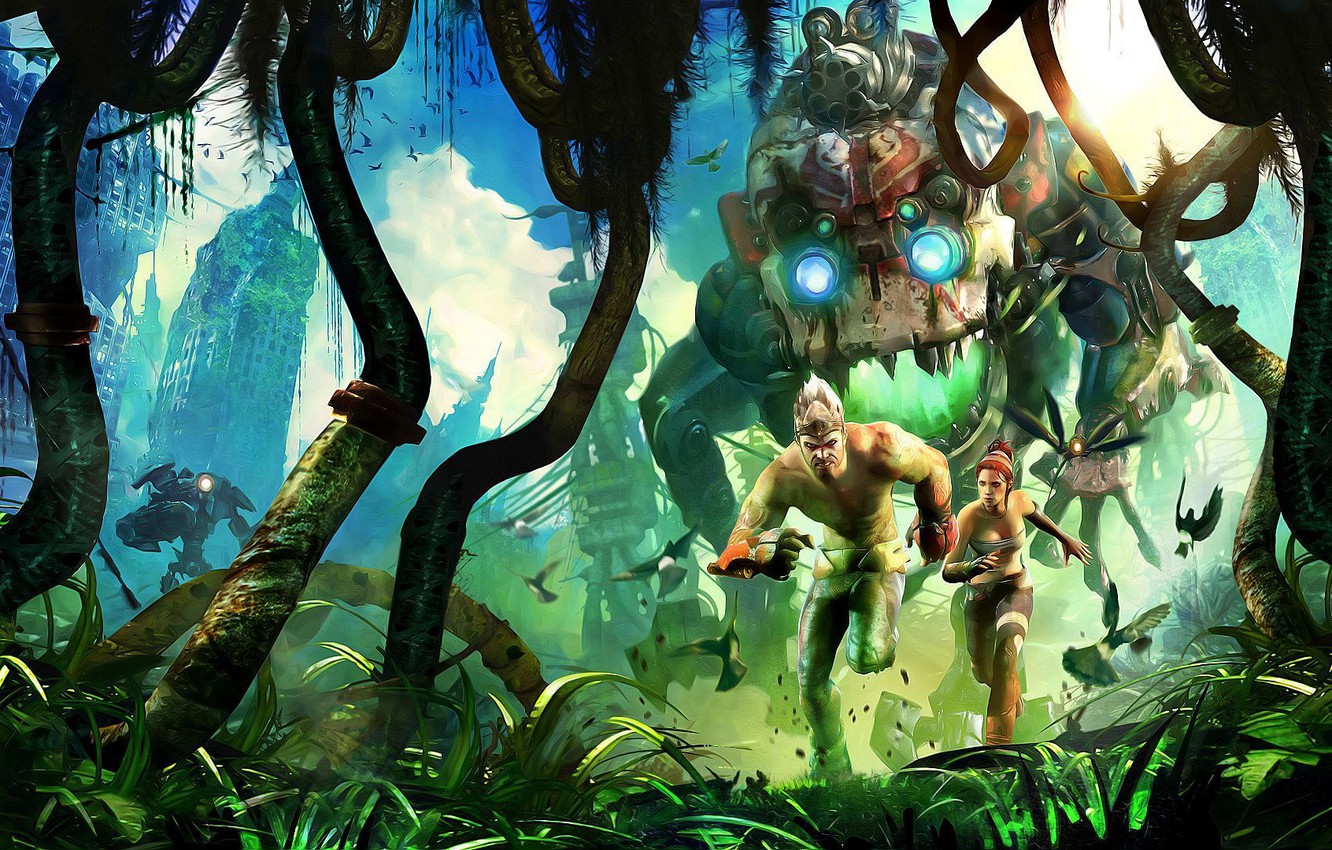
3. Enslaved: Odyssey to the West
Enslaved is a post-apocalyptic journey powered by heart. Monkey and Trip's evolving relationship drives this adventure through a ruined America, with stunning art direction that still holds up. It's a prime example of character-driven storytelling done right, but it struggled to find its audience. In an era obsessed with endless open worlds and online multiplayer, a focused, linear, and emotionally resonant single-player experience like this was just too "niche" for the algorithms to push. A real shame.
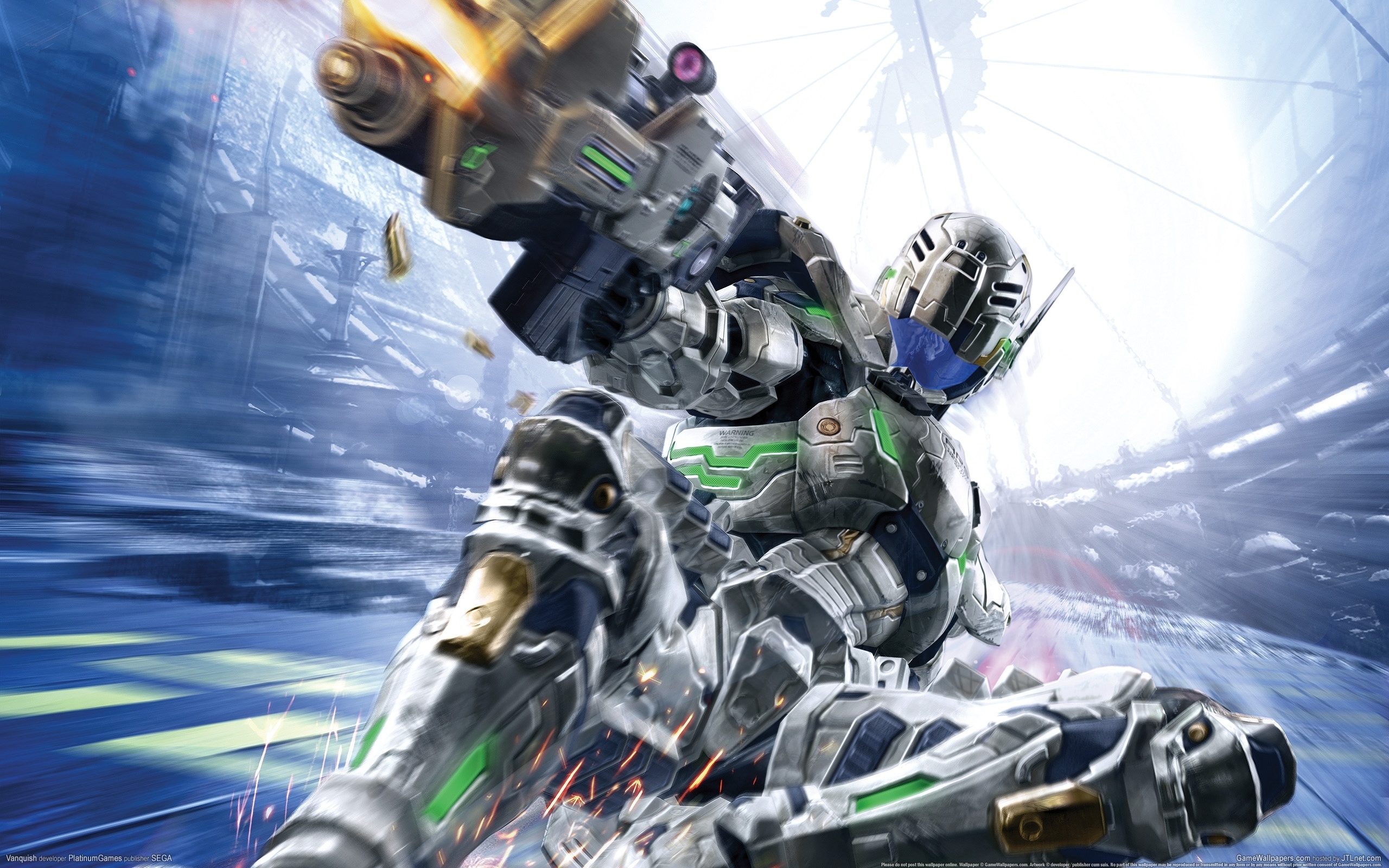
4. Vanquish
PlatinumGames’ Vanquish is pure, unadulterated mechanical genius. Rocket-sliding around battlefields, slowing time, pulling off insane melee finishers – it’s a masterclass in kinetic third-person shooting. There’s no bloat, no forced crafting, just relentless, stylish action. But because it doesn’t tick all the modern "engagement" boxes, it remains a cult classic. We’re constantly fed open-world busywork, yet a game this brilliantly designed for sheer fun gets overlooked by the masses.
5. Alpha Protocol
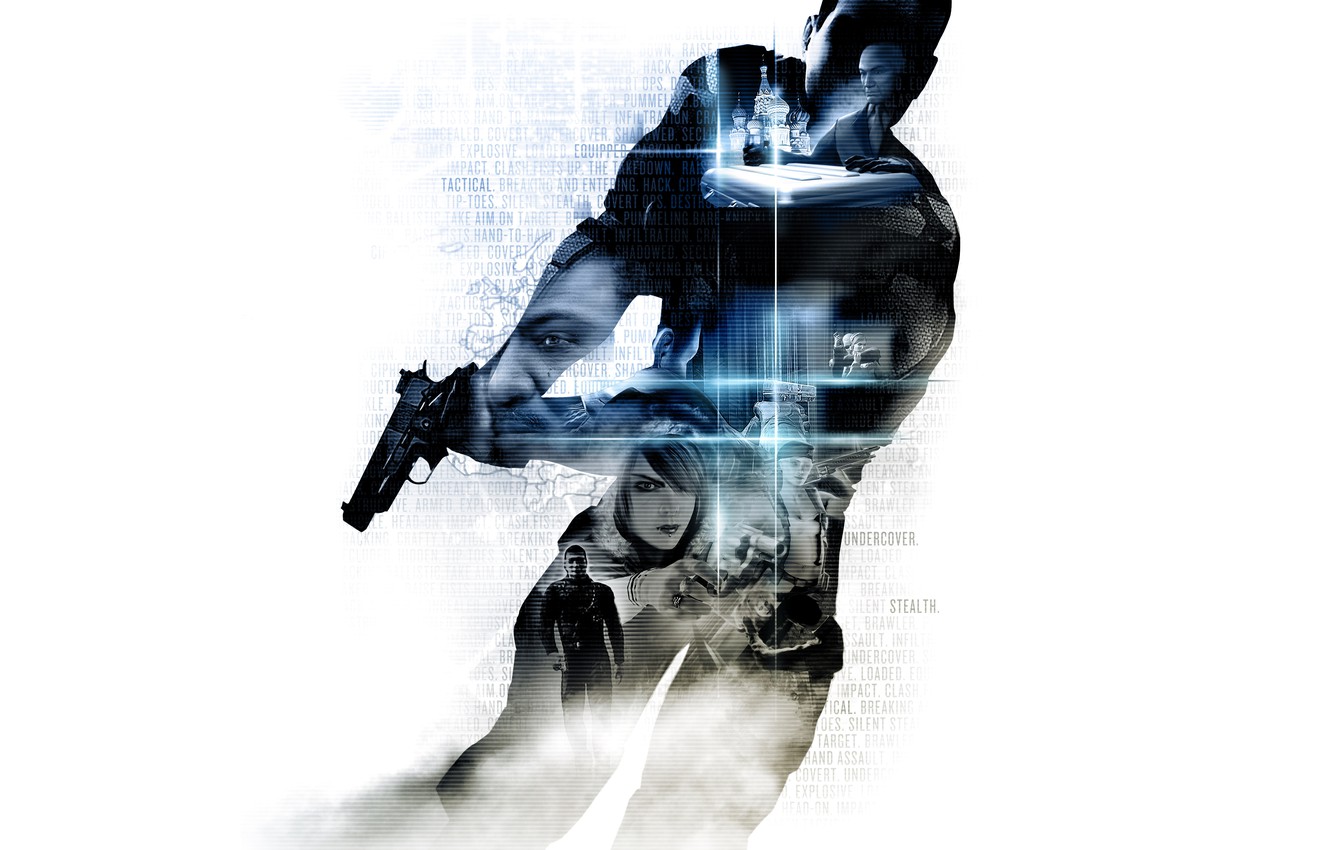
Obsidian's Alpha Protocol was a glorious, janky mess, and that's precisely why it's brilliant. This espionage RPG let your choices genuinely reshape the narrative and characters in ways few games ever manage. Sure, the combat was clunky, and it had more bugs than a cheap motel, but its ambition for player agency and consequence was unparalleled. It's a stark reminder that sometimes, a flawed game with a vision is infinitely more valuable than a polished, soulless corporate product.
6. Giants: Citizen Kabuto
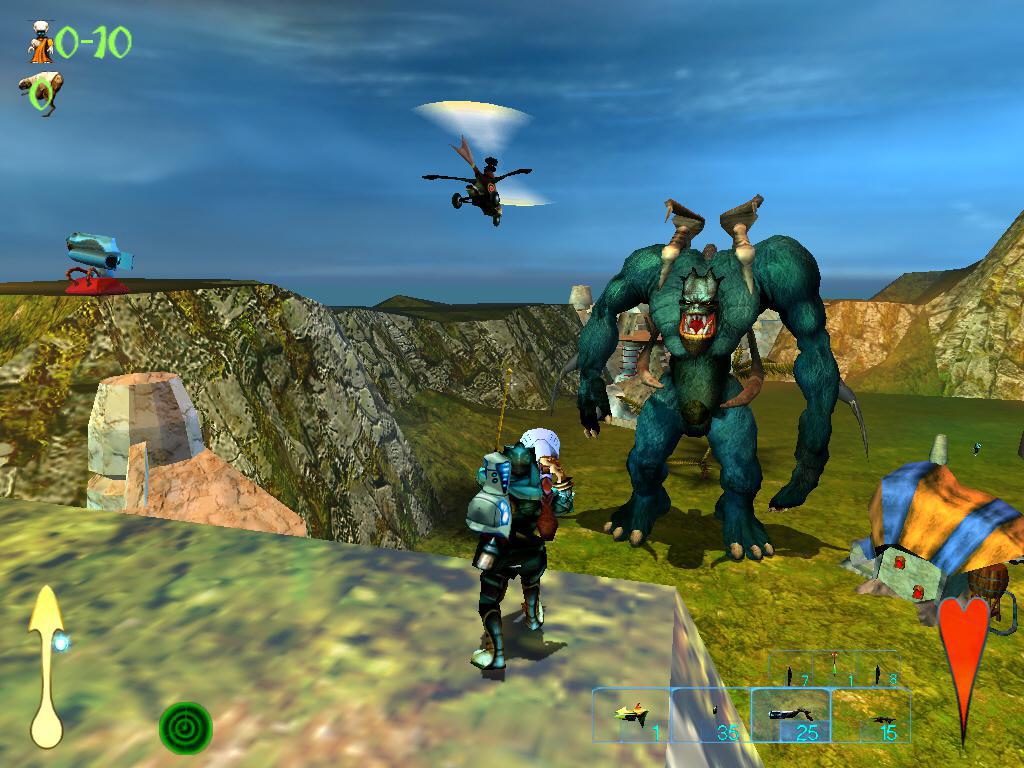
Oh, Giants: Citizen Kabuto. This game was an absolute fever dream of early 2000s creativity. Mixing third-person shooting with RTS elements, letting you play as a giant monster, a jetpack-wearing dude, or a tiny water nymph – it was utterly bonkers. It had wit, charm, and a level of experimental design that just doesn't exist in today's risk-averse, sequel-heavy landscape. Algorithms don't know what to do with something so uniquely, wonderfully chaotic.