1. Karma Police
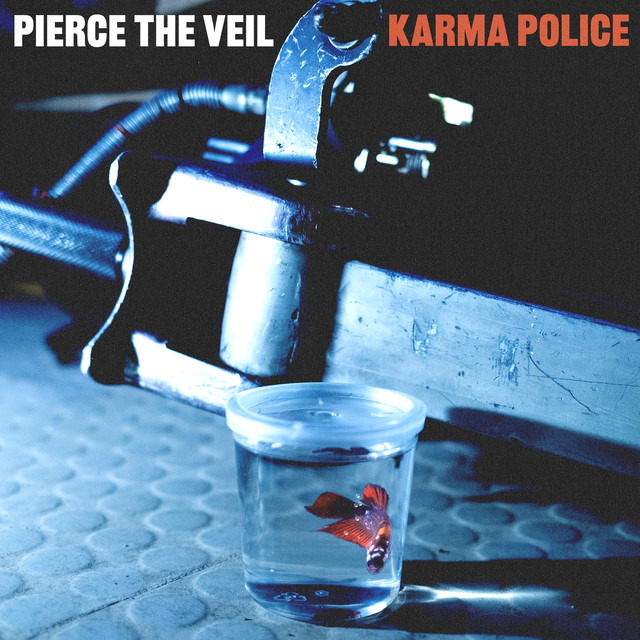
This track, off *OK Computer*, just hit different. It wasn't just a song; it was the uneasy hum of the late '90s, the creeping dread that all this progress might actually be a trap. That melancholic piano, Thom's voice, the breakdown – it felt like a warning whispered through modems. We were all connected, but increasingly, we were also alone, navigating a digital maze where "forever" just meant endlessly refreshing the same existential angst. Bleak, but beautiful.
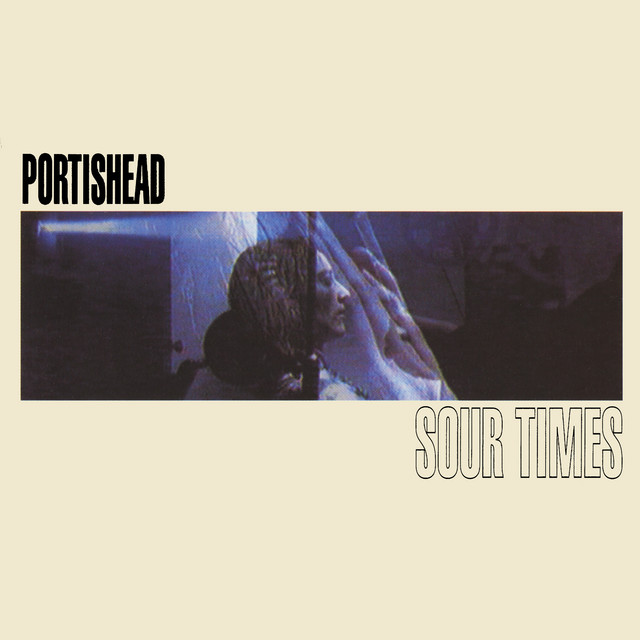
2. Sour Times
Portishead nailed the digital-age ennui before we even had the words for it. Beth Gibbons' voice, draped over those dark, smoky beats, felt like the soundtrack to every dimly lit chatroom confession or late-night scroll through nascent web pages. It was the sound of paranoia setting in, the realization that constant connection could also mean constant vulnerability. And yeah, "forever" felt less like a promise and more like an endless loop of low-res anxiety.
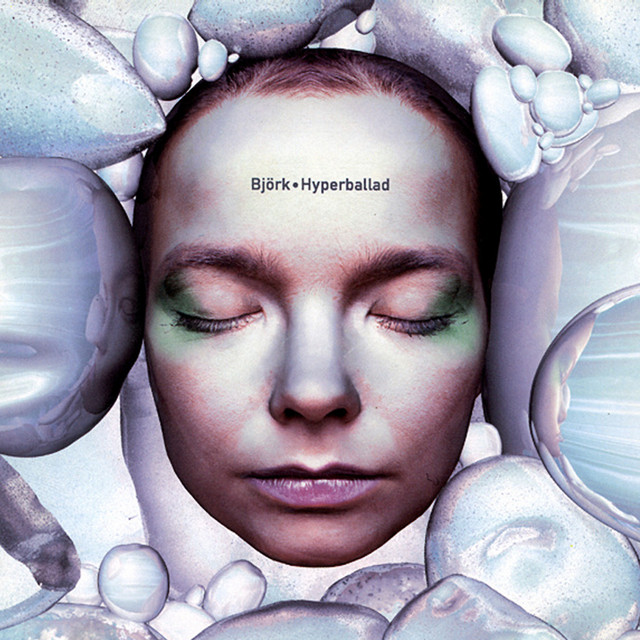
3. Hyperballad (Remixes)
Björk was always ahead, and the "Hyperballad" remixes truly showed the elasticity of a track in the digital space. The original was already a masterclass in emotional navigation, but these versions pushed it into glitch, ambient, or full-on techno territory. They revealed the circuit board beneath the skin, how our feelings could be disassembled and reassembled, just like a digital file. Forever wasn't a static state, but a constantly morphing algorithm.
4. Between the Bars
Elliott Smith’s fragile intimacy felt like a direct, unencrypted transmission in a world getting louder. This wasn’t about grand pronouncements; it was the quiet devastation of whispered secrets, the raw vulnerability laid bare. In an era promising boundless connection, he reminded us of the profound, often painful, solitude that still persisted. And yeah, sometimes "forever" just meant being stuck in a loop of self-reflection, seeking solace in a silent room.

5. Teardrop
Massive Attack crafted the ultimate late-night, early-internet soundtrack with "Teardrop." That iconic heartbeat rhythm, Liz Fraser's ethereal vocals – it was atmospheric, foreboding, and deeply contemplative. It felt like the digital production was breathing, creating a living soundscape that hinted at something vast and unknowable just beyond the screen. "Forever" wasn't a guarantee; it was a deep, melancholic echo in the empty spaces between us.
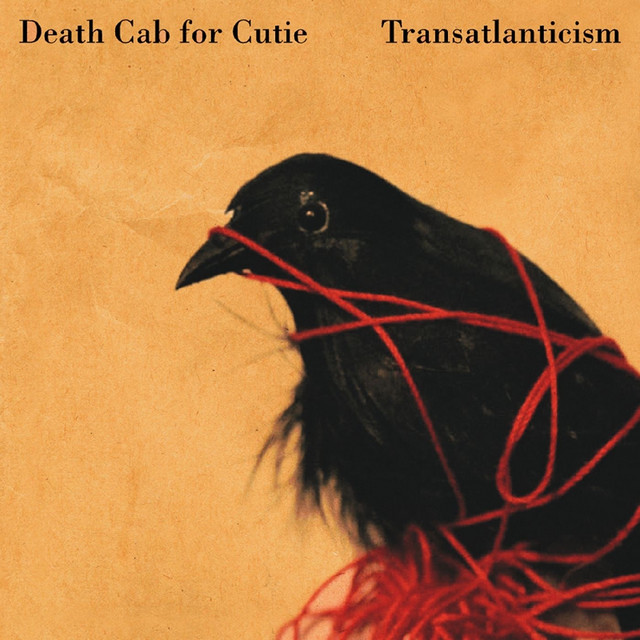
6. Transatlanticism
Death Cab just *got* the ache of long-distance in the early 2000s. When instant messaging promised proximity, this track articulated the vastness that still existed, the ocean of yearning between two screens. That epic, slow build-up felt like a dial-up modem struggling to bridge an impossible distance, the digital world amplifying both connection and isolation. "Forever" felt less like a promise and more like a desperate, echoing question.