

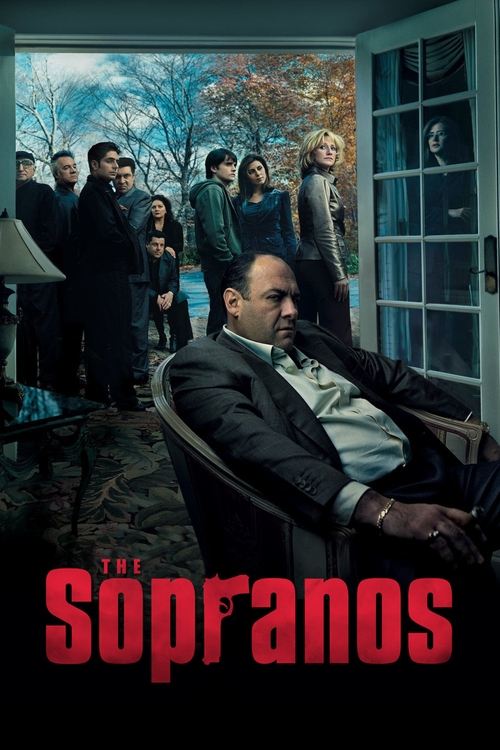
1. The Sopranos
Kicked off the whole "anti-hero" thing, didn't it? Cable finally said goodbye to network constraints, delivering adult stories with complex characters you hated and loved. It wasn't just a mob show; it was about modern anxiety, family dysfunction, and the slow burn of serial storytelling. This one proved TV could be as deep, if not deeper, than film. It changed everything for premium cable.
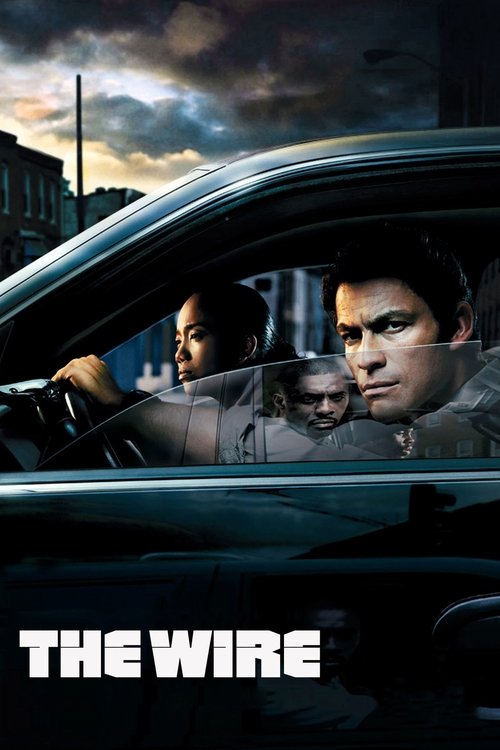
2. The Wire
Look, this wasn't just a crime drama; it was a socio-economic dissection of a city, presented with novelistic scope. Each season tackled a different institution, showcasing interconnected systems and their failures. The ensemble was massive, every character felt lived-in, and it demanded your full attention. No easy answers, just brutal, brilliant realism that redefined what "prestige" TV could be.

3. Six Feet Under
HBO again, showing us life through the lens of death. This show was about family, grief, and the existential dread of being alive. Its serialized narrative allowed for incredibly deep character arcs, exploring taboo subjects with a darkly comedic, often surreal touch. It proved that deeply emotional, character-driven drama could find a massive audience, pushing boundaries beyond typical network fare.
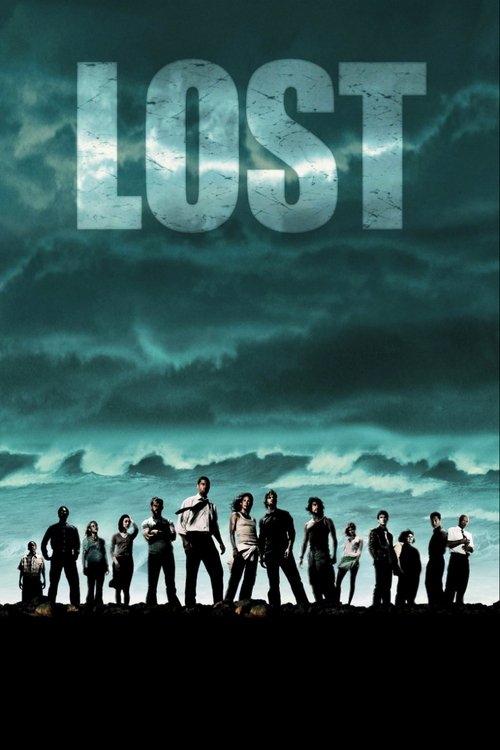
4. Lost
This was appointment television, pure and simple. It married serialized mystery with character-driven drama, making viewers dissect every frame and theory. The cinematic scope and ambition were undeniable, influencing a generation of shows to weave complex mythologies. It also taught us about the power of online communities to engage with storytelling, even if the ending left some folks scratching their heads.
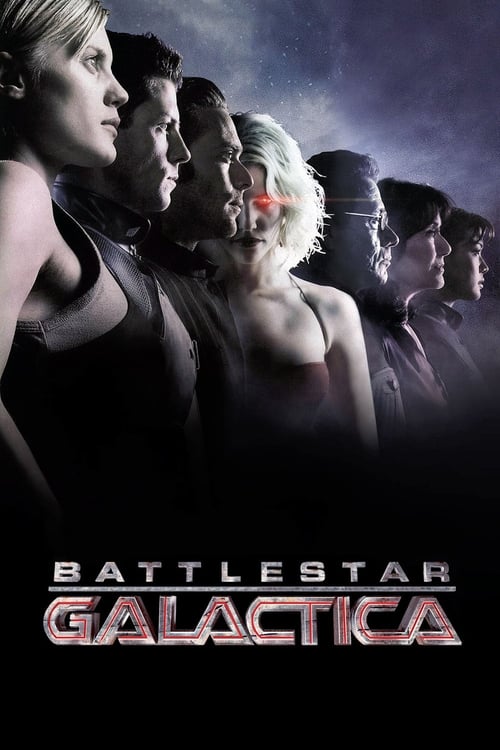
5. Battlestar Galactica
Don't let the sci-fi tag fool you; this was gritty, intense drama. It tackled politics, religion, and the human condition with surprising depth, all while delivering serialized action and moral ambiguity. The shaky-cam, almost documentary-style approach blended cinematic techniques with television's evolving narrative flexibility. It proved genre shows could be incredibly smart, relevant, and utterly compelling.
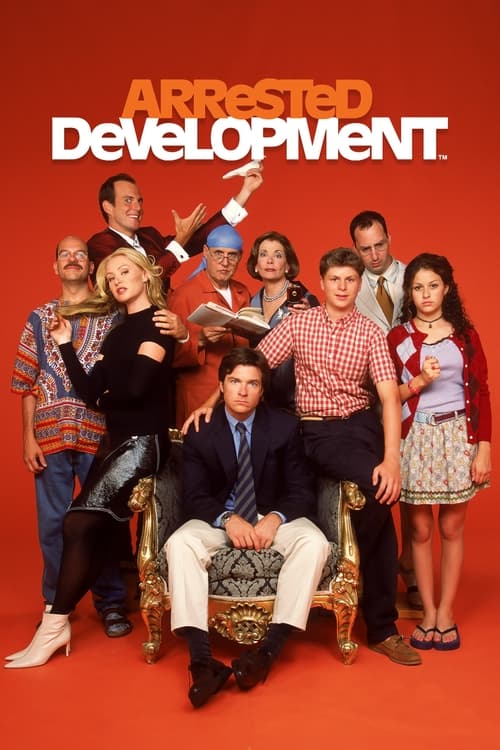
6. Arrested Development
A comedy that didn't just break the fourth wall, it built a whole new meta-narrative around it. The rapid-fire jokes, intricate callbacks, and serialized running gags demanded repeat viewing. It was ahead of its time with its dense layering, making it a cult favorite that thrived in an era where on-demand viewing was becoming a thing. Pure genius, truly unique.
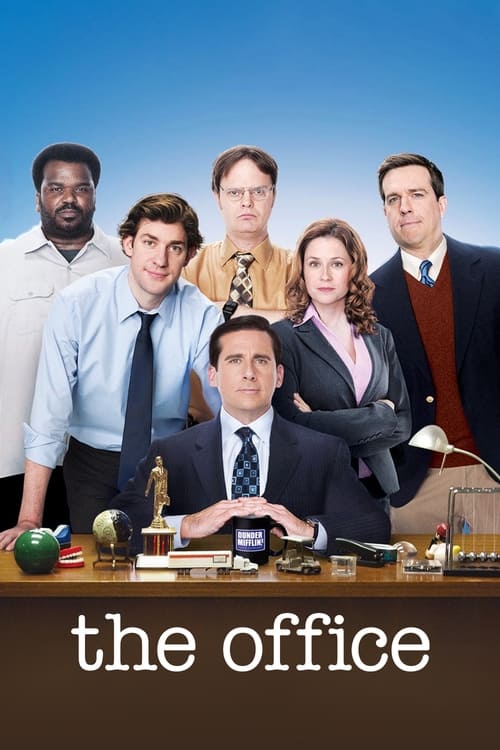
7. The Office
The mockumentary format became a staple thanks to this show. It took cringe comedy and workplace dynamics to a new level, making you feel like you were right there, awkwardly observing. Its serialized character development, particularly the Jim and Pam arc, grounded the humor, proving that even a sitcom could build a world with genuine emotional stakes.
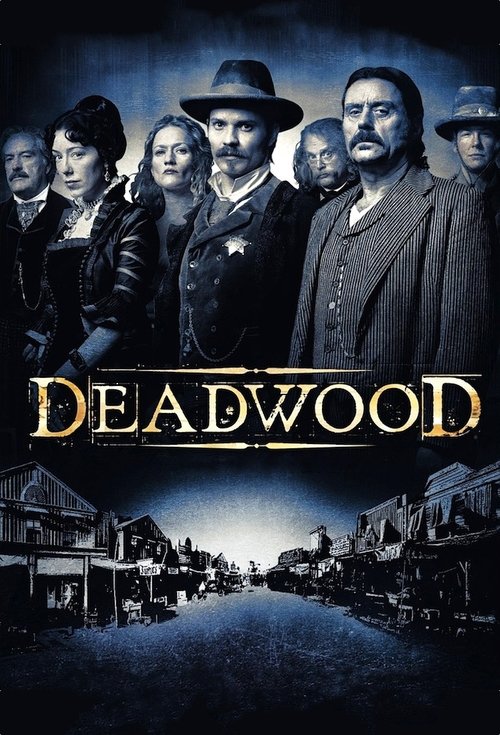
8. Deadwood
HBO's Western wasn't just about cowboys; it was a brutal, poetic exploration of civilization's birth. The language was Shakespearean in its profanity, the characters morally grey, and the historical detail immersive. It proved period pieces could be raw and unflinching, pushing the boundaries of what cable would allow in terms of narrative complexity and adult themes.
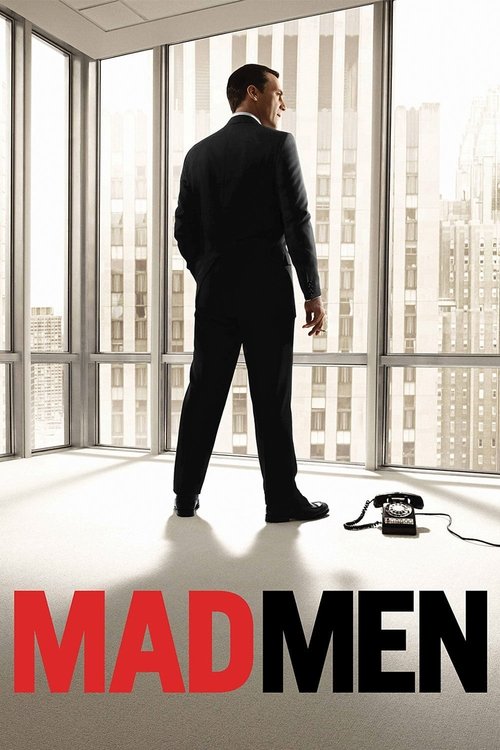
9. Mad Men
This show was a masterclass in period detail and slow-burn character study. It dissected the 1960s, advertising, and American identity with an almost novelistic pace. Its cinematic look and meticulous attention to craft made it feel like a long-form movie. It reinforced the idea that TV could be beautiful, intelligent, and deeply resonant without relying on overt action.
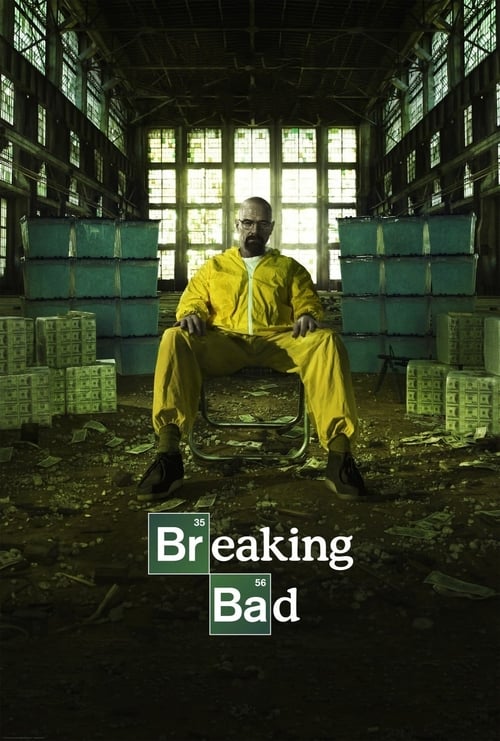
10. Breaking Bad
The ultimate anti-hero journey, showing a good man's descent into evil, one meticulously planned step at a time. Its serialized narrative was a tightrope walk of tension and consequence, with cinematic visual storytelling that rivaled any film. It demonstrated that television could deliver a complete, utterly compelling character arc over multiple seasons with unparalleled intensity.
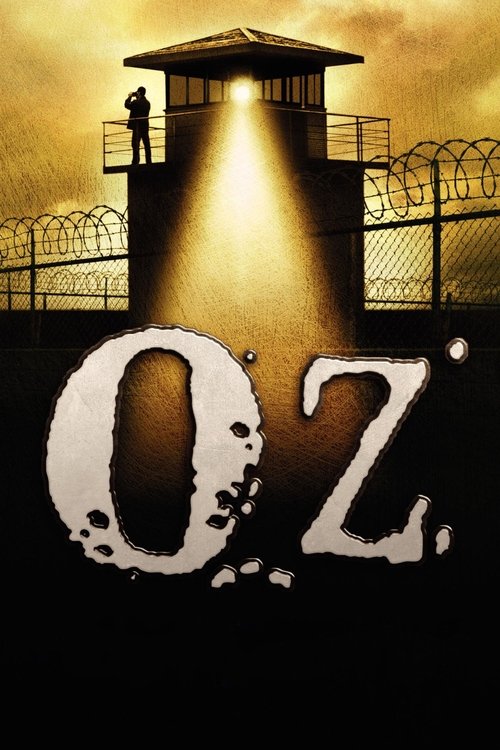
11. Oz
Before "The Sopranos," there was "Oz." HBO's first hour-long drama went straight for the jugular with its unflinching look at prison life. It was violent, morally ambiguous, and utterly serialized, forcing viewers to confront uncomfortable truths. This show laid crucial groundwork for cable's risk-taking, proving audiences would tune in for challenging, adult-oriented drama.

12. Curb Your Enthusiasm
Larry David took improv comedy and cringe humor to a whole new, unscripted level. The show's loose structure, built around a basic outline, allowed for naturalistic performances and often hilarious social commentary. It was a precursor to reality-style comedy, showing how breaking from traditional sitcom formats could yield fresh, genuinely funny results, often with multi-episode arcs.