

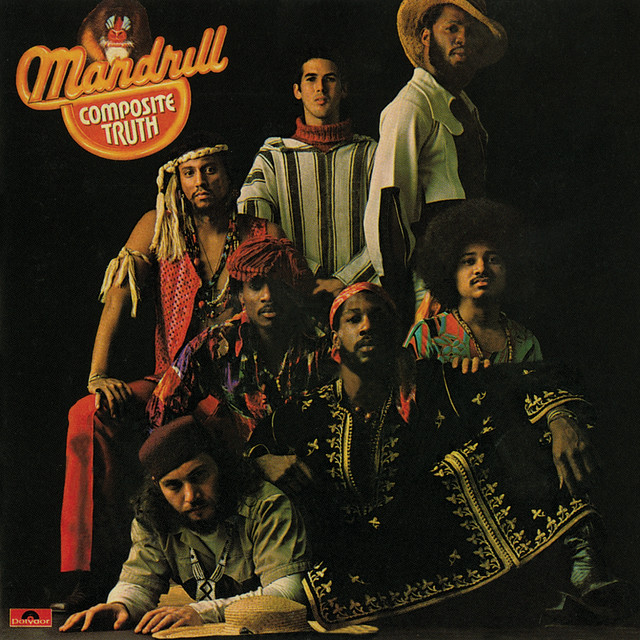
1. Composite Truth
This Bristol outfit distilled post-punk's angularity with a potent dose of P-funk's rhythmic propulsion. Its sparse arrangements, propelled by a rubbery bass and clipped guitar, felt both cerebral and irresistibly kinetic. The studio-as-instrument approach, where reverb and space became integral textures, demonstrated a sophisticated understanding of sonic architecture. And yet, there's an undeniable rawness, a live band's urgency captured expertly on tape, defying over-production. It's a precise funk abstraction.
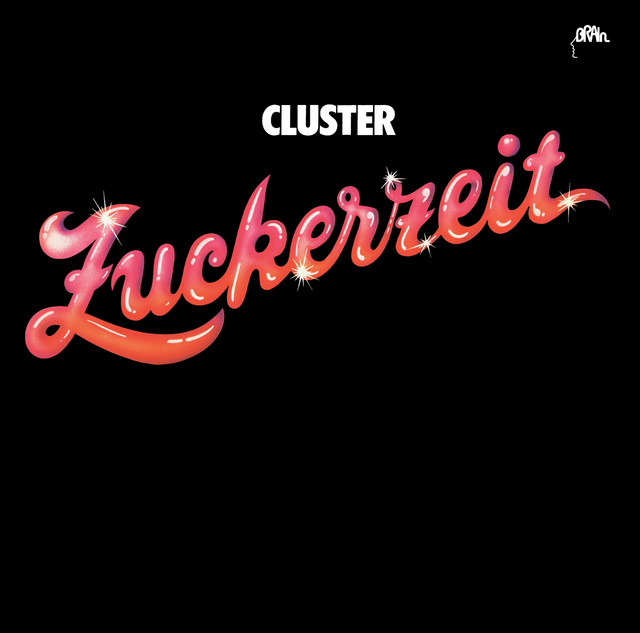
2. Zuckerzeit
Cluster's 1974 effort was a masterclass in minimalist electronic composition, yet possessed a warmth often absent from its contemporaries. Using early synthesizers and rudimentary drum machines, Moebius and Roedelius crafted intricate, almost childlike melodies over hypnotic, motorik rhythms. It was ambient before the term solidified, a tapestry woven from analog oscillators and tape delays. The textures felt tactile, a testament to the pre-digital era's hands-on approach to sound manipulation, creating landscapes that were both pastoral and profoundly alien.
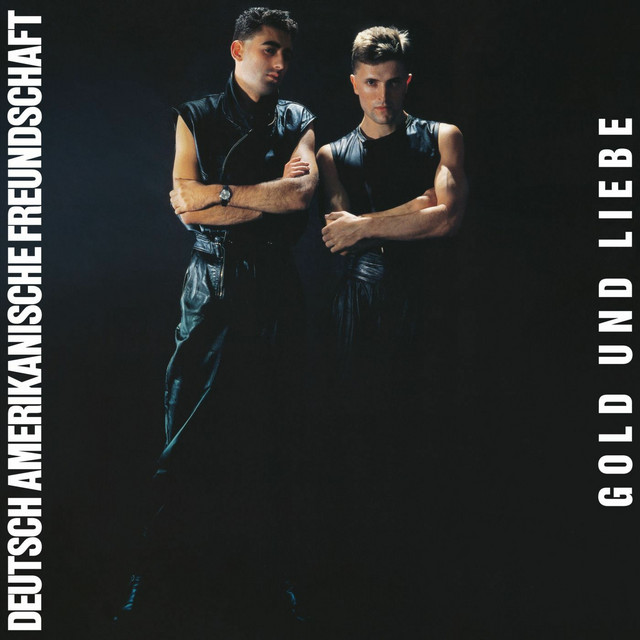
3. Gold Und Liebe
Gabi Delgado and Robert Görl perfected their stark, aggressive techno-punk on this record. Stripped to bare essentials—a driving, unyielding drum machine and menacing synth basslines—it was a visceral, almost confrontational sonic statement. This wasn't merely dance music; it was industrial-strength propulsion, a relentless, almost militaristic rhythm section underscoring Delgado's guttural declarations. Every beat, every squelch of synthesizer, felt meticulously carved in the studio, a testament to its pre-MIDI, primal electronic power.
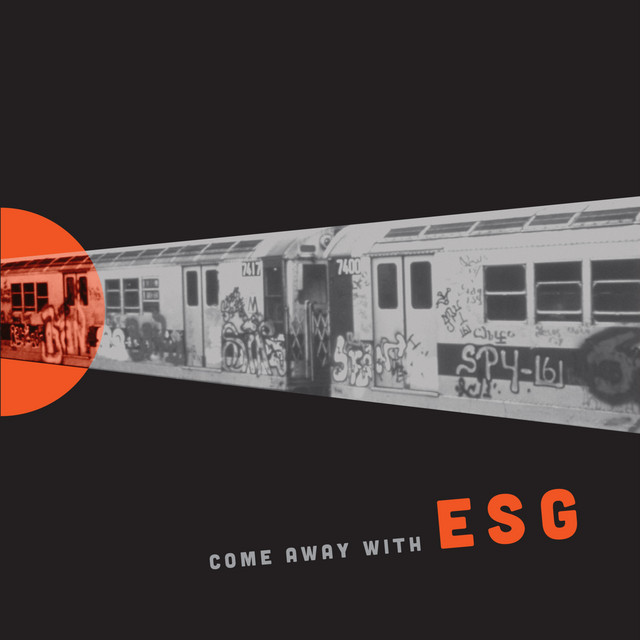
4. Come Away with ESG
ESG’s debut EP laid down a blueprint for rhythmic economy. They understood that space and repetition were as vital as the notes played. A rock-solid, yet effortlessly groovy rhythm section—bass and drums locked in an almost telepathic embrace—created infectious, minimalist funk. Moreover, the raw, unpolished production captured the sheer live energy, eschewing studio gloss for a direct, impactful sound. It was proto-house, post-punk, and undeniable funk, all distilled into its most potent, unadorned form.
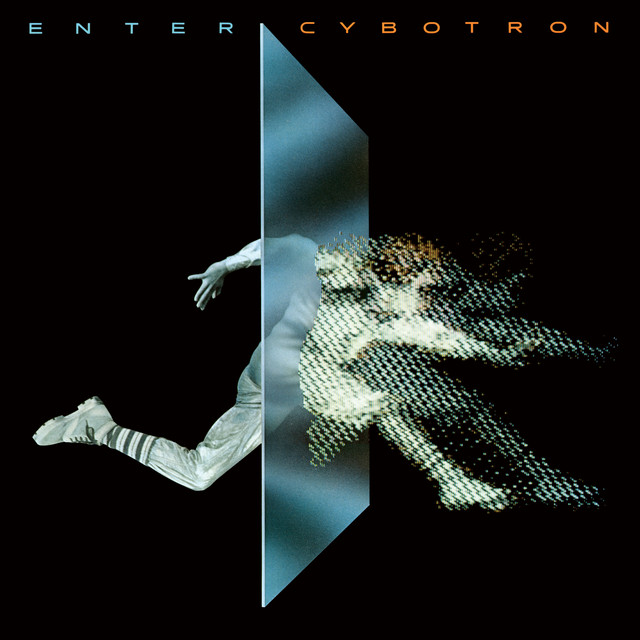
5. Enter (Deluxe Edition)
This sound, emerging from the darker fringes of the early nineties, fused the epic scale of art-rock with the raw aggression of early metal. Orchestral textures, likely achieved through sophisticated synthesizers and samplers of the era, layered over crushing guitar riffs and dynamic female vocals, hinted at a new grandeur. It explored atmospheric, almost gothic soundscapes, pushing the boundaries of what 'heavy' could signify, creating a dramatic, almost cinematic sonic world, all meticulously sculpted in a pre-digital mastering environment.
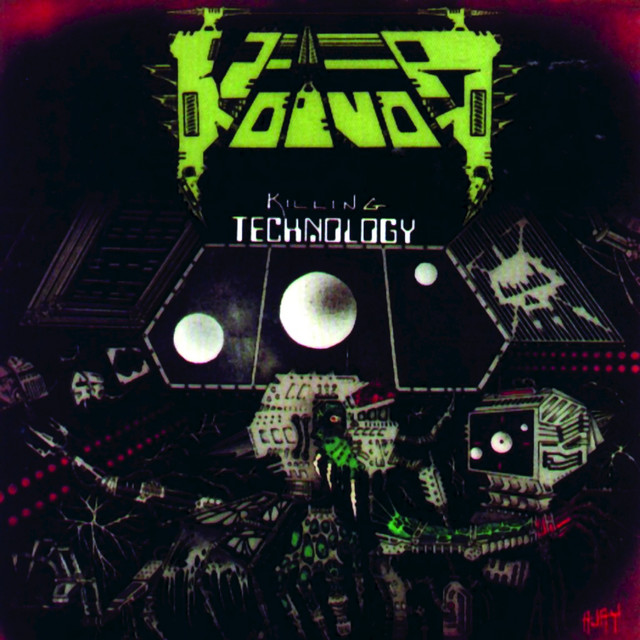
6. Killing Technology
Voivod’s 1987 opus was a jarring, visionary leap for heavy music. They took thrash’s velocity and infused it with a progressive, almost jazz-fusion complexity, all wrapped in a sci-fi dystopia. The angular riffs and unconventional song structures were a stark departure, meticulously arranged and executed with a surgical precision born from hours in a pre-digital recording environment. It felt like a machine-generated assault, mechanical yet fiercely intelligent, pushing sonic boundaries into entirely new, unsettling territories.