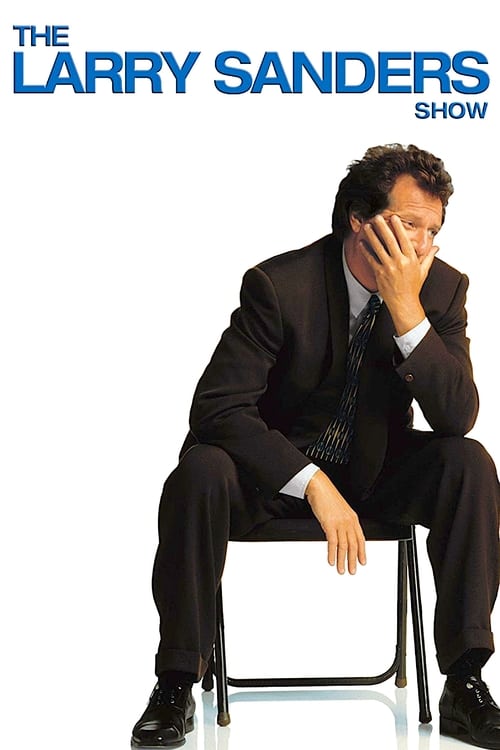
1. The Larry Sanders Show
Before every show tried to be meta, "Larry Sanders" was pulling back the curtain on late-night TV with brutal honesty. Garry Shandling's performance anchored this painfully funny mockumentary, revealing the insecurity and ego behind the smiles. It felt real, a raw look at show business that network sitcoms wouldn't touch. This wasn't just jokes; it was character study, setting a new bar for what comedy could explore and laying groundwork for the genre.
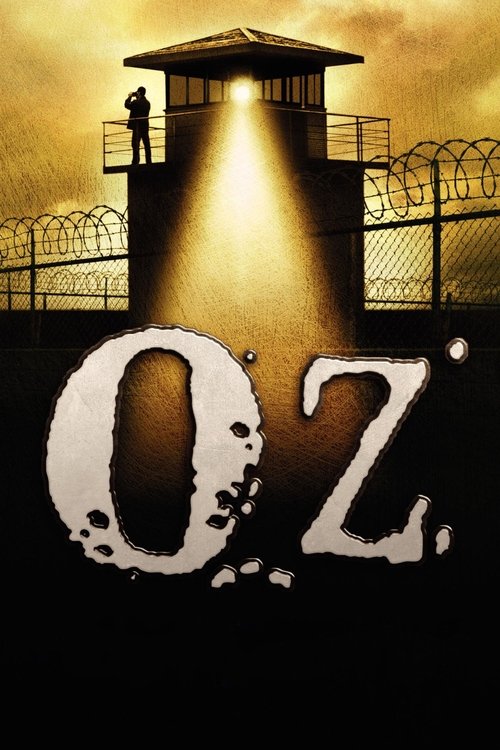
2. Oz
HBO truly unleashed something with "Oz." This wasn't your father's prison drama; it was raw, unapologetic, and utterly brutal. Each episode plunged you deeper into the Emerald City's power struggles, making you question morality in a way network TV never dared. It built an ensemble cast where everyone was a survivor, pushing boundaries with violence and complex character arcs, proving cable could deliver visceral, serialized storytelling long before it was trendy.
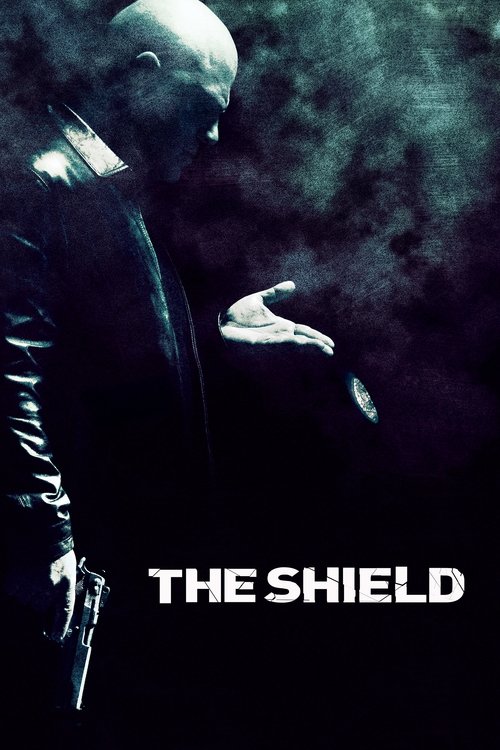
3. The Shield
FX stepped into the ring with "The Shield," giving us Vic Mackey, an anti-hero who defined the new millennium. This wasn't simple good vs. evil; it was corrupt cops trying to do good in a bad world, or so they told themselves. The handheld camera work and unrelenting pace made it feel cinematic, pushing the boundaries of police procedurals into serialized, morally gray territory. It was intense, forcing you to grapple with uncomfortable truths about justice.
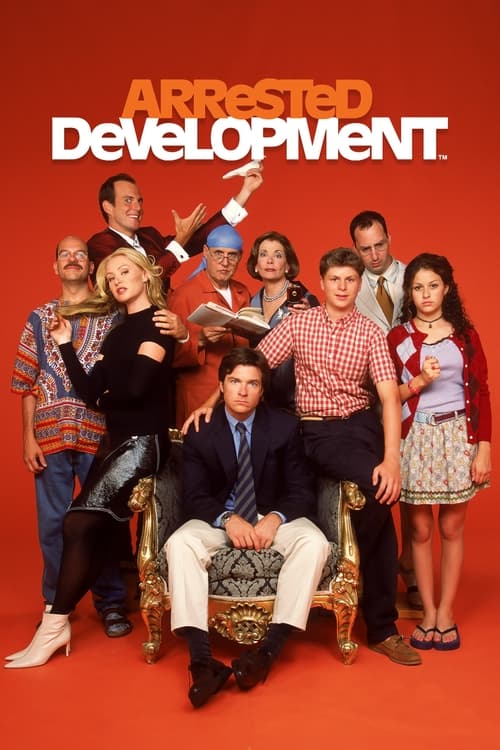
4. Arrested Development
"Arrested Development" was ahead of its time, a dense, layered comedy that demanded attention. The mockumentary style wasn't just a gimmick; it was integral to its unique rhythm and self-aware humor. Every rewatch revealed new jokes, callbacks, and subtle details. It was a show built for the future of on-demand viewing before most people even knew what that meant, proving a comedy could be as intricately plotted as any prestige drama on cable.
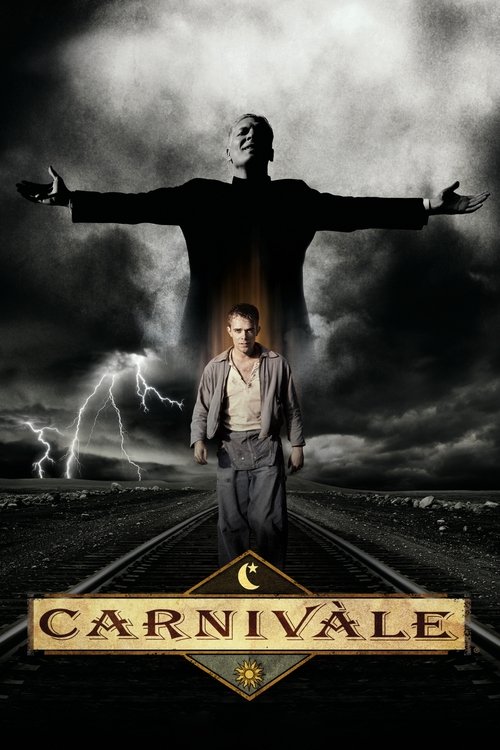
5. Carnivàle
"Carnivàle" arrived like a dusty, mysterious carnival wagon itself, an ambitious, visually stunning epic on HBO. It was dense, enigmatic, and moved at its own deliberate pace, challenging viewers to invest in its sprawling Depression-era mythology. The cinematic scope and commitment to its unique, unsettling atmosphere were unparalleled for television at the time, showcasing cable's willingness to fund truly audacious, serialized narratives that might not deliver instant gratification.
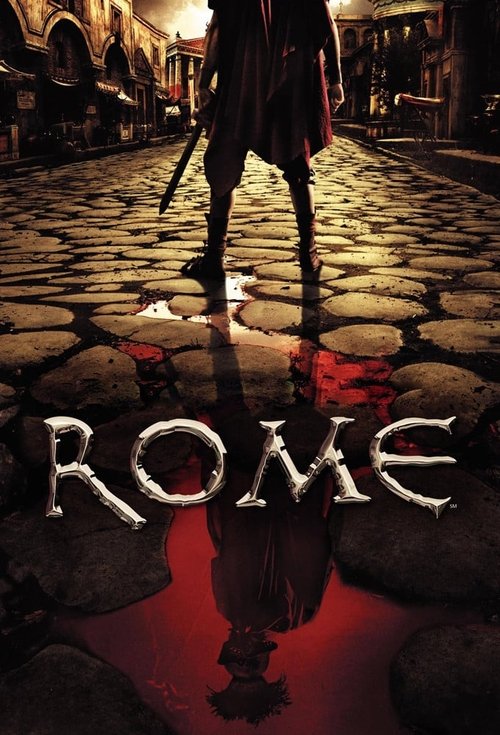
6. Rome
Before every network had its historical epic, "Rome" delivered a gritty, visceral look at the transition from Republic to Empire. HBO and BBC spared no expense, building an authentic, lived-in world. It was a character-driven saga, following soldiers and senators alike, weaving personal drama with monumental historical events. This was prestige television defined: serialized, adult, and cinematic in its ambition, proving TV could compete with the big screen in scope and detail.