

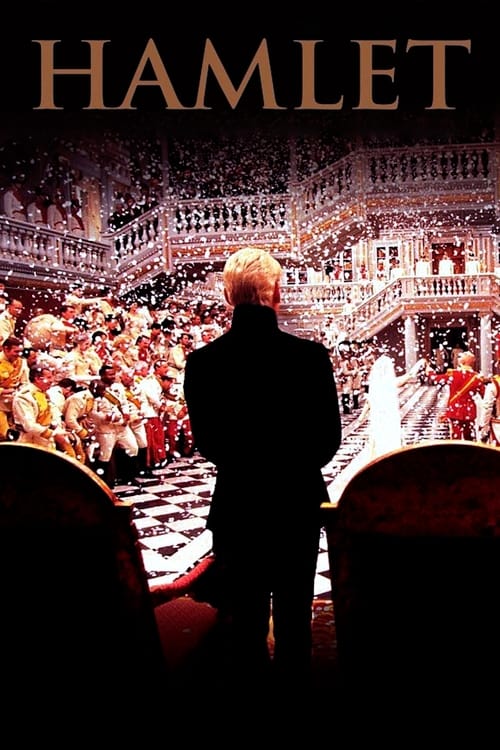
1. Hamlet
Kenneth Branagh's ambitious full-text adaptation is a masterclass in translating theatrical grandeur to cinematic scale. He doesn't just film a play; he re-imagines Elsinore with sweeping visuals and visceral performances, yet never loses the pulse of Shakespeare's intricate verse. Indeed, this film demonstrates how fidelity to source material can ignite, rather than diminish, cinematic artistry, inviting a new generation to the Bard's profound psychological drama.
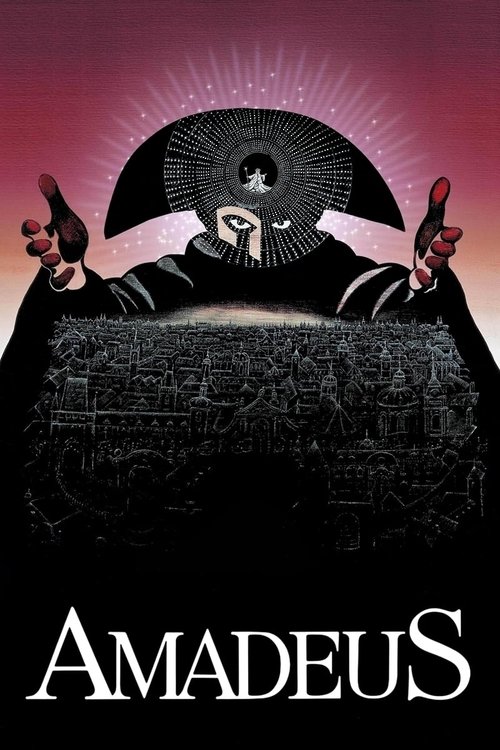
2. Amadeus
Miloš Forman's "Amadeus" isn't merely a historical drama; it's an operatic spectacle that revels in the theatricality of genius and envy. Framed by Salieri's confession, the film utilizes a stage-like structure, allowing F. Murray Abraham's performance to command the screen with a theatrical gravitas. Also, it deftly explores the tragic intersection of divine talent and human mediocrity, proving that true artistry transcends its medium.
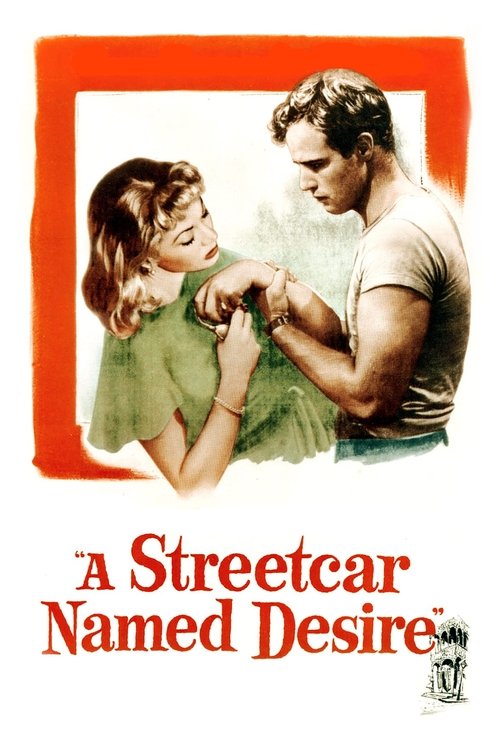
3. A Streetcar Named Desire
Elia Kazan's adaptation of Tennessee Williams’ searing drama remains a benchmark for translating stage intensity to film. With Marlon Brando's volcanic Stanley and Vivien Leigh’s fragile Blanche, it captured the raw, Method-acting power that defined a new era of performance. And, by confining much of the action to cramped New Orleans apartments, Kazan amplified the play’s claustrophobic despair, making the screen shimmer with palpable tension.
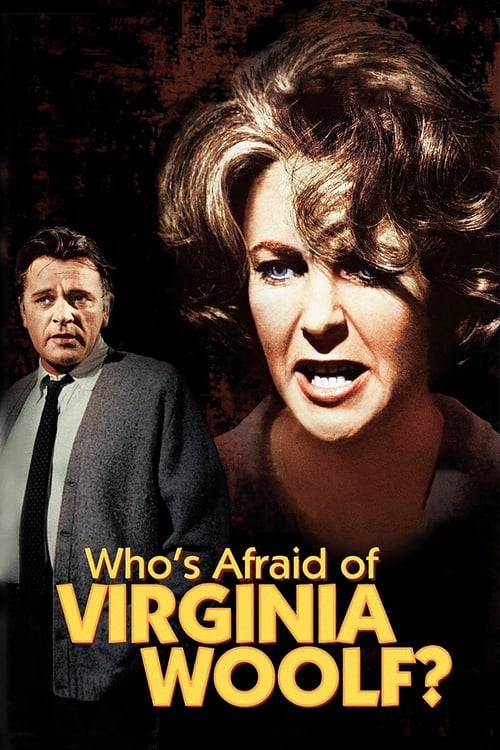
4. Who's Afraid of Virginia Woolf?
Mike Nichols' directorial debut is a masterclass in adapting a dialogue-driven stage play for the screen. By embracing the claustrophobia of its single-setting, late-night setting, the film intensifies Albee's brutal dissection of a marriage. Also, Elizabeth Taylor and Richard Burton’s volcanic performances, largely contained yet explosively delivered, defied the lingering Hays Code, proving that stark emotional realism could resonate profoundly with audiences.

5. Long Day's Journey into Night
Sidney Lumet’s stark, unflinching adaptation of O’Neill’s autobiographical masterpiece is a testament to ensemble acting and the power of sustained, raw emotion. Filmed largely within the confines of the Tyrone family home, it foregrounds the text's relentless psychological excavation, demanding exceptional performances from its cast. Indeed, this film proves that theatrical intimacy, when handled with such directorial reverence, can achieve profound cinematic catharsis.
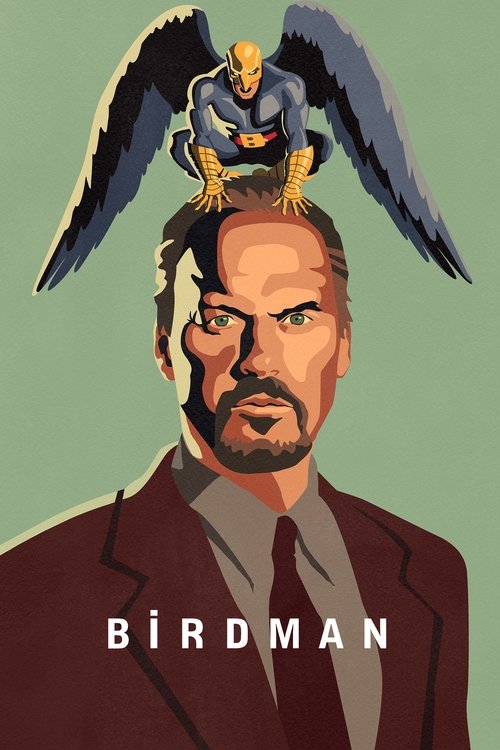
6. Birdman or (The Unexpected Virtue of Ignorance)
Alejandro G. Iñárritu’s "Birdman" is a meta-theatrical marvel, blurring the lines between stage and screen, ambition and artifice. Its dazzling "single-take" cinematography mirrors the continuous flow of a play, trapping us backstage with Riggan Thomson’s existential crisis. Moreover, it’s a profound commentary on the actor's struggle for artistic relevance, dissecting the perceived hierarchy between Hollywood blockbusters and the raw authenticity of Broadway.