
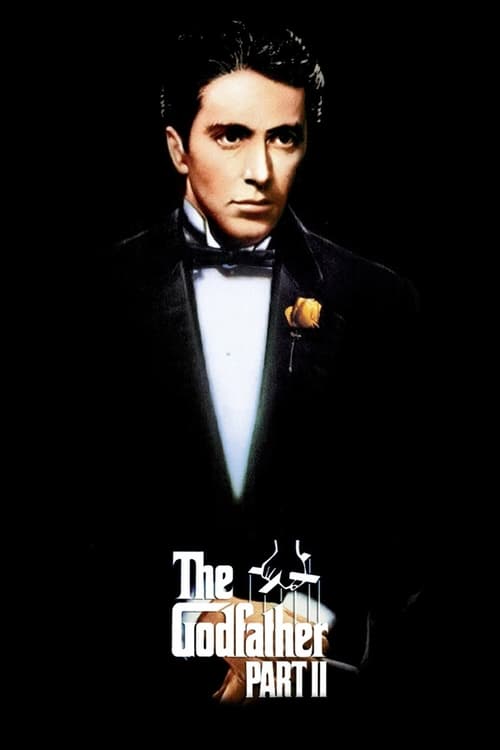
1. The Godfather Part II
Francis Ford Coppola’s monumental sequel masterfully juxtaposes Vito’s rise with Michael’s tragic corruption, revealing how power isolates and destroys. The film’s epic scope is anchored by the chilling inevitability of betrayal, particularly the seismic revelation concerning Fredo. It’s a profound exploration of familial loyalty warped by ambition, reflecting a darker American dream. The narrative's dual timeline dissects the very soul of a dynasty, showcasing how the seeds of its downfall are sown from within. This is not merely a crime saga; it's a Shakespearean tragedy.
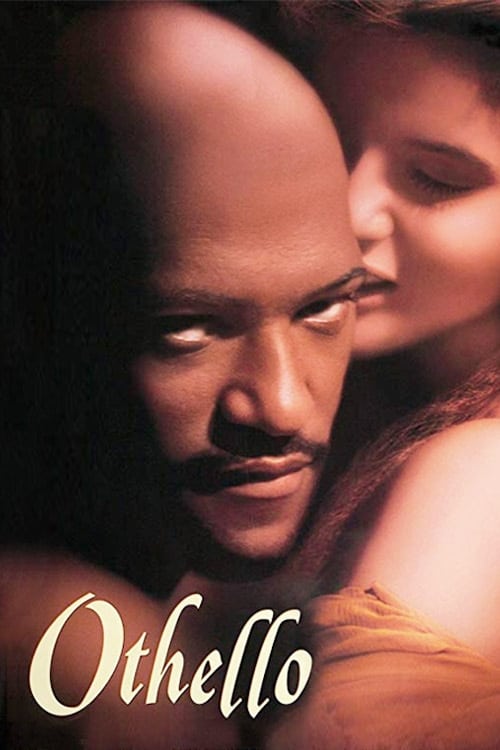
2. Othello
Shakespeare’s enduring tragedy, brought to the screen in various adaptations, remains the definitive study of insidious manipulation. Iago's malevolent machinations against Othello, fueled by perceived slights and a chilling nihilism, systematically dismantle trust, reputation, and love. The play dissects the fragile nature of perception and how easily a charismatic villain can exploit insecurities. Othello's downfall isn't just a personal tragedy; it's a stark warning against unchecked jealousy and the destructive power of a poisoned whisper, forever relevant.
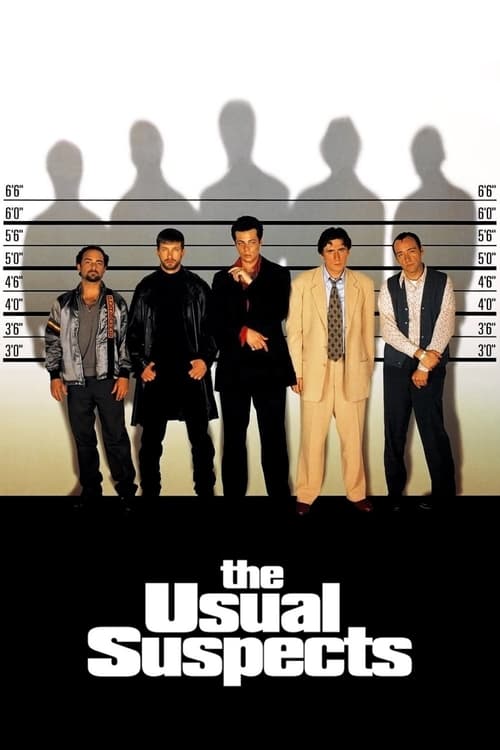
3. The Usual Suspects
Bryan Singer’s neo-noir labyrinth redefined the unreliable narrator, building an intricate tapestry of deception around the enigmatic Keyser Söze. The film meticulously crafts a narrative where every seemingly innocuous detail becomes a potential thread in a master manipulator’s grand design. Its brilliance lies in the audience's complicity, trusting the storyteller until the rug is violently pulled away. This picture is a testament to the power of myth-making and how easily perception can be sculpted, leaving an indelible mark on cinematic storytelling.

4. The Departed
Martin Scorsese’s Boston-set crime epic, a potent Americanization of *Infernal Affairs*, plunges into a world where loyalty is a lethal liability. The interwoven lives of Colin Sullivan and Billy Costigan, moles on opposing sides, create a relentless tension. It’s a blistering examination of identity erosion under extreme pressure and the moral ambiguity inherent in living a double life. Scorsese masterfully orchestrates a symphony of paranoia and violence, where every character is a potential betrayer, and survival demands constant vigilance.
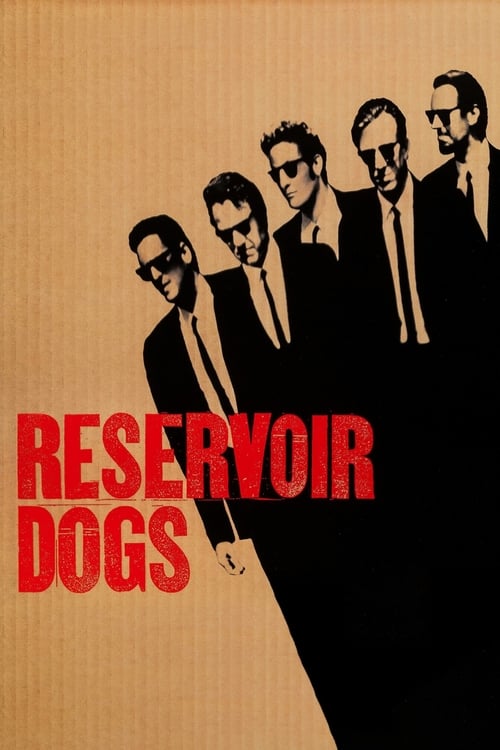
5. Reservoir Dogs
Quentin Tarantino’s explosive debut feature, a hallmark of independent cinema, revels in its raw, unfiltered dialogue and non-linear structure. When a diamond heist goes spectacularly awry, the surviving criminals turn on each other, convinced there's a rat among them. The film’s claustrophobic setting amplifies the paranoia, transforming suspicion into brutal violence. It’s a visceral exploration of loyalty under duress, where the bonds of a shared crime are no match for fear and self-preservation.
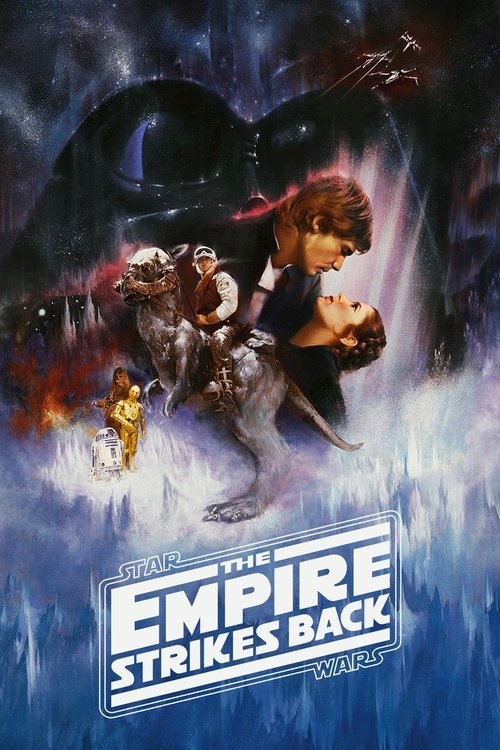
6. The Empire Strikes Back
Often hailed as the pinnacle of the *Star Wars* saga, this chapter masterfully darkens the mythos, proving that even heroes can falter and allies can be compromised. The betrayal by Lando Calrissian, driven by a desperate attempt to protect his city, sets in motion a chain of events culminating in a revelation that shatters Luke Skywalker’s world. It elevates the conflict beyond simple good versus evil, introducing moral complexities and the crushing weight of personal sacrifice, defining the series' emotional core.
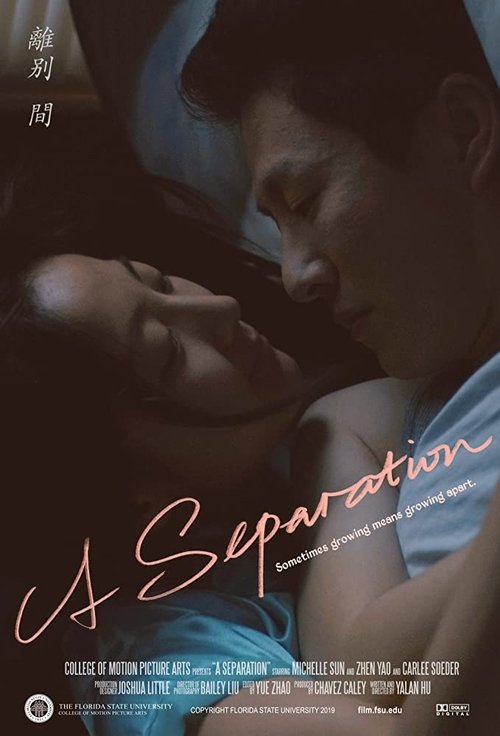
7. A Separation
Asghar Farhadi’s masterful drama dissects the intricate layers of truth and perception within a collapsing marriage and a subsequent legal dispute. The film doesn't present clear heroes or villains, instead revealing how good intentions and miscommunications can snowball into devastating betrayals of trust. It’s a profound reflection on societal pressures, class divisions, and the agonizing moral compromises people make to protect their loved ones. Farhadi’s precise direction crafts a powerful, resonant portrait of human fallibility.

8. Infernal Affairs
Andrew Lau and Alan Mak’s seminal Hong Kong thriller redefined the undercover narrative, pitting two men — a cop infiltrating the triads and a gangster planted in the police force — in a deadly game of cat and mouse. Their struggle for identity and survival creates a constant, gnawing tension. This film is a brilliant study of moral degradation and the crushing psychological toll of living a lie, where the lines between good and evil are irrevocably blurred, influencing countless subsequent thrillers.