
1. eXistenZ
This film, even from '99, totally nails how VR could mess with our heads. It’s all about bio-portals and organic game consoles, making you wonder what’s real and what’s not. It shows us that immersive storytelling isn't just about visuals; it's about feeling the story in your bones, literally. This kind of tech, imagining organic interfaces, makes me think about future content creation, where narratives aren't just watched, but truly lived. It's wild, and honestly, a bit ahead of its time for showing how deep interactive stories can go.

2. Primer
Primer is a masterclass in making a complex story with basically no budget, just pure brainpower. It explores time travel not as a simple plot device, but as a deeply intricate, almost mathematical puzzle. This film proves that groundbreaking narratives don't need massive special effects; they need clever writing and a willingness to explore complicated ideas. For future storytellers, it highlights how tightly woven, multi-layered plots, maybe even AI-generated branching narratives, can create an experience that keeps you thinking long after the credits roll. It's super smart.

3. Dark City
Dark City is this super atmospheric flick that messes with your sense of reality, long before others did. It’s about a city where memories are changed nightly by these creepy "Strangers," showing how identity itself can be a construct. This film really gets you thinking about how AI could curate or even alter our personal histories and experiences in a narrative. It's a powerful example of how environmental storytelling and controlled realities, like in advanced VR, could reshape how we perceive and interact with stories, making us question everything.

4. Coherence
Coherence is just wild. It’s essentially a dinner party that descends into quantum madness, exploring parallel realities with minimal effects but maximum brain-twisting. The way it slowly unravels, making you question every character's identity and motives, is genius. It shows that incredibly intricate, branching narratives don't need a huge budget; they need a sharp concept and smart execution. And yeah, it totally makes you think about how AI could generate infinite variations of a story, exploring every possible choice and outcome in a truly dynamic way. So cool.

5. Archive
Archive from 2020 really hits different, especially with AI narratives becoming more mainstream. It follows a scientist trying to bring his wife back using AI and robotics, exploring consciousness and digital immortality. This film directly tackles the emotional and ethical implications of creating sentient AI, and how these artificial beings could become central to our stories. It’s a hopeful but also a little sad look at how AI could not just write stories, but *be* the characters, living and evolving within them, maybe even offering a kind of digital rebirth for content.
6. Videodrome
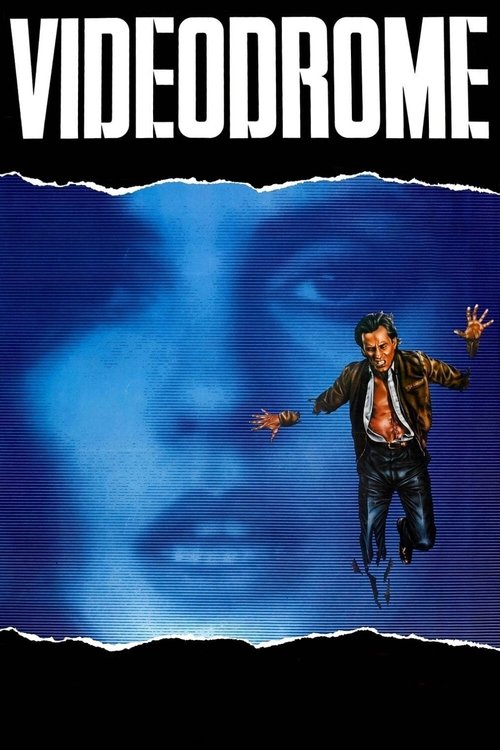
Videodrome, from way back in '83, was seriously prophetic about media's power and what we’d call virtual reality today. It’s got this wild, hallucinatory vibe, showing how broadcast signals can literally reshape reality and even our bodies. This film makes you think about how immersive media, like super advanced VR or AR, could blur the lines between what's real and what's a simulated experience. It’s a visceral reminder that future narratives might not just be seen or heard, but felt, impacting us on a very physical, almost biological level. Long live the new flesh!