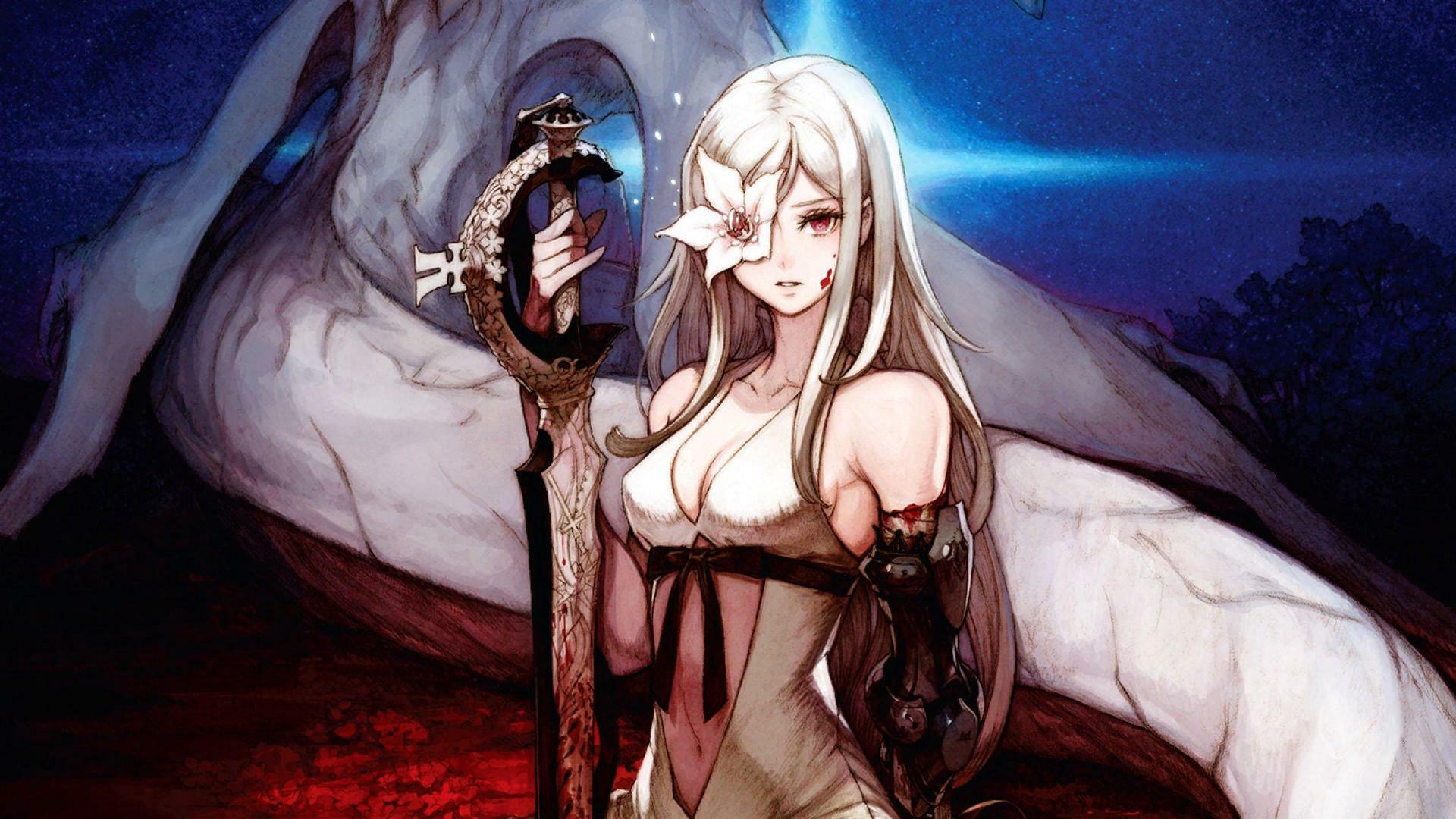
1. Drakengard 3
Man, *Drakengard 3* was a glorious, bloody mess. PlatinumGames handled the combat, but the PS3's hardware was clearly struggling, leading to brutal framerate drops. Still, Yoko Taro’s signature nihilism and twisted narrative shine through, making its jank almost endearing. It’s a crying shame Square Enix never gave this dark gem the budget or polish it deserved. We loved its sheer audacity, even if playing it felt like fighting the console itself. A truly unique, cursed experience.
2. Binary Domain
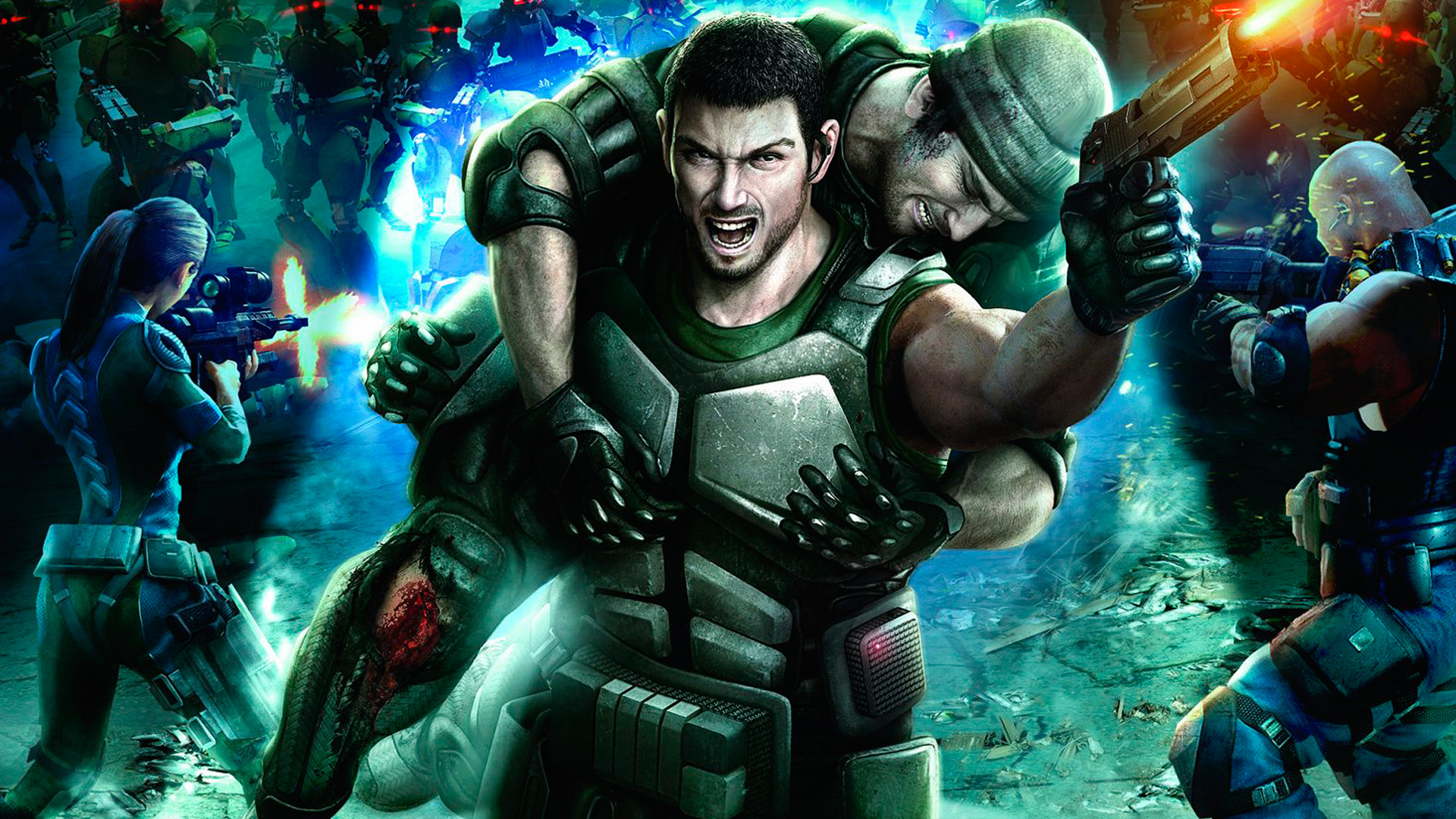
Remember *Binary Domain*? Sega put out this absolute banger, a third-person shooter with surprisingly clever squad commands and enemies that literally blew apart piece by mechanical piece. The story was actually thought-provoking, too, questioning humanity and AI long before it became a tired trope. But man, it just vanished. Sega clearly had no idea how to sell something this unique, leaving a cult classic to be discovered years later. A real shame.
3. Folklore
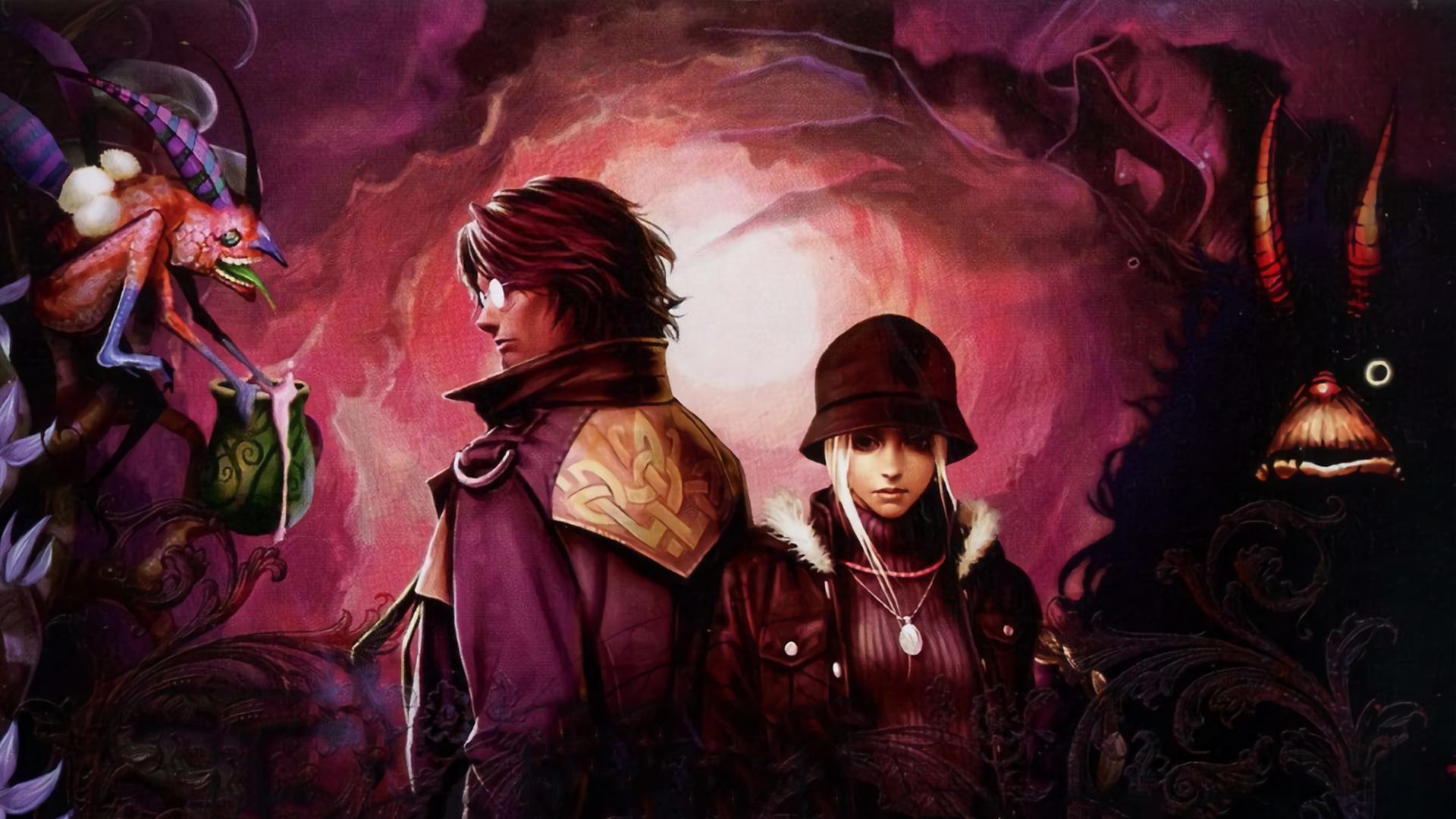
*Folklore* on the PS3 felt like a dream. Its Irish-mythology-infused dark fantasy world, striking art style, and unique "capture souls" combat system were genuinely innovative for the time. But it landed during the PS3's awkward early days, buried by marketing for other titles. It had so much character, such a strong atmosphere, yet it just faded into obscurity. You wonder what a modern remake, or even just proper support, could have done for it.
4. Enslaved: Odyssey to the West
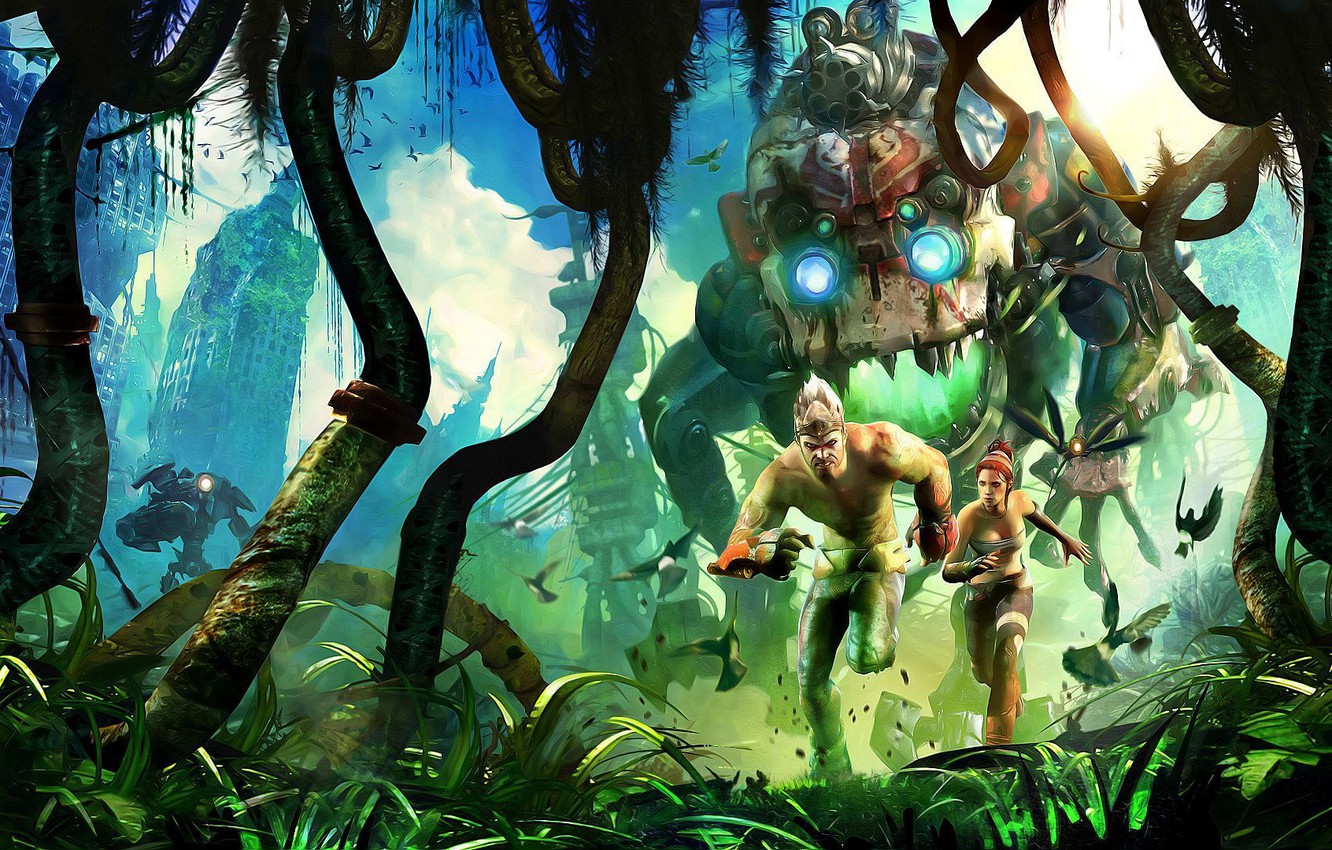
*Enslaved: Odyssey to the West* had it all: gorgeous post-apocalyptic visuals, phenomenal motion-capture performances from Andy Serkis and Lindsey Shaw, and a surprisingly heartfelt story. Ninja Theory crafted a brilliant linear action-adventure, but it just never found its audience. Namco Bandai seemed to shrug after launch, leaving this masterpiece to gather dust. Its focus on character and narrative over open-world bloat feels almost revolutionary now. We still mourn its sequel.
5. The Saboteur
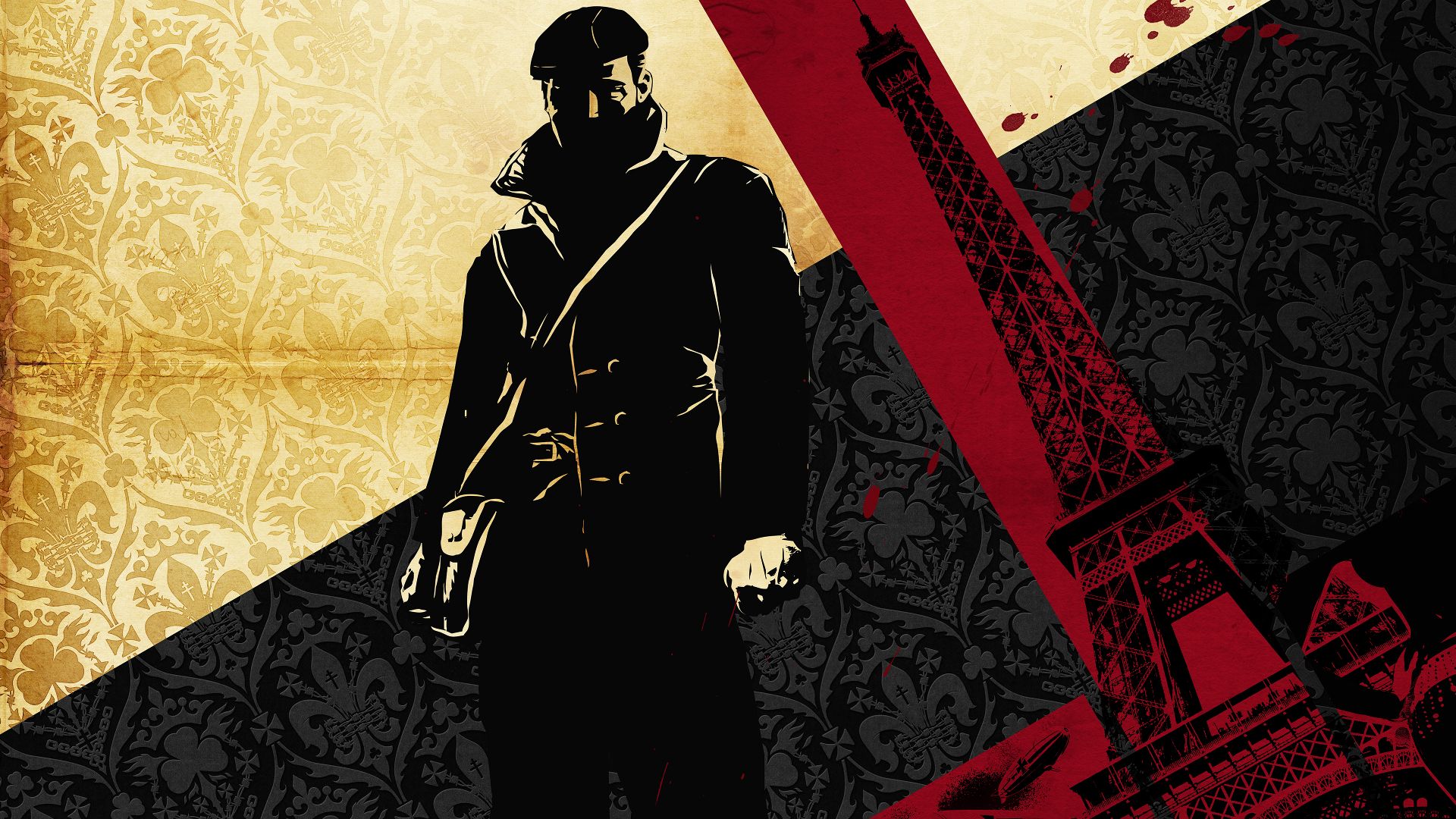
*The Saboteur* was Pandemic Studios' swan song, and what a way to go out. The black-and-white, then vibrant color, mechanic was genius, perfectly reflecting the resistance movement in occupied Paris. It was rough around the edges, sure, but its heart and style were undeniable. Then EA, being EA, shuttered Pandemic right after release, effectively killing any chance of this unique open-world gem finding its footing. We lost a truly creative studio and a potential franchise.
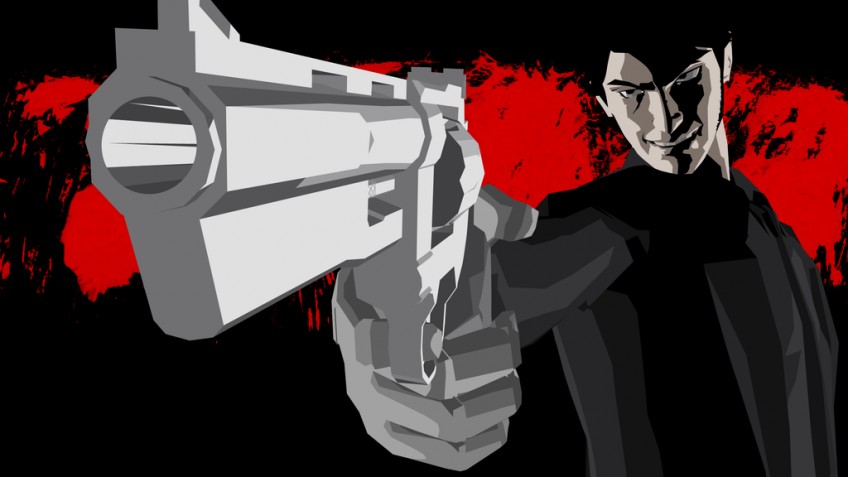
6. killer7
Oh, *killer7*. Suda51’s psychedelic, on-rails fever dream was unapologetically bizarre, avant-garde, and utterly brilliant. Capcom took a huge gamble publishing something so intensely experimental, and it paid off artistically, if not commercially. Its cel-shaded art style and fragmented narrative were mind-bending, a true art game. But mainstream audiences just weren't ready, and publishers rarely take such risks now. We miss when big names backed genuinely wild concepts like this.
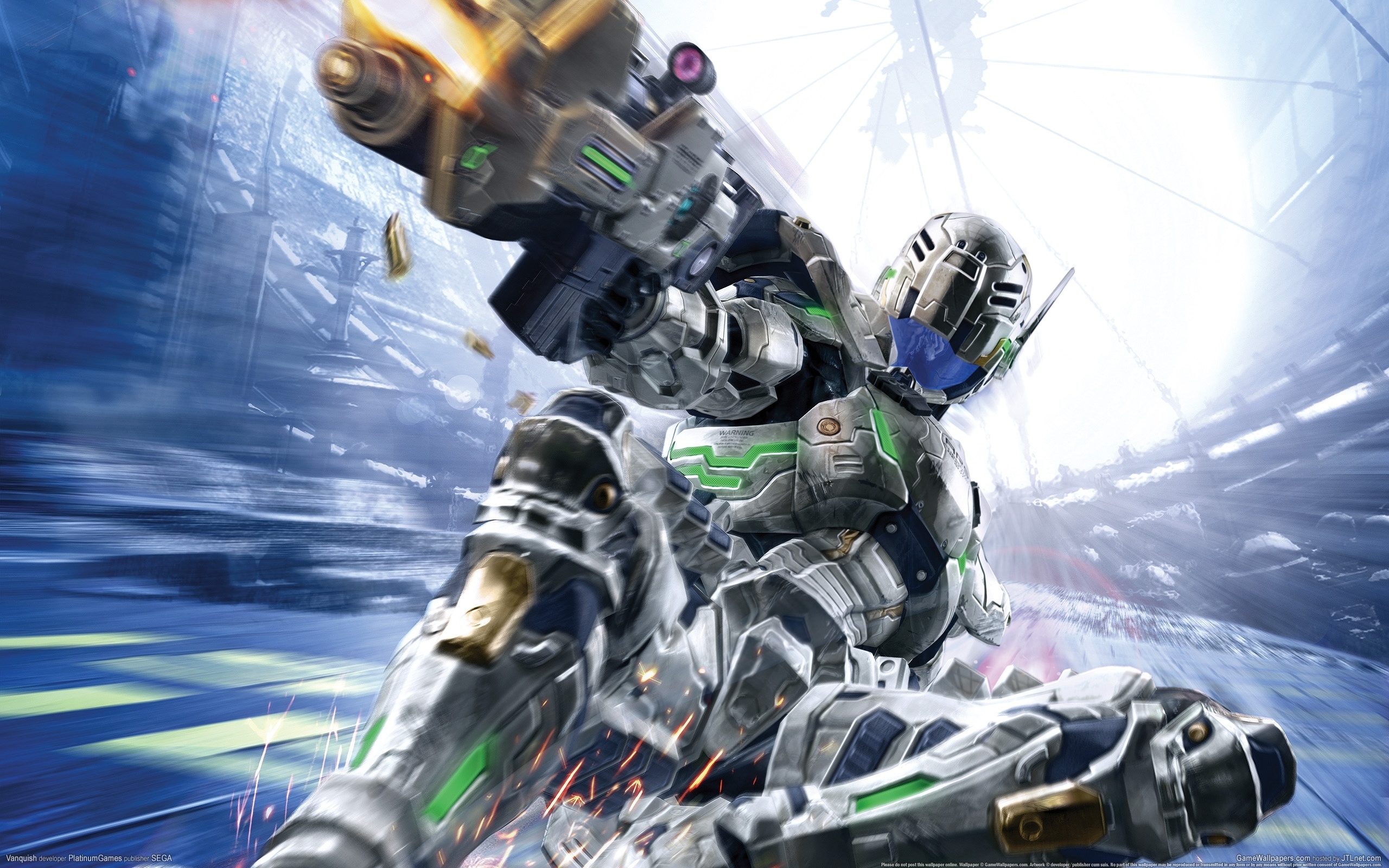
7. Vanquish
*Vanquish* is pure, unadulterated speed. PlatinumGames delivered the most stylish, blisteringly fast third-person shooter ever, with that iconic power slide and bullet time. But it was short, *really* short, and Sega seemed content to let it be a niche, hardcore gem rather than push it as a genre-definer. It’s a masterclass in gameplay mechanics that deserved a bigger stage and a sequel. We still dream of a world where *Vanquish* got the budget and attention it truly deserved.