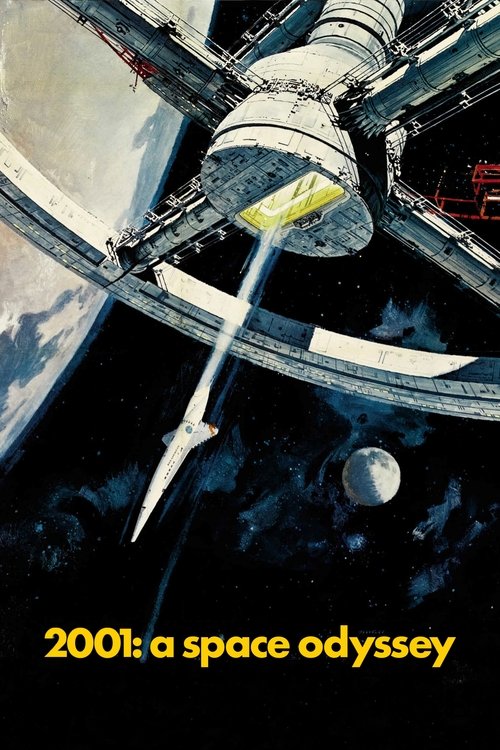
1. 2001: A Space Odyssey
Stanley Kubrick’s monumental vision transcends mere science fiction, offering a profound meditation on human evolution, artificial intelligence, and our place in the cosmic tapestry. Its deliberate pacing and iconic imagery invite contemplation on the unseen forces guiding our destiny, from the primordial monolith to the Star Child. Kubrick masterfully constructs an experience that feels less like a narrative and more like a transcendental journey, forever altering our perception of the universe’s silent, powerful mysteries.

2. Arrival
Denis Villeneuve crafted a cerebral science fiction film that redefines alien contact, centering not on conflict but on communication and the very nature of language. Amy Adams's Louise Banks navigates a non-linear understanding of time, forcing us to consider how our perception shapes our reality and relationships. It is a deeply humanist work, skillfully blending intellectual curiosity with profound emotional resonance, reflecting on connection, loss, and the beauty of embracing an uncertain future.
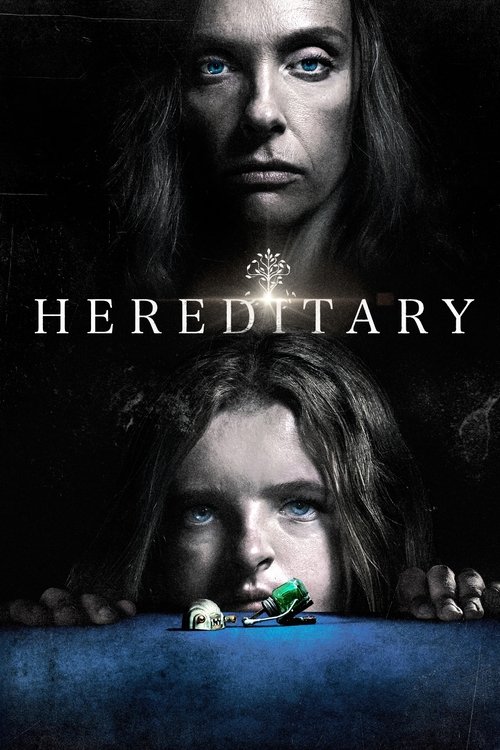
3. Hereditary
Ari Aster's debut feature is a masterclass in psychological horror, meticulously building an atmosphere of inescapable dread from the foundations of familial grief and inherited trauma. The film dissects the insidious nature of unresolved sorrow and the terrifying realization that some horrors are not external, but deeply embedded in our lineage. Aster uses meticulous mise-en-scène and unsettling sound design to craft a visceral experience, reflecting on the unseen, destructive forces within a family unit.
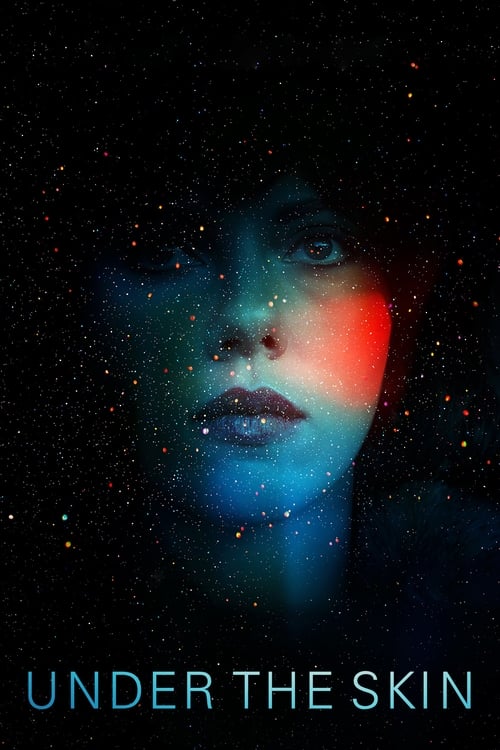
4. Under the Skin
Jonathan Glazer's haunting exploration of identity and empathy through the eyes of an alien predator is a stark, unsettling cinematic experience. Scarlett Johansson’s detached performance as Laura lures unsuspecting men into a void, observing humanity with chilling objectivity. Glazer employs a minimalist, almost documentary-like style, stripping away conventional narrative to reveal the raw, often uncomfortable truths about connection, exploitation, and the profound isolation of being truly other.

5. The Babadook
Jennifer Kent’s seminal work masterfully uses the horror genre as a conduit for exploring the debilitating weight of grief and depression. The titular monster becomes a powerful, unshakeable metaphor for the unseen, internal struggles that fester when unacknowledged. Kent’s direction creates a suffocating atmosphere, reflecting on a mother's battle with her child's trauma and her own, illustrating how internal demons can manifest with terrifying, tangible presence if left unaddressed.
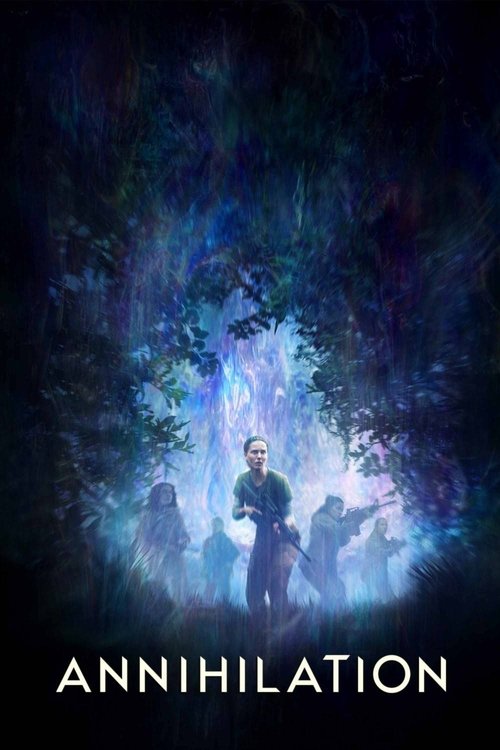
6. Annihilation
Alex Garland's adaptation is a visually stunning and intellectually challenging journey into a mutating, otherworldly zone. It delves into themes of self-destruction, transformation, and the alien nature of biological imperative, pushing the boundaries of what sci-fi horror can explore. Garland's distinctive vision crafts a world where the unseen forces of evolution and entropy are made terrifyingly manifest, questioning the very essence of identity when confronted with radical, uncontainable change.