
1 / 12
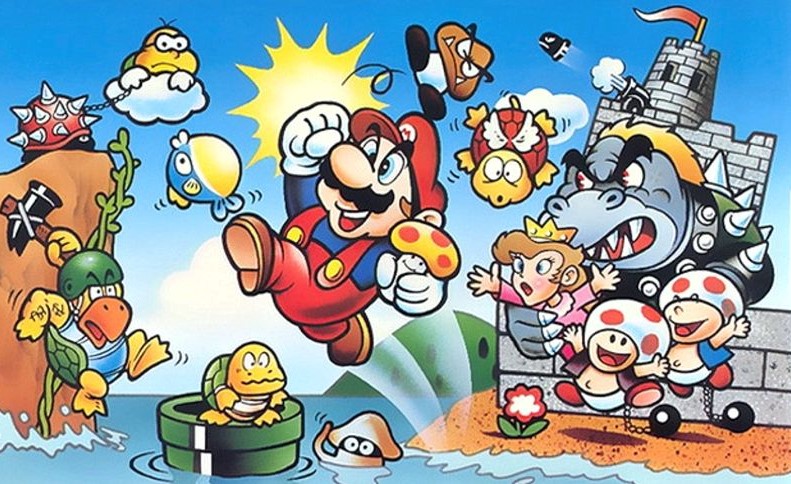
1. Super Mario Bros.
Super Mario Bros. established the blueprint for side-scrolling platformers. It introduced power-ups, secret areas, and a sense of joyous exploration. Its precise controls and iconic level design became the gold standard, proving that sophisticated gameplay could be accessible to everyone. And it wasn't just a game; it was a cultural phenomenon that pulled gaming out of the arcade slump and into living rooms worldwide, creating a new mass-market entertainment medium.
2 / 12

2. Tetris (1984)
This deceptively simple puzzle game transcended language barriers and hardware limitations. Its infinitely replayable, addictive loop of falling blocks and spatial reasoning proved that abstract mechanics could captivate millions. Tetris became a global phenomenon, appearing on nearly every conceivable device, demonstrating the universal appeal of pure, elegant game design. It fundamentally changed perceptions of what a game could be, proving minimalism's power.
3 / 12

3. DOOM (2016)
DOOM (2016) revitalized the single-player first-person shooter with aggressive, fast-paced combat and a relentless focus on player agency. It abandoned cover-based mechanics for a "push-forward" combat loop, rewarding aggression with health and ammo. This design choice, coupled with its brutal aesthetic and incredible movement fluidity, proved that modern shooters didn't need to sacrifice intensity for cinematic spectacle. It was a masterclass in modernizing a classic.
4 / 12

4. The Sims
The Sims created an entirely new genre: the life simulation. It put players in control of virtual lives, allowing them to build homes, careers, and relationships without traditional win conditions. Its open-ended, creative gameplay tapped into a universal desire for storytelling and self-expression, fostering a massive community of builders and narrative creators. The Sims blurred lines between game and digital dollhouse, making everyday life endlessly compelling.
5 / 12

5. World of Warcraft
World of Warcraft defined the modern massively multiplayer online role-playing game. Its vast, evolving world, deep lore, and compelling social structures created persistent virtual societies. WoW wasn't just a game; it was a second life for millions, fostering friendships, rivalries, and an economic system within its digital borders. Its success proved the immense power of shared online experiences and the enduring appeal of collective epic narratives.
6 / 12
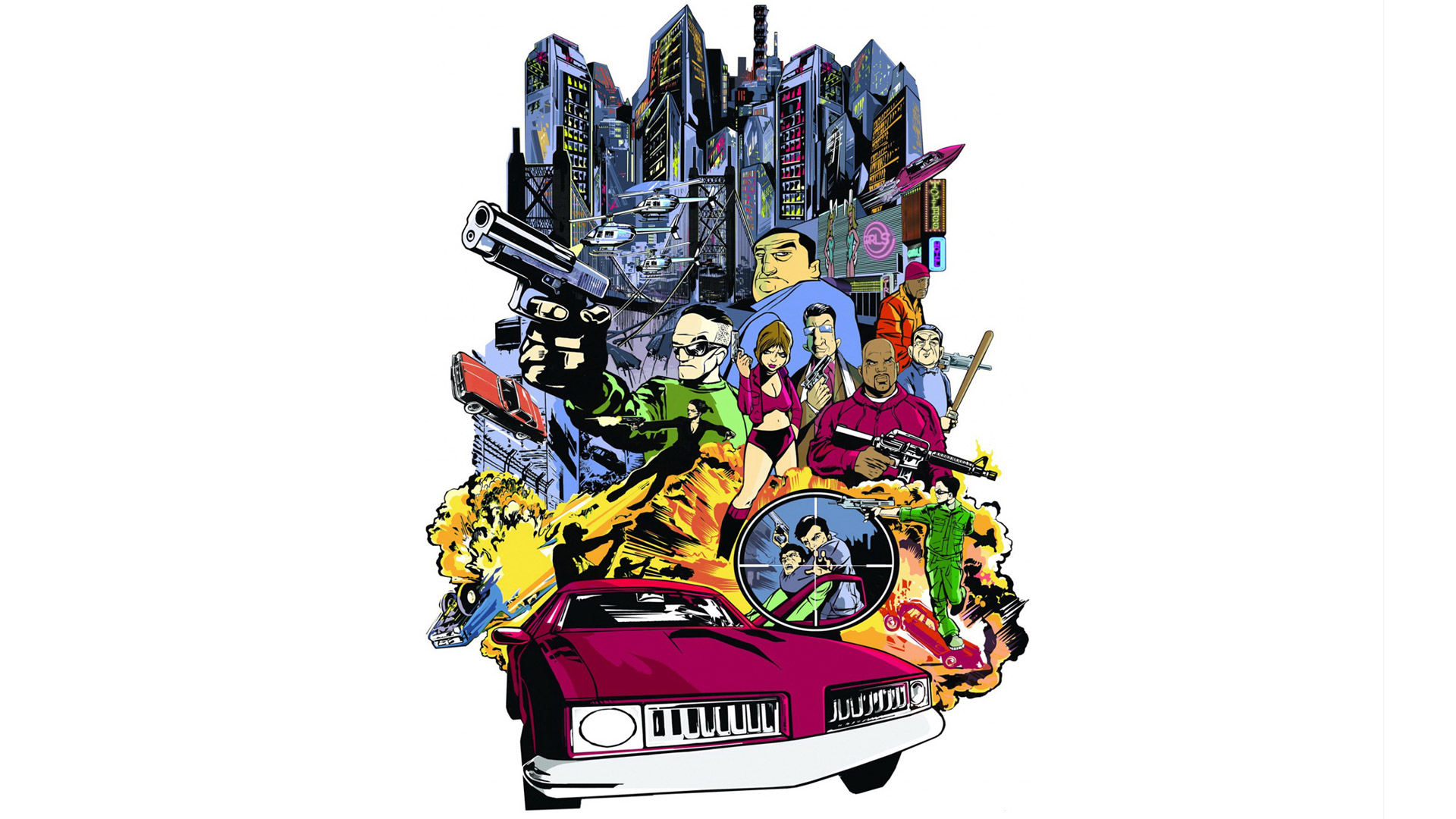
6. Grand Theft Auto III
Grand Theft Auto III ushered in the era of the 3D open-world sandbox. It offered unprecedented freedom to explore a living, breathing city, complete with emergent gameplay possibilities. The game's controversial themes and mature content pushed boundaries, but its innovative structure, blending narrative missions with player-driven chaos, became a template for countless titles. It redefined player agency within a sprawling, interactive environment.
7 / 12
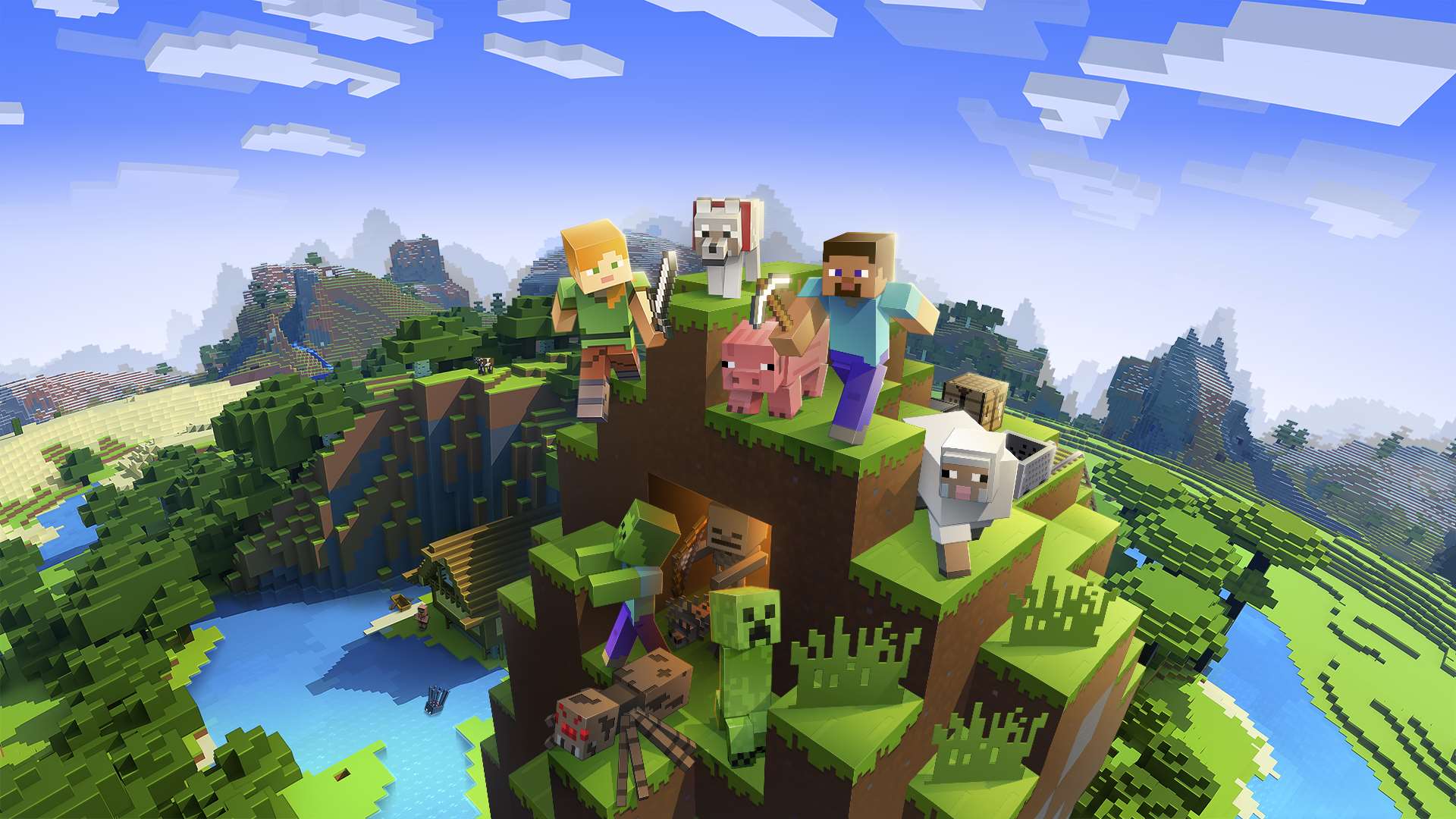
7. Minecraft
Minecraft demonstrated the profound power of player-driven creativity and emergent gameplay. Its block-based, procedurally generated worlds allowed players to build anything imaginable, from simple shelters to elaborate cities. Minecraft wasn't just a game; it was a digital canvas, an educational tool, and a social platform. It proved that simple mechanics, combined with infinite possibilities, could foster unparalleled engagement and a global community.
8 / 12

8. Pokémon Red, Blue, Yellow
Pokémon Red, Blue, and Yellow pioneered the "collect 'em all" mechanic within an RPG framework, creating a global phenomenon. Its blend of creature collection, turn-based combat, and social trading through the Game Boy's link cable hooked millions. Pokémon proved that accessible RPGs with strong creature design could appeal to a vast, diverse audience, laying the groundwork for a multimedia empire that spanned games, anime, and merchandise.
9 / 12

9. Street Fighter II: The World Warrior (1991)
Street Fighter II revolutionized the fighting game genre, establishing its core mechanics and competitive spirit. Its diverse cast of characters, each with unique special moves, and precise input commands created a deep, skill-based experience. Street Fighter II became a cultural touchstone, fostering local arcade communities and laying the groundwork for competitive gaming. It proved that direct, head-to-head competition could be endlessly engaging.
10 / 12
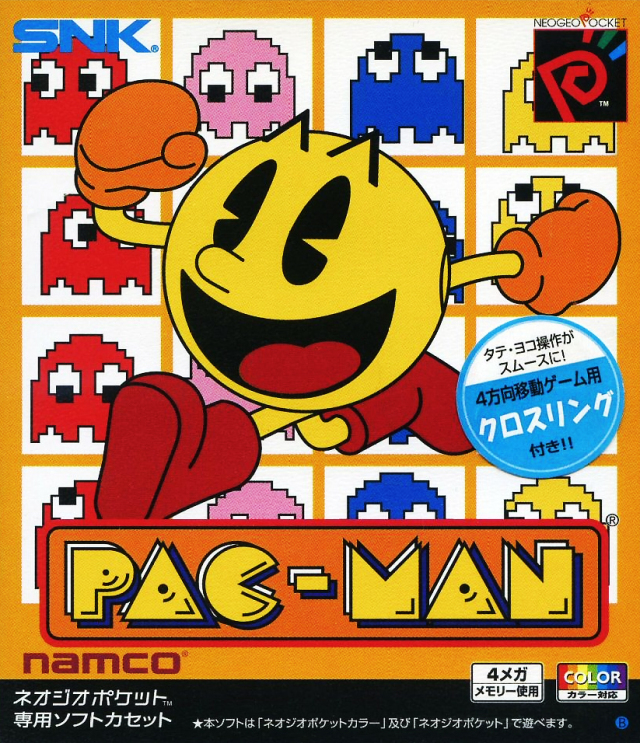
10. Pac-Man
Pac-Man, a minimalist masterpiece, captivated arcades worldwide. Its simple yet brilliant maze-chasing gameplay, combined with iconic characters and sound design, created an instantly recognizable cultural icon. Pac-Man demonstrated that abstract mechanics, devoid of complex narratives, could be incredibly addictive and universally appealing. It highlighted the power of intuitive design and immediate gratification in gaming, setting a benchmark for arcade success.
11 / 12
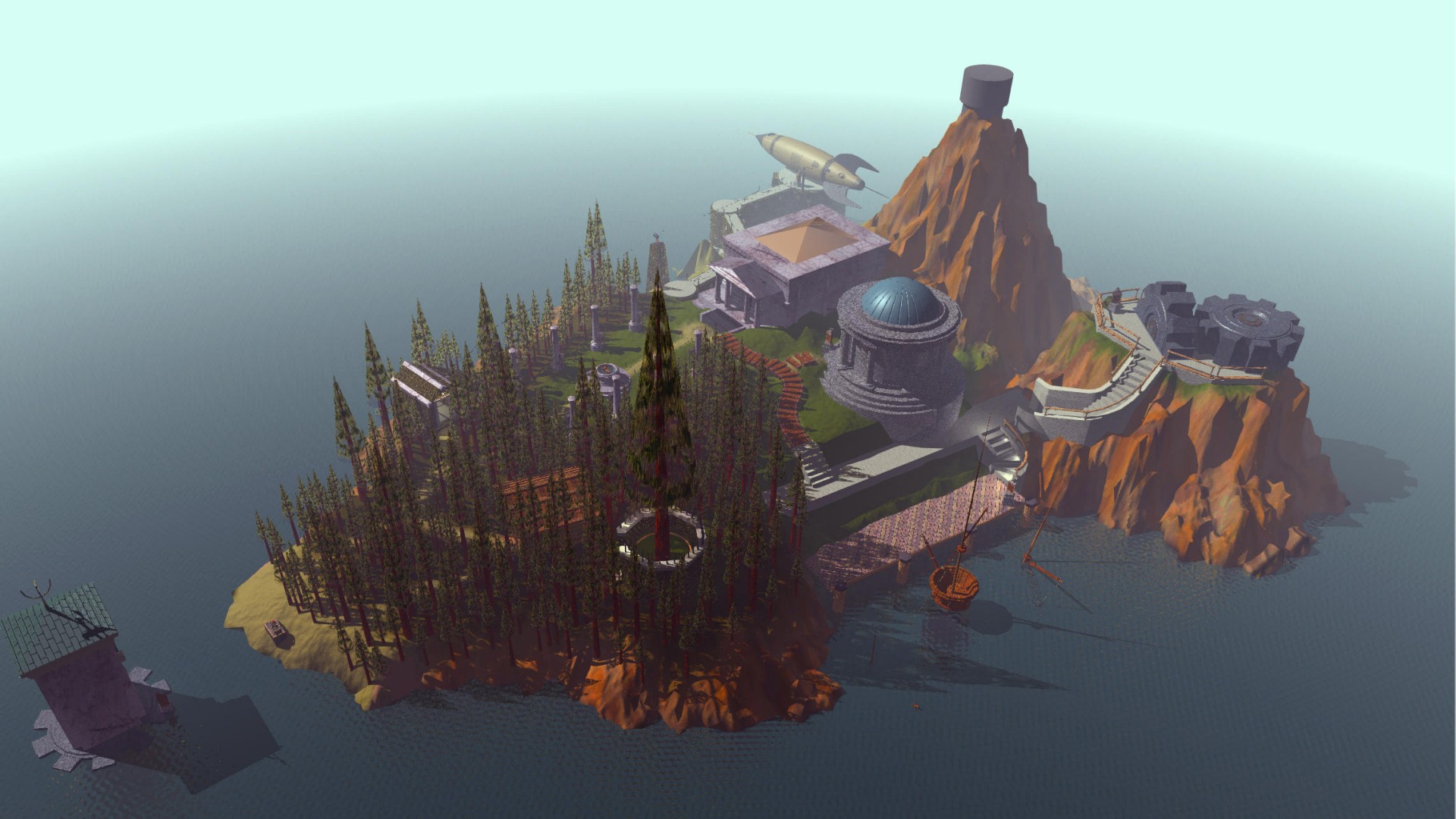
11. Myst
Myst redefined adventure games with its focus on atmospheric immersion and challenging, non-linear puzzles. Its pre-rendered 3D environments and lack of traditional combat created a contemplative, solitary experience. Myst proved that games could be intellectual, artistic, and deeply engaging without relying on action. It pushed the boundaries of interactive storytelling and atmospheric world-building, captivating players with its enigmatic beauty and logical depth.
12 / 12

12. Call of Duty 4: Modern Warfare
Call of Duty 4: Modern Warfare set the new standard for cinematic first-person shooters and competitive multiplayer. Its gritty, realistic portrayal of modern combat, combined with a compelling single-player narrative and revolutionary multiplayer progression system, captivated a generation. Modern Warfare popularized killstreaks, perks, and a satisfying grind, proving that tight mechanics and constant reward loops could create an enduring online experience.