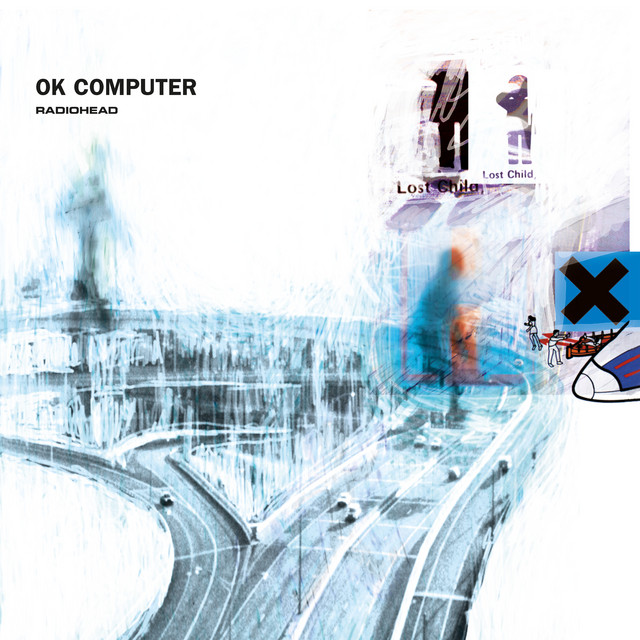
1. OK Computer
Radiohead dropped this like a digital-age prophecy in '97, perfectly capturing that creeping dread of a hyper-connected world. It wasn't just another Britpop-adjacent guitar album; it was an expansive, sometimes chilling, sometimes soaring soundscape. Those distorted guitars and Yorke's falsetto resonated with a generation grappling with tech's double-edged sword. Every listen still feels urgent, a blueprint for alternative rock's future, drenched in a uniquely 90s kind of melancholic grandeur. It really hit different.
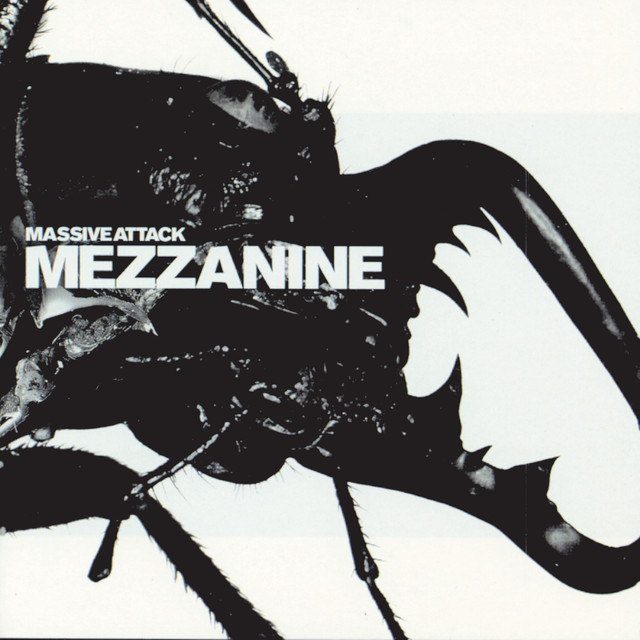
2. Mezzanine
Massive Attack perfected the dark art of trip-hop with *Mezzanine*. This wasn't just background music; it was an oppressive, beautiful sonic fog, all heavy basslines, unsettling samples, and those iconic, detached vocals. It felt like the soundtrack to a very stylish, very late-night urban decay. The electronic textures here weren't just ornamentation; they were foundational, creating an atmosphere so thick you could cut it with a knife. Still gives me chills, frankly.
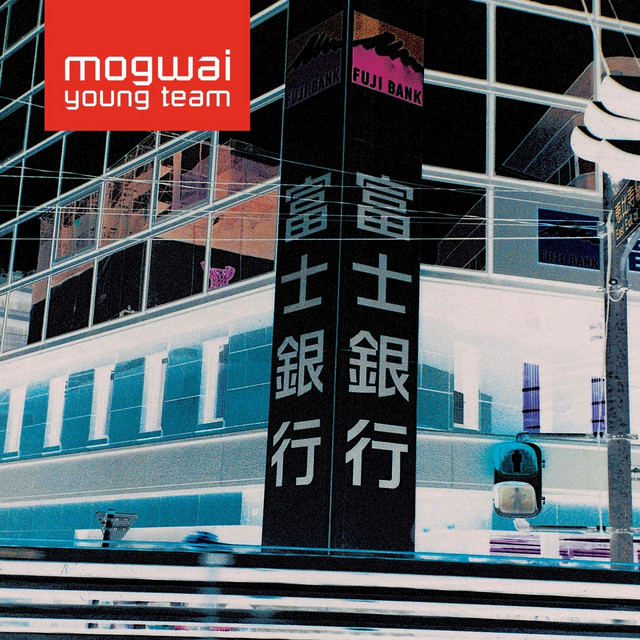
3. Young Team
Mogwai's debut, *Young Team*, felt like discovering a secret language for guitars. It’s post-rock at its most elemental and emotionally devastating, building these immense, wordless narratives through explosive dynamics and quiet, brooding passages. They showed how instrumental music could be more articulate than anything with vocals, crafting epic soundscapes that just swallowed you whole. It wasn't about hooks; it was about the journey, the build-up, the release. Truly formative.
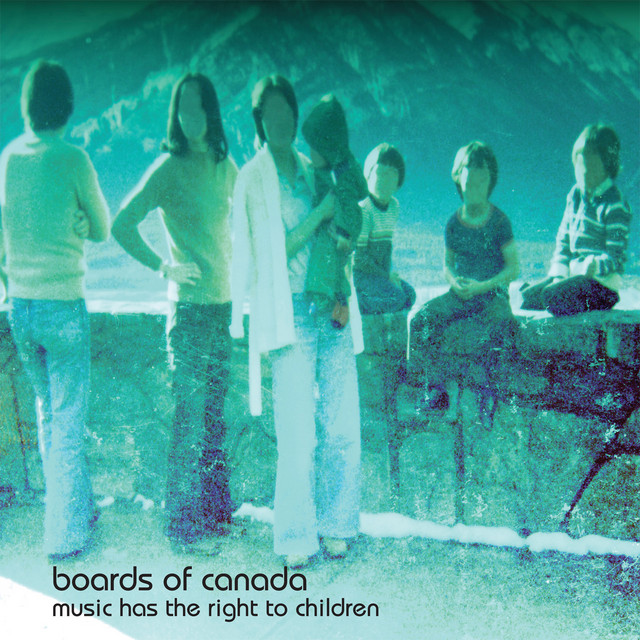
4. Music Has The Right To Children
Boards of Canada's debut was pure sonic nostalgia, but warped and beautiful. They took these dusty, analog synth textures and childhood samples, then filtered them through a haze of IDM and ambient techno. It felt like digging up old VHS tapes, but finding them infused with an alien warmth. The glitchy rhythms and sun-drenched melancholia created a world you just wanted to crawl into, a digital dreamscape unlike anything else. Still evokes that specific, bittersweet feeling.
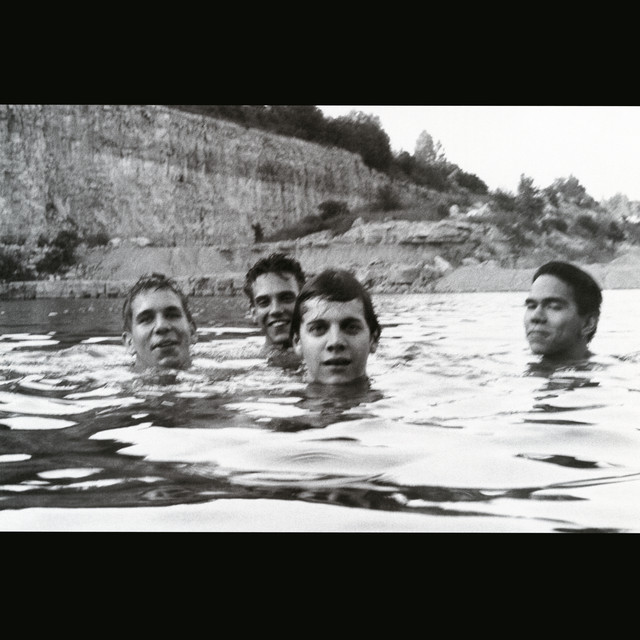
5. Spiderland
Slint's *Spiderland* was a total game-changer for indie and post-hardcore. It felt less like rock music and more like a carefully constructed, angular piece of sonic architecture. The math-rock precision, those spoken-word vocals, and the sheer tension woven into every note — it was unsettling, captivating. This wasn't about catchy choruses; it was about atmosphere, intricate arrangements, and a raw emotional intensity that cut deep. It left an indelible mark, a true cult classic.
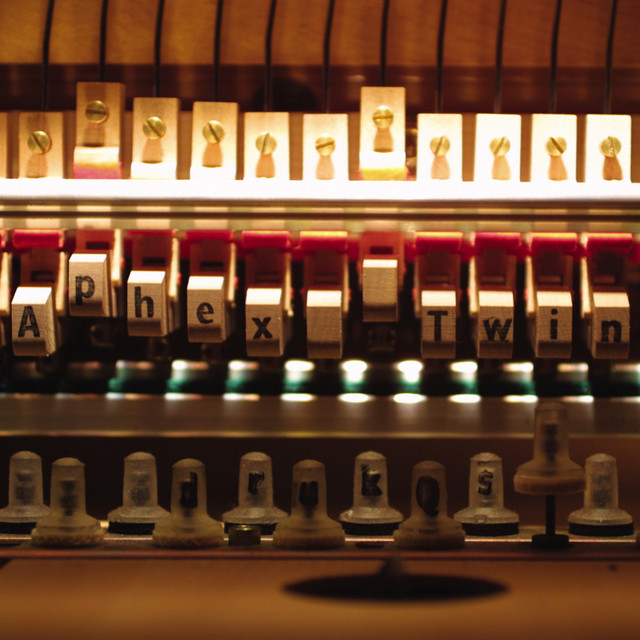
6. Drukqs
Aphex Twin's *Drukqs* was a wild, often jarring, but undeniably brilliant beast. It was a dual assault of hyper-complex, glitchy IDM breakbeats and surprisingly beautiful, almost classical piano pieces. Richard D. James just threw everything at the wall, showcasing his genius for both chaotic electronic programming and delicate melody. It was challenging, sometimes bewildering, but always pushing boundaries, a true testament to the experimental spirit of early 2000s electronic music. Unforgettable.