

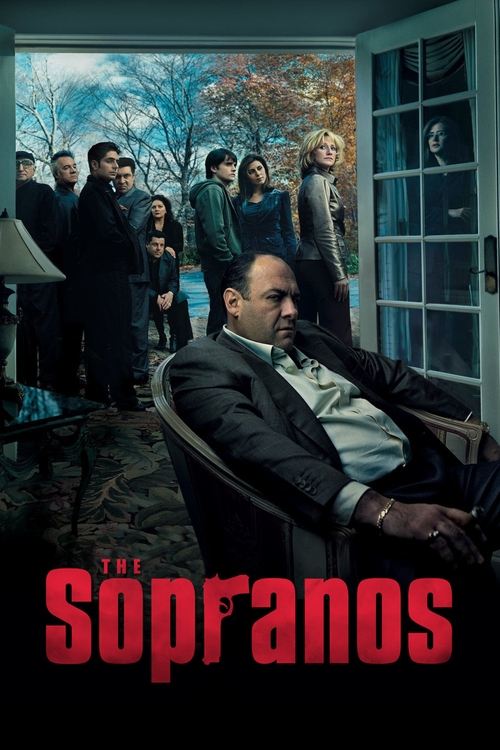
1. The Sopranos
Before Tony, TV was often just plots. This show dug into the psyche of a mob boss, making you empathize and recoil in equal measure. HBO proved that a dark, complex anti-hero and serial storytelling could redefine prestige drama. It wasn't background noise; it was an appointment, a conversation starter, and a masterclass in challenging audience expectations about who deserved our attention.
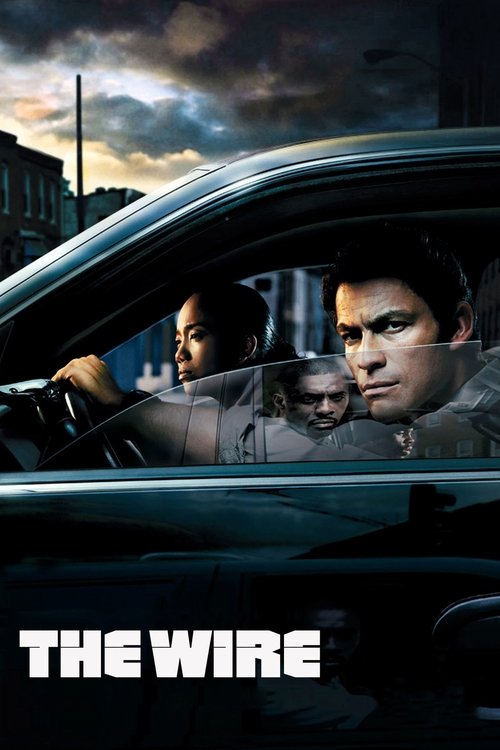
2. The Wire
Forget good guys and bad guys; this was about systems. Baltimore itself became the main character, with every institution — cops, dealers, politicians, schools — meticulously explored through an incredible ensemble. It demanded you pay attention, connecting threads across seasons, building a world so real it felt like a documentary. This wasn't just TV; it was sociological literature in episodic form.

3. Six Feet Under
Death was the starting point, but life was the subject. This show peeled back layers of grief, family dysfunction, and existential dread with a frankness unheard of on television. Each episode began with a death, setting a tone that was both darkly humorous and profoundly moving. It was an intimate, character-driven experience, proving cable could tackle the deepest human questions.
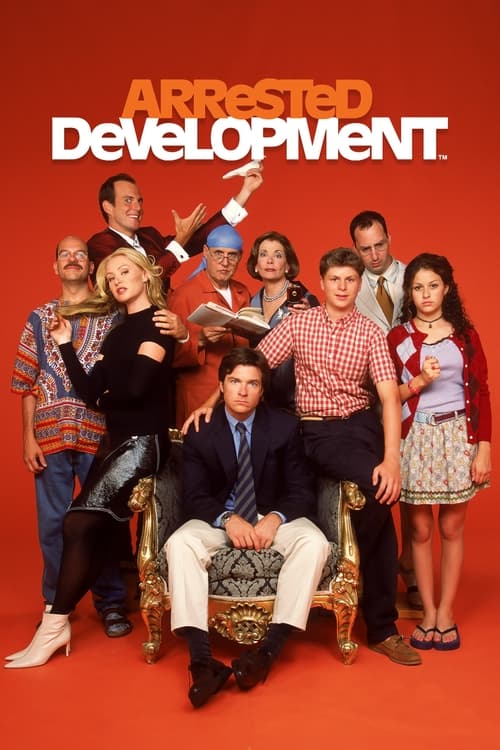
4. Arrested Development
This wasn't just a sitcom; it was a dense, self-referential puzzle box. The mockumentary style, running gags, and constant callbacks rewarded obsessive viewing, practically inventing the idea of rewatching for hidden jokes. It defied traditional network comedy, demonstrating how smart, layered writing could elevate the form, making it a cult favorite and an early binge-watch prototype.
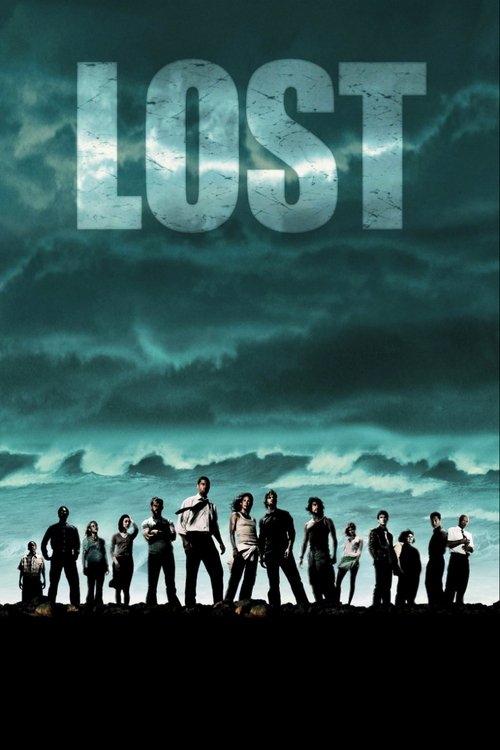
5. Lost
Oceanic Flight 815 crashed, and with it, TV's old rules. This show hooked you with mystery, character flashbacks, and a sprawling, serialized narrative that demanded weekly theorizing. It was cinematic, ambitious, and often maddening, but it proved that complex, long-form storytelling could capture a massive audience, pushing the boundaries of what a network drama could achieve.
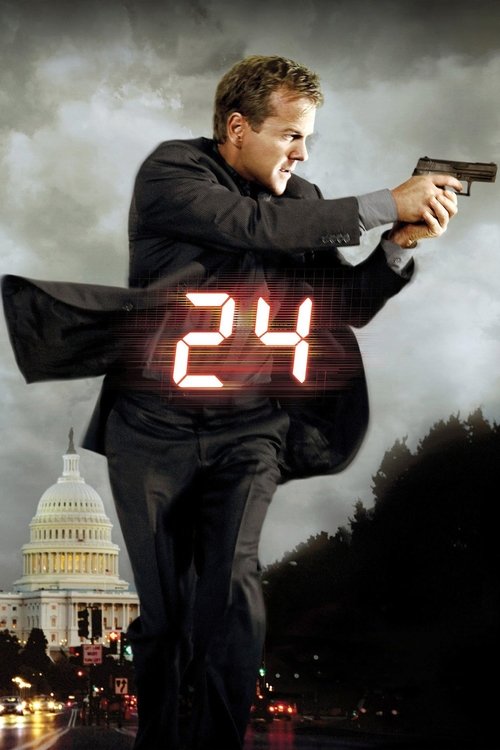
6. 24
"The following takes place between..." and suddenly, real-time storytelling wasn't just a gimmick, it was a heart-pounding innovation. Jack Bauer's impossible days of counter-terrorism set a new bar for tension and continuous narrative. It felt immediate, urgent, and relentlessly paced, making every commercial break feel like a forced, agonizing pause. This was TV as an adrenaline shot.
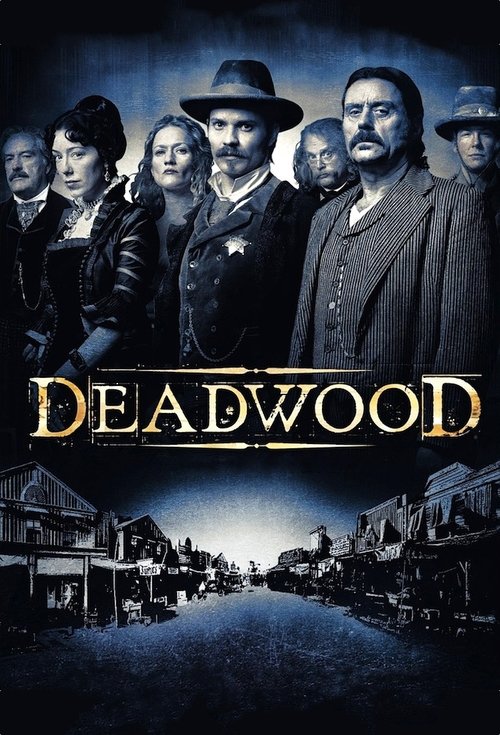
7. Deadwood
A grimy, beautiful, profane epic of the American West, this show proved HBO wasn't afraid to get dirty. The dialogue was Shakespearean in its complexity and vulgarity, the characters unforgettable, and the world-building immersive. It was raw, uncompromised, and demanded your full engagement to unravel its intricate power struggles. A true prestige drama that bucked all conventions.
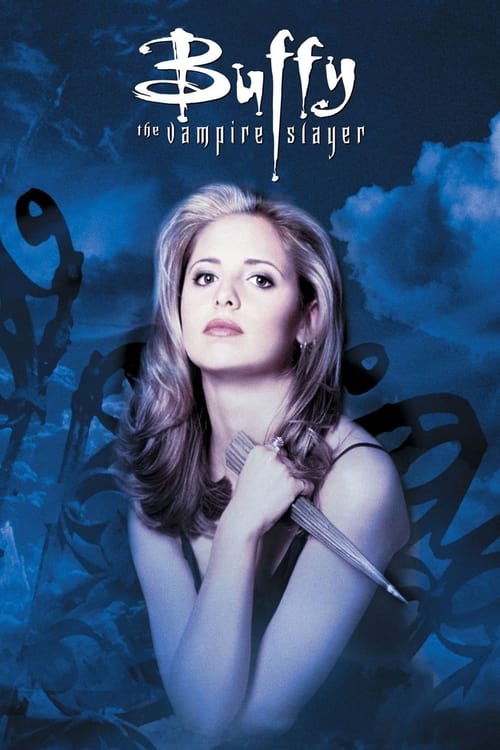
8. Buffy the Vampire Slayer
Don't let the title fool you; this was smart, serialized storytelling hiding behind genre tropes. It explored adolescence, love, loss, and power with wit and genuine emotional depth. The Scooby Gang made you care, and its blend of monster-of-the-week and overarching arcs proved genre TV could be profound, building a loyal fanbase long before "prestige" was a buzzword.
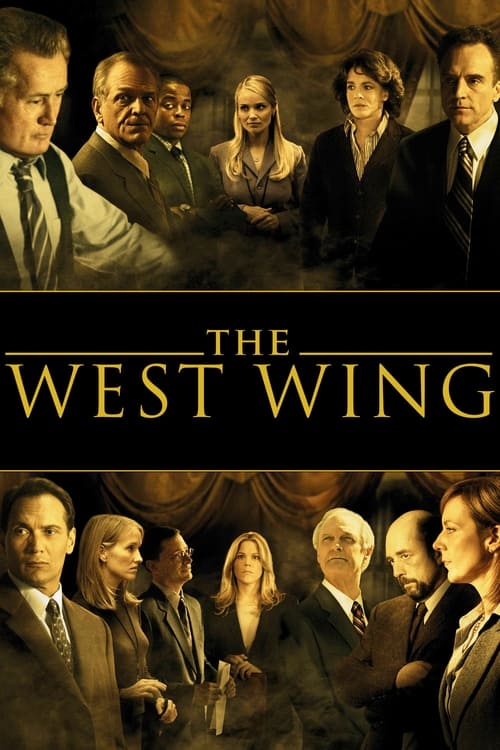
9. The West Wing
This show made politics aspirational, intelligent, and utterly compelling. Its rapid-fire, witty dialogue and "walk-and-talk" style became iconic, drawing viewers into the intricate workings of the White House. It showcased ensemble acting at its peak and proved that smart, optimistic drama could thrive, engaging audiences with complex issues and making them feel smarter for watching.