


1. Affenstunde
Popol Vuh’s "Affenstunde" established an early blueprint for ambient music, far removed from later digital sheen. Florian Fricke’s Moog explorations, alongside Holger Trülzsch’s percussion, crafted a genuinely psychedelic landscape. It felt less like a record and more like a sonic meditation, a deeply personal spiritual journey manifesting through embryonic electronic textures. The analog warmth, the sheer scale of its sound design—all achieved through primitive synthesis and tape manipulation—remains utterly mesmerizing. It’s a testament to pre-MIDI ingenuity, forging new pathways in sound.
2. Grauzone
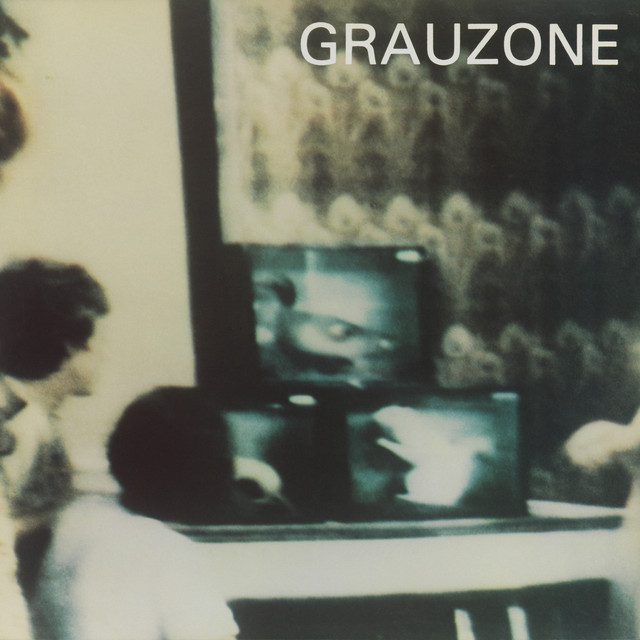
When Grauzone’s self-titled album hit, it was a stark, angular revelation. This Swiss outfit perfected a brand of minimalist coldwave, blending detached vocals with skeletal drum machines and icy synthesizers. Its production, raw and unpolished, emphasized atmosphere over virtuosity, channeling a distinct post-punk malaise. And yet, there was a peculiar, almost danceable rhythm beneath the gloom. This wasn't merely 'darkwave'; it was a meticulously constructed sonic environment, echoing the urban alienation of its time through analog circuitry and sparse arrangement.
3. Red Mecca
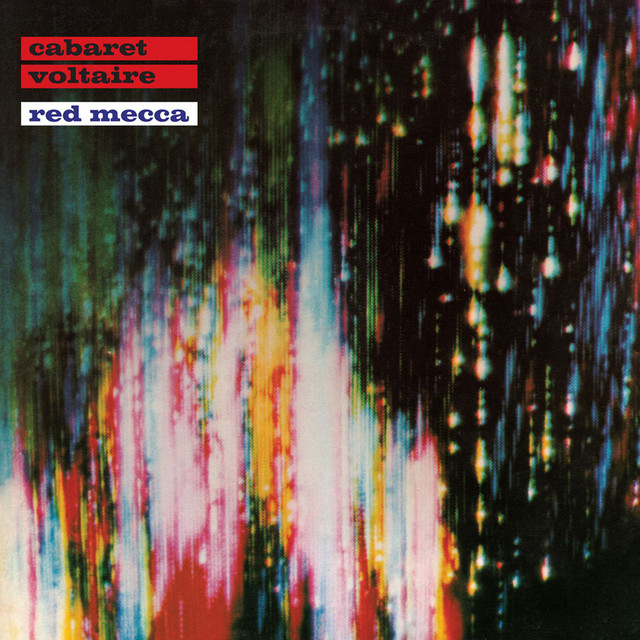
Cabaret Voltaire's "Red Mecca" was a visceral assault, a masterclass in industrial rhythm and disorienting texture. They took tape loops, found sounds, and primal drum machines, then processed them through a grimy, pre-digital signal chain, creating something aggressively percussive and deeply unsettling. This wasn't music for passive listening; it was an immersive, almost confrontational experience. Its urban decay aesthetic and fractured funk rhythms laid crucial groundwork for later industrial and even early techno experiments, all forged in the analog crucible of Sheffield.

4. Deceit
This Heat’s "Deceit" stands as a monumental post-punk statement, a challenging, intricate tapestry woven from art-rock deconstruction and rhythmic intensity. Their approach was utterly uncompromising, layering unsettling vocal chants over complex, often discordant instrumental passages. The analog recording process captured every nuance of their meticulous, yet spontaneous, sound collages. It was an intellectual exercise in sonic tension, a prophetic vision of geopolitical dread and internal conflict, delivered with a precision that belied its apparent chaos.
5. Memory Serves
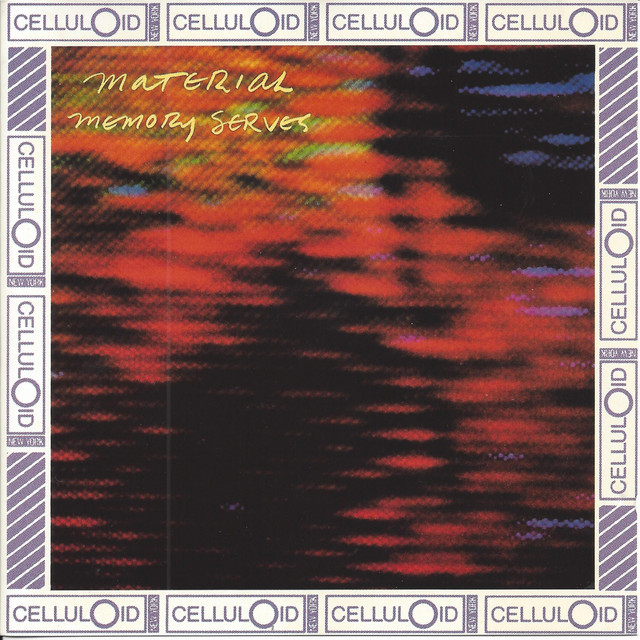
Bill Laswell's Material, particularly on "Memory Serves," exemplified the boundary-shattering spirit of early 80s New York. This was jazz-fusion stripped of its smooth edges, infused with no-wave aggression, funk's rhythmic swagger, and early hip-hop's nascent attitude. The grooves were dense, the textures often angular, and the improvisational spirit palpable. And yet, it maintained a structural integrity, a sense of purpose. It truly demonstrated how far analog recording techniques could push the envelope of genre synthesis.

6. The Vibe Bomb Dropped Remix
Imagine a track from this era, deconstructed and reassembled purely on tape. The 'Vibe Bomb Dropped Remix' would involve stretching, chopping, and re-pitching magnetic tape, feeding it through analog delays and spring reverbs. It's about finding that raw, unquantized swing, pushing the console to saturation, and letting the artifacts of the process become part of the groove. This isn't about perfect timing, but about capturing an organic, often accidental, energy—a true pre-digital re-imagining that detonates on impact.