1. Homicide: Life on the Street
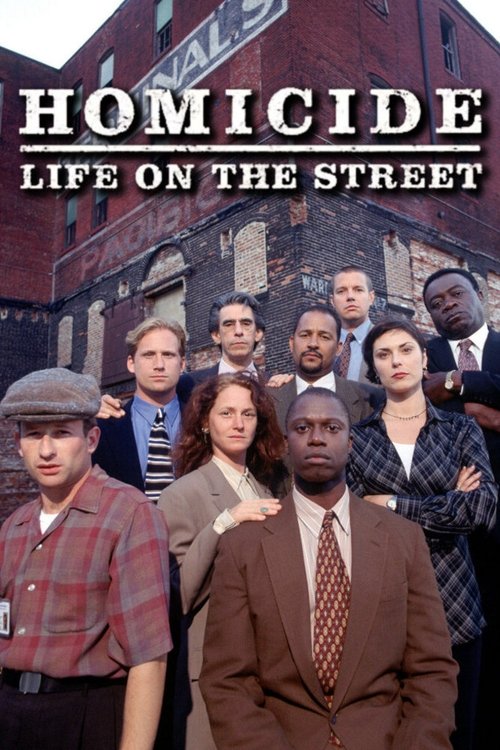
Before *The Wire*, there was *Homicide*. This show, starting in '93, redefined the police procedural. It ditched neat resolutions for messy, character-driven narratives, shot with a handheld, almost documentary style. The ensemble cast felt genuinely lived-in, grappling with the psychological toll of the job. It proved that TV could be as complex and unglamorous as real life, laying groundwork for future prestige dramas without ever getting the same mainstream hype.
2. The Larry Sanders Show
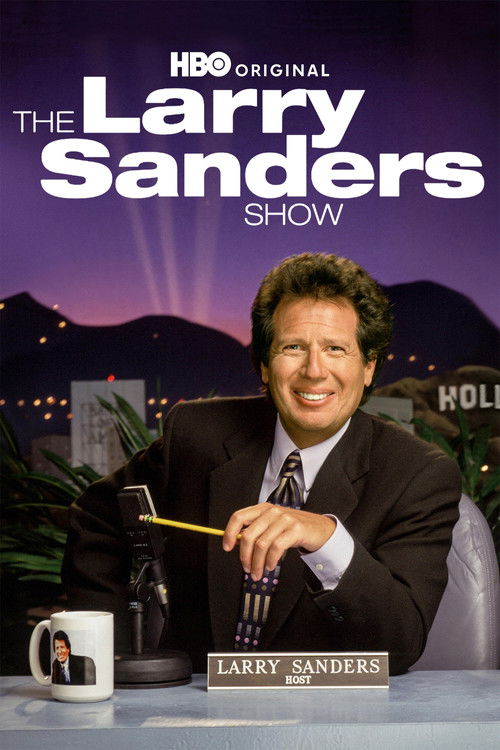
Garry Shandling's *Larry Sanders*, kicking off in '92, was a masterclass in meta-comedy. It pulled back the curtain on late-night TV with an unflinching, often uncomfortable, mockumentary style. This wasn't just jokes; it explored ego, insecurity, and the absurdity of fame with brutal honesty. It legitimized the idea that TV could be both hilarious and deeply insightful, a precursor to the single-camera, no-laugh-track comedies that followed.
3. Sports Night
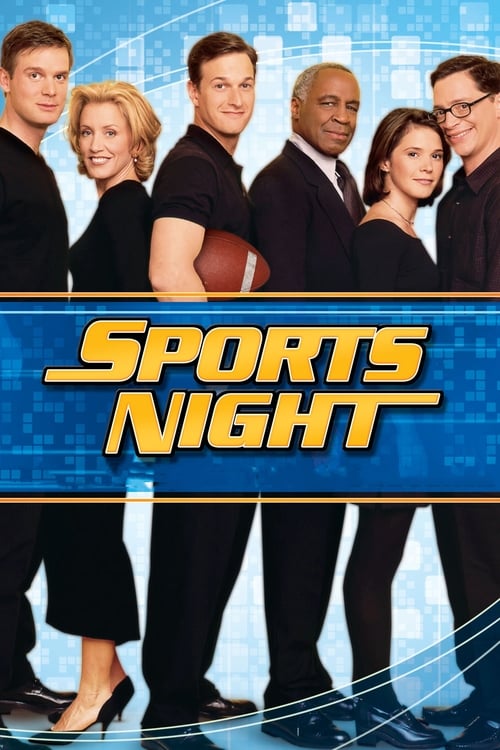
Aaron Sorkin's *Sports Night*, from '98, felt like a live theatrical performance trapped in a sitcom's skin. Its signature rapid-fire, intellectual dialogue, and walk-and-talks were already in full swing. It was an early example of a show blending sharp comedy with genuine workplace drama, making you care deeply about the behind-the-scenes crew of a sports news show. It never quite found its audience, but its influence on serialized, dialogue-driven prestige TV is undeniable.
4. Babylon 5
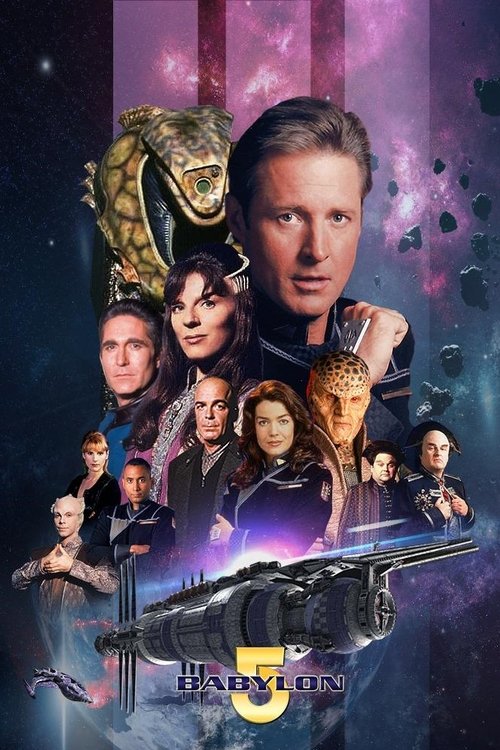
*Babylon 5*, premiering in '94, was ambitious sci-fi that dared to tell a story with a five-year arc from day one. In an era of episodic TV, this was revolutionary. It built a complex universe, tackled mature themes, and embraced serialized storytelling before it was common. Despite its limited budget, it achieved cinematic scope and proved that television could sustain epic, long-form narratives, shaping the landscape for future genre shows.

5. Six Feet Under
HBO's *Six Feet Under*, arriving in '01, cracked open the morbid and made it beautiful. Centered on a family running a funeral home, it explored death, grief, and life's absurdities with unflinching honesty and dark humor. Its serialized, character-driven drama, combined with surreal touches, felt deeply personal and profound. This was peak early-2000s HBO, showing how cable could push boundaries and tell stories network TV wouldn't touch.
6. The Shield
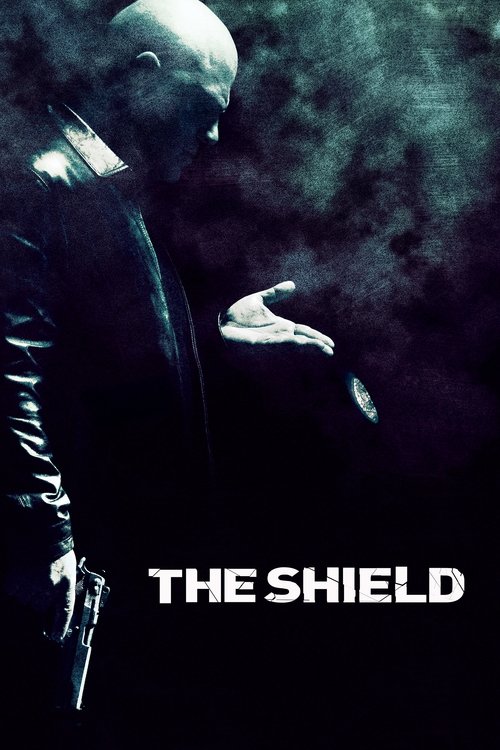
*The Shield*, bursting onto FX in '02, introduced the anti-hero to a new generation. Vic Mackey wasn't just flawed; he was often monstrous, yet you couldn't look away. This was raw, aggressive, serialized crime drama that pushed boundaries with its moral ambiguity and unflinching violence. It cemented FX as a player in the cable drama game, proving that audiences were ready for complicated characters and narratives that challenged their perceptions of justice.
7. Carnivàle
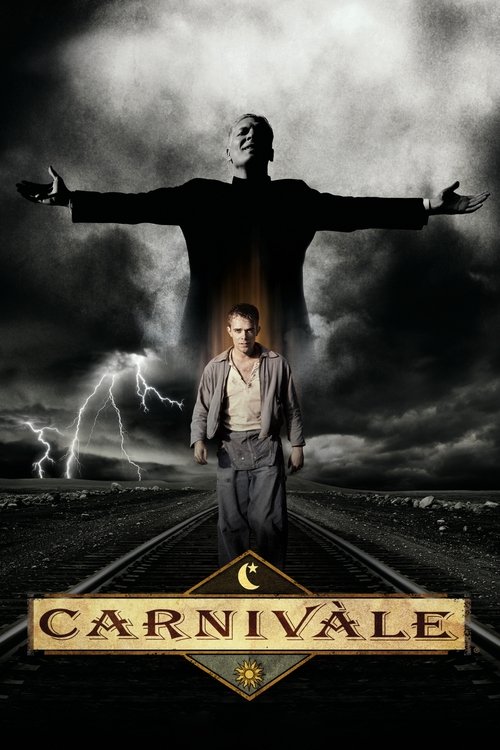
*Carnivàle*, HBO's audacious '03 offering, was a visual feast and a narrative enigma. Set during the Great Depression, this dark, atmospheric series wove together mythology, religion, and the supernatural. Its cinematic scope and intricate, heavily serialized plot were unlike anything else on TV. While it didn't complete its intended arc, its sheer ambition, stunning production design, and willingness to embrace the surreal pushed the envelope for premium cable drama.
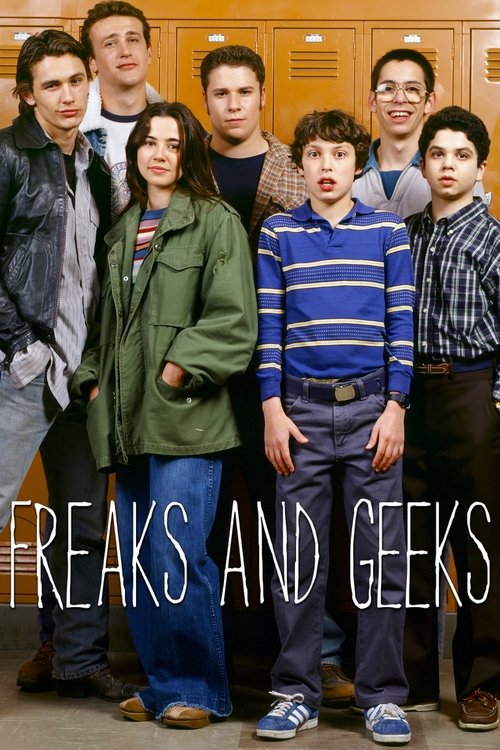
8. Freaks and Geeks
Though tragically short-lived, *Freaks and Geeks*, premiering in '99, perfected the coming-of-age story. It captured the awkward, painful, and hilarious reality of high school with an authenticity rarely seen. Eschewing laugh tracks and easy answers, its single-camera, naturalistic style felt revolutionary. It launched careers and set a new standard for character-driven comedy-drama, proving that niche, heartfelt stories could resonate deeply, even if they didn't get network support.