
1. The Vanishing
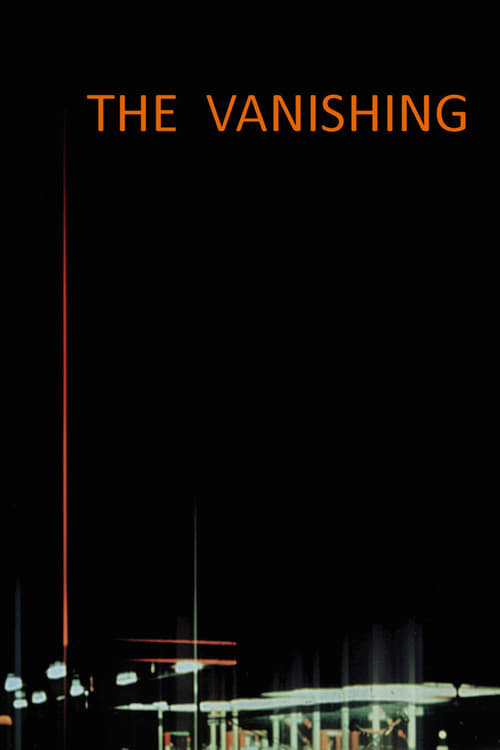
George Sluizer's original *Spoorloos* remains a masterclass in psychological dread. It isn't merely a mystery; it’s an unsettling descent into obsession, exploring the chilling pathology of both hunter and prey. Rex Hofmann’s relentless search for his vanished girlfriend leads to a conclusion so uniquely disturbing, it leaves an indelible mark on the psyche. This Dutch-French thriller eschews cheap scares for an intellectual terror, dissecting the human capacity for evil with surgical precision. A profound, unforgettable cinematic experience.
2. Harold and Maude
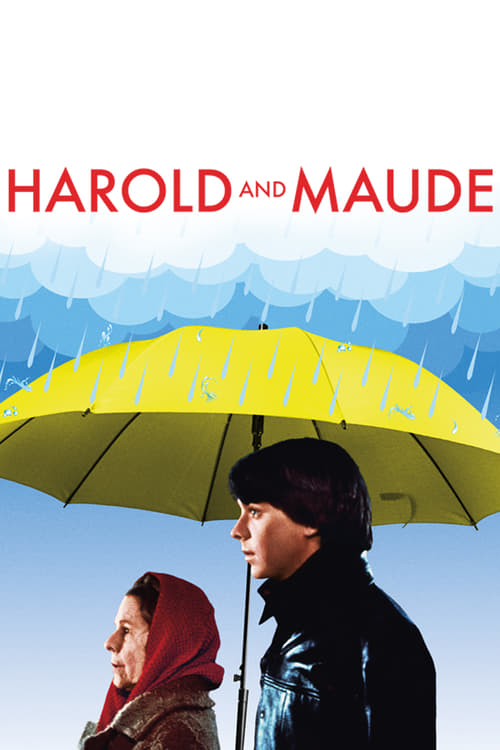
Hal Ashby's *Harold and Maude* defies easy categorization, weaving a poignant, darkly comedic tapestry of life, death, and unconventional love. The idiosyncratic romance between a death-obsessed young man and a vivacious octogenarian challenges societal norms, celebrating individuality with an infectious, if morbid, charm. It’s a profound meditation on finding joy amidst despair, underscored by a timeless Cat Stevens soundtrack. This film remains a testament to embracing life's fleeting, peculiar beauty.
3. Brazil
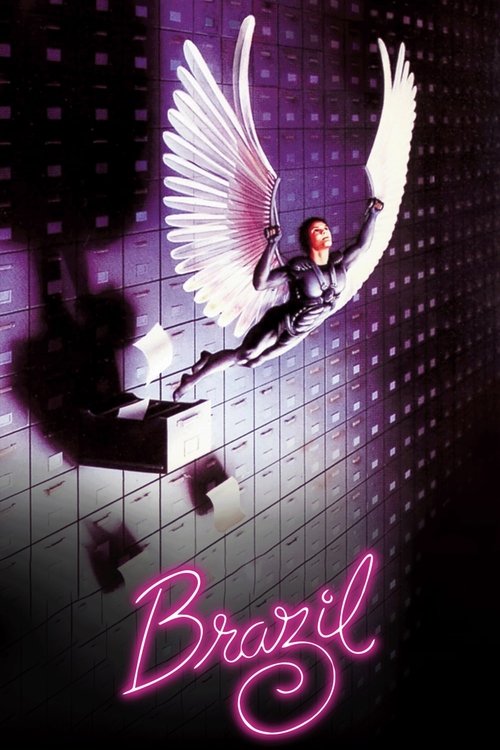
Terry Gilliam’s *Brazil* stands as a monumental work of dystopian satire, a bureaucratic nightmare wrapped in a visually extravagant, darkly comedic package. This 1985 masterpiece critiques unchecked technological ambition and dehumanizing systemic control with a surreal, dreamlike logic. Its protagonist, Sam Lowry, navigates a labyrinthine, absurd world, seeking escape and romance, yet ultimately confronting the crushing weight of institutional oppression. A profound, prescient reflection on freedom and imagination.
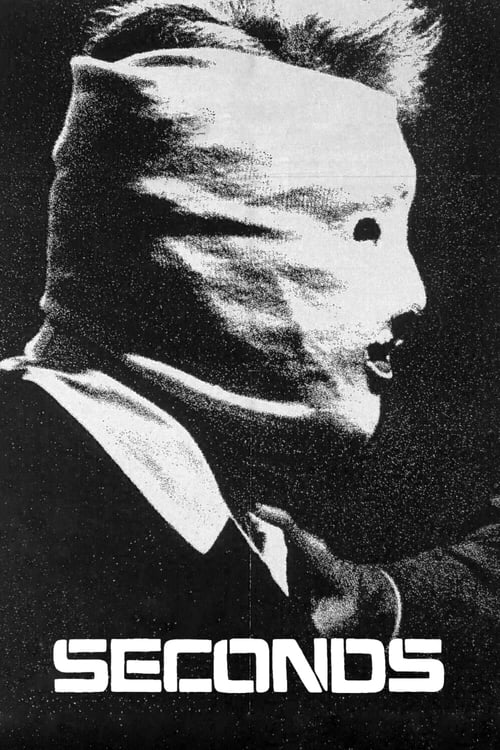
4. Seconds
John Frankenheimer’s *Seconds* plunges audiences into a chilling existential nightmare, a paranoid mid-century sci-fi thriller that dissects the American dream’s hollow core. Rock Hudson delivers a career-defining performance as a man given a second chance at life, only to discover a meticulously constructed, yet utterly sterile, façade. It’s a searing commentary on identity, alienation, and the insidious nature of control, rendering a palpable sense of dread through its bold, experimental cinematography and deeply unsettling narrative.
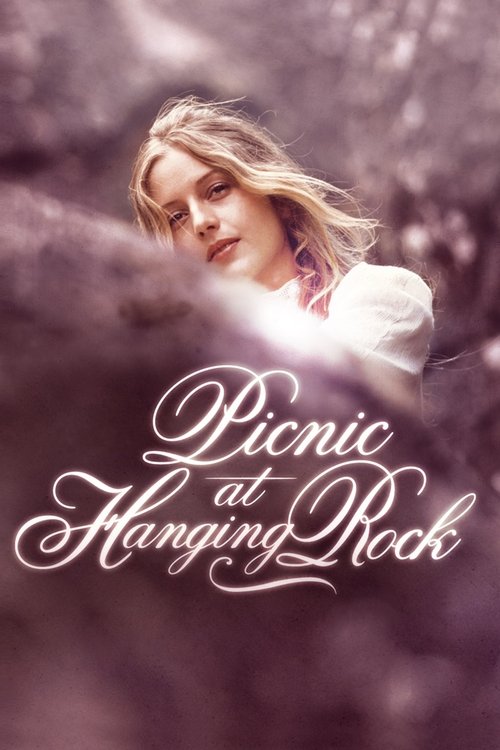
5. Picnic at Hanging Rock
Peter Weir's *Picnic at Hanging Rock* is less a mystery to be solved and more an atmospheric, hypnotic experience. Its 1975 rendition evokes a haunting, languid sensuality as schoolgirls vanish into the Australian landscape, leaving behind an inexplicable void. The film masterfully uses sound and imagery to create an ethereal, dreamlike quality, reflecting themes of repressed sexuality, colonial unease, and the indifferent power of nature. It's a film that lingers, unsettlingly beautiful.

6. A Face in the Crowd
Elia Kazan’s *A Face in the Crowd* is frighteningly prescient, a stark 1957 drama that foretold the dangers of media manipulation and populist demagoguery. Andy Griffith’s performance as Lonesome Rhodes, a charismatic hobo turned television sensation, is electrifyingly complex and terrifying. The film dissects how easily charisma can be weaponized for power, reflecting on the intoxicating allure of celebrity and its corrupting influence on both individuals and the democratic process. A timeless, chilling societal mirror.