1. Omikron: The Nomad Soul
Omikron: The Nomad Soul was an audacious experiment. Back in 1999, it blended adventure, fighting, and rudimentary FPS mechanics into a sprawling cyberpunk world, long before "open world" became a buzzword. It's remembered for its ambitious scope, the early Quantic Dream narrative leanings, and David Bowie's involvement. This game pushed boundaries, showcasing a vision for interactive storytelling and genre fusion that was far ahead of its time, subtly influencing game design thereafter.
2. Beyond Good & Evil - 20th Anniversary Edition
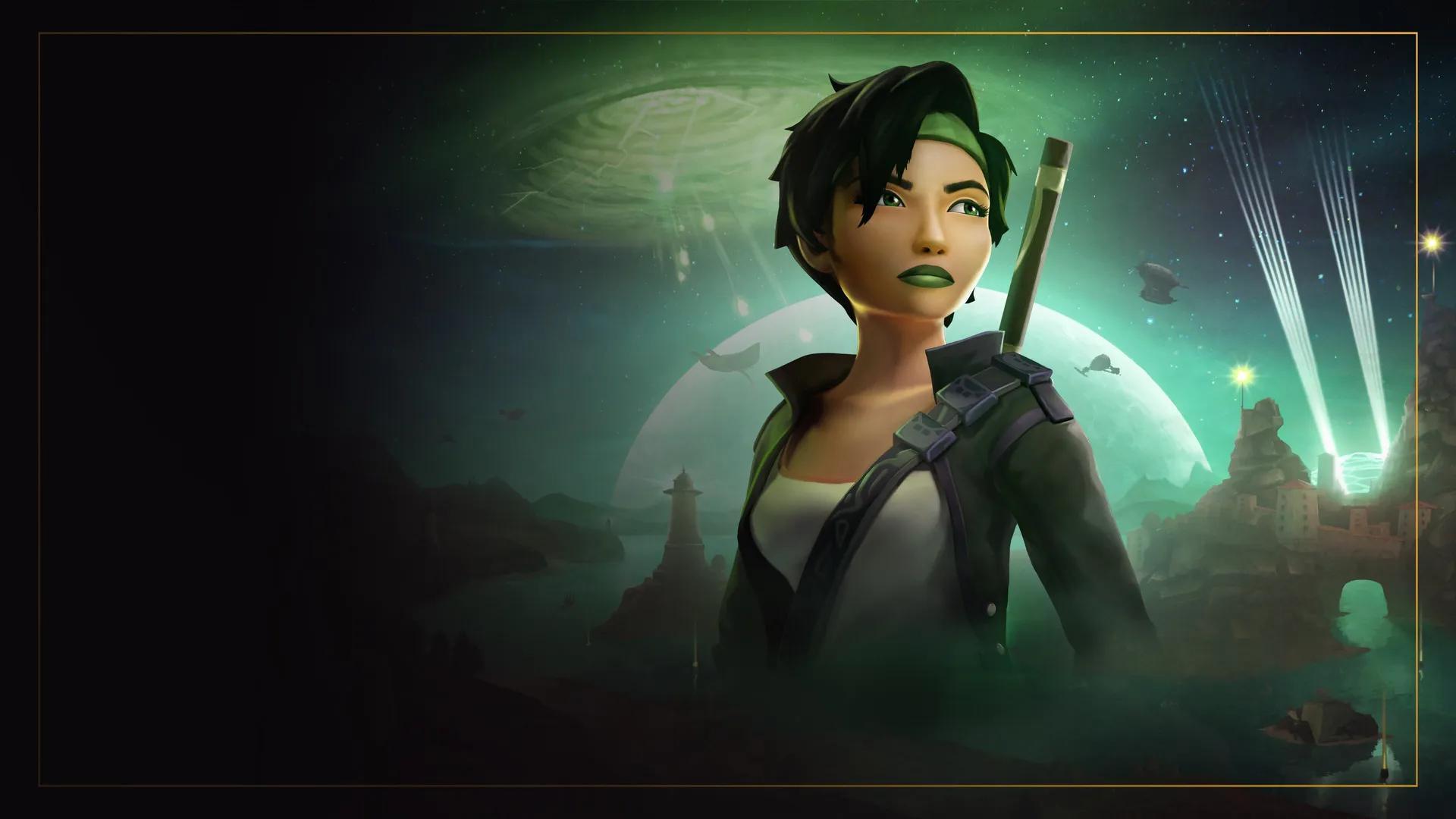
The original *Beyond Good & Evil* was a critical darling that never found its mainstream audience, a genuine injustice. This *20th Anniversary Edition* reminds us why. It combined thoughtful puzzle-solving, stealth, and a compelling narrative with a distinctive art style. Jade’s photographic journalism and fight against propaganda felt remarkably prescient, creating a nuanced, character-driven adventure that quietly set a high bar for environmental storytelling and emotional depth in games.
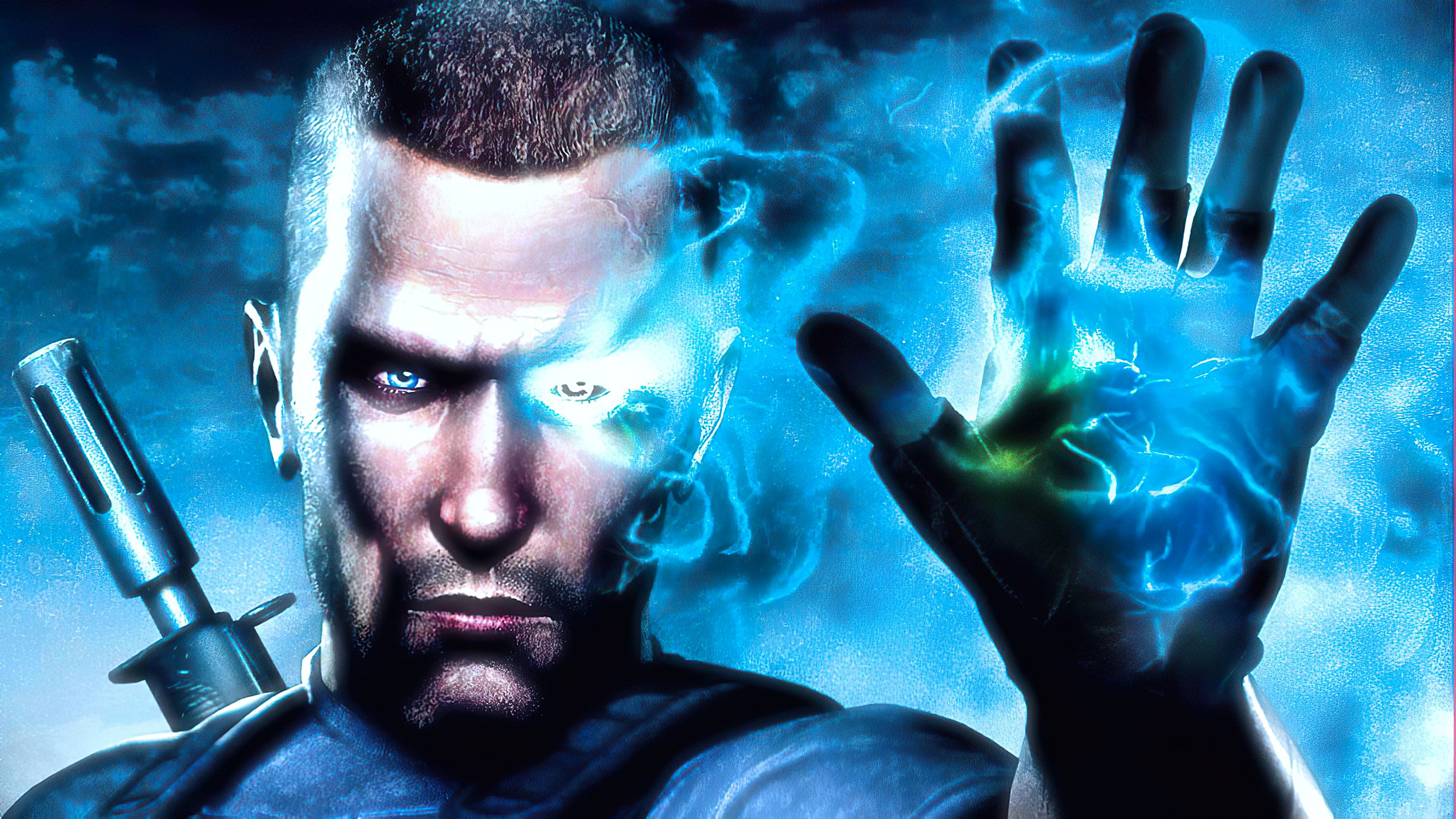
3. Psi-Ops: The Mindgate Conspiracy
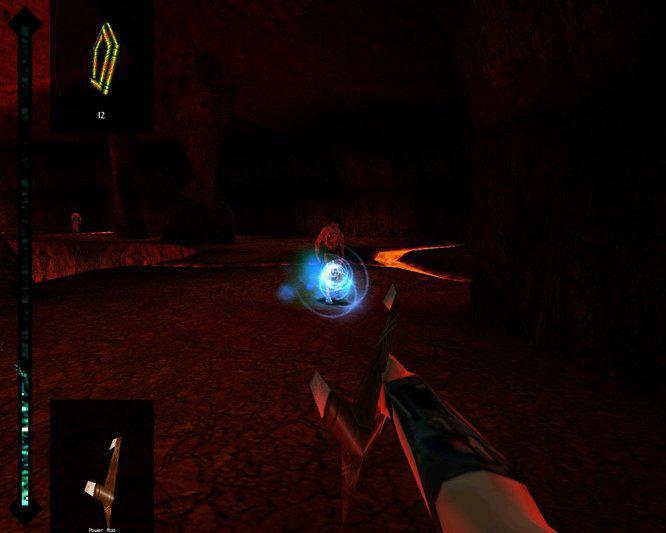
Psi-Ops was a sleeper hit that demonstrated the sheer fun of physics-based powers. Released in 2004, it married third-person shooting with telekinetic abilities, letting players manipulate environments and enemies with unprecedented freedom. Ragdoll physics weren't just a novelty; they were core to the gameplay loop, enabling creative combat solutions. This game proved that powers, when integrated smartly with level design, could fundamentally alter and elevate the shooter experience, an idea many have since adopted.

4. Fahrenheit (Indigo Prophecy)
Known as *Indigo Prophecy* in North America, *Fahrenheit* truly pioneered the "interactive drama" genre for a wider audience. David Cage's early work here established many of the narrative and quick-time event conventions that would define Quantic Dream's subsequent titles. It was a bizarre, ambitious thriller that prioritized player choice and consequence, even if the plot eventually spiraled. Its focus on cinematic presentation and branching narratives profoundly influenced how many developers approached storytelling in games.
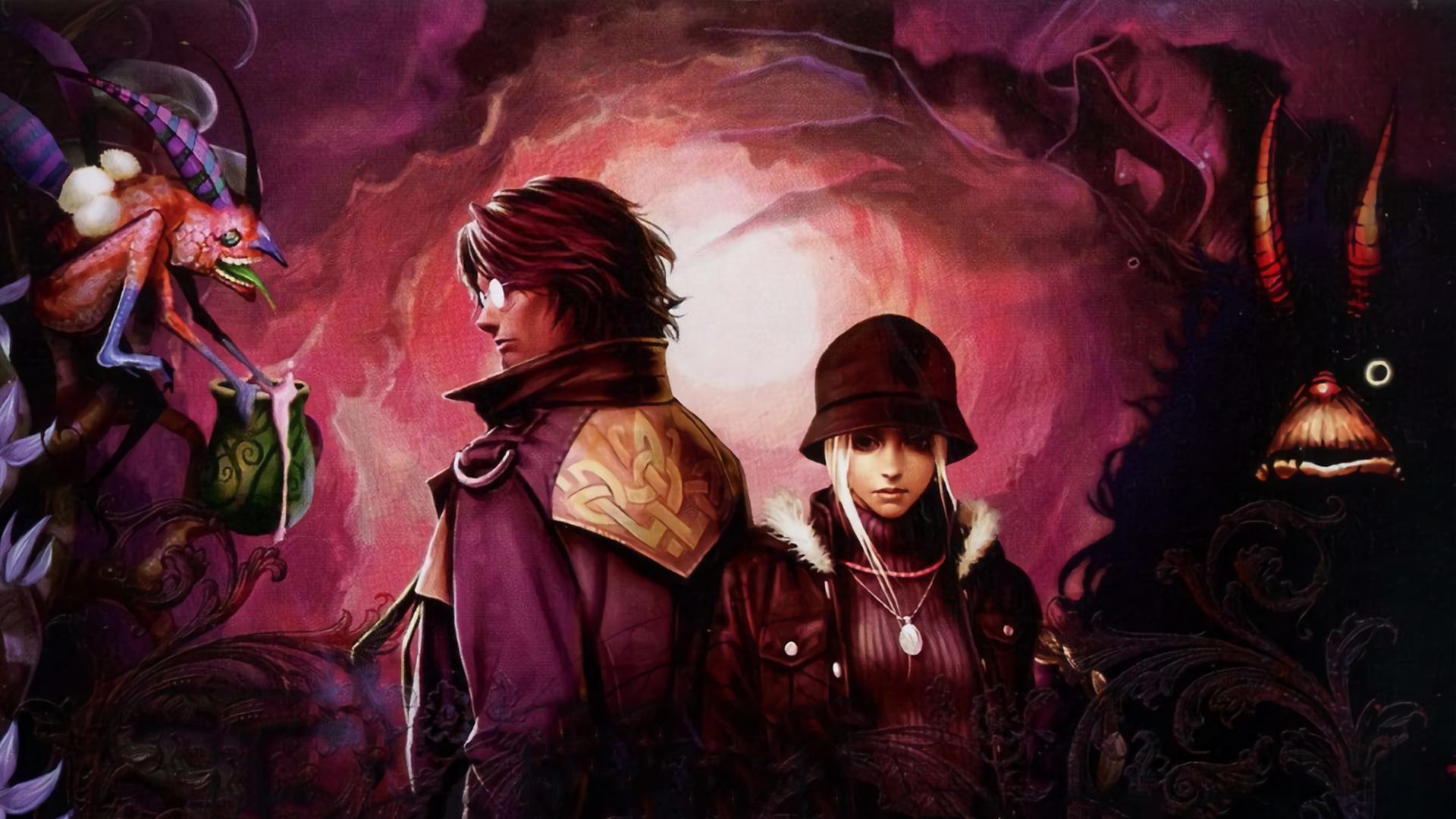
5. Folklore
This PlayStation 3 launch-era title was a unique blend of dark fantasy and action RPG mechanics, drawing heavily from Irish folklore. Its striking art direction and the innovative "soul-capture" combat system, where you literally absorb enemy spirits, gave it a distinct identity. While it didn't ignite sales charts, *Folklore* offered a refreshing take on character progression and world-building, proving that imaginative thematic choices could still carve out a memorable niche, even in a crowded market.
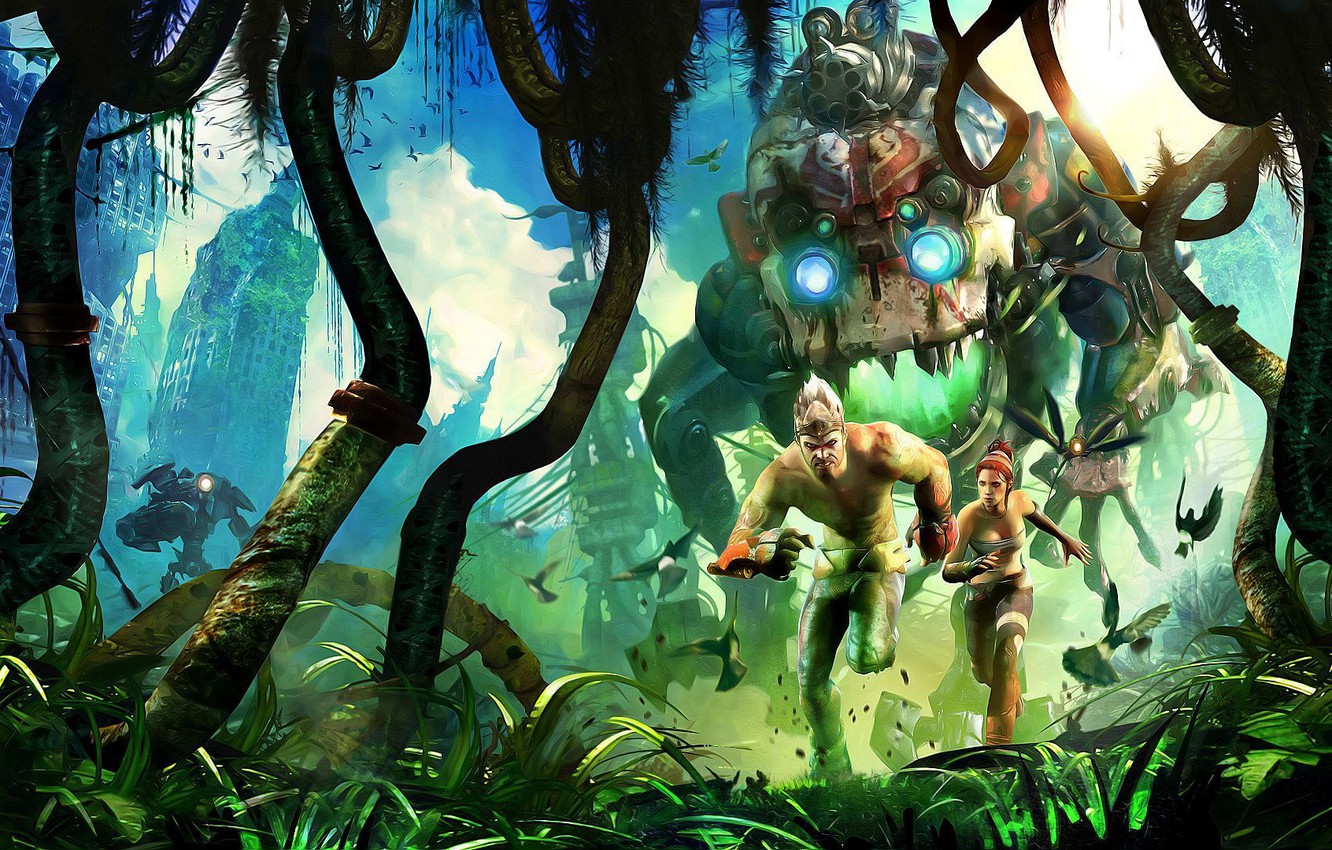
6. Enslaved: Odyssey to the West
Enslaved: Odyssey to the West was a beautifully crafted post-apocalyptic adventure, loosely inspired by *Journey to the West*. It centered on a compelling relationship between its two protagonists, Monkey and Trip, emphasizing teamwork and platforming over brute force. Ninja Theory delivered stunning visuals and animation, alongside a surprisingly heartfelt narrative. While not a blockbuster, its focus on character dynamics, accessible combat, and environmental storytelling left a quiet, lasting mark on how linear action games could prioritize emotional engagement.