

1. Da Fonk (feat. Joni)
This track, a mythical beast perhaps, embodies the intricate rhythmic tapestry we sought in the late seventies. Its bassline, likely a pre-MIDI analogue synth or a perfectly EQ'd Fender, locks with a drummer displaying absolute pocket control. And Joni's vocal contribution? It wouldn't be a mere cameo, but an interwoven, ethereal layer, pushing the harmonic boundaries into that sophisticated jazz-fusion space, drenched in spring reverb and tape delay. A testament to pure studio alchemy.

2. Blue Monday
New Order's definitive statement, a stark, propulsive machine. That Oberheim DMX drum machine isn't just a rhythm section; it's the cold, unfeeling heart of the track, driving an almost industrial momentum. The layered analogue synthesizers—Prophet-5 and Moog Source—create a vast, melancholic soundscape, while Hooky's bassline anchors the entire, ambitious 12-inch narrative. It wasn't just dance music; it was a blueprint for an electronic future, built brick by analogue brick.
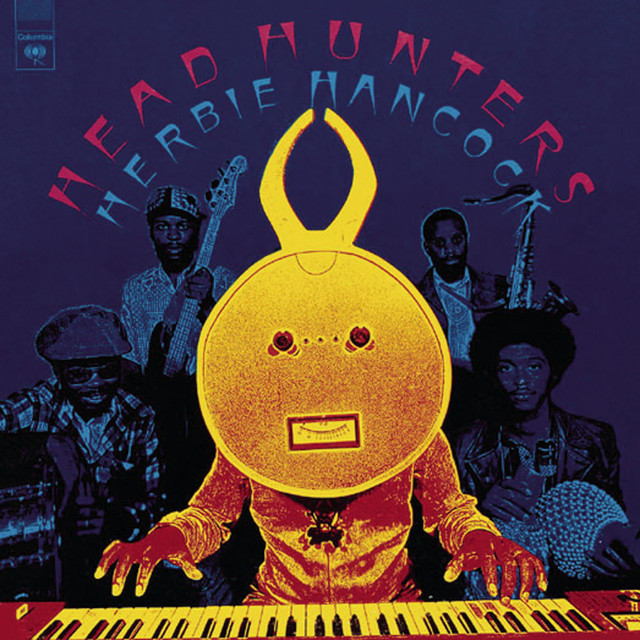
3. Head Hunters
Herbie Hancock, in '73, didn't just fuse jazz and funk; he detonated them. The Clavinet riff on "Chameleon" remains an eternal groove, a masterclass in rhythmic precision and analogue grit. But it's the interplay of acoustic drums with the ARP Odyssey and Fender Rhodes, processed through tape machines and early compression, that truly defined its innovative spirit. This wasn't merely improvisation; it was a meticulously crafted, deeply felt sonic experience, a benchmark for warmth and complexity.
![Born Under Punches (The Heat Goes On) [Dub Version]](https://i.scdn.co/image/ab67616d0000b273409c50606e9d446eb2789322)
4. Born Under Punches (The Heat Goes On) [Dub Version]
Talking Heads, but filtered through the rhythmic sensibilities of Eno and Byrne's studio experimentation. This dub version strips away the conventional, emphasizing space and the percussive elements—those interlocking guitar stabs and a bassline that dances on the edge of chaos and control. The analogue delays and spring reverbs aren't just effects; they are instruments themselves, stretching the sound into an architectural, almost industrial landscape. It’s a masterclass in sonic deconstruction.
5. Planet Rock
A veritable atom bomb dropped on the nascent hip-hop scene. The sheer audacity of the Roland TR-808 drum machine, unadorned and unapologetic, laid bare the future of rhythm. Those Kraftwerkian synth lines, likely an ARP or Jupiter, coupled with the vocoder's alien pronouncements, sounded like nothing before it. It wasn't just a record; it was a declaration, demonstrating the raw, untamed power of electronic instrumentation to forge entirely new forms of cultural expression.
6. A Forest
The Cure's quintessential early gloom, painted with vast, echoing strokes. The prominent, driving bassline provides a relentless, almost hypnotic foundation, upon which Robert Smith’s guitar weaves its signature melancholic, flanged tapestry. The analogue delays and reverbs aren't just ambiance; they construct an entire sonic cathedral of dread, transforming a simple arrangement into something monumental and deeply atmospheric. It proved that sonic space, sculpted with precision, could be as impactful as any melody.