
1. The Twilight Zone
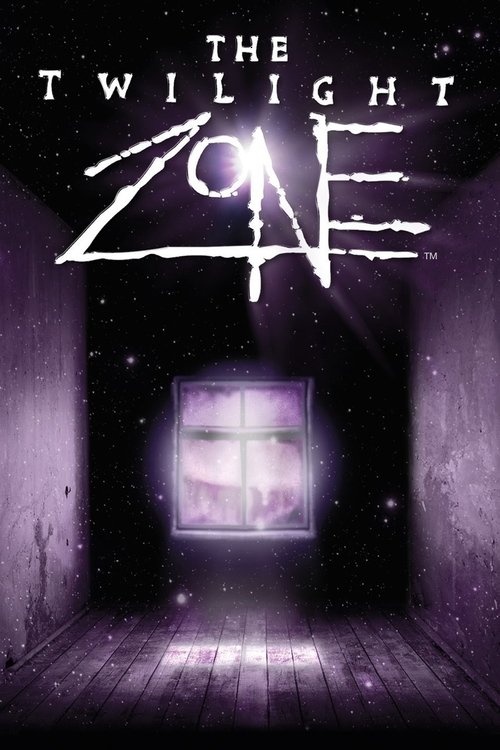
Rod Serling brought us stories that stuck with you, didn't he? And often in stark black-and-white, too, which only added to the chill. It wasn't just science fiction; these were morality plays, little anthologies that dared to ask big questions. The live television feel, even when filmed, lent an urgency. You never knew what twisted ending awaited, and the actors truly earned their pay in those tense, often isolated, scenarios. A real testament to imaginative storytelling.
2. I Love Lucy
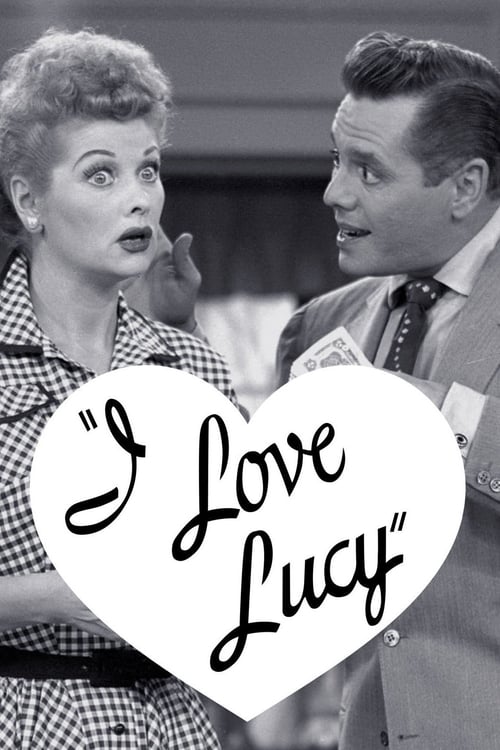
Now, that's what you call a show! Lucille Ball was a force of nature, and the live studio audience just ate it up. They practically invented the sitcom as we know it, with those precise camera movements and seamless transitions. And the physical comedy, oh, the timing! You could practically feel the electricity in the room. It was live performance polished to a gleam, but you always sensed that thrilling edge, that anything could happen, even when it was choreographed to perfection. Television magic, pure and simple.

3. The Ed Sullivan Show
Sunday nights meant Ed Sullivan, and you just had to tune in. It was a true variety show, a grand circus act on your screen. One minute you had a high-wire performer, the next The Beatles, then a comedian. And it was all happening *right now*. There were flubs, sure, but that was part of the charm, part of the grit. Ed himself wasn't the flashiest host, but he anchored it all. A live television institution, bringing a whole nation together for an hour of unpredictable entertainment.
4. Playhouse 90
Before movies dominated, we had the anthology dramas, and 'Playhouse 90' was the king. Ninety minutes, live, often with powerful, original scripts and big-name actors giving their all. This wasn't quick cuts; this was sustained performance, like watching a stage play unfold in your living room. The sheer scale of it, the ambition to tell such complex stories in one go, on the fly, was something else. It showed you what television could truly be: a medium for serious, gripping drama.

5. The Fugitive
Richard Kimble, a doctor on the run! This was one of the first shows to truly grasp long-form continuity, building suspense week after week. You were invested in his plight, always hoping he’d clear his name. It had that black-and-white melodrama feel, heightened by the constant chase. Each episode felt like a chapter, but the overarching story kept you glued. A groundbreaking step for serialized drama, proving television could build a compelling narrative across years, not just isolated incidents.

6. Dragnet
Just the facts, ma'am. Jack Webb's Sergeant Friday was a no-nonsense kind of fellow, and the show mirrored that. It was a procedural before we even had the word, laying out the case, the investigation, the resolution, all with a distinct, almost documentary feel. Those close-ups, that direct address to the camera, it was gritty and immediate. And the black-and-white only added to the stark reality they were trying to portray. Efficient, effective storytelling, without any wasted motion.

7. All in the Family
Archie Bunker, what a character! This show took the sitcom format and turned it on its head, tackling topics nobody else dared touch. The arguments felt real, often uncomfortably so. And with that live studio audience, you heard every gasp, every laugh, every moment of stunned silence. It was raw, honest, and sometimes messy, but that was its power. It showed that television could not only entertain but also provoke thought and conversation right in your own living room.
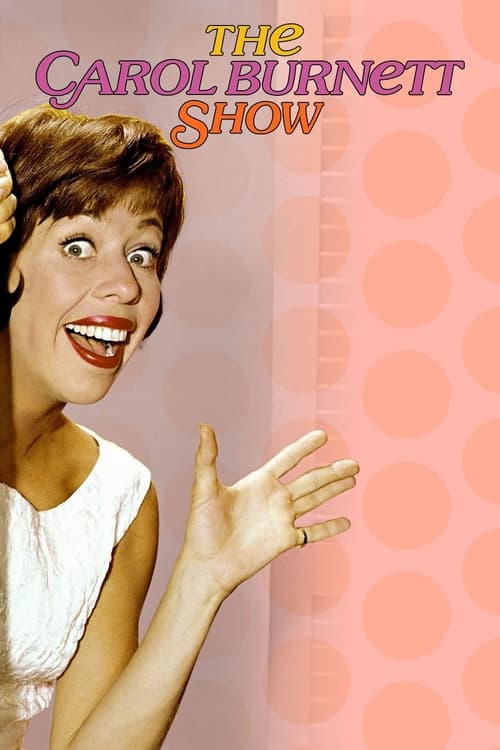
8. The Carol Burnett Show
Carol and her gang were masters of sketch comedy, always pushing the envelope for laughs. You always got the sense that they were having an absolute blast, and that energy was infectious. And when they broke character, which happened more often than not, it just added to the fun. It felt live, immediate, and utterly joyous. A true variety and sketch institution, proving that spontaneity and genuine humor could carry an entire hour of television, week after week.
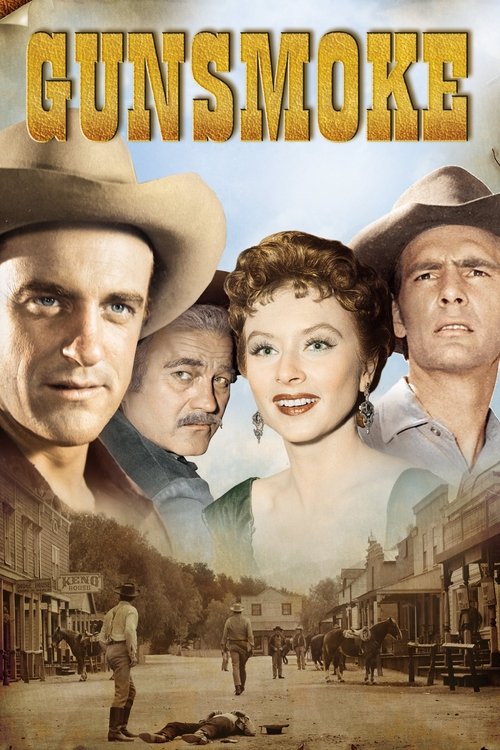
9. Gunsmoke
Marshal Dillon holding down the fort in Dodge City for two decades! That's staying power. It started in black-and-white, a serious western drama, not just shoot-em-ups. They explored character, morality, and the harsh realities of the frontier. And the continuity, the way the townsfolk grew and changed, it felt like a real place. It built a world you could settle into every week, a cornerstone of early television drama that proved longevity wasn't just for soap operas.