


1. Word Up!
Cameo's "Word Up!" is an undeniable masterclass in mid-80s funk, a track meticulously crafted with an arsenal of analog gear. The LinnDrum snap, the Oberheim DMX's punch, and that indelible slap bass riff coalesce into a groove that's both muscular and utterly infectious. Larry Blackmon's charismatic vocals, often processed through a vocoder, navigate a landscape of Prophet-5 brass stabs and bubbling synth lines. It’s a testament to the pre-digital studio's ability to layer complex, yet perfectly articulated, sonic textures. This track demands movement.
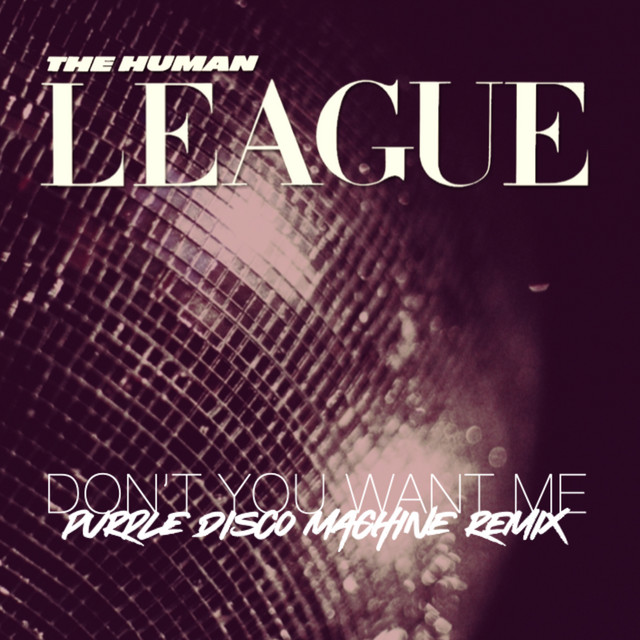
2. Don't You Want Me (Purple Disco Machine Remix)
The Human League’s "Don't You Want Me" stands as a towering achievement of synth-pop, its dramatic narrative propelled by an exquisite interplay of analog synthesizers. The crisp, almost clinical precision of the LinnDrum underpins layers of Prophet-5 warmth and Jupiter-8 arpeggios, creating a sonic stage for the vocal duet. The production, typical of early 80s British electronic music, eschews excessive reverb for directness, making every synth patch and every vocal nuance cut through with stark clarity. It’s a quintessential example of programmed emotion.
3. A Forest
"A Forest" by The Cure is a masterclass in atmospheric tension, a stark, melancholic landscape painted with post-punk textures. That iconic, thrumming bassline forms the dark heart, while Robert Smith’s guitar, drenched in chorus and flanger, shimmers like moonlight through sparse branches. The drums maintain a steady, almost ritualistic beat, amplified by the cavernous reverb. It’s a hypnotic journey into sonic space, demonstrating how a few perfectly chosen analog effects and a deep understanding of mood could construct an entire, unsettling world.
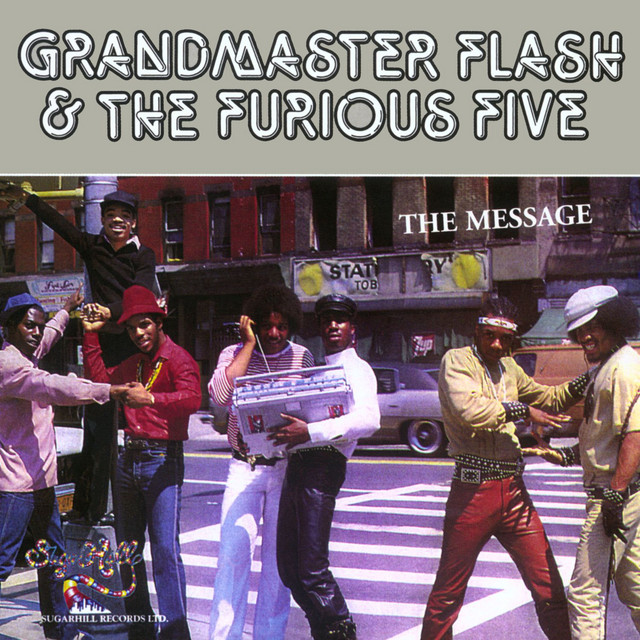
4. The Message
"The Message" wasn't just a song; it was a gritty, uncompromising dispatch from the urban landscape, fundamentally reshaping what hip-hop could be. The stark, almost brutalist groove, driven by a Roland TR-808 and a menacing synth bassline, provides the perfect, unvarnished backdrop for Melle Mel's stark social commentary. It’s raw, unflinching, and stripped of any musical embellishment that might dilute its urgent truth. This track proved the power of minimal, yet potent, analog rhythm machines to carry profound lyrical weight.

5. This Must Be the Place (Naive Melody)
Talking Heads’ "This Must Be the Place (Naive Melody)" possesses an almost otherworldly warmth, a testament to its analog origins. The groove is deceptively simple, built on a gentle drum machine pulse and Chris Frantz's understated drumming, creating a unique, swaying rhythm. David Byrne's distinctive, almost detached vocals float above layers of shimmering, organic-sounding synthesizers – likely Prophet-5 or Juno-60 – and Adrian Belew's textural guitar work. It's an art-rock lullaby, a masterclass in subtlety and atmospheric arrangement from a band always pushing boundaries.
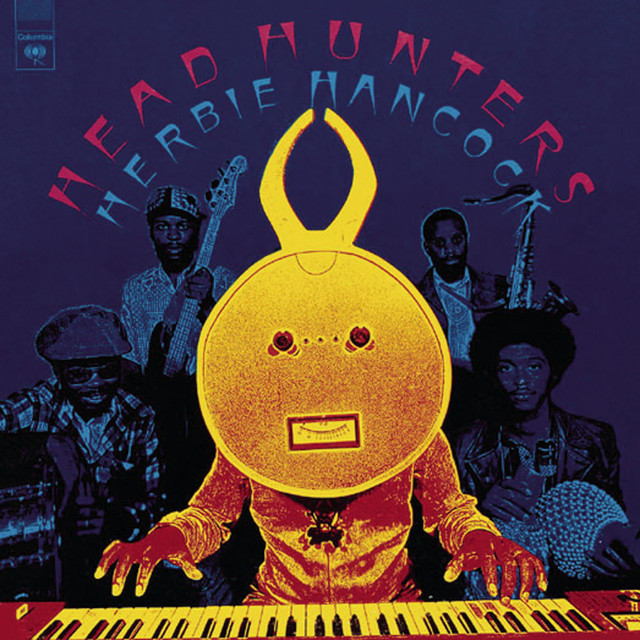
6. Head Hunters
Herbie Hancock’s "Head Hunters" redefined jazz-fusion, injecting raw funk into its intellectual framework. The album, an analog tour-de-force, showcases the Fender Rhodes and Clavinet not just as instruments, but as voices, alongside groundbreaking use of Moog and ARP synthesizers. Tracks like "Chameleon" lay down impossibly deep, interlocking grooves, where every note is precisely placed yet feels utterly spontaneous. It's a sonic tapestry of tight arrangements and improvisational freedom, a benchmark for how electronic instruments could elevate instrumental music to new, funky heights.