

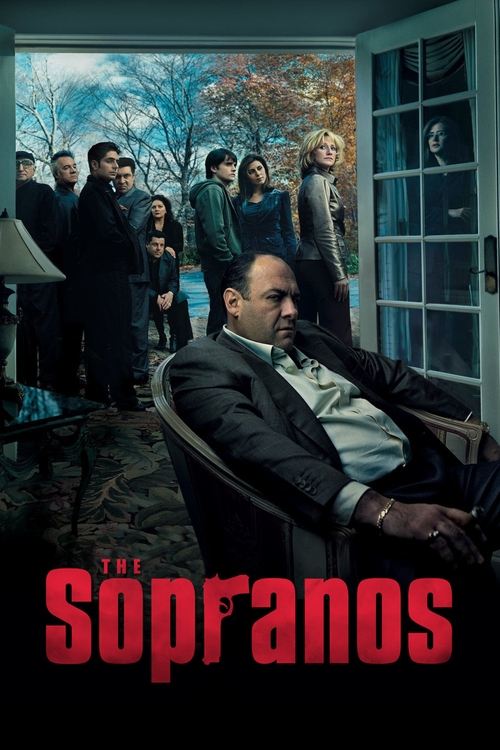
1. The Sopranos
This wasn't just a mob show; it was a weekly therapy session for a generation, proving cable could dissect the American psyche better than any film. Tony's internal world, the ongoing therapy, the brutal shifts in tone – it showed us what serialized drama could really be. You had to tune in, or you were out of the conversation. It redefined 'anti-hero' and made Sunday nights appointment viewing, changing the game for good.
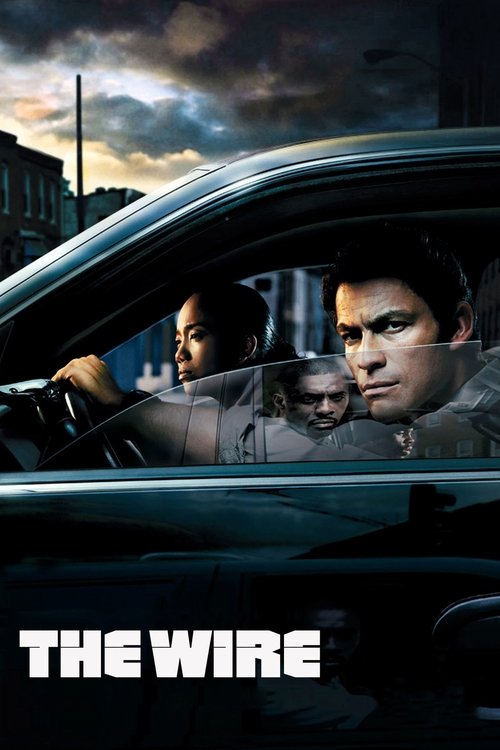
2. The Wire
Forget good guys and bad guys; this was systemic storytelling at its peak. Every institution, from the docks to the school system, got its due, showing how interconnected everything really is. It demanded your full attention, building a world instead of just telling a story. No easy answers, just complex, sprawling narratives that felt more like a novel than a TV show. Pure ensemble mastery.
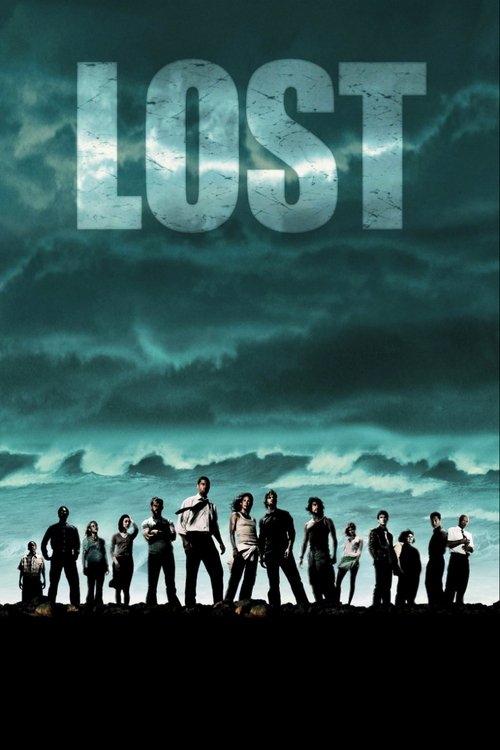
3. Lost
Before streaming binges, this was the ultimate water cooler show. That pilot alone was cinematic, sprawling, and instantly addictive. It threw out the rulebook for network drama, forcing viewers to commit to a long-form mystery that redefined what 'serialized' meant. You were either on the island or you weren't, and everyone had a theory. The hybrid film-TV approach was clear.
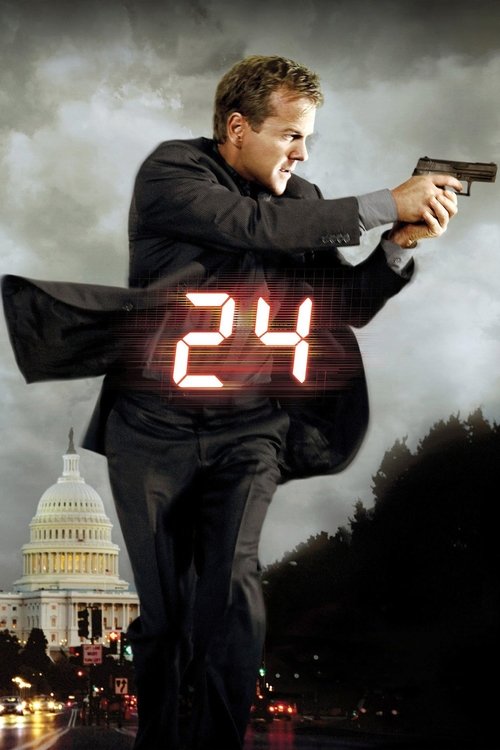
4. 24
This show made real-time television a thing, adding an adrenaline shot to network drama that felt genuinely new. Every episode was an hour, every season a day. Jack Bauer's relentless pursuit of threats, often with questionable methods, kept you glued. It was a high-concept procedural, sure, but its serialized nature and constant tension pushed boundaries for what action could be on the small screen.
5. Arrested Development
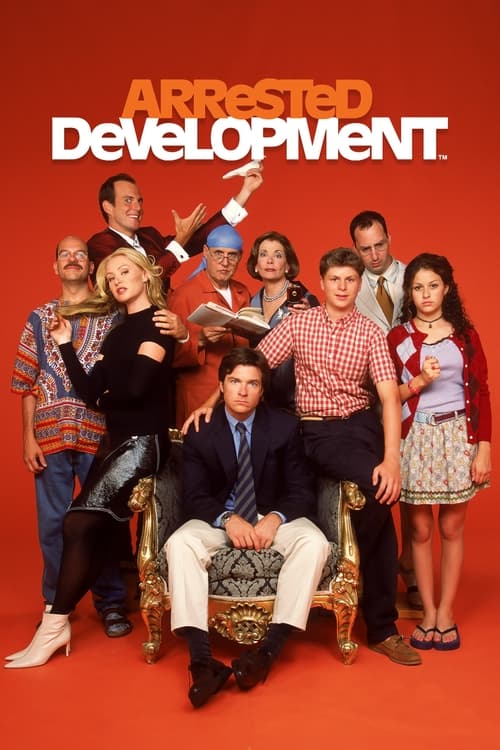
This was a comedy so dense, so layered, you needed to rewatch it just to catch all the jokes and callbacks. It perfected the mockumentary style for sitcoms, proving smart, rapid-fire humor could thrive. The self-referential writing and meta-commentary were revolutionary, making it a cult hit that felt ahead of its time. It dared to be clever, and it paid off.
6. The West Wing
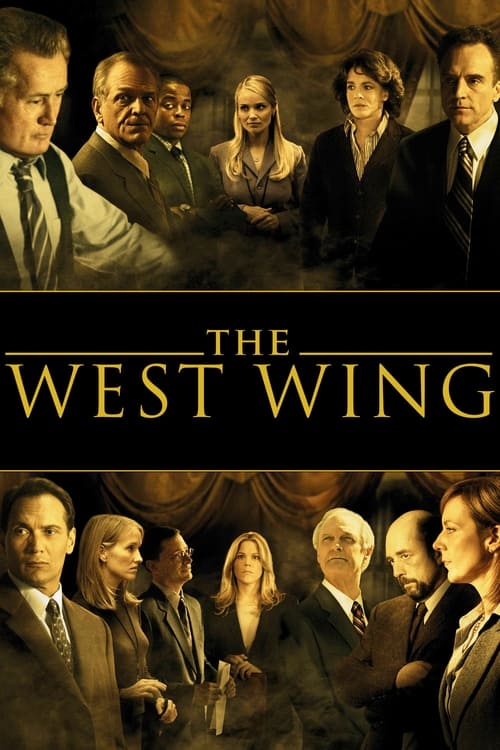
Sorkin's walk-and-talks became iconic, proving political drama could be both aspirational and gripping. It championed intellect and idealism, showcasing an ensemble cast navigating complex policy and personal lives. This was prestige network TV, elevating the dialogue and demanding viewers keep up with its rapid-fire wit and moral dilemmas. It made government feel vital and human.
7. Battlestar Galactica
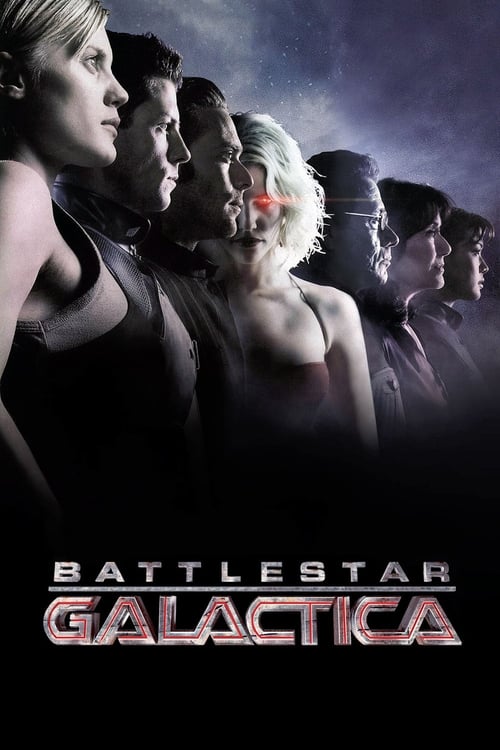
Don't let the space opera label fool you; this was a gritty, philosophical take on humanity's survival. It tackled religion, terrorism, and morality with a depth rarely seen in sci-fi, or any genre, on TV. The serialized arcs and character development were top-tier, making you genuinely care about a ragtag fleet fleeing extinction. It was cable sci-fi, grown up.

8. Six Feet Under
HBO again, diving deep into death, family dysfunction, and the human condition with unflinching honesty. Each episode starting with a death was a bold structural choice. It was character-driven prestige drama, exploring grief and relationships with a dark, often surreal humor. The final montage? That’s legendary, proving TV endings could be as impactful as film.
9. Oz
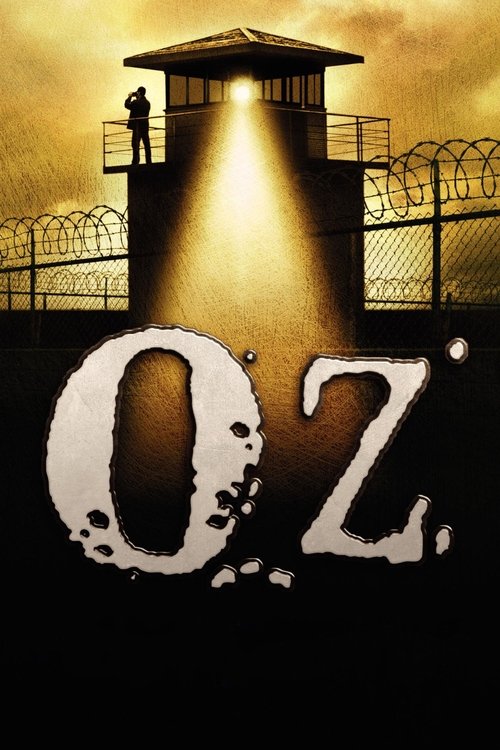
Before anyone else, HBO pushed the envelope with this brutal, uncompromising prison drama. It was raw, violent, and explored moral ambiguity with a visceral intensity that shocked audiences. This was appointment viewing for the daring, showcasing serialized storytelling where no character was safe and every week delivered a punch to the gut. It set the stage for later cable dramas.

10. Curb Your Enthusiasm
Larry David took the cringe comedy of Seinfeld and cranked it to 11, inventing a new brand of semi-improvised, uncomfortable humor. The show's loose structure, blending real-life elements with fictionalized scenarios, felt fresh and daring. It showed you could build a show around a single, utterly flawed perspective, pushing the boundaries of what a sitcom could be. Pretty, pretty, pretty good.
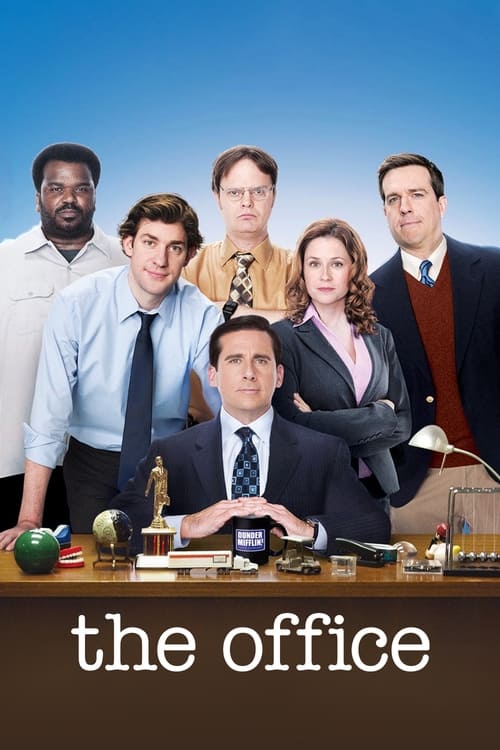
11. The Office
Importing the mockumentary format and making it its own, this show built a world of relatable, cringe-worthy workplace humor. It started subtle, but its ensemble cast developed into beloved characters, delivering heart alongside the awkward laughs. It proved that serialized character development could elevate a sitcom into something truly special, setting the standard for workplace comedy.
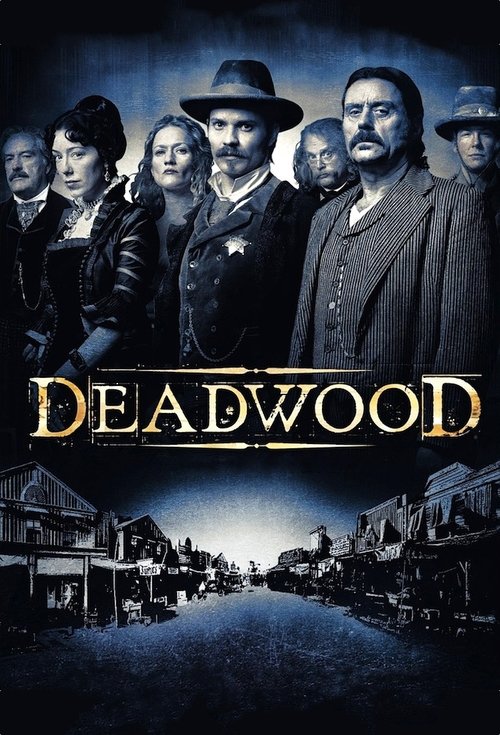
12. Deadwood
HBO's foul-mouthed Western was a masterclass in historical world-building and sharp, poetic dialogue. It was an ensemble piece, raw and gritty, depicting the birth of a town with brutal realism. The layered character arcs and complex morality felt Dickensian, proving prestige drama could inhabit any genre, no matter how dusty. Cinematic in scope, distinctly cable in its language.