
1. Mandrill
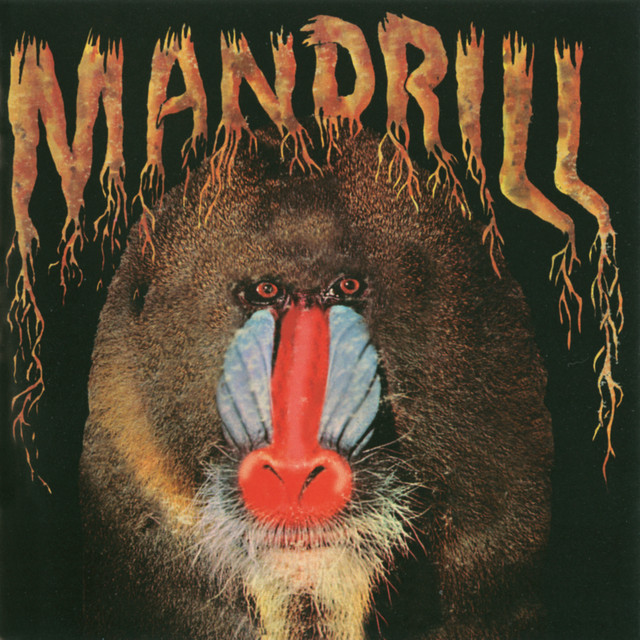
Mandrill's 1971 debut was an undeniable force, a sonic stew bubbling with heavy funk, Latin percussion, and psychedelic rock. Their raw, untamed energy, captured meticulously on multi-track analog tape, presented a blueprint for cross-genre exploration. The horns punched, the bass throbbed, and the guitars screamed with a soulful, almost primal urgency. This was pre-programmed music, an organic, breathing entity reflecting the street-level grit and sophisticated musicality of its creators. A truly foundational statement.

2. Sextant
Herbie Hancock's 1973 opus was nothing short of revolutionary. Here, the Moog and ARP synthesizers weren't mere embellishments; they were the very fabric of the sound. This album sculpted vast, alien soundscapes, pushing jazz-fusion into truly experimental, almost ambient territories. The pre-MIDI analog synthesis, with its inherent warmth and unpredictability, created textures that felt both organic and futuristic. It stands as a testament to pioneering electronic music, meticulously crafted on tape, far before digital ease.

3. Cross Collateral
Passport's 1975 release, "Cross Collateral," embodied the sophisticated European jazz-fusion of its era. With Klaus Doldinger at the helm, the album showcased a seamless blend of intricate melodicism and robust, driving rhythms. The analog synthesizers layered lush, often melancholic textures over precise instrumental interplay, all recorded with that characteristic warmth of a well-engineered mid-70s studio. It was a masterclass in controlled improvisation, a progressive journey recorded on tape, not yet constrained by digital grids.
4. Cold War Night Life (Expanded)
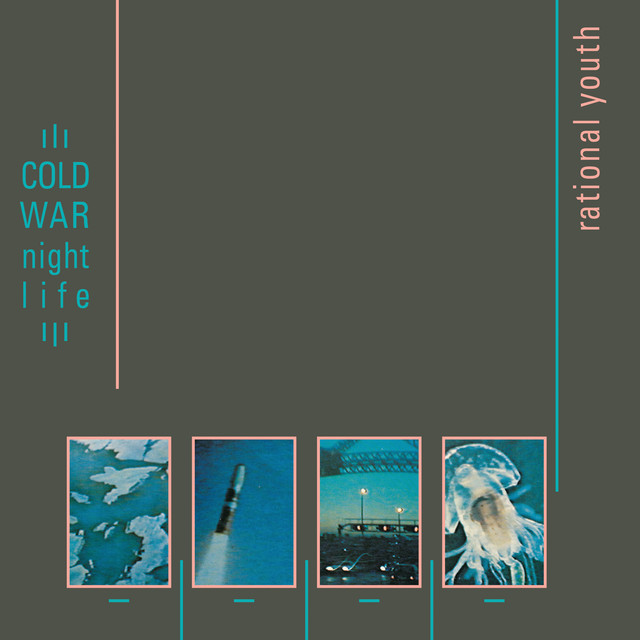
Rational Youth's 1982 debut, in its expanded form, reveals the stark beauty of early Canadian synth-pop and coldwave. The album's chilling atmospherics, driven by analogue synthesizers like the Prophet-5 and Oberheim, articulated a palpable sense of technological unease and romantic melancholy. Its rhythms were precise, yet retained a human pulse. This was electronic music crafted with care in the pre-DAW era, each synth line and drum machine pattern meticulously sequenced and recorded to tape, defining a nascent darkwave sound.
5. Micro-Phonies (Remastered Version)
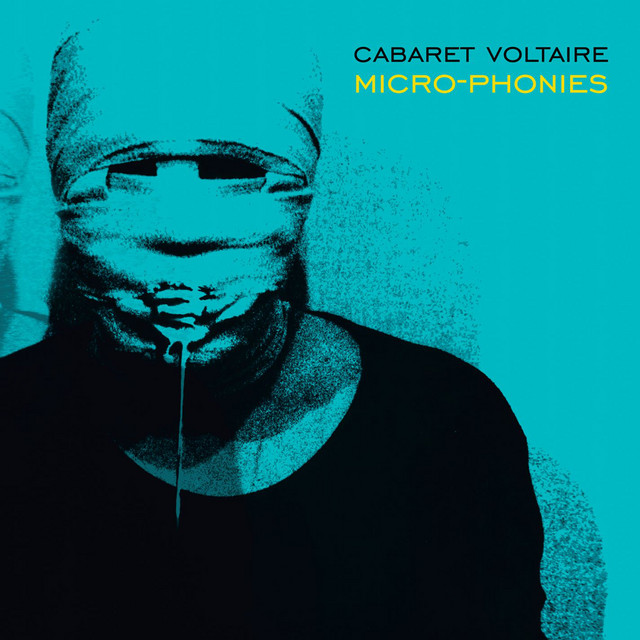
Cabaret Voltaire’s 1984 "Micro-Phonies" was a pivotal industrial statement; even in its remastered incarnation, it retains its gritty, uncompromising essence. This was sampling before samplers were ubiquitous, an alchemical blend of found sounds, distorted guitars, and relentless, programmed rhythms. The analog warmth and tape saturation lent a menacing depth to their sonic collages, pushing boundaries of what electronic music could be. It was confrontational, rhythmic, and utterly groundbreaking, a masterclass in pre-digital sonic deconstruction.
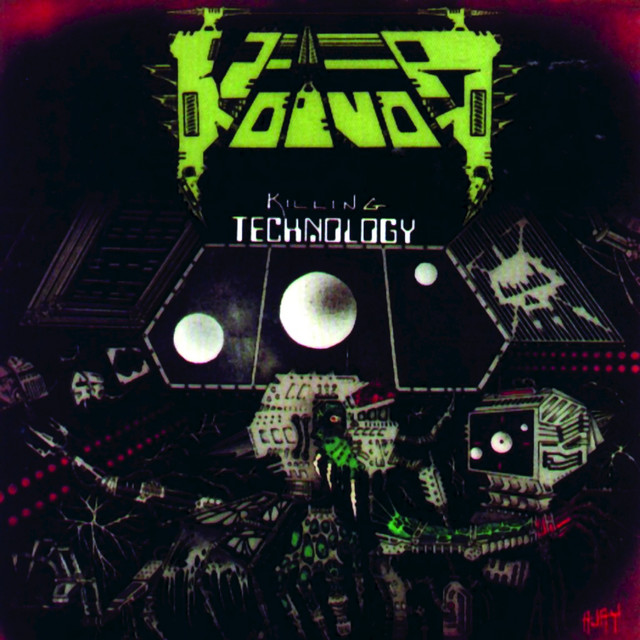
6. Killing Technology
Voivod's 1987 "Killing Technology" was a revelation, fusing thrash metal aggression with progressive, almost art-rock sensibilities. Their unique blend of dissonant riffs, complex song structures, and sci-fi narratives carved out a singular niche. The album’s raw power and intricate dynamics were captured entirely through analog means, giving it a visceral, unpolished edge. This was forward-thinking metal, recorded with brute force and surgical precision, a sonic assault that still resonates with its pre-digital intensity.