1. Oz
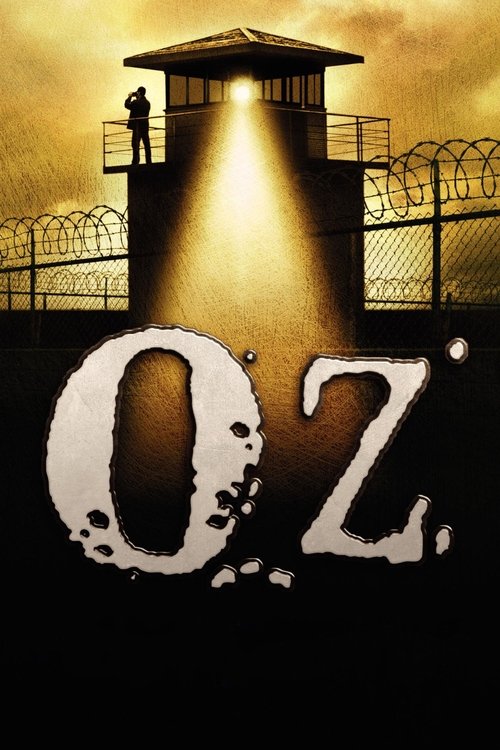
Before "prestige TV" was even a term, Oz hit like a ton of bricks on HBO. This wasn't your network procedural; it was raw, uncompromising, and deeply serialized. Every character, from the guards to the inmates, was part of a sprawling, brutal ecosystem. It showed what cable could do when it wasn't afraid to push boundaries, laying down a marker for complex, adult storytelling that demanded your attention week after week. It was a gut punch.
2. The Shield
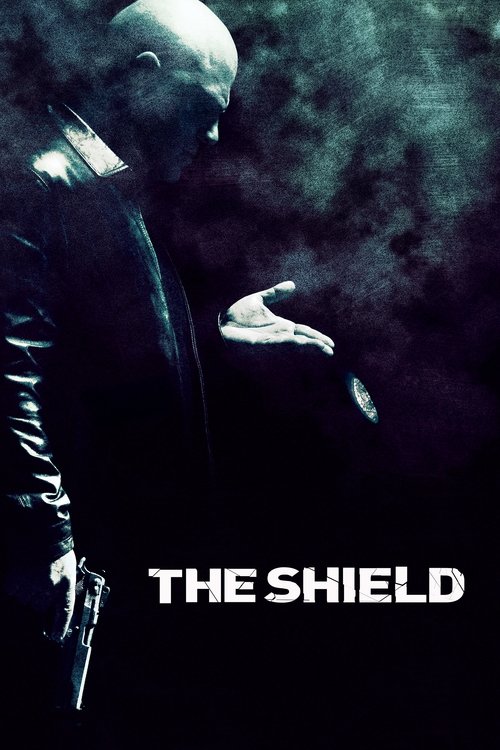
The Shield wasn't just a cop show; it was a masterclass in the anti-hero, long before everyone else jumped on the bandwagon. Vic Mackey and his strike team operated in this morally grey zone that network TV wouldn't touch. FX, a rising cable player, let them go dark, creating this intense, serialized narrative that felt genuinely cinematic. You were always on edge, watching these characters make impossible choices. It proved cable could deliver top-tier drama without HBO's budget.
3. Homicide: Life on the Street
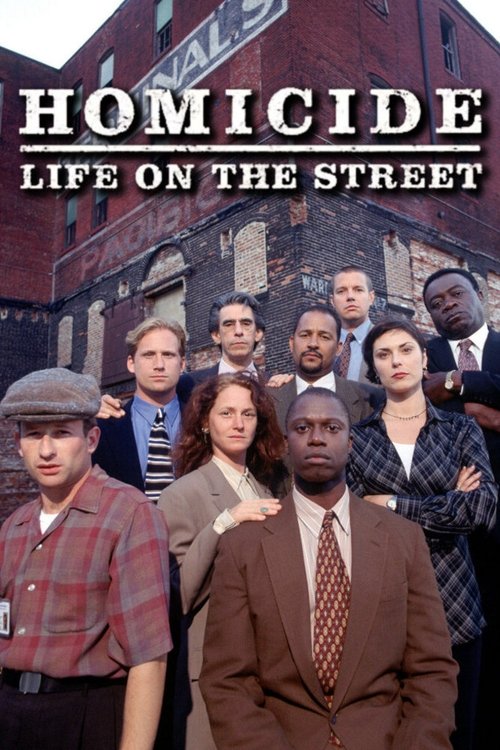
Homicide felt different from day one. It wasn't about solving the crime in 42 minutes; it was about the grind, the psychological toll, the "red ball" cases. Barry Levinson and Tom Fontana brought this grimy, cinematic realism to network TV, using jump cuts and overlapping dialogue that was practically unheard of. The ensemble cast was incredible, and while it was procedural, the ongoing character arcs gave it that early serialized feel that audiences were slowly starting to crave.
4. Boomtown
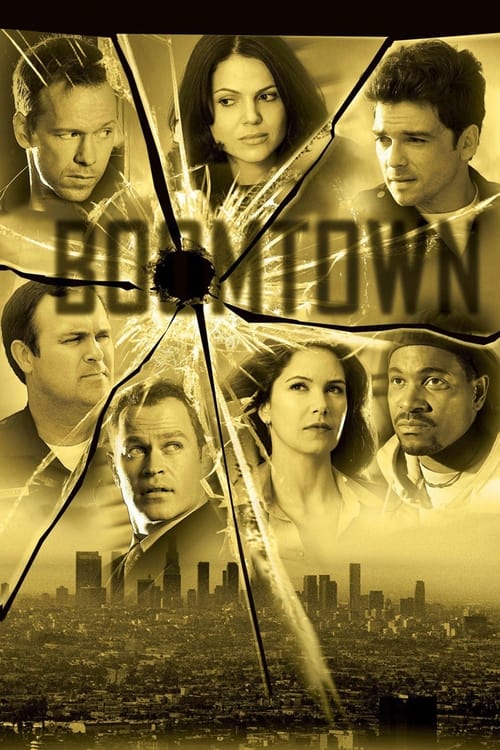
Boomtown was something else entirely. It took a standard procedural premise and blew it up with an innovative, multi-perspective narrative structure. Each episode re-examined a crime through the eyes of different characters—cops, victims, criminals—often replaying scenes with new context. It was incredibly ambitious for network television, demanding a lot from its audience. It felt like a movie each week, a real cinematic experiment that was probably too clever for its own good, but brilliant all the same.
5. Freaks and Geeks
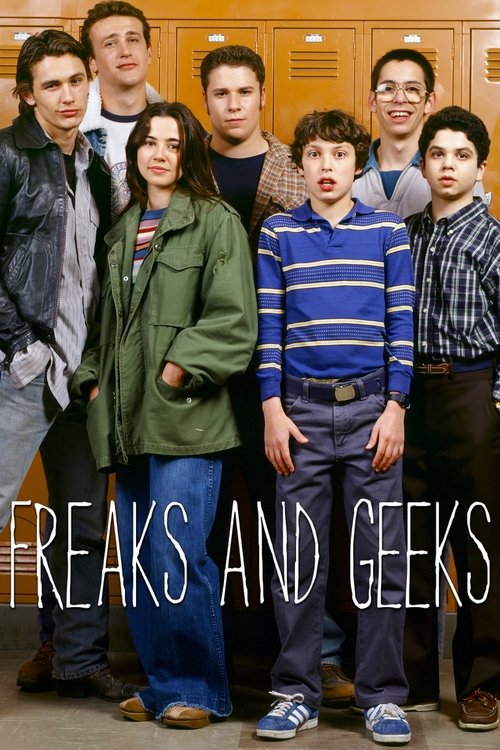
Freaks and Geeks was a quiet revolution. It wasn't loud or flashy; it was just painfully honest about high school life. Judd Apatow and Paul Feig crafted this incredible ensemble cast of misfits, exploring the awkwardness and heartbreak without relying on typical sitcom tropes. It had this subtle, serialized character development that made you genuinely care about these kids. It found its true audience later, becoming a blueprint for smart, character-driven comedy-drama that felt incredibly real.
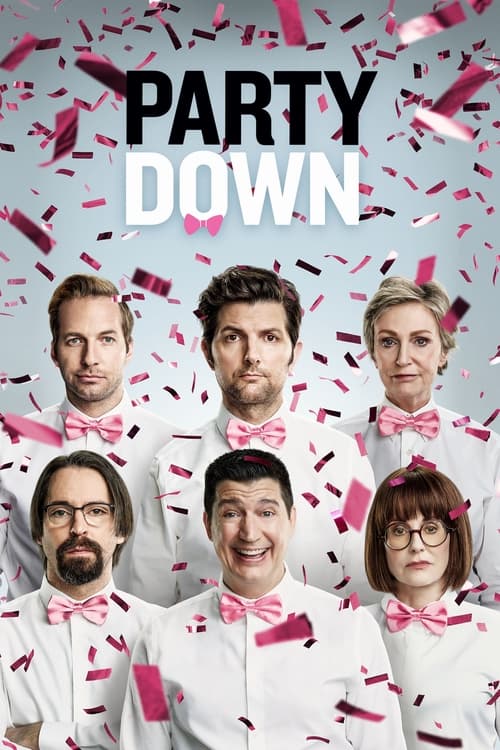
6. Party Down
Party Down took the mockumentary format and applied it to a deeply cynical, yet hilarious, workplace comedy. Following a catering crew of struggling actors and writers, it found humor in their failed dreams and mundane gigs. The ensemble was pitch-perfect, delivering sharp, often dark, dialogue with incredible timing. Starz, still finding its footing, let it be smart and subtle, proving that serialized, character-driven comedy could thrive outside the mainstream, laying groundwork for future cult hits.
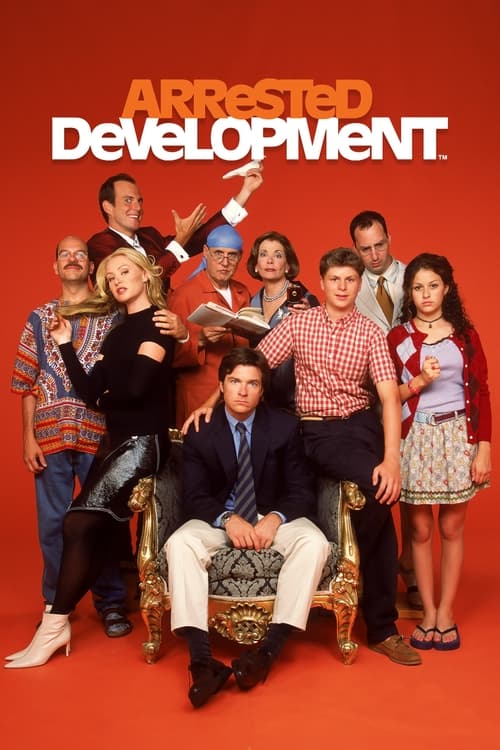
7. Arrested Development
Arrested Development wasn't just a comedy; it was a meticulously constructed joke machine. Its mockumentary style, rapid-fire dialogue, and dense layers of running gags and callbacks demanded repeat viewings. It was serialized storytelling for comedy, each episode building on the last, creating this incredibly rich, self-referential world. Fox, bless their hearts, gave it a shot, but it was tailor-made for an era when pausing, rewinding, and binging became possible. It was truly revolutionary.
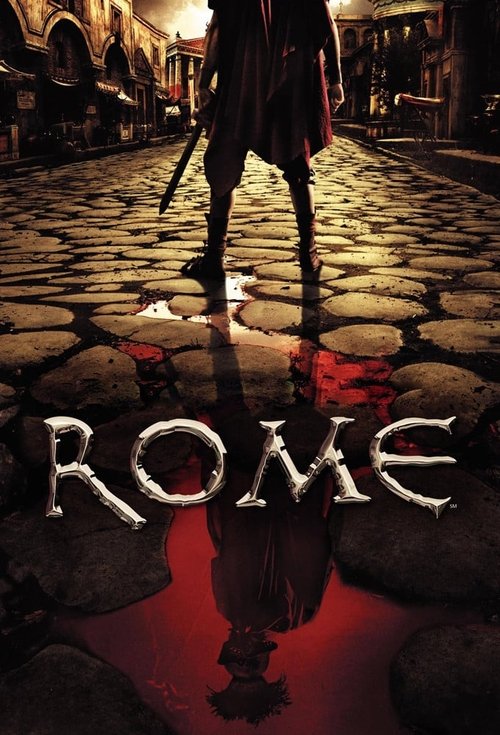
8. Rome
Rome was HBO swinging for the fences with a historical epic. It blended the grand political machinations of the Roman Empire with the gritty, personal stories of two ordinary soldiers. This was serialized drama on a massive scale, with incredible production values and a sprawling cast. It felt like watching a multi-part film each week, setting a new standard for how ambitious and cinematic television could be, proving that the small screen could tackle subjects usually reserved for Hollywood blockbusters.
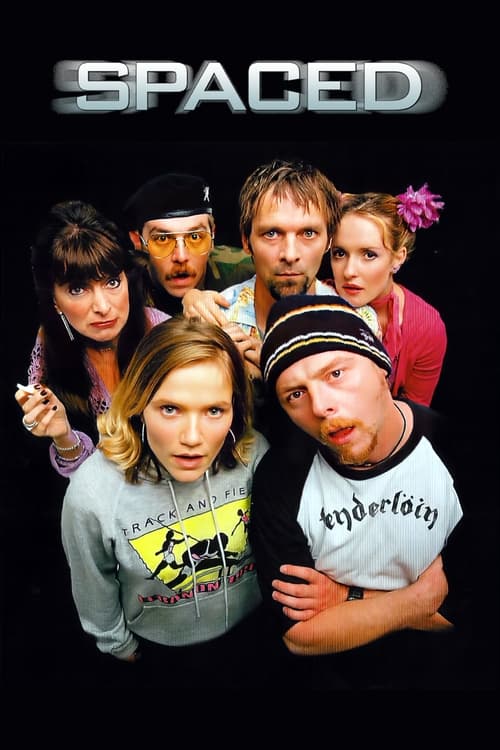
9. Spaced
Spaced was this hyper-referential, lightning-fast comedy from Edgar Wright, Simon Pegg, and Jessica Hynes that felt like nothing else on TV. It took the mundane lives of two twenty-somethings and injected them with cinematic flair, surreal cutaways, and a deep love for genre film. It was the kind of show that fostered a devoted cult following, trading in inside jokes and visual gags that rewarded repeat viewings. It proved you could be deeply niche and incredibly influential.
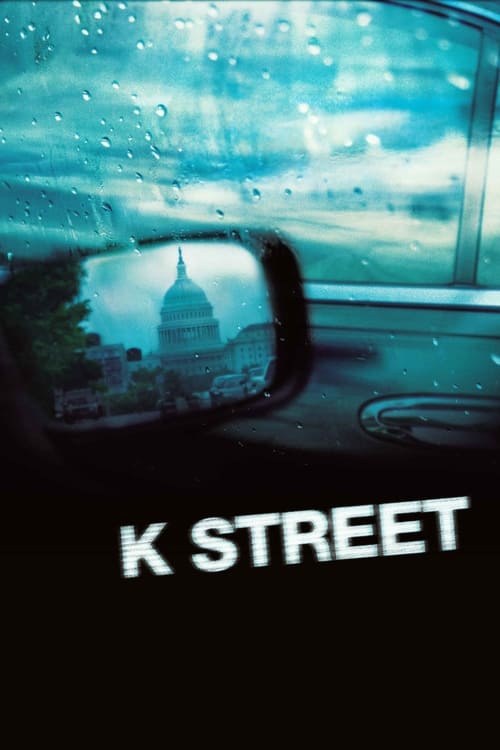
10. K Street
K Street was a bold, if messy, experiment from Steven Soderbergh and George Clooney. Set in the world of Washington D.C. political consultants, it blended scripted drama with real-time events and improvisation, using actual politicians. It was an audacious hybrid, airing shortly after real-world events, blurring the lines between fiction and reality. While not a ratings hit, its almost documentary-like feel and immediate relevance hinted at a future where TV could be produced and consumed with unprecedented speed.