
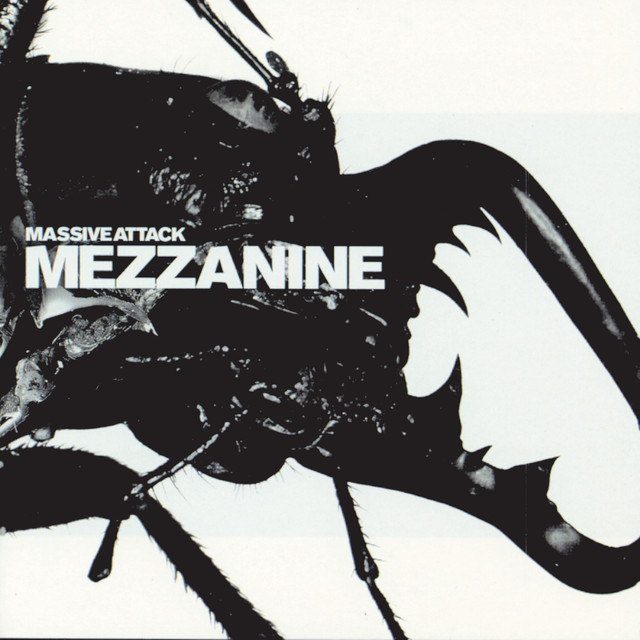
1. Mezzanine
“Mezzanine” felt like the world collectively held its breath, cloaked in a velvet fog of dread and allure. Massive Attack perfected trip-hop's dark art, weaving dub, hip-hop, and gothic sensibilities into a monolithic soundscape. It’s an album that understood the creeping anxieties of a new millennium, echoing with a digital melancholy that still feels incredibly potent. The sheer weight of its atmosphere, the crackle of its production, it’s a masterclass in mood, a true sonic architecture for the soul.
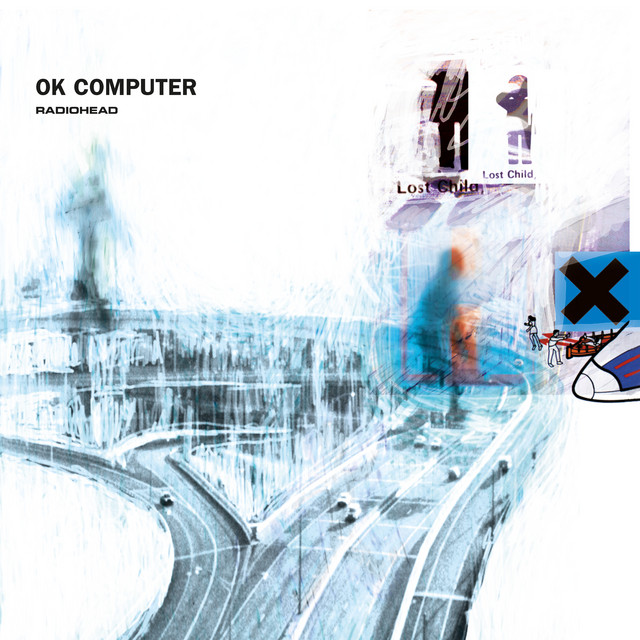
2. OK Computer
“OK Computer” wasn't just another rock album; it was a premonition. Radiohead captured the shimmering, unsettling promise of the digital age, the creeping sense of isolation amidst connection. Its sprawling, intricate soundscapes, layered with guitars and nascent electronic textures, painted a picture of yearning and despair that felt profoundly modern. This wasn't just a record; it was a cultural artifact, a sonic timestamp of our collective unease, still resonating with stark relevance today.
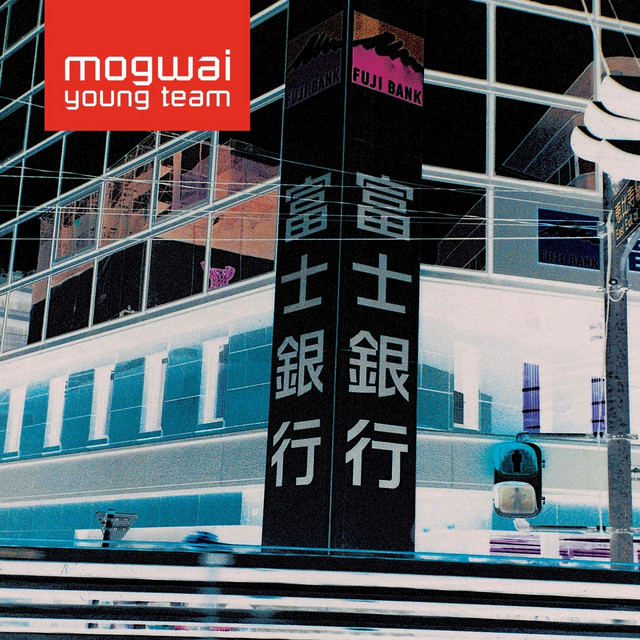
3. Young Team
Mogwai's “Young Team” felt like watching the sky open up, a raw, sprawling testament to post-rock's power. Its slow-burning crescendos and devastating quiet moments built entire universes without a single lyric. This was music that demanded attention, unfurling like a vast, cinematic landscape, proving that emotion could be conveyed through sheer sonic architecture. It's a foundational text for anyone who ever felt too much, translating that intensity into a language of guitars and dynamic shifts.
4. Selected Ambient Works 85-92
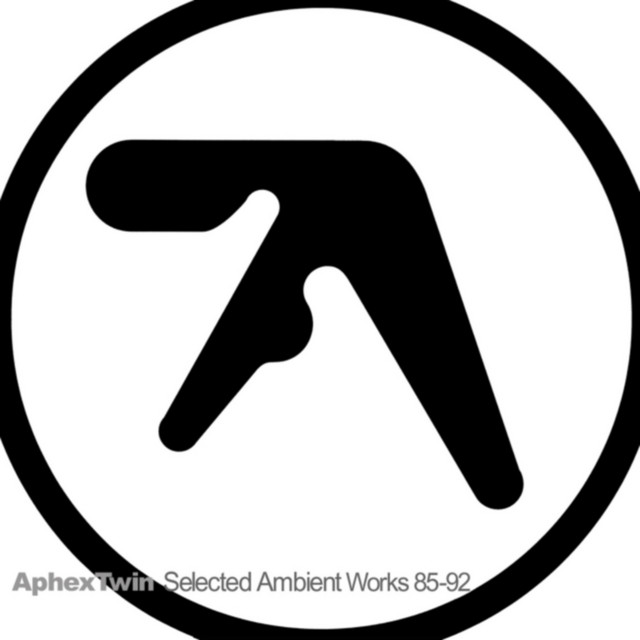
Richard D. James, as Aphex Twin, dropped “Selected Ambient Works 85-92” and just reshaped the electronic landscape. It was this bizarre, beautiful collision of warm, analog textures and utterly alien digital programming. You could get lost in its intricate rhythms and shimmering melodies, feeling like you were exploring a new dimension. This wasn’t just background music; it was a blueprint for IDM, proving that electronic sounds could be as emotionally resonant and complex as any traditional instrument.
5. The Stone Roses
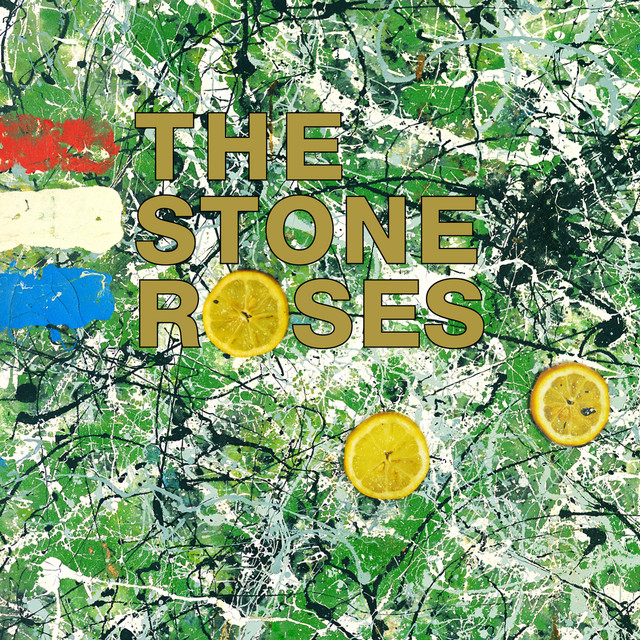
“The Stone Roses” dropped like a jolt of pure, sun-drenched euphoria. It was the sound of a generation ready to dance, blending classic pop melodies with baggy grooves and a swagger that redefined British indie. Every track felt perfectly placed, a masterclass in how to craft infectious, timeless guitar music. This wasn’t just an album; it was a cultural moment, a declaration of intent that still sounds incredibly fresh, a vibrant blueprint for Britpop’s coming explosion.
6. Spiderland
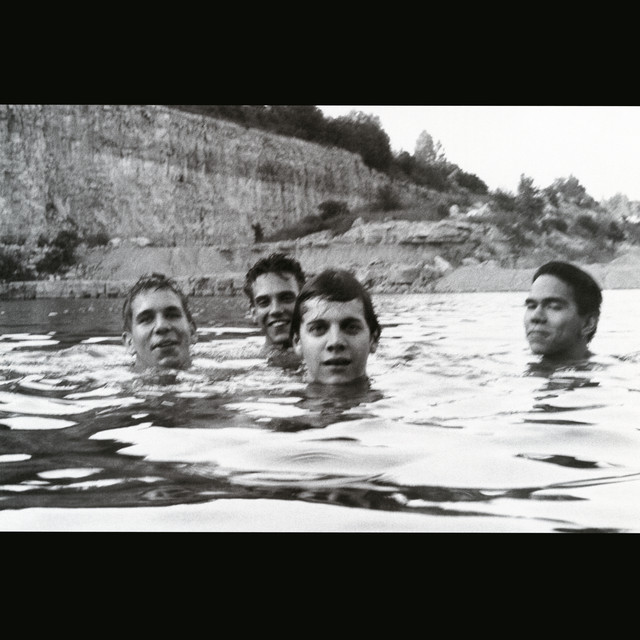
Slint’s “Spiderland” was a revelation, a dark, angular beast that crawled out of the underground and changed everything. Its precise, almost mathematical guitar work, hushed vocals, and sudden explosive dynamics carved out a space entirely its own. This wasn't just rock; it was an exercise in tension and release, a blueprint for math rock and post-hardcore that still feels challenging and deeply rewarding. It’s an album that demands engagement, building its own unsettling, unforgettable world.