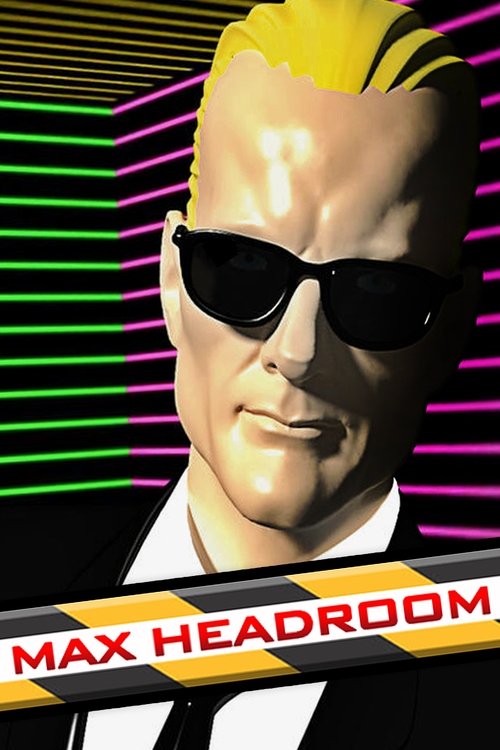
1. Max Headroom
This wasn't just a show; it was a digital assault. Those glitchy, stuttering visuals and that sneering, AI-generated host, Max himself, felt like the future was already here and it was deeply unsettling. It pushed broadcast boundaries, showcasing a world drowning in media, surveillance, and corporate greed. The analog effects were pure genius, raw and visceral. It messed with my head and made me question everything I saw on screen.
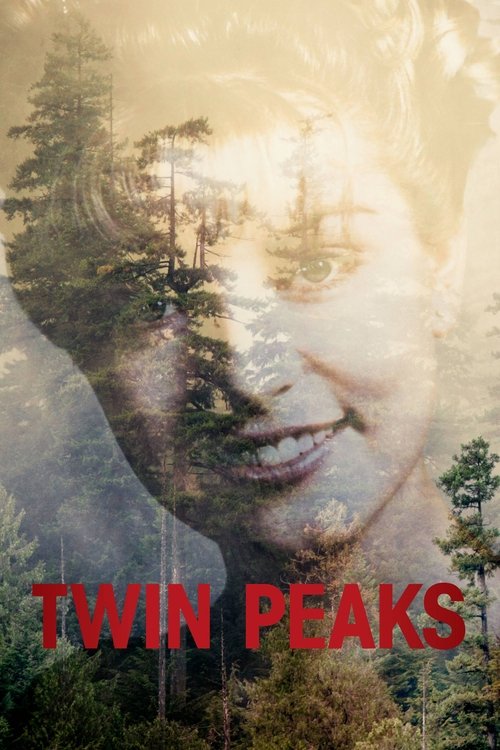
2. Twin Peaks
Lynch and Frost just dropped a bomb on network TV. It was like a soap opera got dosed with acid and then decided to solve a murder mystery in the woods. Every character was a twisted masterpiece, and the mood was thick enough to cut with a knife. The surreal dream sequences, the damn fine coffee, the unsettling dread – it broke every rule. And for a while, everyone was asking, "Who killed Laura Palmer?"
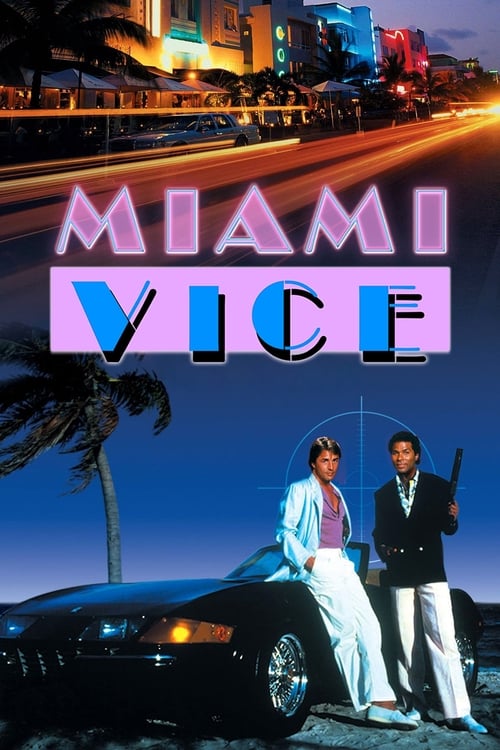
3. Miami Vice
Forget the plots; it was all about the vibe. Neon-drenched nights, pastel suits, and that killer soundtrack – every episode was a feature-length music video. Crockett and Tubbs cruising in their Ferrari, chasing bad guys through the steamy Florida streets. It was slick, stylish, and completely over the top. It basically invented cool for a whole generation, proving that television could be art, even if it was just glorifying excess.
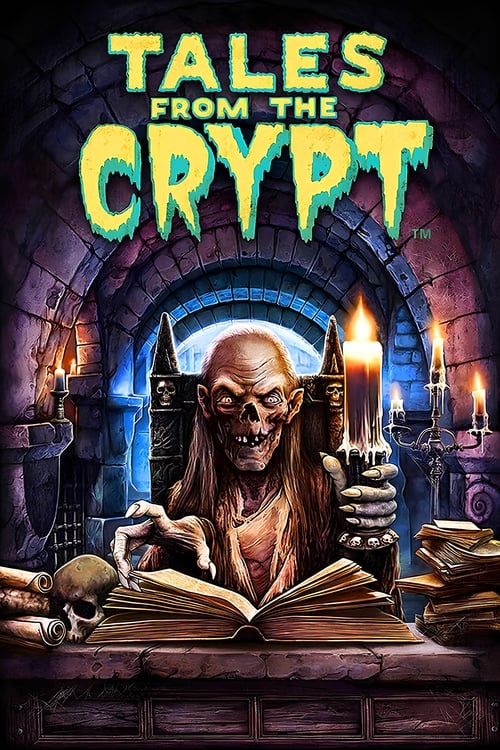
4. Tales from the Crypt
HBO really let the Crypt Keeper off his leash here. This anthology was a masterclass in practical gore, twisted humor, and pure, unadulterated horror. Each week was a self-contained nightmare, often with a sick moral twist. It pushed the envelope on what you could show on cable, making network TV look like Sesame Street. That cackling puppet narrator still haunts my dreams.
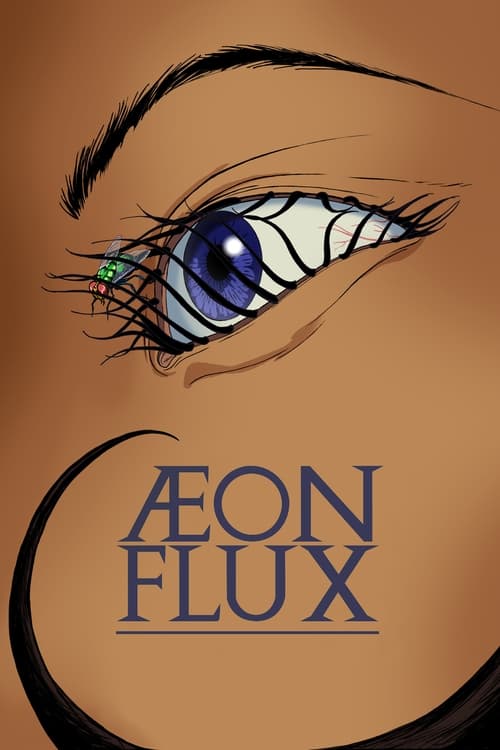
5. Æon Flux
MTV was doing some wild stuff with animation, and Æon Flux was the peak. Peter Chung’s vision was unlike anything else: hyper-stylized, confusing, and aggressively cool. Æon was this acrobatic spy, all impossible angles and silent, brutal missions. It was pure visual poetry, a proto-anime punk rock ballet. The narratives were abstract, experimental, and always left you wanting more, even if you weren't sure what you just saw.

6. The Hitchhiker's Guide to the Galaxy
This British import was a proper mind-bender. It took Douglas Adams’ absurd, philosophical sci-fi and somehow put it on the screen, warts and all. The low-budget practical effects and weird stop-motion animation just added to its charm. It was dry, witty, and completely irreverent, making you laugh while contemplating the meaning of life, the universe, and everything. Don't forget your towel.

7. RoboCop: The Series
Okay, so it wasn't the movies, but this syndicated version had its own charm. It brought the OCP dystopia to the small screen with surprisingly solid practical effects for a weekly show. RoboCop was still kicking ass, even if the violence was toned down. It was Saturday afternoon sci-fi action, pure and simple, and it kept the spirit of urban decay and technological oppression alive.
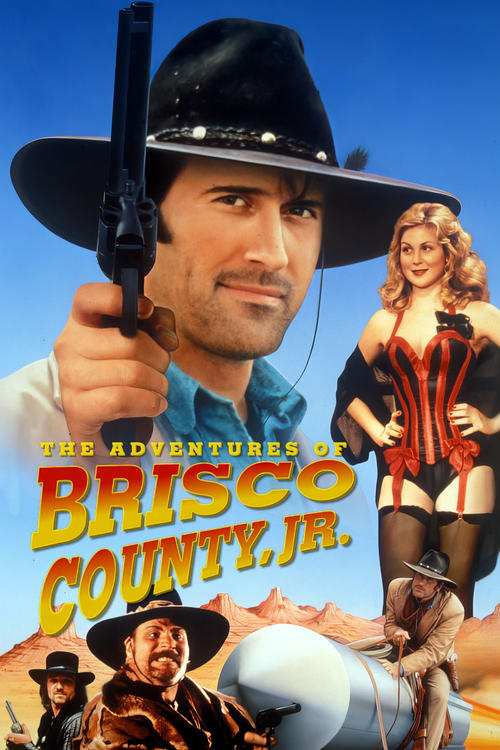
8. The Adventures of Brisco County, Jr.
A sci-fi western? On network TV? Bruce Campbell as a Harvard-educated bounty hunter? This show was a glorious, genre-bending mess. It had steam-punk gadgets, secret societies, and plenty of witty banter. It never quite found its audience, but it was ahead of its time, mixing adventure with a healthy dose of weird. Pure cult gold, and proof that some risks are worth taking.

9. Mystery Science Theater 3000
This was revolutionary. Watching a guy and two robots make fun of terrible movies? It sounds simple, but the rapid-fire jokes and pop culture references were brilliant. It taught me how to be a critic, how to find humor in the absurd, and how to survive cinematic torture. MST3K was a syndicated masterpiece, a communal mocking experience that made bad films watchable.
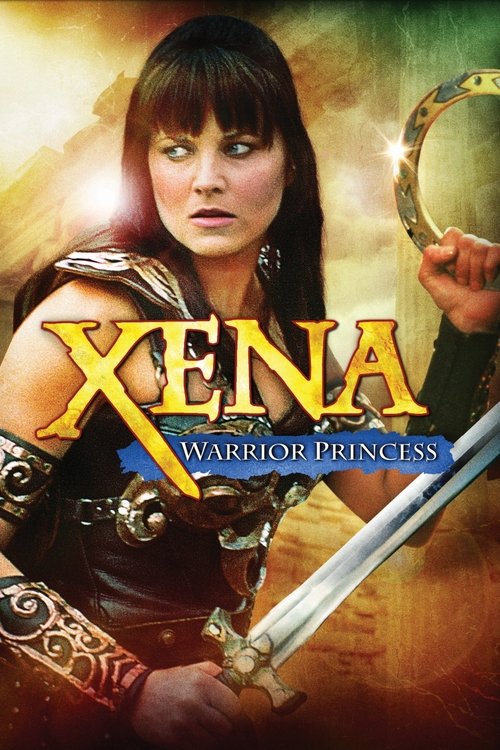
10. Xena: Warrior Princess
This show was pure, unadulterated escapism. Xena was a badass, a warrior with a dark past and a killer chakram. It blended action, fantasy, and melodrama into a glorious, campy spectacle. The stunts were cheesy, the dialogue was often ridiculous, but it had heart. Xena and Gabrielle were an iconic duo, paving the way for strong female leads long before it was trendy.
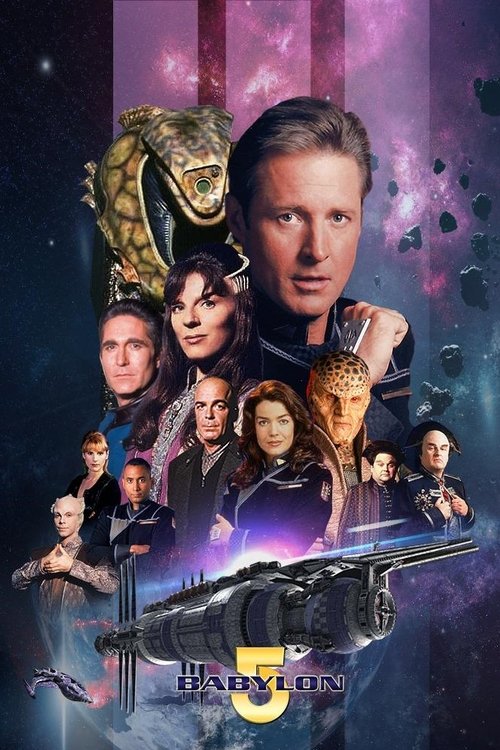
11. Babylon 5
Forget monster-of-the-week; B5 was serialized storytelling at its finest. It had a massive, overarching plot that unfolded over years, tackling politics, religion, and the fate of the galaxy. The early CGI was clunky, but the ambition was off the charts. It was a space opera that treated its audience with respect, building a complex universe one episode at a time. This was epic TV.