

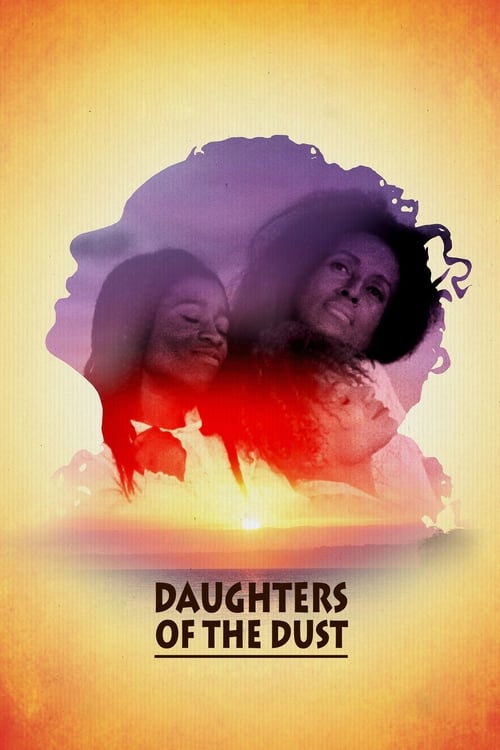
1. Daughters of the Dust
Julie Dash’s seminal work remains a profound cinematic achievement. Its non-linear narrative, steeped in Gullah-Geechee culture on St. Helena Island in 1902, offers a lyrical exploration of ancestral memory, identity, and the diaspora. Dash’s vision, rendered with breathtaking cinematography, foregrounds Black women's voices and spiritual resilience, crafting an immersive, almost dreamlike experience that transcends conventional storytelling. The film’s influence on subsequent visual artists is undeniable, a vibrant tapestry of history and imagination.
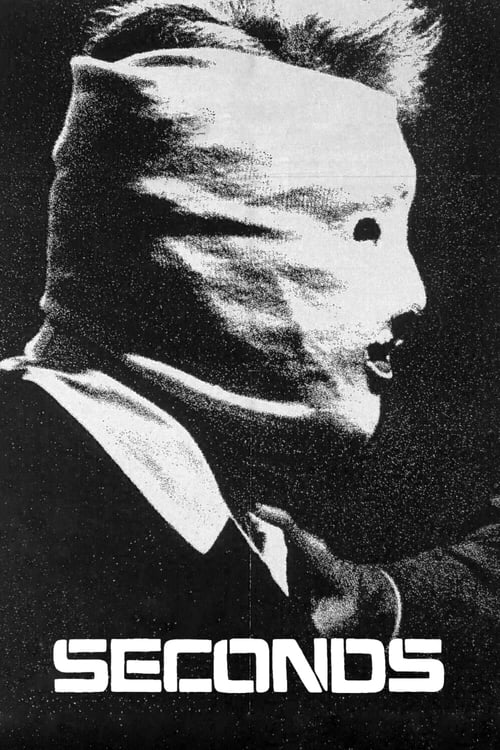
2. Seconds
John Frankenheimer’s chilling 1966 psychological thriller probes the terrifying implications of escaping one’s identity. Rock Hudson, in a remarkable departure, plays a man who undergoes a radical surgical transformation for a new life, only to discover the existential horror of his choice. The film employs disorienting wide-angle lenses and an unsettling atmosphere, reflecting a pervasive mid-century anxiety about personal autonomy and corporate control. It’s a masterful, disturbing meditation on the elusive nature of self.

3. Walker
Alex Cox’s 1987 *Walker* is a gleefully anachronistic and savagely satirical take on American interventionism. Starring Ed Harris as William Walker, a 19th-century mercenary who became Nicaragua’s president, the film boldly interjects modern elements—Zippo lighters, Coca-Cola—to underscore the timeless, self-serving nature of imperialist ambition. It’s a cynical, often darkly comedic, deconstruction of historical narratives and the enduring myth of American exceptionalism, punctuated by Cox's distinct, confrontational style.
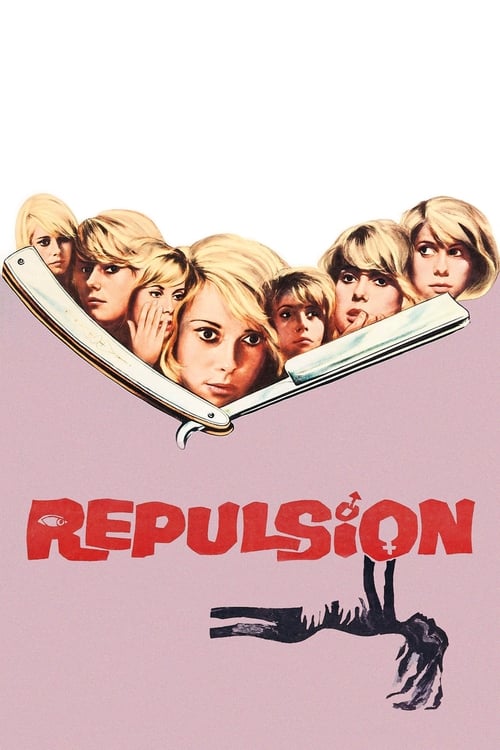
4. Repulsion
Roman Polanski’s 1965 psychological horror masterpiece meticulously charts a young woman’s descent into madness. Catherine Deneuve delivers a haunting performance as Carol, whose fragile psyche unravels amidst urban isolation and encroaching sexual anxiety within her London apartment. Polanski brilliantly employs surreal imagery—cracked walls, grasping hands—to externalize Carol’s internal disintegration, creating a claustrophobic, deeply disturbing portrait of psychosis. It’s a chilling, essential study in subjective terror.
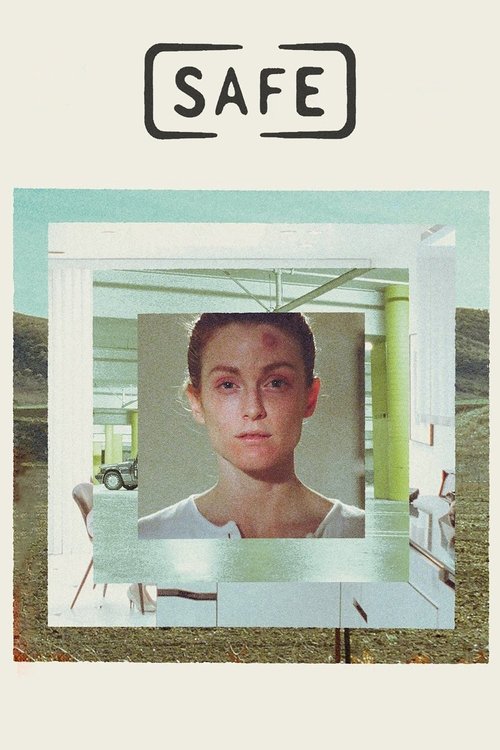
5. Safe
Todd Haynes’ 1995 *Safe* is a profoundly unsettling portrait of alienation and environmental illness, starring Julianne Moore in a career-defining role. As Carol White, a woman who develops extreme chemical sensitivities, Moore embodies a pervasive contemporary anxiety about unseen threats. Haynes crafts a dispassionate, almost clinical atmosphere, observing Carol’s gradual withdrawal into an isolated, sterile existence. It's a prescient, meticulously crafted exploration of fragility, community, and the search for sanctuary.