1. Alpha Protocol
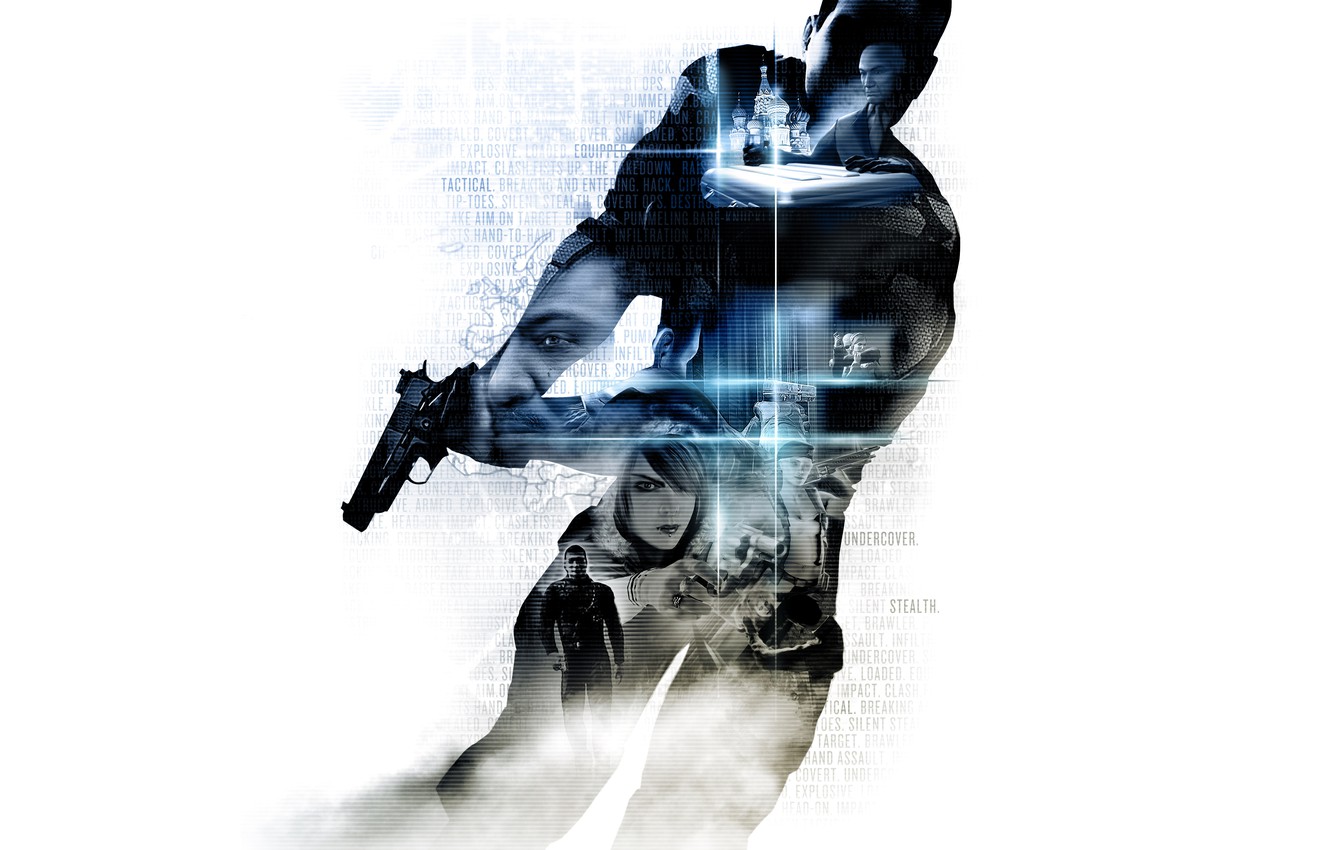
Obsidian's spy RPG was a janky mess combat-wise, but its dialogue system? Unparalleled. Choices genuinely mattered, creating a sprawling narrative web where every decision echoed later. The industry dismissed it as unpolished, missing the diamond in the rough. It's a masterclass in player agency that modern AAA titles still struggle to replicate, proving that character and consequence trump technical perfection every time.
2. Fahrenheit (Indigo Prophecy)
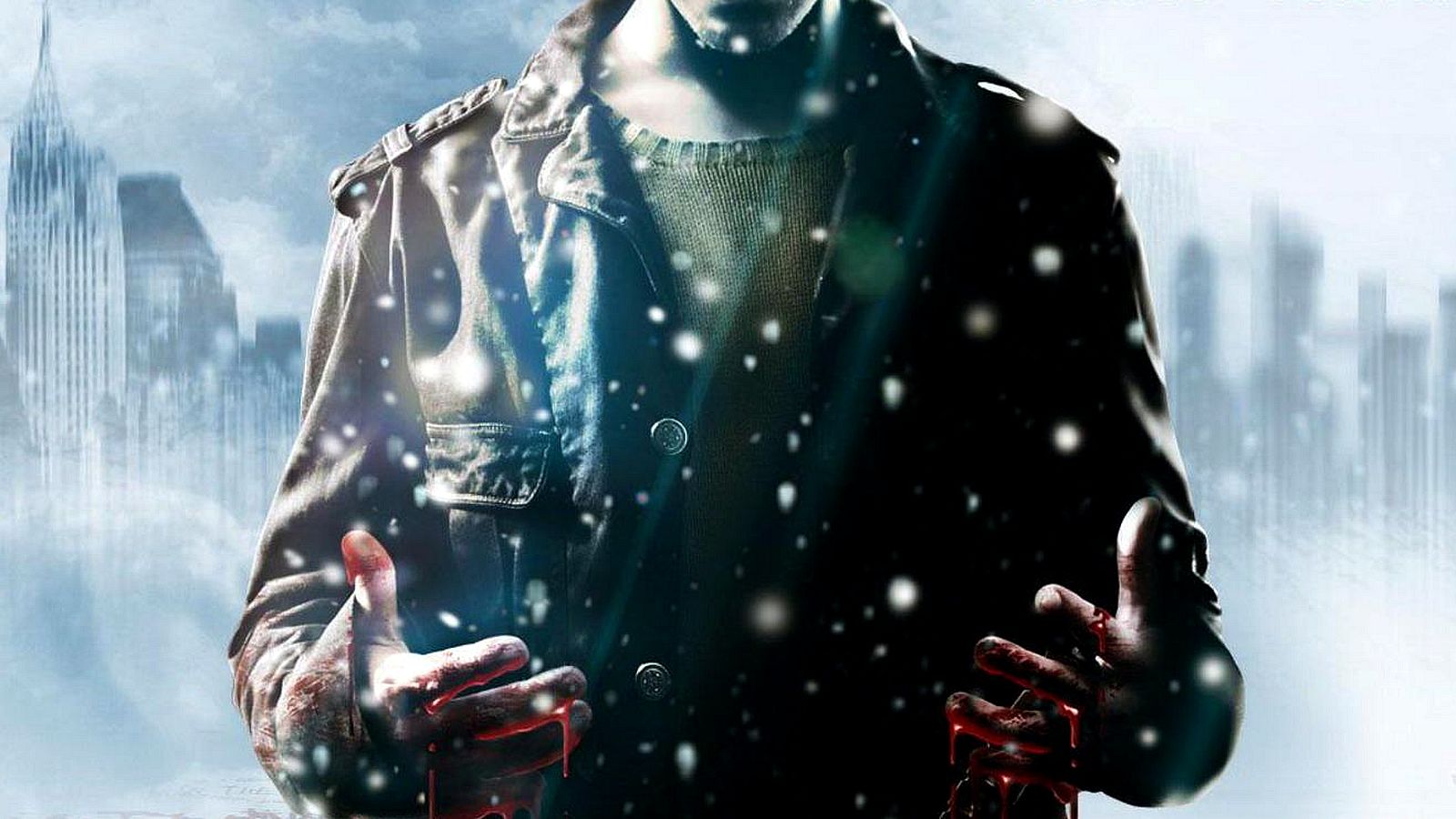
Before David Cage went full "press X to feel," *Indigo Prophecy* (or *Fahrenheit* overseas) was a bizarre, ambitious experiment. It started as a dark, supernatural thriller then veered wildly into alien conspiracies and ancient prophecies. Sure, the plot eventually jumped the shark, but its initial atmosphere, dual protagonists, and QTE-driven storytelling laid groundwork for an entire genre. It dared to be different, and for that, we remember its wild ride.
3. Vampire: The Masquerade - Bloodlines
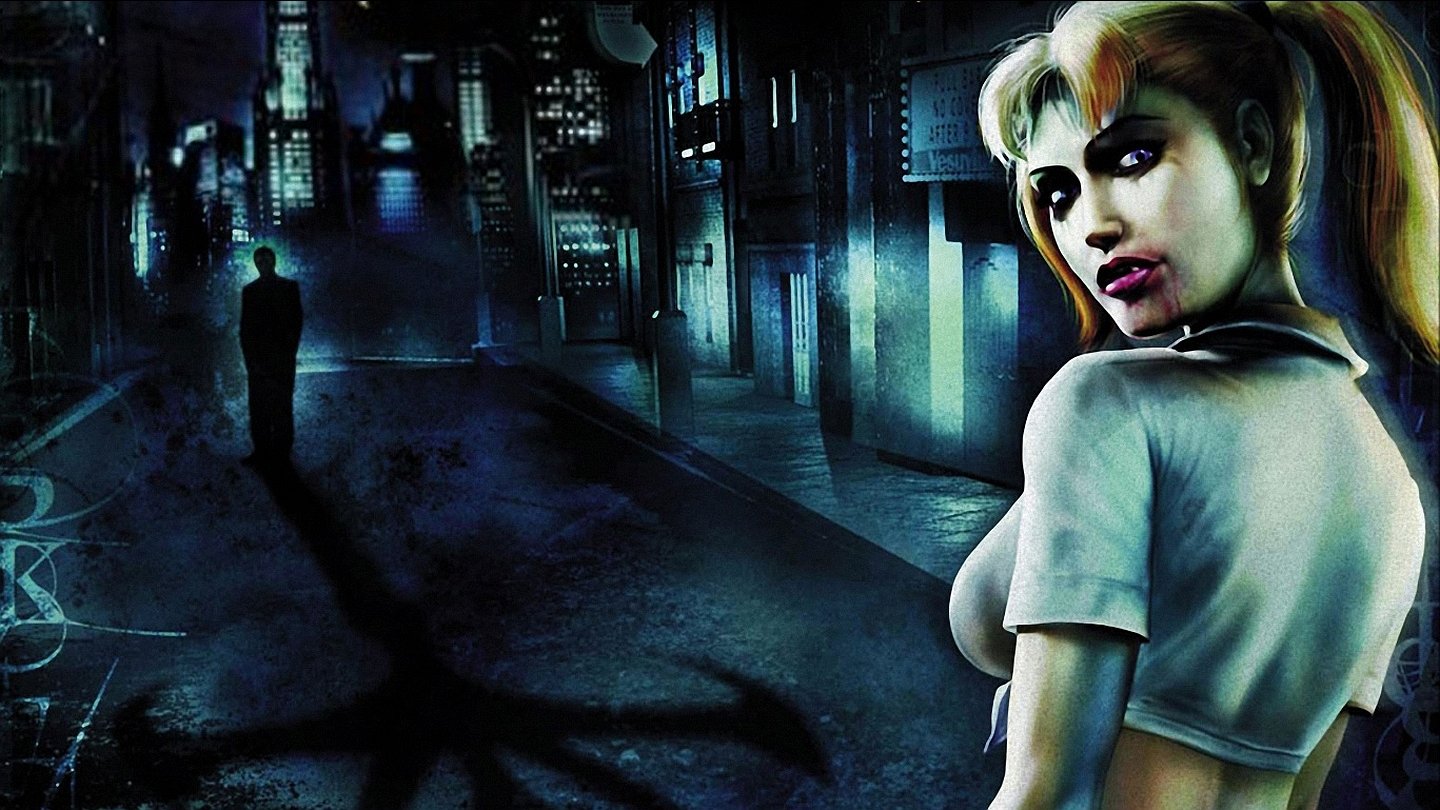
Released buggy and unfinished, this game was practically bleeding out from day one. Yet, Troika's RPG brilliance shone through. Its dark, atmospheric Los Angeles, unforgettable characters, and incredible dialogue choices crafted an experience unlike any other. Fans lovingly patched it into playability, recognizing the sheer potential the industry prematurely buried. *Bloodlines* remains a benchmark for immersive, reactive storytelling, a testament to what happens when vision meets a troubled launch.
4. Enslaved: Odyssey to the West
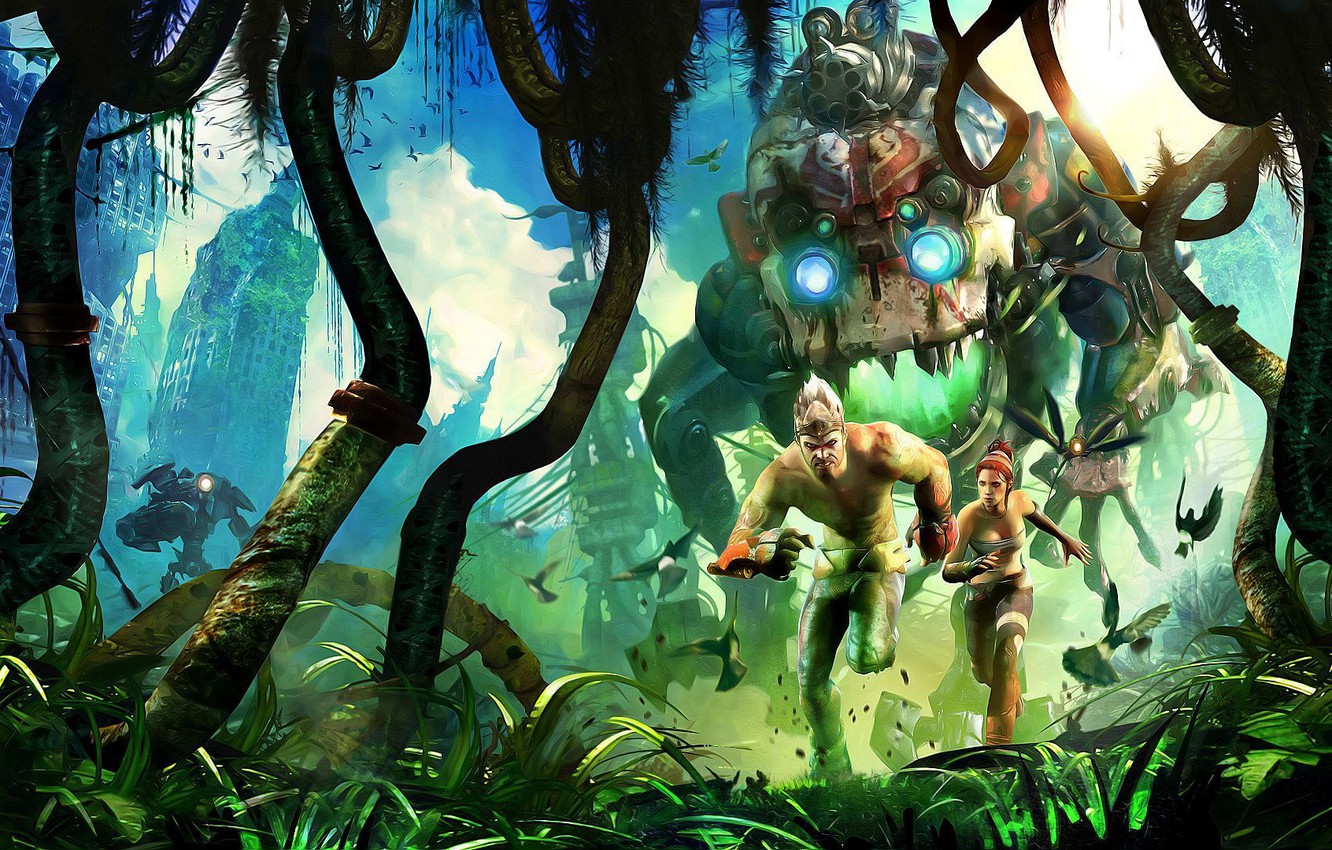
Ninja Theory crafted a beautiful, poignant action-adventure often overshadowed by bigger names. Its stunning post-apocalyptic world, powered by Unreal Engine 3, and the unexpectedly deep bond between Monkey and Trip, offered a genuinely moving narrative. Combat might have been simple, but the journey and character development were anything but. It's a shame this gem didn't get the widespread recognition it deserved; a truly cinematic and heartfelt experience.
5. Folklore
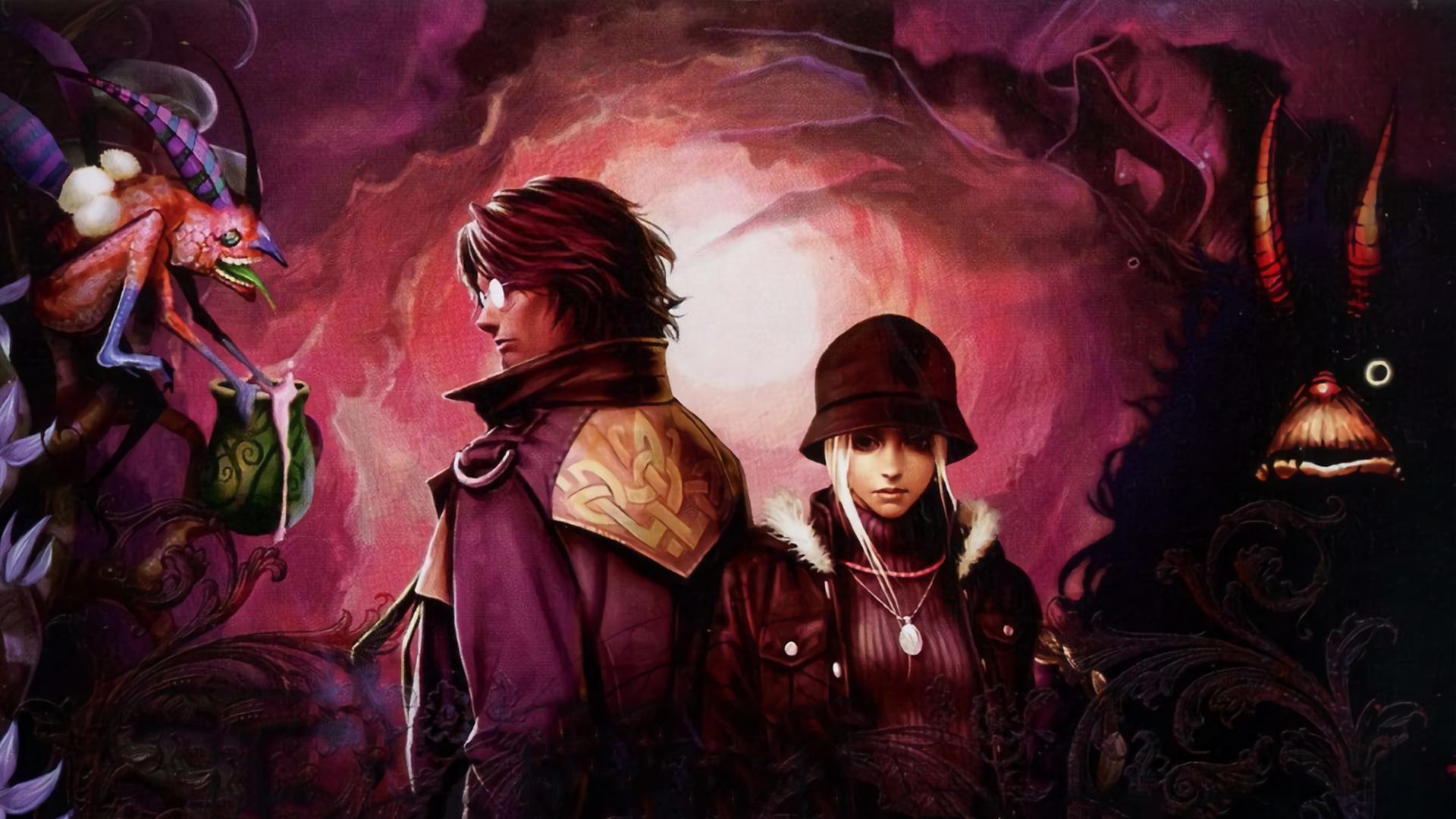
This PS3 exclusive felt like a forgotten fairy tale brought to life. Its unique art style, blending Celtic mythology with a gothic aesthetic, was captivating. You literally absorbed enemy souls to use their powers, a mechanic that felt fresh and inventive. Yet, *Folklore* quietly faded into obscurity, a victim of early PS3 struggles and perhaps its own niche appeal. It's a shame, as its dark charm and innovative combat deserved a wider audience.
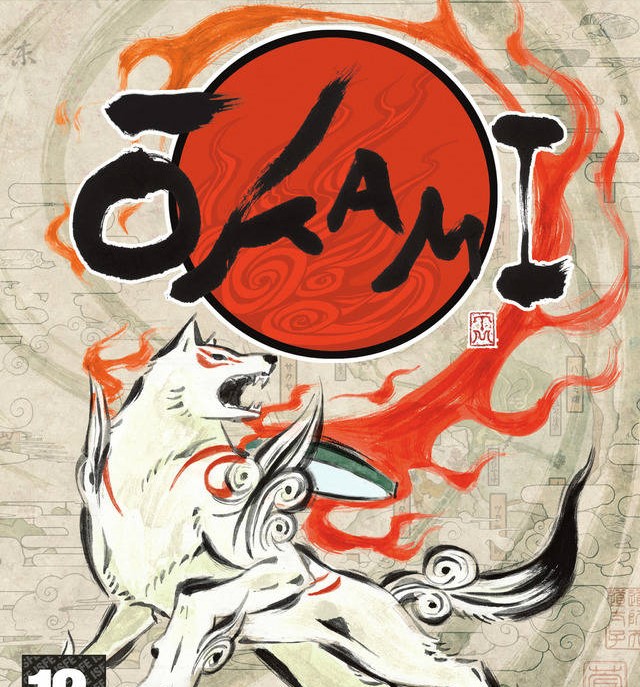
6. Okami
Clover Studio's masterpiece was a visual poem, painting its world with a cel-shaded brush inspired by traditional Japanese ink wash. Amaterasu's journey to restore beauty to a blighted land was simply breathtaking, blending Zelda-like exploration with unique Celestial Brush mechanics. It garnered critical adoration but commercial indifference, a cruel fate for such an artistic triumph. *Okami* proved that games could be high art, even if the market initially disagreed.
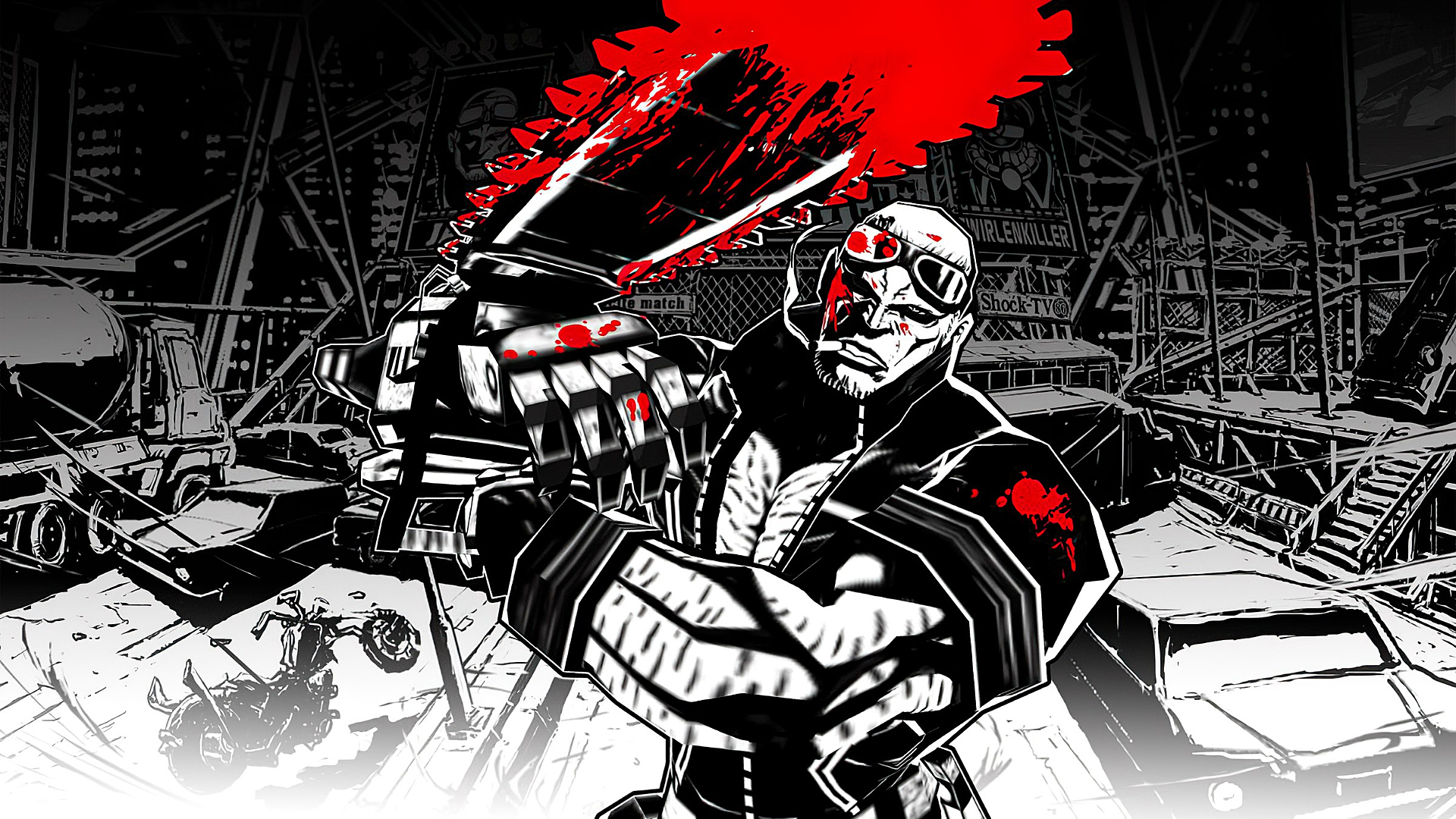
7. MadWorld
On the family-friendly Wii, PlatinumGames dropped *MadWorld*, a stylish, monochrome bloodbath. Its gratuitous violence, punctuated by splashes of red, was a defiant middle finger to expectations. The over-the-top announcer and brutal combat made it an absolute blast, a pure adrenaline shot. It never found a massive audience, probably because it was a hardcore, adult-oriented title on a console known for motion controls and casual fun. Still, it's an undeniable cult classic.
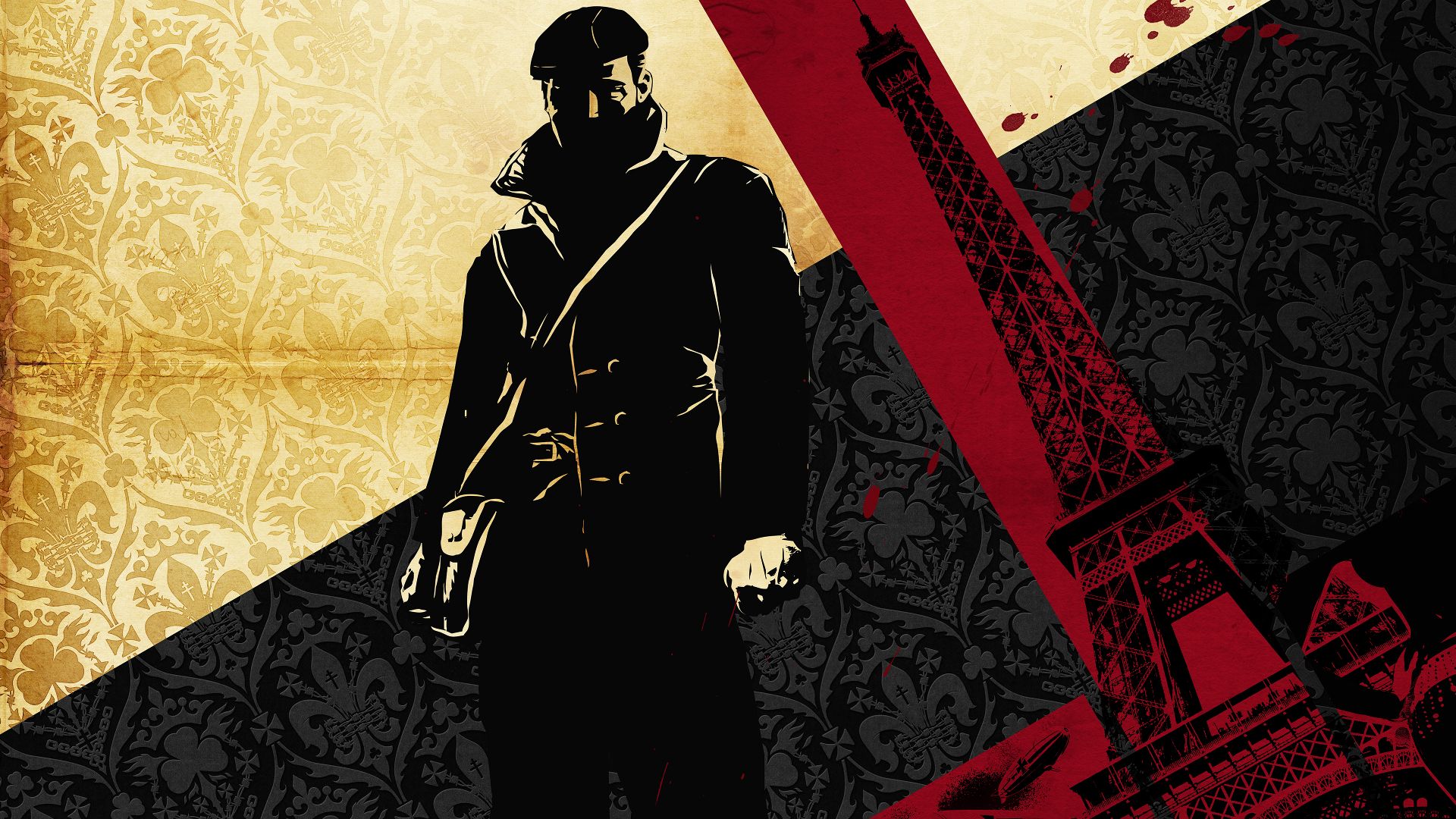
8. The Saboteur
Pandemic Studios' swansong was an open-world gem set in Nazi-occupied Paris, bringing color back to the city as you liberated districts. This noir-inspired playground, with its unique visual mechanic and solid stealth-action, oozed style. It had its flaws, but the atmosphere, the sense of rebellion, and the sheer joy of blowing up Nazi strongholds made it unforgettable. It deserved so much more than to be the last gasp of a studio.
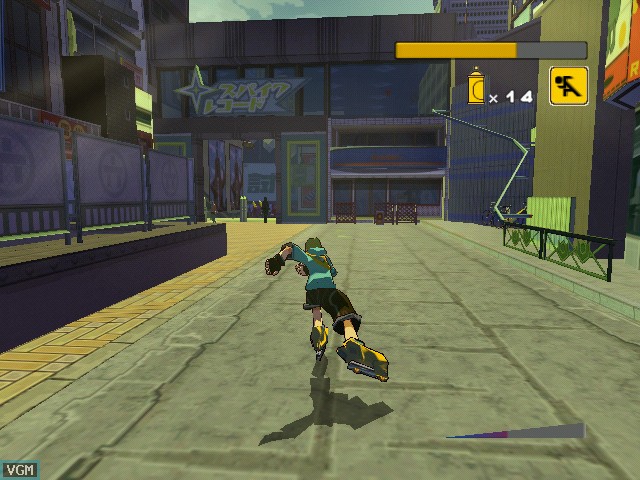
9. Jet Set Radio Future
This Xbox original was pure, unadulterated cool. Its cel-shaded aesthetic, graffiti mechanics, and incredible funk/hip-hop soundtrack created an urban playground that felt alive. Boosting around Tokyo-to on skates, tagging walls, and outrunning cops was an unparalleled experience. It was a sequel that refined everything its Dreamcast predecessor did right, but like many Sega cult hits, it just didn't catch on with mainstream audiences, becoming a beloved, yet niche, classic.
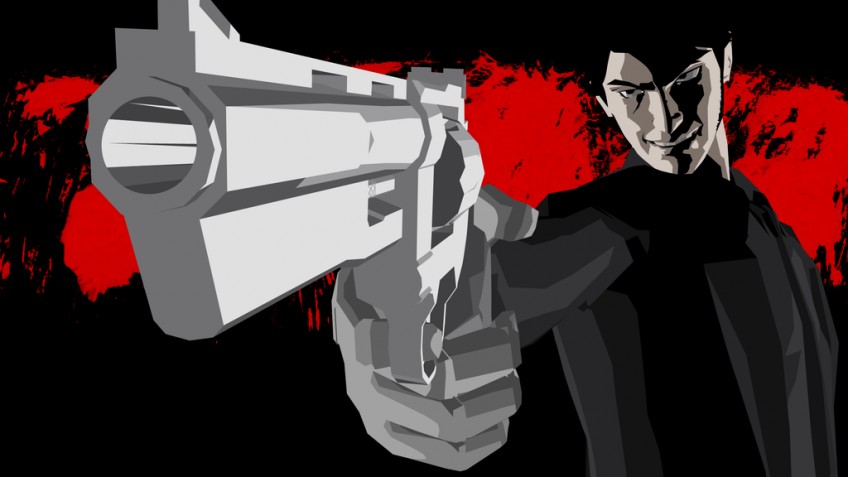
10. killer7
Suda51’s first major breakthrough was a fever dream, a truly experimental rail shooter that defied categorization. Its bizarre narrative, fragmented characters, and stark, cel-shaded visuals were utterly polarizing. Some called it pretentious, others genius. Regardless, it was a bold artistic statement, a game that refused to compromise its vision for mass appeal. For those who connected with its surreal intensity, *killer7* remains an unforgettable, mind-bending journey into the abstract.