
1. Flashback
The shimmering sequencers and robotic vocal delivery here encapsulate a precise moment in late-70s synth-disco. Its production, while seemingly simple, laid a blueprint for the mechanical precision that would define much of early electronic dance music. A pure, unadulterated groove, meticulously engineered for the mirrored ball. The bassline, unwavering and almost hypnotic, drives the whole affair with a synthetic pulse, proving how potent minimal elements could be.
2. Birdland
Zawinul and Shorter, alongside Pastorius's liquid bass, constructed a masterpiece of jazz-fusion. This isn't just virtuosity; it's composition as a living, breathing entity. The layers of synths and horns intertwine, creating a soundscape both sophisticated and utterly infectious. It captures the adventurous spirit of musicians pushing boundaries, yet grounding it all in an undeniable, complex rhythm, showcasing impeccable pre-digital studio craft.

3. Kashmir
The colossal riff and those ominous string arrangements; this track is a definitive statement of art-rock's ambition colliding with heavy blues-rock. It's not just a song; it's an epic journey, a sonic architecture built on a foundation of Eastern-influenced mysticism and sheer, unadulterated power. The pre-digital studio wizardry here created an atmosphere that few have replicated, a truly unyielding psychedelic rock experience.
4. Iron Man 2
If we consider the spirit of its namesake, this would be the quintessential heavy metal riff, slowed to a menacing crawl, dripping with foreboding. This sound defined a genre, its stark, monolithic structure built on simple, crushing power chords and an almost primitive rhythmic propulsion. It's the blueprint for countless bands, proving that primal energy, when channeled through a well-crafted distortion, can create an indomitable groove.
5. Blue Monday
A machine-driven anthem, its revolutionary drum machine programming and iconic synth bassline redefined pop music. It's coldwave's icy precision blended with a nascent dancefloor sensibility, demonstrating the profound impact of affordable synthesizers and sequencers on composition. This track wasn't just groundbreaking; it was a seismic shift, creating a sonic template that still reverberates through electronic music, a true pre-digital milestone.

6. Bela Lugosi's Dead (The Hunger Mix)
The extended, echoing cavern of sound in *The Hunger Mix* amplifies Bauhaus’s original darkwave blueprint. It’s a masterclass in atmosphere, where reverb and delay sculpt a sense of gothic dread. The minimalist bassline and Daniel Ash’s skeletal guitar work create a hypnotic, unsettling groove, proving that desolation could be deeply compelling and rhythmically engaging, all crafted within the confines of pre-digital studio techniques.
7. Good Times Go
A sophisticated, West Coast groove, perhaps a less obvious choice for 'unyielding' but undeniably smooth. Bobby Caldwell’s vocal delivery floats over a meticulously arranged backdrop of brass and a tight rhythm section. It embodies a certain refined funk, showcasing how intricate arrangements and impeccable musicianship could craft a laid-back yet utterly compelling sonic landscape in the early 80s, a testament to analog warmth.
8. Can You Feel It
This track is the absolute genesis of deep house. Larry Heard’s mastery of the Roland 707 and Juno-60 created an ethereal, soulful landscape of pads and a bassline that is pure, unadulterated hypnosis. It’s warm, organic, yet entirely electronic, illustrating how simple, perfectly sequenced elements could forge an entirely new, profoundly influential rhythmic language using the cutting edge of pre-digital synthesizers.

9. Life of a Tree
This piece, in its imagined form, would unfold with evolving analog synth pads and subtle, organic percussive elements, perhaps a carefully mic'd acoustic guitar. It embodies the ambient schools, where atmosphere and sonic sculpture take precedence over traditional melody. A deep, introspective groove, built on sustained tones and the slow bloom of pre-digital textures, inviting contemplation within its carefully constructed, almost minimalist soundscape.
10. Head Hunters
This entire album, and its title track, fundamentally reshaped jazz-funk. Hancock’s Fender Rhodes and ARP Odyssey scream with a primal, electric energy, underpinned by Harvey Mason’s infectious, syncopated rhythms. It's an almost academic study in groove, yet delivered with a raw, undeniable swagger. The interplay is telepathic, a masterclass in how fusion could be both cerebral and deeply, profoundly funky, a pre-digital triumph.

11. Pay to Cum
A furious, unrelenting blast of pure hardcore punk. Clocking in at under two minutes, it's a testament to velocity and raw aggression. The rhythmic assault, a blur of drums and guitar, creates an almost overwhelming kinetic energy. It’s a primal scream compressed into a perfectly efficient, pulverizing groove, demonstrating that speed and intensity could be a genre's most potent weapon, captured with an urgent, visceral immediacy.
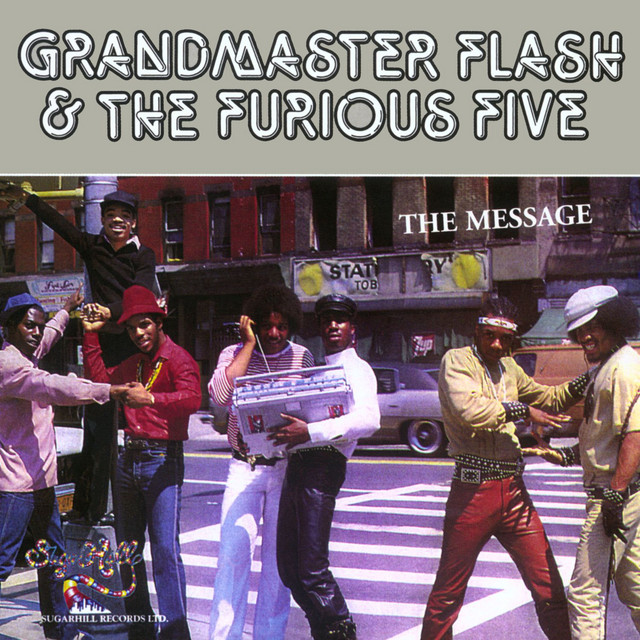
12. The Message
A monumental shift for rap, proving its lyrical depth beyond party anthems. The stark, electro-funk beat, driven by the Roland TR-808, provides a bleak, urgent backdrop for Melle Mel’s raw social commentary. This groove isn’t just for dancing; it's a foundation for narrative, a powerful, unyielding pulse that ushered in a new era of conscious hip-hop, crafted with an early digital drum machine.