
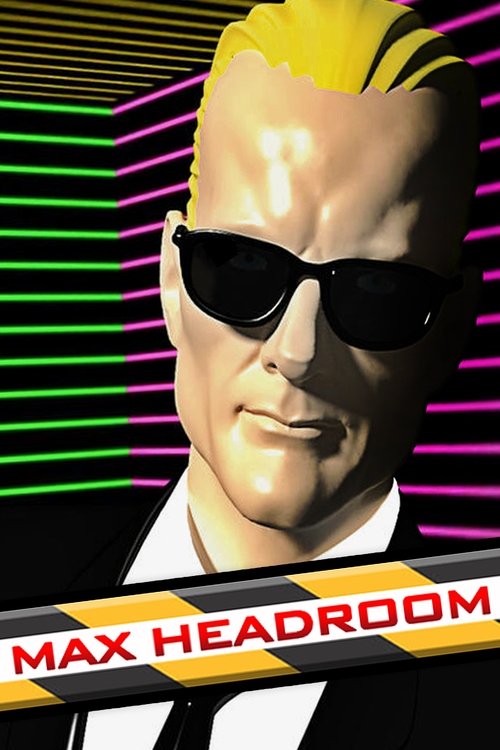
1. Max Headroom
Before prestige TV was even a concept, Lynch and Frost dropped this. It was a soap opera, a murder mystery, and a horror show all at once, but filtered through a dream logic that made absolutely no sense and perfect sense simultaneously. The diners, the red room, the cherry pie – it was all so Americana, yet so utterly twisted. Blew my mind how much genuine weirdness primetime network television could handle.
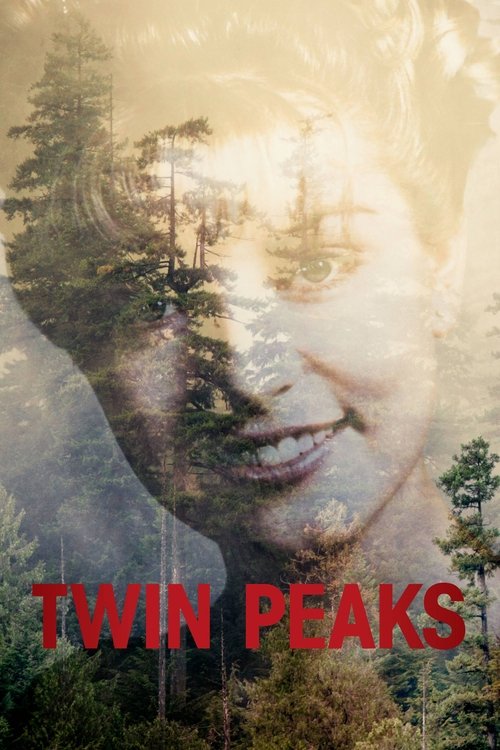
2. Twin Peaks
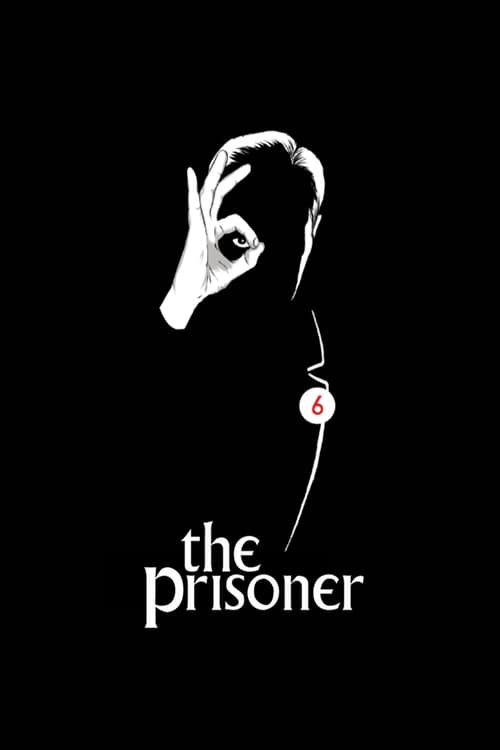
This 60s gem felt right at home on late-night cable in the 80s, a true mind-bender. A secret agent trapped in a picturesque, inescapable village, constantly battling for his identity. It was paranoid, philosophical, and utterly bizarre, with those giant white rovers and the constant questioning of reality. Every episode was a fever dream, proving that TV could be genuinely subversive and thought-provoking.
3. The Prisoner
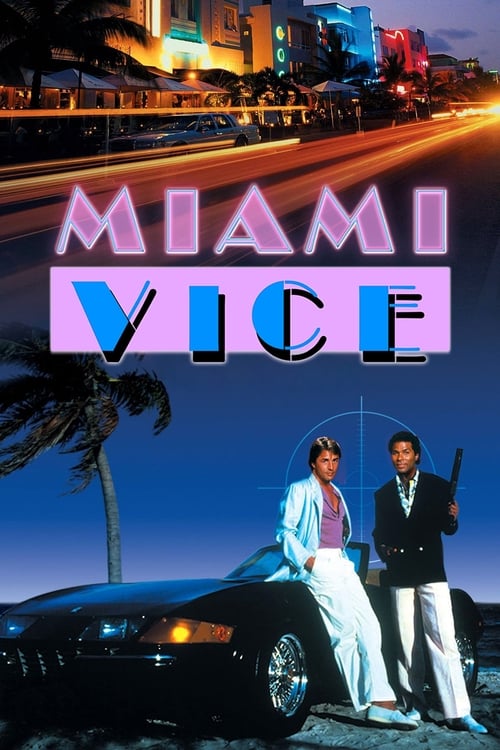
Forget the plot; it was the vibe, man. Pastel suits, fast cars, and a soundtrack that was practically a character itself. Every scene looked like a pop music video, bathed in those distinctive neon hues. This wasn't just a cop show; it was a mood piece, a fashion statement, and a showcase for how stylish and visually arresting television could be. It cemented the 80s aesthetic in my brain forever.
4. Miami Vice
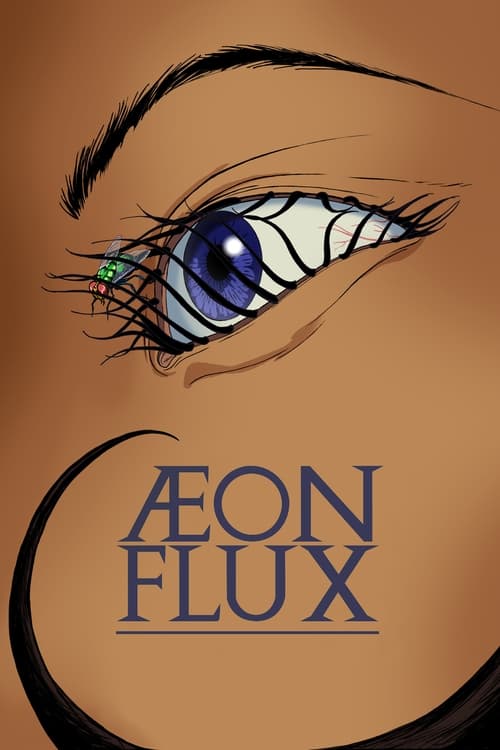
MTV's Liquid Television was a breeding ground for this kind of madness. Æon Flux wasn't just animation; it was a hyper-stylized, hyper-violent ballet of espionage and body horror, pushing boundaries constantly. The bizarre character design, the fluid movement, the minimal dialogue – it was a pure visual assault, punk rock distilled into animated form. Totally unique, totally transgressive.
5. Æon Flux
This was where the wild things lived, an anthology playground for animators and artists pushing every boundary. It was raw, often grotesque, and always unpredictable. From Beavis and Butt-Head's first appearances to the surreal brilliance of Æon Flux, it felt like flipping through a zine come to life. Cable TV was finally letting true weirdness and experimentation flourish, and it was glorious.
6. Liquid Television
While Star Trek was still episodic, Babylon 5 dared to be a novel for television. This was serialized sci-fi, with political intrigue, ancient alien races, and storylines that spanned years. The CGI was rudimentary, but the model work and practical effects still held up. It proved that syndicated TV could tell epic, complex stories that truly rewarded long-term viewing and commitment.