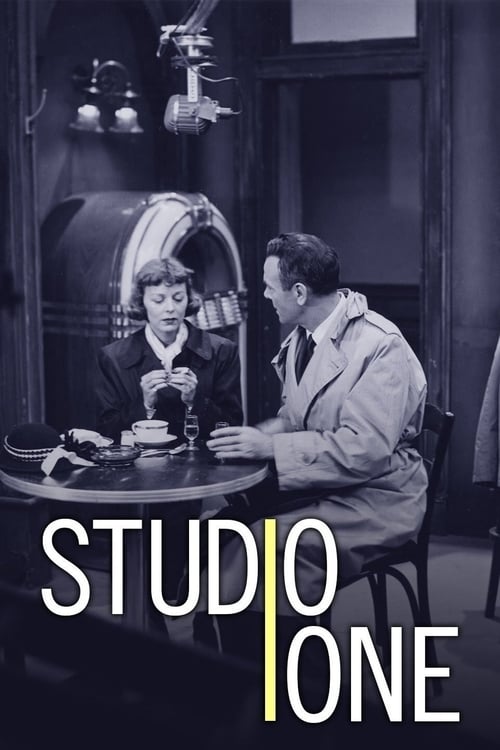
1. Studio One
Oh, the sheer nerve of live television! This was appointment viewing, folks, back when every performance was a high-wire act. You'd gather 'round the set, watching these ambitious dramas unfold, sometimes brilliant, sometimes a glorious mess. The kinescope recordings give it that ghostly, immediate feel, like you're peeking into a theatrical moment frozen in time. It was the training ground for so many actors and directors, right there in your living room, raw and unpolished.

2. Naked City
Now, this was a step away from the soundstage. 'There are eight million stories in the Naked City,' and they weren't kidding. Filmed on the actual streets of New York, it had a grittiness that felt revolutionary. It wasn't just about catching the bad guy; it was about the lives touched by crime, the everyday people. The black-and-white cinematography added to that documentary-like feel, making you believe you were seeing the real thing, not some Hollywood backlot.
3. One Step Beyond
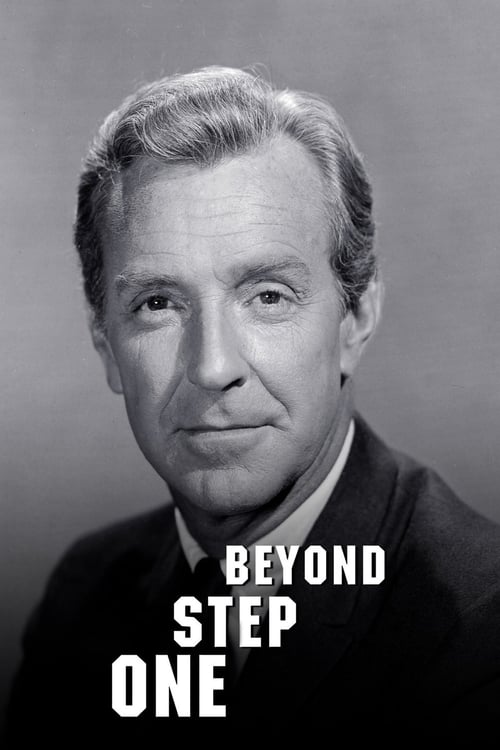
Before Rod Serling gave us his famous introductions, John Newland was staring straight into the camera, telling us about these 'documented cases' of the unexplained. It was quieter than *Twilight Zone*, more eerie in its presentation, focusing on psychic phenomena and ghostly encounters with a straight face. You wanted to believe, didn't you? And the low-key, almost journalistic approach often made the hairs stand up on your neck more effectively than any monster could.
4. Thriller
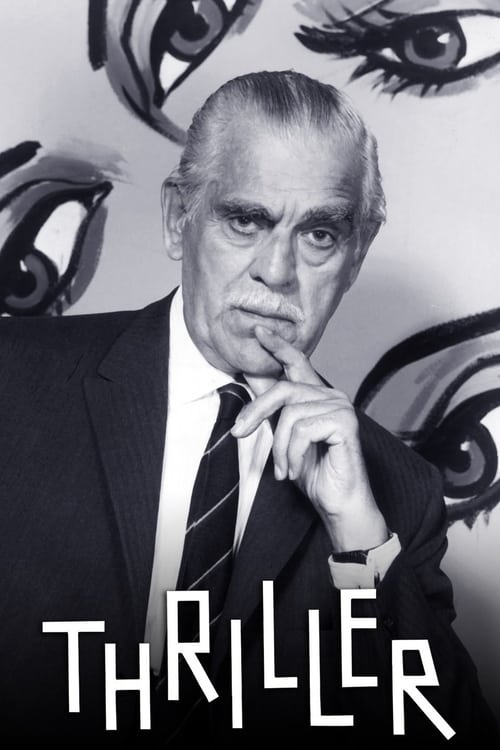
Boris Karloff! That name alone conjures up shadows and screams. He'd open each episode with that wonderfully sinister charm, setting the stage for some truly macabre tales. This wasn't lighthearted stuff; *Thriller* often delved into genuine horror, with gothic atmosphere and a real sense of dread. It pushed the boundaries of what you could show on prime-time television, giving us chills and a few sleepless nights, courtesy of the master himself.

5. The Fugitive
Who didn't root for Dr. Richard Kimble? This was groundbreaking television, folks, a genuine serialized drama before that was common. Every week, a new town, new characters, and the relentless pursuit by Lt. Gerard. It kept you coming back, wanting to know if he'd finally clear his name. That long-form storytelling, the slow burn of the chase, it hooked you. And the finale? Everyone was talking about it the next day.

6. Dark Shadows
A daytime soap opera about a vampire? And it worked! *Dark Shadows* started as a traditional gothic romance, but then Barnabas Collins showed up and everything changed. It embraced the supernatural, the melodrama, and became this wonderfully weird, compelling serialized story. You couldn't help but get swept up in the strange goings-on at Collinwood. It was campy, yes, but also genuinely spooky and utterly unique for its time slot.
7. The Prisoner
Number Six. 'I am not a number, I am a free man!' What was it all about? To this day, people argue. This show was a head-trip, a spy thriller turned existential nightmare, all set in 'The Village.' Patrick McGoohan created something utterly original, visually striking, and completely baffling. It challenged you, made you think, and left you wondering about authority and individuality. You just couldn't turn away, even when you had no idea what was happening.
8. Adam-12
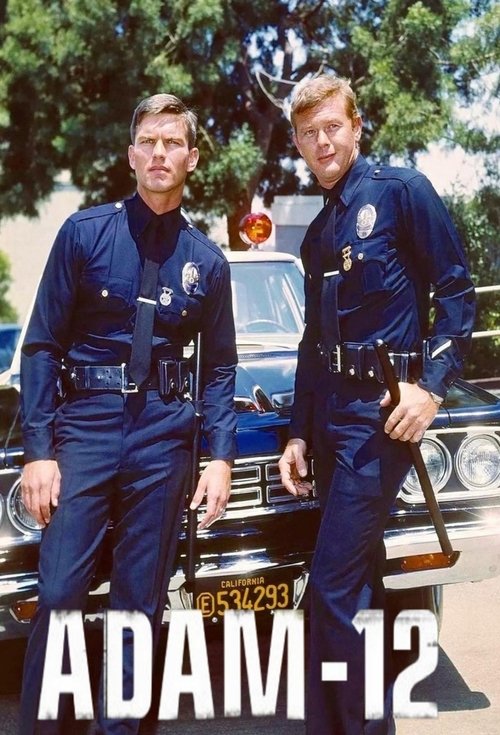
Here's a show that tried to bring realism to the police procedural. No flashy shootouts every week, just the day-to-day grind of patrol officers Malloy and Reed. It focused on the routine, the calls, the camaraderie, making it feel authentic. Jack Webb's influence was all over it, with that straightforward, almost documentary style. It made you appreciate the mundane, yet essential, work of law enforcement, without all the dramatic embellishments.
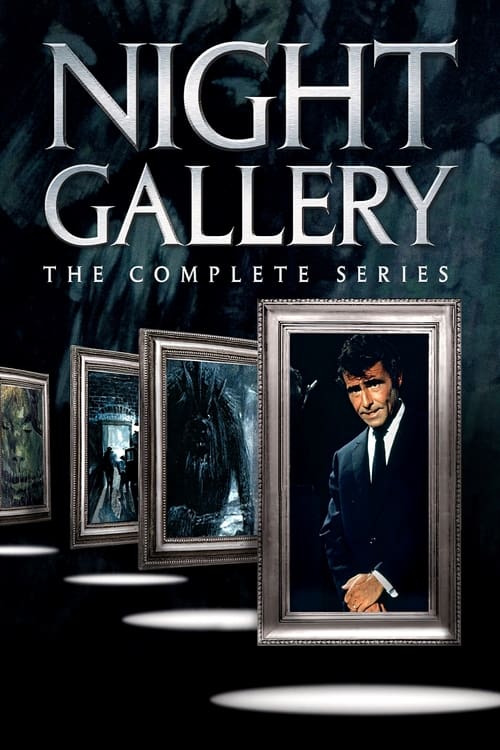
9. Night Gallery
Rod Serling returned to the anthology format, but this time, it was often darker, more macabre than *The Twilight Zone*. He'd introduce each tale from a spooky art gallery, promising unsettling visions. While sometimes uneven, it delivered some truly chilling stories, exploring horror and the supernatural with a brushstroke of gothic dread. Serling's presence alone elevated it, reminding us of his unique ability to craft a disturbing tale.
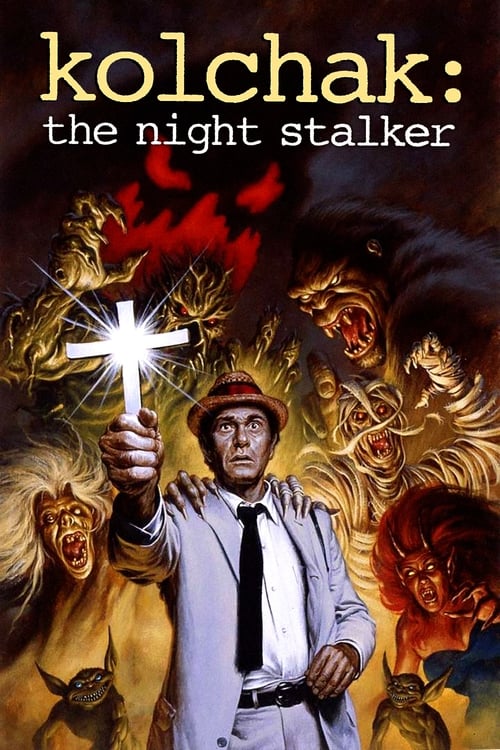
10. Kolchak: The Night Stalker
Forget Mulder and Scully; Carl Kolchak was chasing monsters long before them. Darren McGavin played the cynical, rumpled reporter who always stumbled upon vampires, werewolves, and other creatures of the night. Nobody ever believed him, of course, which was half the fun. It was a clever blend of crime procedural and horror, with a great sense of humor. A true cult classic that paved the way for so much supernatural mystery to come.
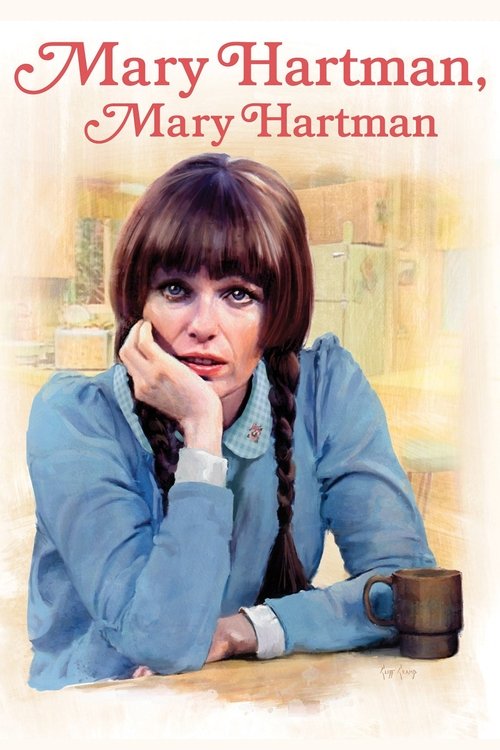
11. Mary Hartman, Mary Hartman
Well, this was certainly something else. Norman Lear took the soap opera format and twisted it into a bizarre, deadpan satire of American life. Louise Lasser's Mary was the quintessential bewildered housewife, dealing with everything from waxy yellow buildup to mass murderers with the same blank stare. It was unsettling, hilarious, and utterly unique. You just couldn't predict what absurd tragedy would befall Fernwood next.

12. Soap
The show that started a thousand protests before it even aired! *Soap* was a groundbreaking sitcom, presenting itself as a nightly parody of daytime melodrama, complete with cliffhangers and outrageous plotlines. Incest, murder, aliens—you name it, the Tate and Campbell families probably dealt with it. It was daring, hilarious, and proved that a serialized comedy could hold an audience just as well as any drama. It really pushed the envelope.