

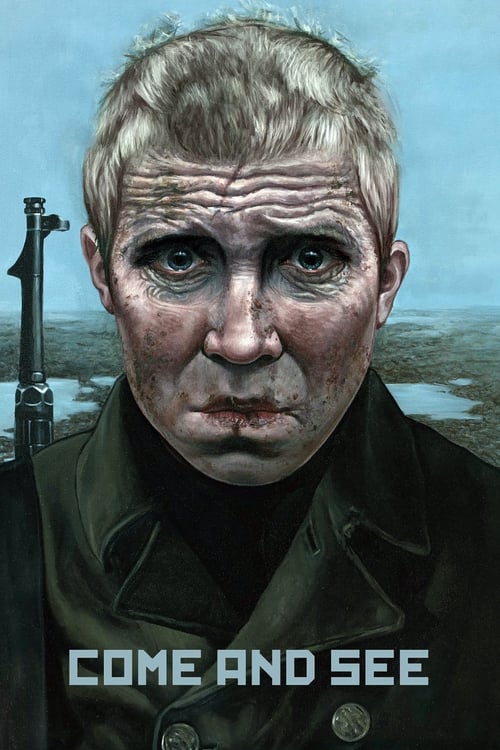
1. Come and See
Elem Klimov’s “Come and See” isn't merely a film about World War II; it’s an immersive, harrowing descent into the psychological and physical degradation of conflict, seen through a boy’s eyes. Its innovative sound design and almost hallucinatory realism force a visceral confrontation with the true, dehumanizing horror of battle. This isn't entertainment, but a profound, indelible experience, reshaping one's understanding of human suffering and the catastrophic cost of war with an unflinching, almost unbearable intimacy.

2. Possession
Andrzej Żuławski’s “Possession” is a raw, operatic excavation of a failing marriage, set against a Cold War Berlin backdrop. Isabelle Adjani’s performance, particularly her infamous subway scene, isn't simply acting; it’s a primal scream, a physical manifestation of psychological agony. This film challenges conventional narrative structures, plunging into an abyss of obsession and identity dissolution, leaving the viewer to grapple with its unsettling, visceral portrayal of love, monstrosity, and existential crisis with profound impact.
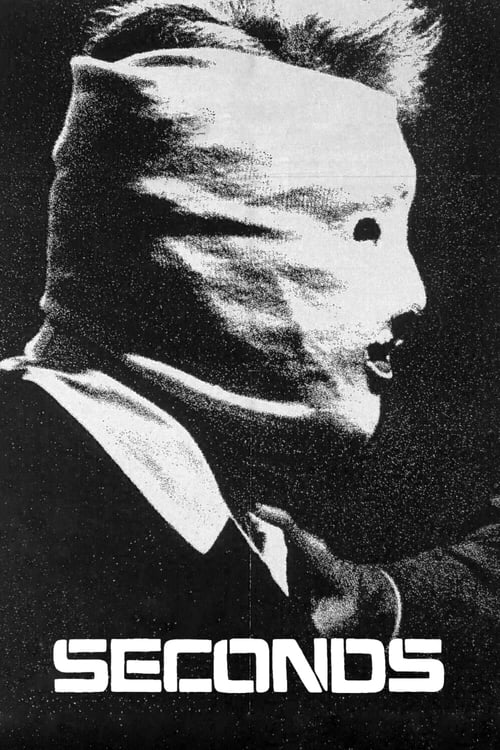
3. Seconds
John Frankenheimer’s “Seconds” is a disquieting look at the American Dream's underbelly, an existential horror wrapped in a sci-fi premise. Rock Hudson, in a career-redefining role, plays a man seeking a second chance at life through a mysterious corporation. The film’s stark black-and-white cinematography and unsettling themes of identity, conformity, and the inescapable self provide a chilling commentary on the pursuit of happiness and the price of reinvention, questioning what truly defines us with lasting unease.
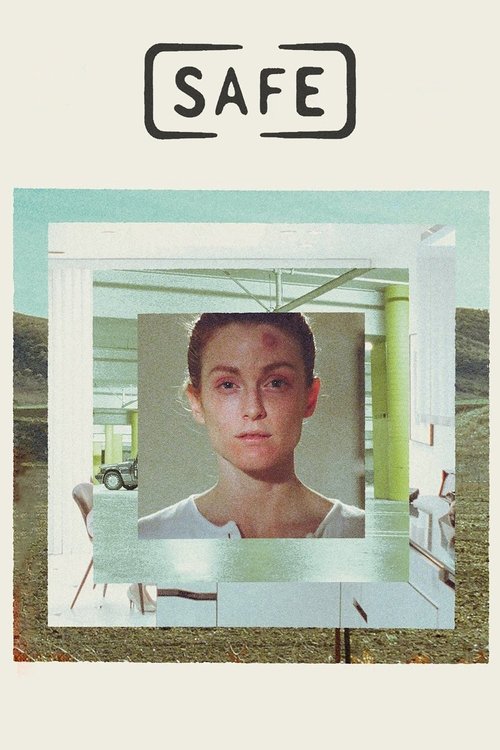
4. Safe
Todd Haynes’ “Safe” is a meticulously crafted, deeply unsettling portrait of environmental illness and societal alienation. Julianne Moore delivers a quietly devastating performance as Carol White, a woman whose body begins to reject her seemingly perfect suburban life. Haynes uses a detached, almost clinical gaze to explore themes of modern malaise, consumerism, and the elusive nature of health, suggesting that perhaps the most toxic environments are those we create ourselves, leaving a haunting sense of unease and critical reflection.
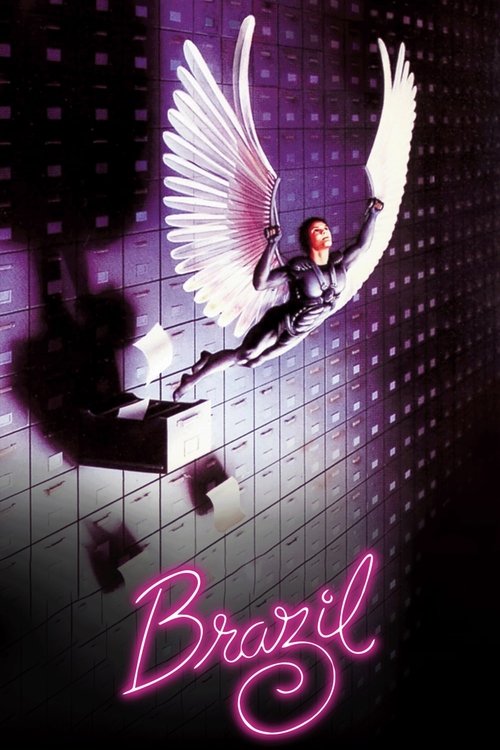
5. Brazil
Terry Gilliam’s “Brazil” is a dystopian masterpiece, a darkly comedic and visually audacious critique of bureaucracy run amok. Sam Lowry’s quest for a dream woman unravels in a totalitarian state choked by paperwork and technological absurdity. Gilliam’s unique aesthetic, combining steampunk anachronisms with brutalist architecture, creates a world both fantastical and eerily familiar. It’s a profound reflection on individualism versus systemic oppression, urging a critical eye toward the dehumanizing potential of over-organization and societal control.
6. The Cremator
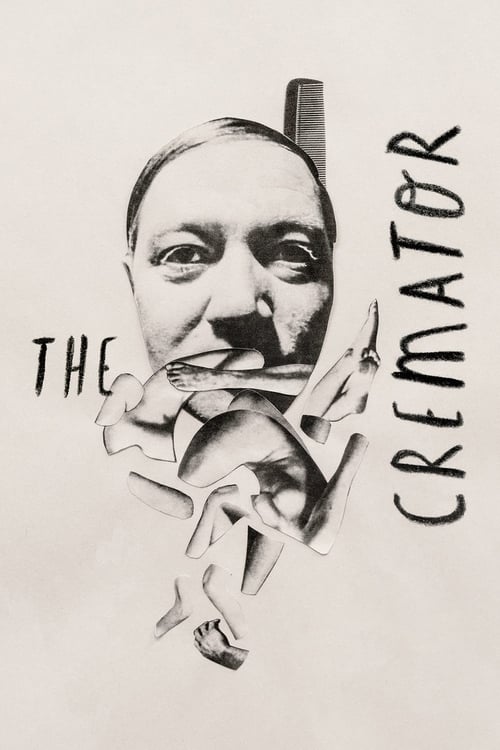
Juraj Herz’s “The Cremator” is a chilling, darkly comedic psychological horror from the Czechoslovak New Wave. Rudolf Hrušínský’s portrayal of Kopfrkingl, a cremator who rationalizes his descent into fascism with increasingly grotesque logic, is utterly captivating. Herz employs unsettling camera angles and a disorienting narrative style to depict the insidious nature of evil and the ease with which ordinary men can embrace atrocity. It's a deeply disturbing, yet brilliant, exploration of moral corruption and societal complicity.
7. Bad Timing
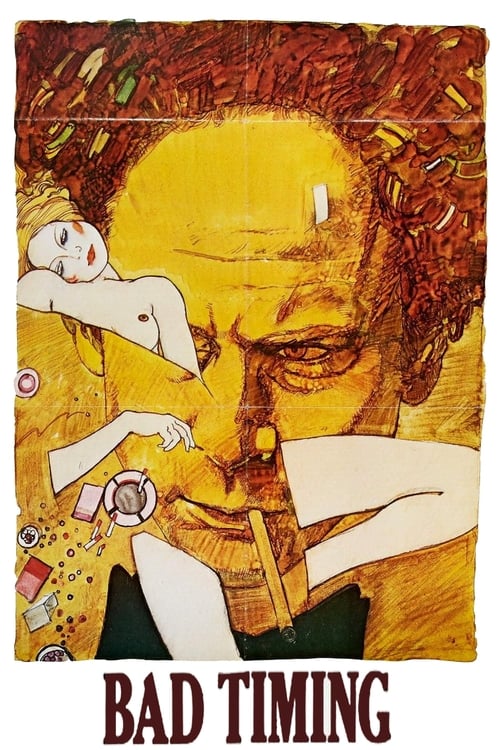
Nicolas Roeg’s “Bad Timing” is a fragmented, non-linear psychological drama that dissects a toxic relationship with surgical precision. Art Garfunkel and Theresa Russell portray lovers whose intense connection spirals into a destructive vortex. Roeg’s signature editing style, juxtaposing past and present, creates a disorienting mosaic of memory and perception, forcing the viewer to piece together the unraveling of their affair. It’s a provocative, uncomfortable examination of obsession, power dynamics, and consent, challenging conventional romance narratives.

8. My Dinner with Andre
Louis Malle’s “My Dinner with Andre” is an audacious cinematic experiment: two men, Wallace Shawn and Andre Gregory, simply talk over dinner. Yet, this extended conversation about life, art, and the human condition becomes profoundly engaging. It’s a testament to the power of dialogue, intellectual curiosity, and the art of listening. The film subtly reshapes one’s perspective on the richness of human connection and the depth found in thoughtful discourse, demonstrating cinema’s capacity for intimate revelation and profound thought.
9. Picnic at Hanging Rock
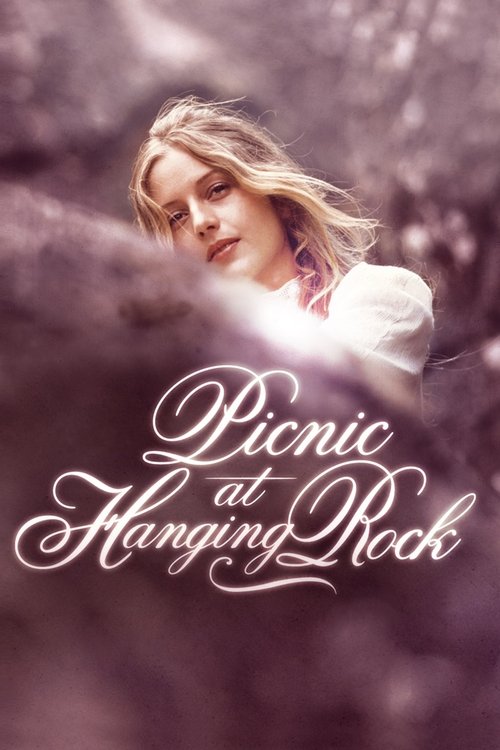
Peter Weir’s “Picnic at Hanging Rock” is an ethereal, haunting mystery that transcends its own plot. The disappearance of schoolgirls at an ancient rock formation in Australia is less about a solution and more about the unsettling power of the unknown. Weir’s atmospheric direction and Russell Boyd’s dreamlike cinematography evoke a palpable sense of dread and colonial unease, challenging the viewer to confront the inexplicable and the fragility of order in the face of nature’s indifference, leaving an enduring sense of enigma.