


1. Gospel Train (Expanded Edition)
That raw, unfettered spirit of gospel, it’s the bedrock of so much that came later. This expanded edition just digs deeper into the soil, unearthing more of that communal fire. You hear the call-and-response, the sheer unvarnished power that birthed soul and rock & roll. It’s not just hymns; it’s a direct current, a jolt of pure human expression that still vibrates through the air, even decades on. A testament to faith and sound.
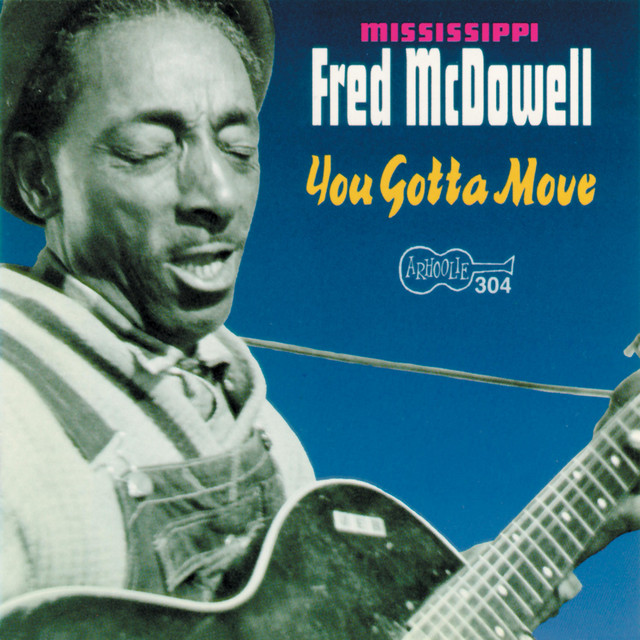
2. You Gotta Move
There's a primal grind to "You Gotta Move" that just can't be denied. It’s got that greasy, delta-soaked blues propulsion, the kind that makes you feel the earth beneath your feet. The raw guitar work, the insistent rhythm—it’s the sound of hard times and harder resolve, a genuine street-level swagger. This ain't polished; it's the real deal, a guttural declaration that pushes through the grime. A foundational riff, really, that still resonates.

3. Silhouettes in Blue
"Silhouettes in Blue" drifts in like a late-night fog rolling through a city alley. It's got that jazz club melancholy, the kind of sound that hangs heavy, yet somehow invites you closer. The instrumentation is sparse but deliberate, each note a brushstroke on a canvas of twilight. It’s got the cool detachment of a bebop nocturne mixed with the introspective hum of early post-punk. This isn't background music; it’s a quiet, insistent presence.
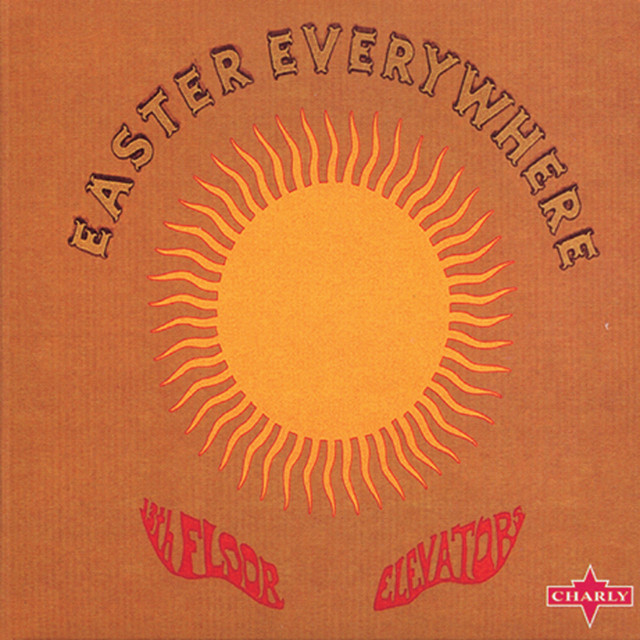
4. Easter Everywhere
Roky Erickson and the Elevators, man, "Easter Everywhere" is a trip without the tab. This record just rips open the consciousness, a full-bore psychedelic assault wrapped in fuzzy guitars and that jug. It’s got the raw energy of garage rock, but with a deeper, more unsettling vision. The lyrics are like fractured poetry, the sound an unhinged, beautiful chaos. This is the blueprint for a certain kind of mind expansion, a true document of underground rebellion.
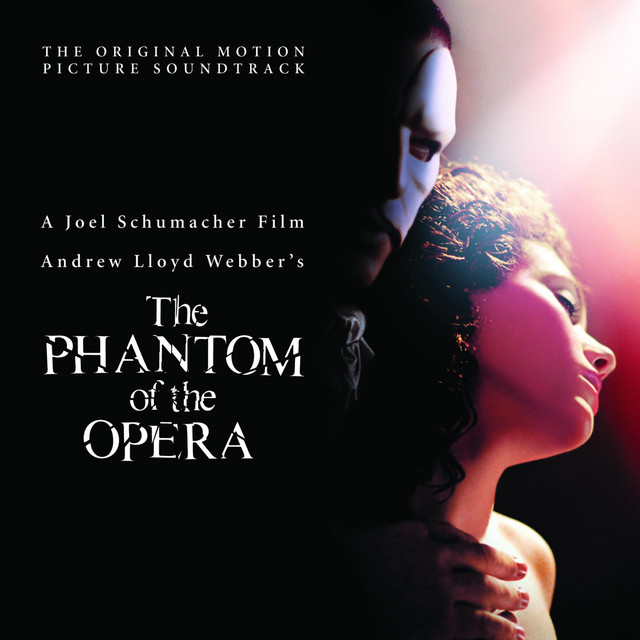
5. The Phantom of the Opera (Original Motion Picture Soundtrack)
Before the synth-laden epics, there was the pure, unadorned drama of early cinema scores. This original "Phantom" soundtrack, it’s all about atmosphere and tension. It conjures those gothic shadows and grand, unsettling romance without a single word. The orchestral swells, the ominous brass – it’s a masterclass in building dread and spectacle, a blueprint for how music can manipulate emotion in a darkened hall. Absolutely foundational for cinematic immersion.
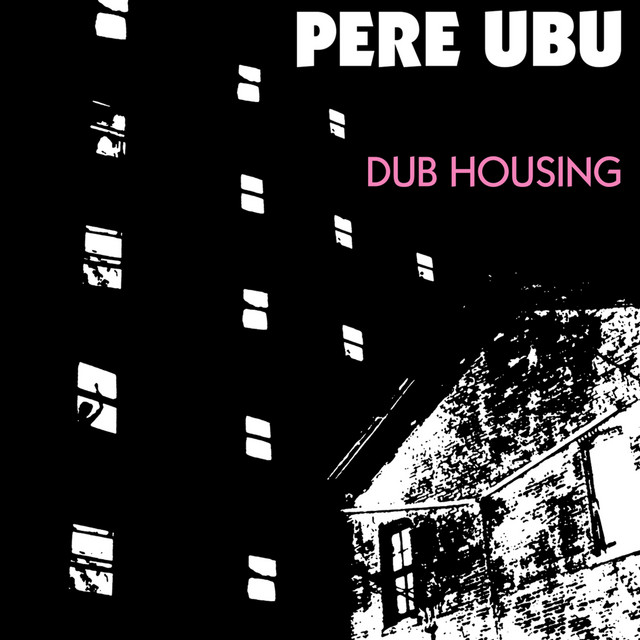
6. Dub Housing
Pere Ubu's "Dub Housing" isn't just a record; it's a fractured urban landscape set to sound. This is post-punk at its most gloriously disorienting, eschewing simple hooks for angular rhythms and David Thomas's caterwauling poetry. It’s got the industrial clatter, the free jazz saxophones, and a complete disregard for convention. This album doesn't invite you in; it drags you through a labyrinth of noise and nervous energy, a true sonic rebellion.
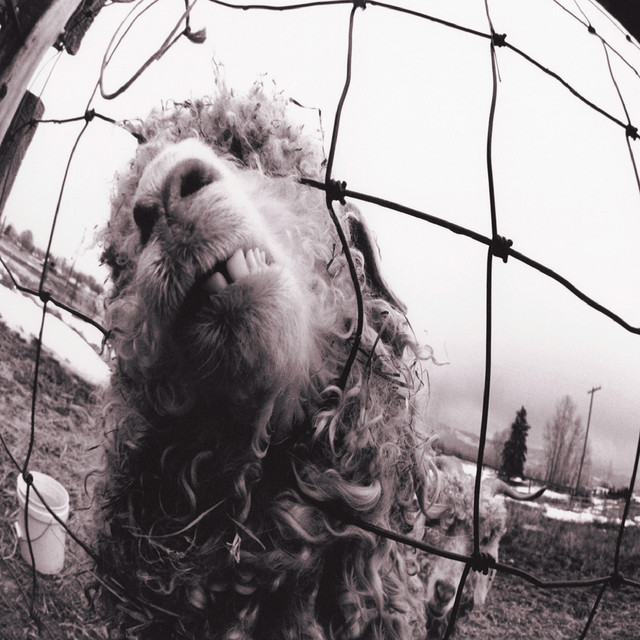
7. Vs.
Mission of Burma's "Vs." stands as a monument to post-punk's intellectual muscle and raw power. This isn't just noise; it’s tightly wound tension exploding with purpose. The guitar work slices through the air, the rhythm section is relentless, and those tape loops by Martin Swope add a layer of unsettling atmosphere. It's aggressive, smart, and utterly uncompromising. A complete masterclass in how to combine artistic ambition with sheer, visceral force.
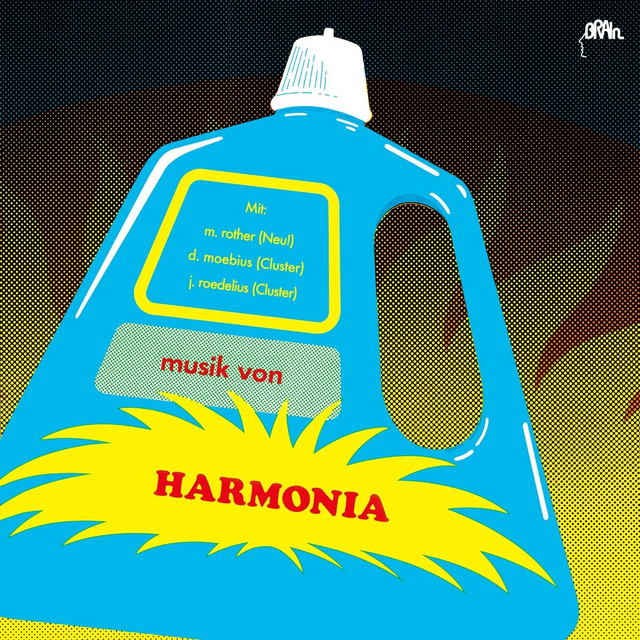
8. Musik von Harmonia
Harmonia's "Musik von Harmonia" is the sound of wide-open German landscapes and nascent electronic dreams. It’s got that motorik pulse, but softer, more inviting, a rhythmic hum that builds and recedes like the tide. This is krautrock moving beyond the autobahn, exploring serene, almost pastoral sonic terrains with minimalist precision. It laid crucial groundwork for ambient music, a truly hypnotic and understated masterpiece of the 70s experimental scene.
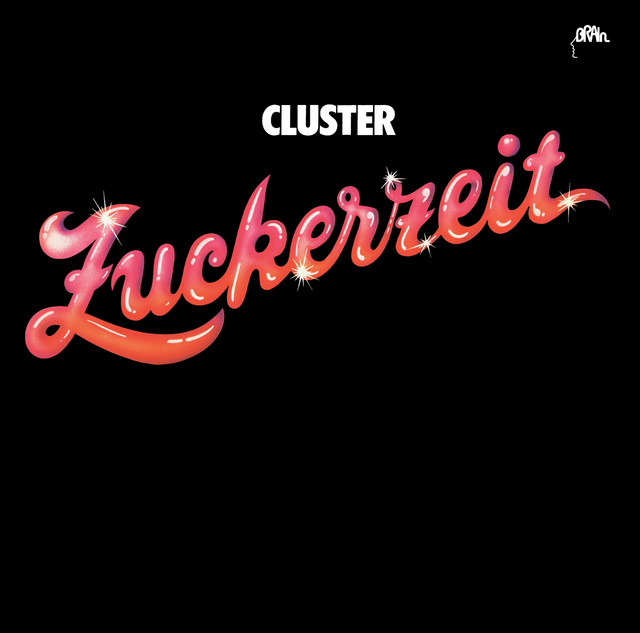
9. Zuckerzeit
Cluster’s "Zuckerzeit" feels like a playful, almost childlike journey into the future of electronic music. Gone are some of the darker, more abstract krautrock textures; here, it’s often melodic, bouncy, proto-synth-pop with a distinctly German sensibility. Conny Plank’s touch is evident, crafting these miniature sonic worlds out of primitive synthesizers and drum machines. It’s pioneering, charmingly quirky, and deceptively influential, a sweet spot in early electronic minimalism.
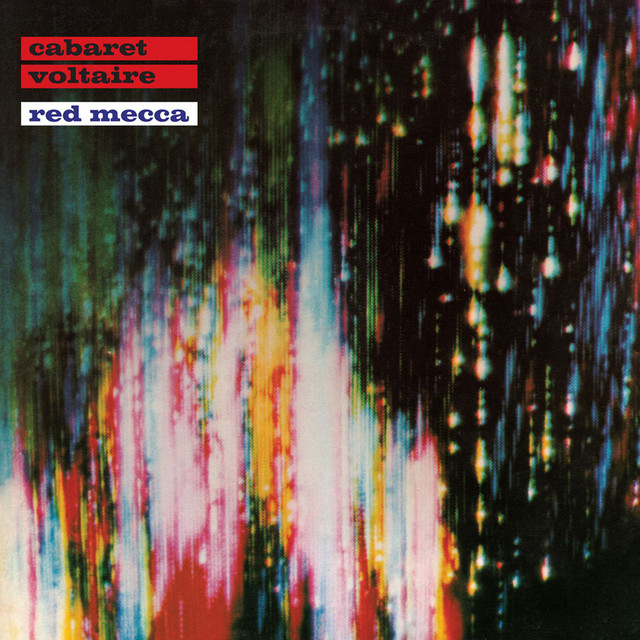
10. Red Mecca
Cabaret Voltaire's "Red Mecca" is the sound of urban decay and political paranoia pressed to vinyl. This is industrial music before it became a caricature, raw and uncompromising, built from tape loops, found sounds, and guttural electronics. It's got that stark, rhythmic intensity, a cold, mechanical throb that feels both alien and deeply human. It’s a chilling, provocative document of its era, a true sonic dissent that still resonates with unease.
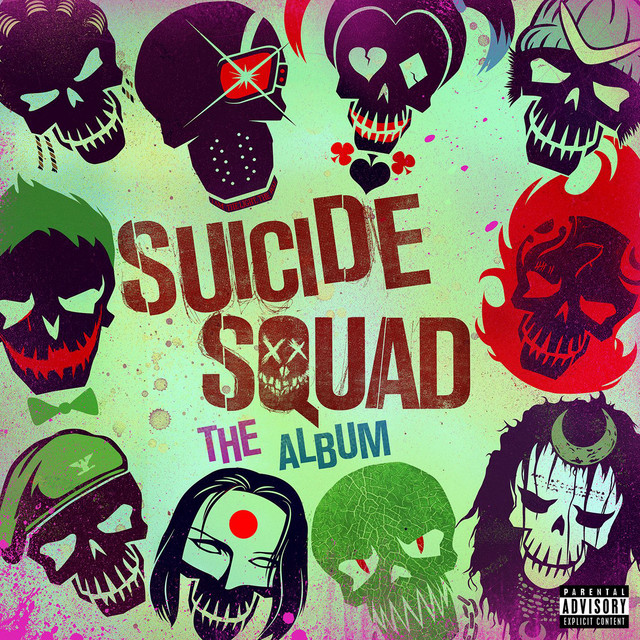
11. Suicide Squad: The Album
This 'Suicide Squad' collection, it's a different beast entirely from the soundtracks I usually dissect. It's less an organic score and more a curated playlist, a modern-day mixtape attempting to capture a mood. You hear the contemporary pop and rock forms, all slickly produced, designed to hit hard and fast. It's a snapshot of a particular moment, sure, but lacks the deep, singular vision of those foundational film scores. Pure commercial pop, really.

12. A Very Carper Christmas
A "Carper Christmas" is a curious thing, a distinct departure from the saccharine standards or the deep, soulful gospel carols. This isn't your grandad's Bing Crosby, nor is it the raw, communal joy of a gospel choir. It’s likely got that indie charm, a quirky, perhaps even slightly ironic take on holiday cheer. It carves out its own niche, proving that even well-worn traditions can find new, unexpected sonic expressions. A singular, modern festive offering.