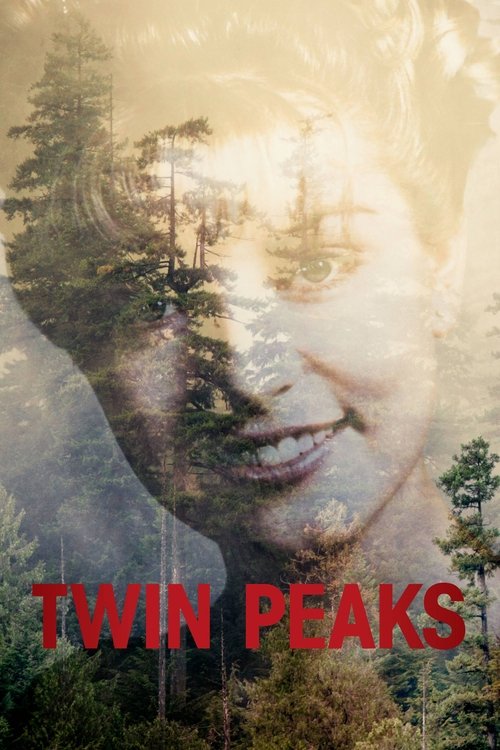
1. Twin Peaks
Before cable went wild, *Twin Peaks* hit network TV like a dream. It wasn't just solving Laura Palmer's murder; it was about the *feel* of it all. Lynch and Frost brought cinematic ambition, a serialized mystery, and genuine strangeness to prime time, proving audiences could handle complex, often opaque storytelling. It opened doors for shows to be more than just episodic procedural. It was a true game-changer for narrative depth.
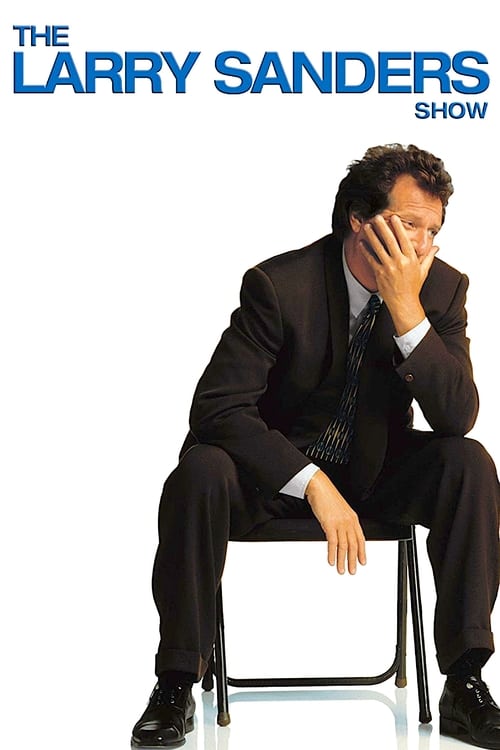
2. The Larry Sanders Show
*The Larry Sanders Show* was doing "cringe comedy" and mockumentary before anyone else knew what to call it. Garry Shandling pulled back the curtain on late-night TV with a sharp, often uncomfortable honesty. It wasn't about big laughs; it was about the nuanced, often petty, reality of celebrity and ego. This HBO gem laid groundwork for the ensemble workplace dramedy, proving cable could tackle sophisticated, adult humor.
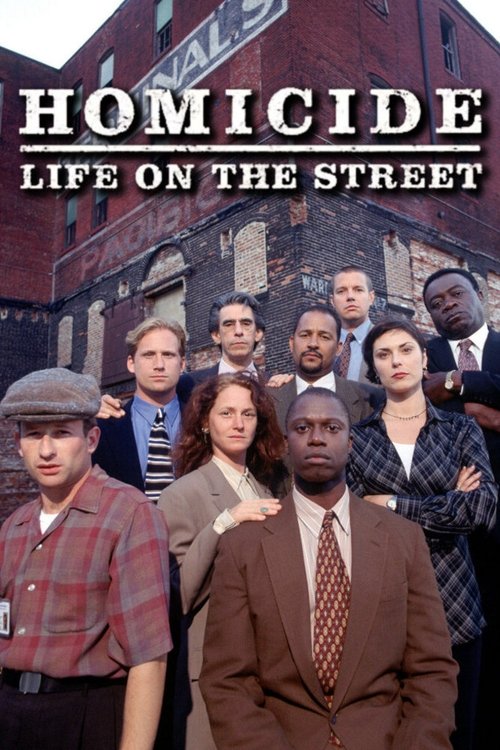
3. Homicide: Life on the Street
Forget your slick procedurals; *Homicide* was the real deal. Barry Levinson brought a raw, documentary-style grittiness to network TV, eschewing easy answers and neatly wrapped cases. Its ensemble cast felt like real cops, struggling with the daily grind and moral ambiguities. The handheld camera work and overlapping dialogue were revolutionary, creating an immersive, almost suffocating atmosphere that later shows would try, often fail, to replicate.
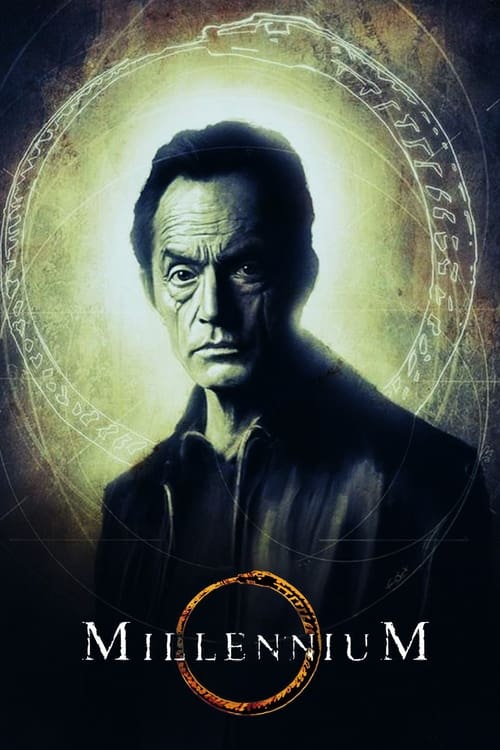
4. Millennium
Chris Carter’s post-*X-Files* dive into the darkness was *Millennium*, a relentless exploration of humanity’s capacity for evil. Frank Black’s ability to see through killers’ eyes gave it a psychological edge, but it was the pervasive sense of dread and unsettling atmosphere that truly defined it. This wasn't monster-of-the-week; it was a serialized descent into the bleakest corners of the human psyche, pushing network TV horror boundaries and showing audiences could handle truly dark fare.
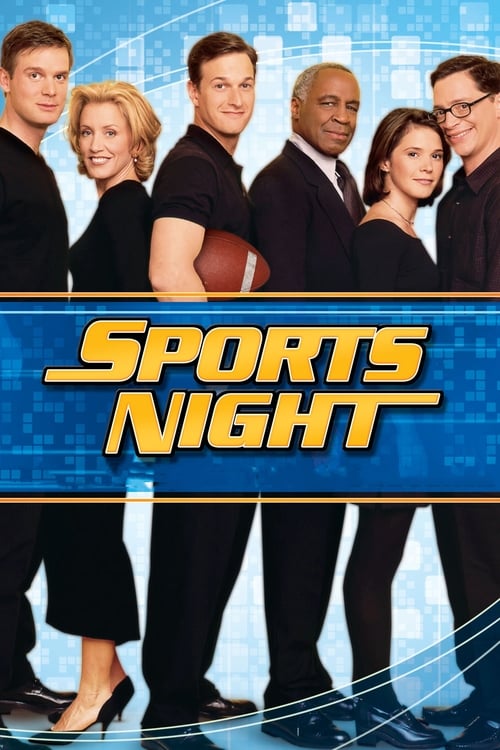
5. Sports Night
Before *West Wing*, there was *Sports Night*. Aaron Sorkin’s debut brought his signature rapid-fire dialogue, walk-and-talks, and idealism to a cable sports news show. It was a sharp, witty look at workplace dynamics and journalistic integrity, often battling network interference. This half-hour dramedy hybrid played with form, blending sitcom pacing with dramatic weight, proving network TV could deliver sophisticated, character-driven storytelling with real emotional heft.
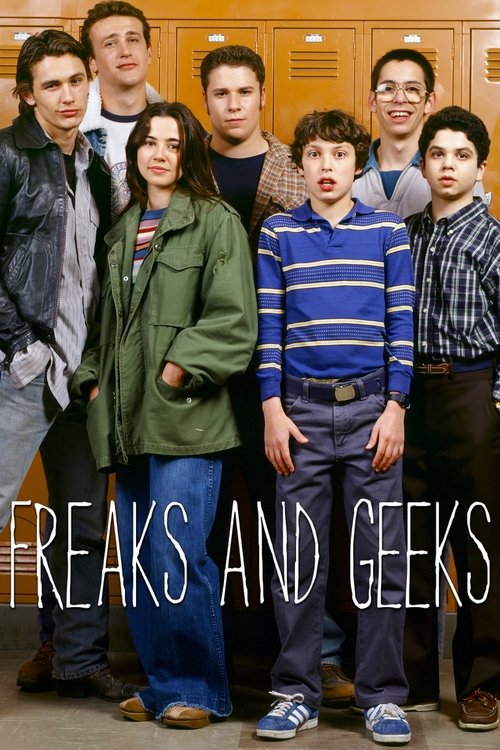
6. Freaks and Geeks
*Freaks and Geeks* was the anti-teen show. No shiny popularity contests here; just an honest, often painful, look at suburban high school life in the early 80s. It treated its "freaks" and "geeks" with respect, exploring awkwardness, identity, and disappointment without easy answers or forced happy endings. Its unflinching realism and serialized character development set a new bar for coming-of-age stories, influencing countless shows that followed.
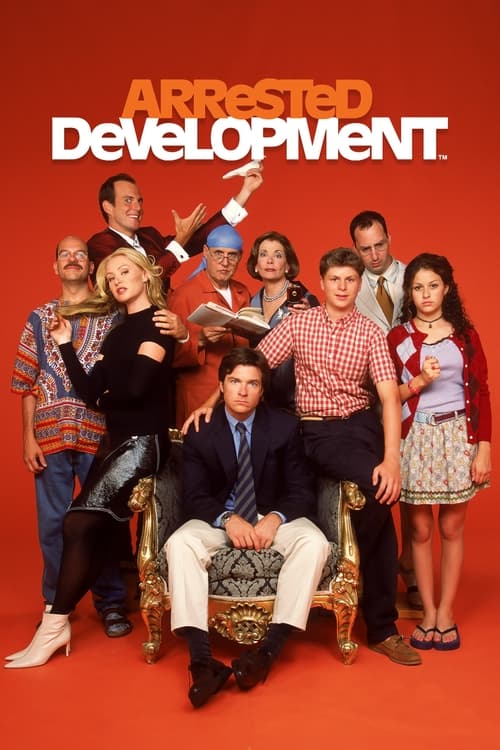
7. Arrested Development
*Arrested Development* was a comedy machine gun, firing off layered jokes, running gags, and callbacks at a dizzying pace. Its faux-documentary style, self-referential humor, and unreliable narrator pushed network sitcom boundaries, proving audiences could handle sophisticated, serialized comedy that rewarded rewatching. It was chaotic, brilliant, and established a new blueprint for meta-humor, making everything else feel a little too straightforward by comparison.
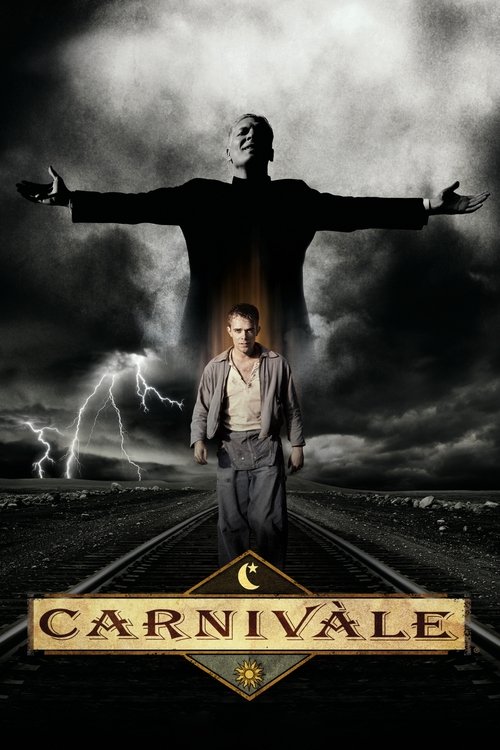
8. Carnivàle
*Carnivàle* was HBO at its most ambitious: a sprawling, atmospheric epic set during the Dust Bowl, blending biblical allegory with a traveling carnival. It was dark, dense, and demanded patience, delivering a truly unique, serialized narrative. Its stunning production design, surreal imagery, and complex mythology showcased cable's willingness to invest in niche, high-concept storytelling that network TV wouldn’t dare touch. A truly singular vision.
9. K Street
*K Street* was a wild experiment, arguably too far ahead of its time. HBO, Soderbergh, and Clooney teamed up for this semi-improvised political drama, shot in real-time each week, often featuring actual D.C. figures. It blurred the lines between fiction and reality, attempting to capture the immediacy of political maneuvering. While messy, it was a bold, early attempt at hyper-realistic, serialized storytelling, hinting at a future where TV could truly reflect current events.
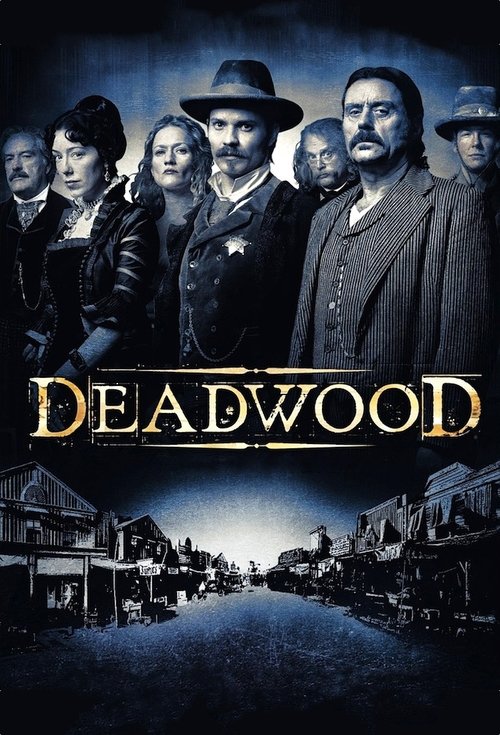
10. Deadwood
*Deadwood* wasn't just a Western; it was a Shakespearean tragedy dressed in dirt and profanity. David Milch's unparalleled dialogue, delivered by an astonishing ensemble, created a living, breathing, brutal world. This HBO masterpiece redefined historical drama, proving prestige TV could be both literary and visceral, cinematic and deeply serialized, pushing boundaries with its raw, authentic language.
11. Terriers
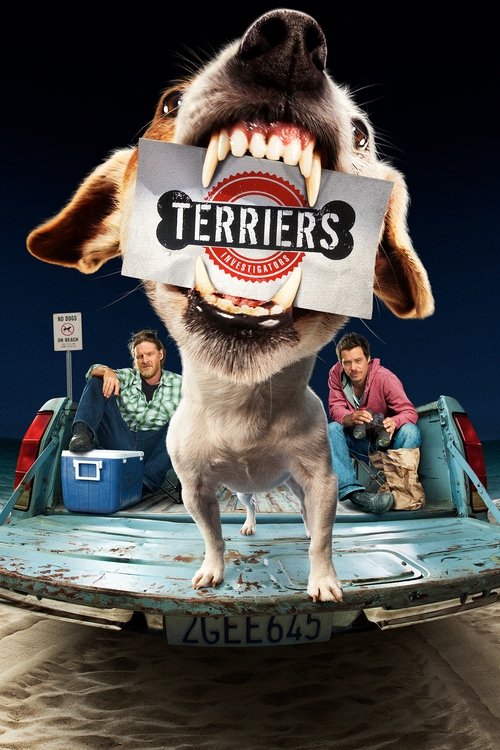
*Terriers*, on FX, was a masterclass in character-driven noir, perfectly blending humor, pathos, and a genuinely compelling mystery. Donal Logue and Michael Raymond-James played down-on-their-luck private investigators with an authentic, lived-in chemistry. It was serialized storytelling at its best, proving that cable could deliver complex, emotionally resonant drama without relying on big-budget spectacle. Criminally under-watched, it’s a cult classic that truly earned its reputation.