
1. The Babadook
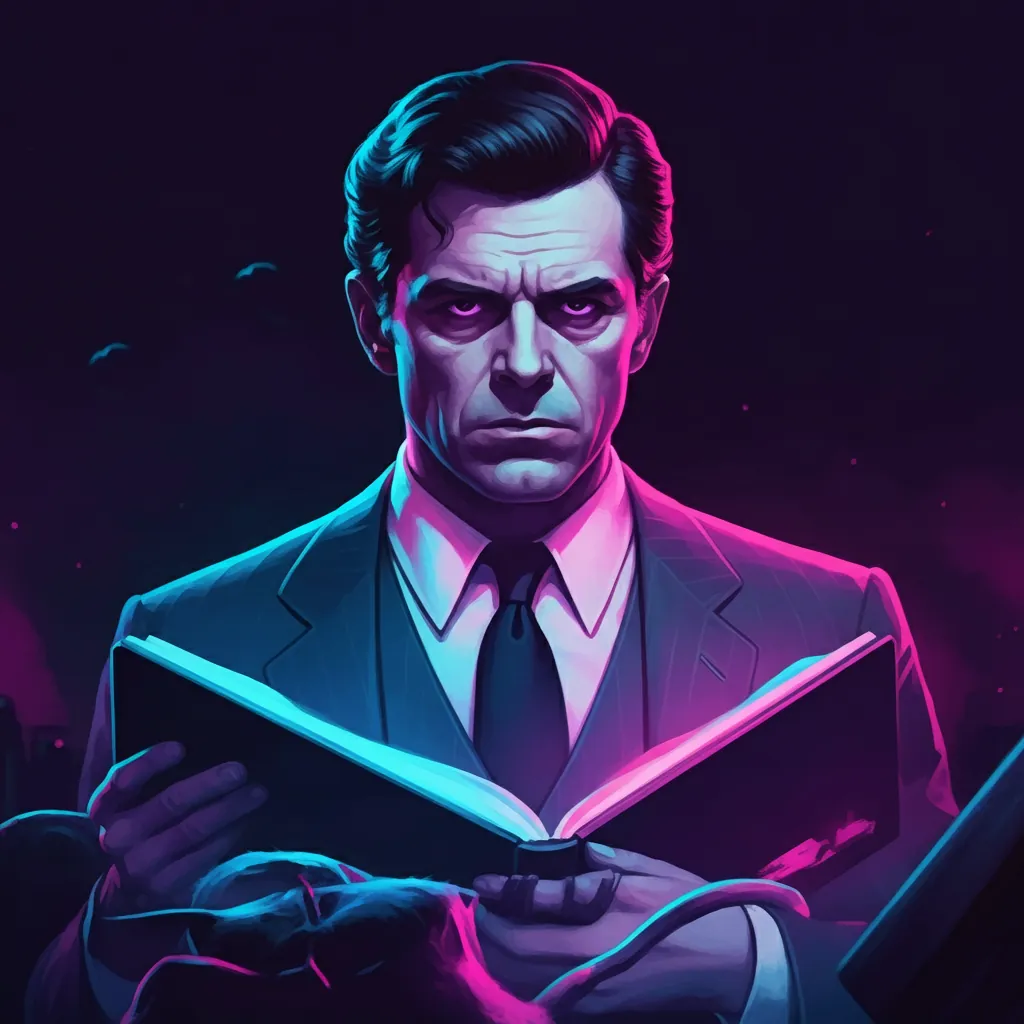
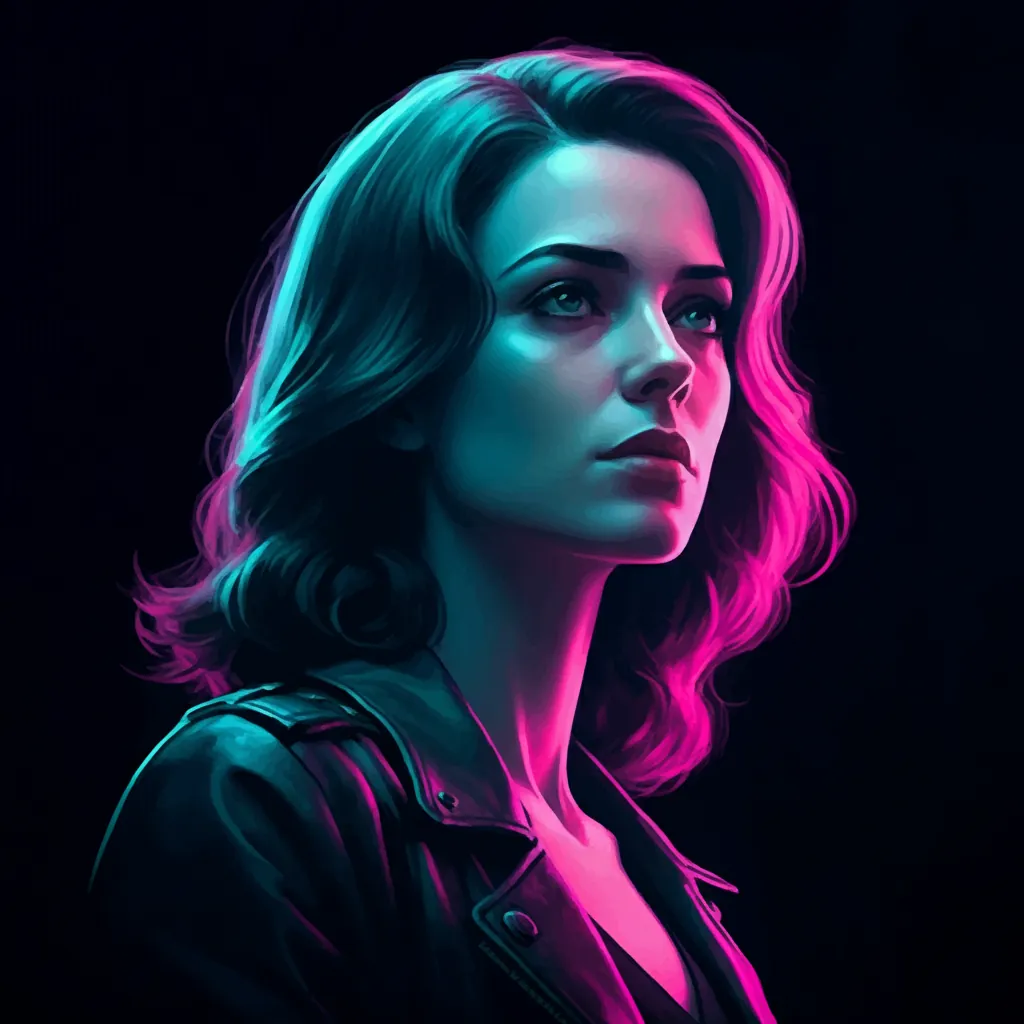
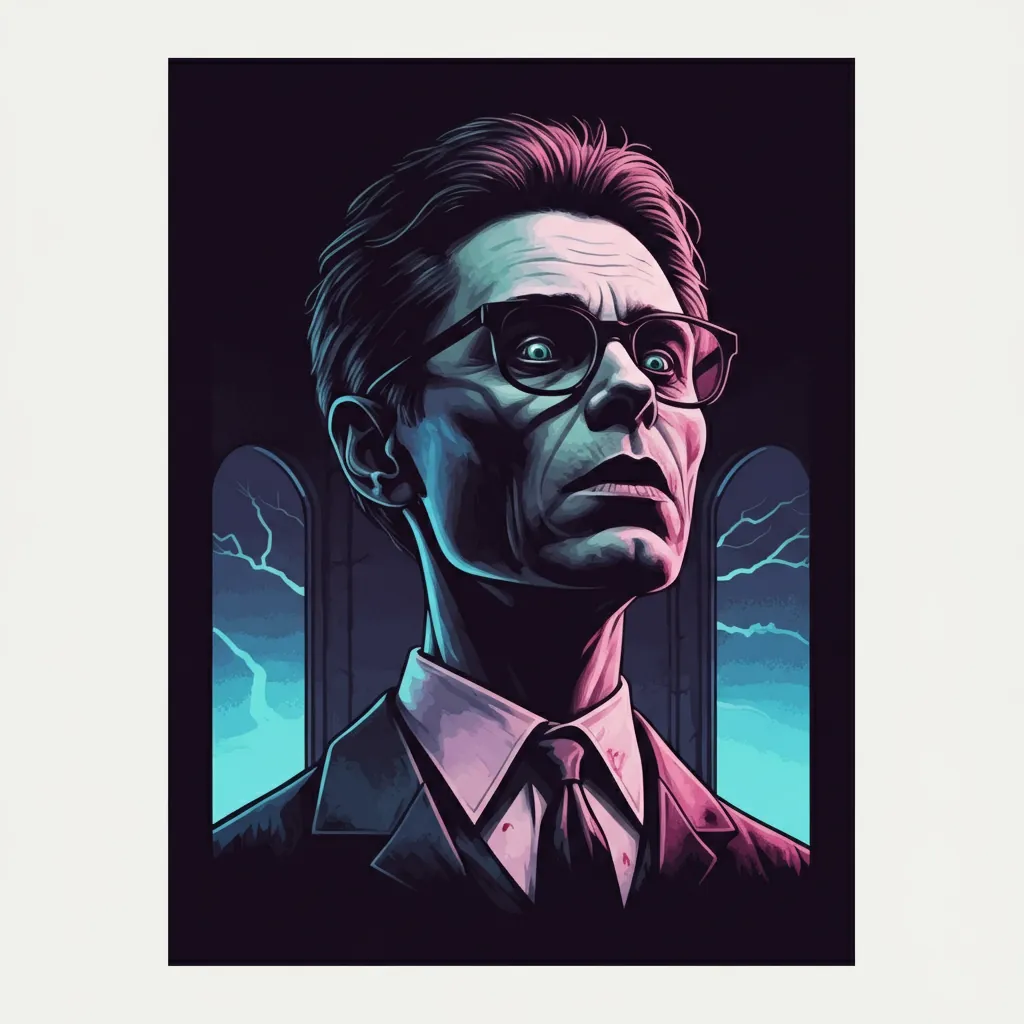
Jennifer Kent's film masterfully externalizes the suffocating grief and mental exhaustion of motherhood. The titular creature is not merely a boogeyman, but a tangible manifestation of unspoken trauma, a shadow clinging to a single mother and her son. It speaks to the insidious nature of unresolved pain, proving that the most terrifying entities often reside within the psyche, amplified by our closest relationships and the societal pressures that often leave individuals isolated in their struggles.
2. Hereditary
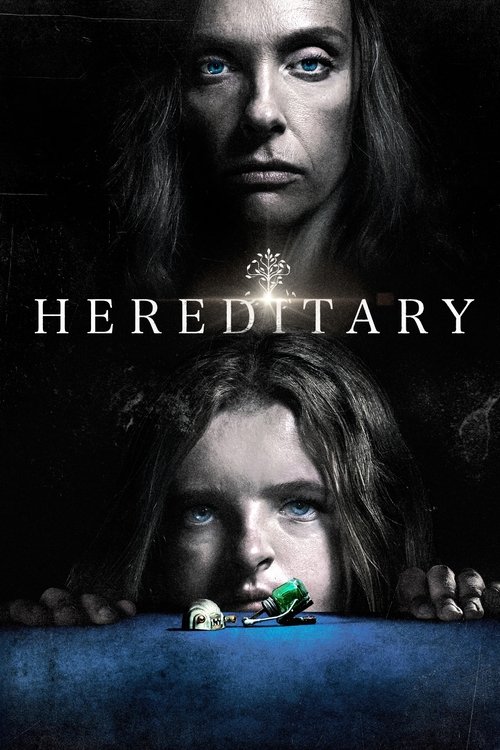
Ari Aster's debut is a chilling exploration of inherited trauma and the disintegration of a family under the weight of grief and occult manipulation. The horror here is meticulously built, not on jump scares, but on the relentless unraveling of psychological stability and the inescapable ties of bloodline. It suggests a terrifying lineage where the past is not merely prologue, but a binding curse, demonstrating how deeply rooted dysfunction can become its own monstrous entity, far more insidious than any external threat.
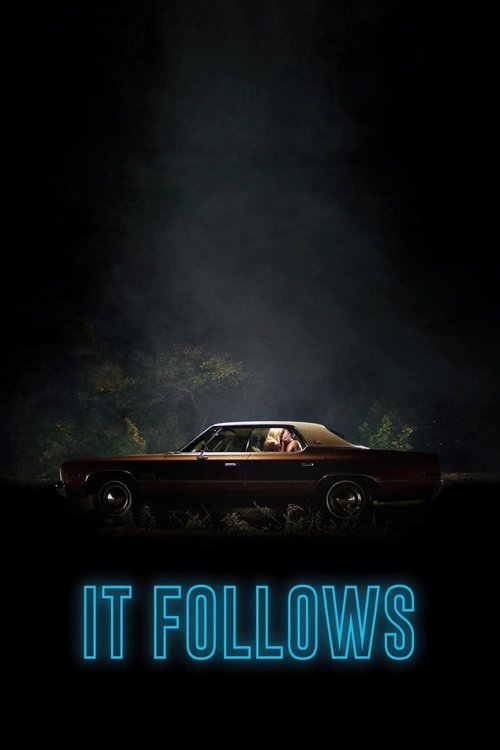
3. It Follows
David Robert Mitchell crafts a potent allegory for sexual anxiety and the inescapable consequences of intimacy in modern youth. The slow, relentless pace of its eponymous entity creates a pervasive dread, an inevitable specter that cannot be outrun, only temporarily deferred. The film's brilliance lies in its simplicity and its ability to transform a common teenage fear—the repercussions of sexual awakening—into a tangible, ever-present threat, highlighting how our most personal choices can invite the monstrous.
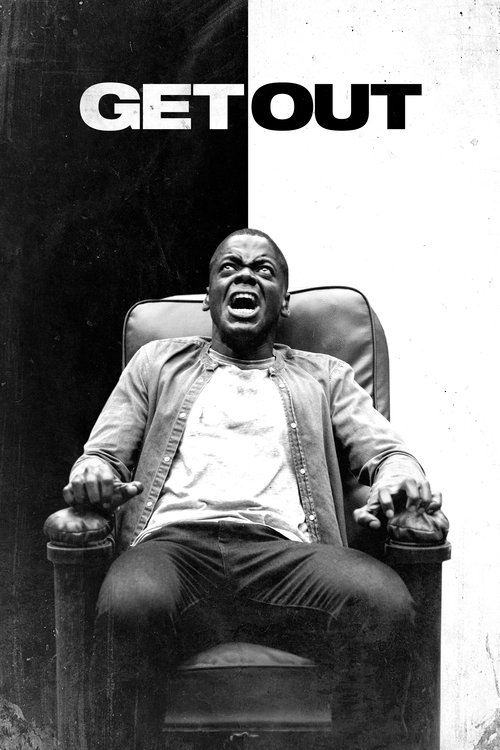
4. Get Out
Jordan Peele's directorial debut ingeniously weaponizes social commentary, presenting a horror film where racial anxieties are not subtext, but the terrifying main event. The monster here is systemic racism, veiled behind performative liberalism and a grotesque capitalist exploitation of Black bodies. It’s a sharp, incisive piece that dissects the subtle horrors of microaggressions and the profound fear of being "othered" within seemingly safe spaces, revealing the true face of prejudice in plain sight.
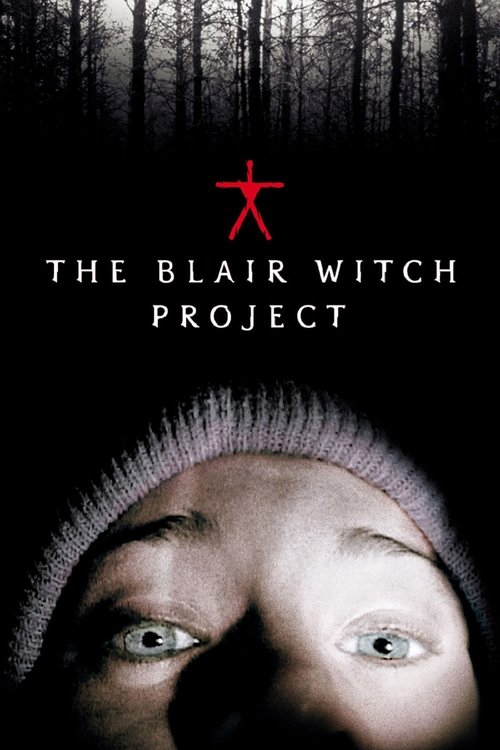
5. The Blair Witch Project
This film redefined found-footage horror by demonstrating the power of suggestion and the terror of the unseen. Its brilliance lies in stripping away conventional cinematic comfort, immersing viewers in the raw, unedited panic of characters lost in a primordial forest. The monster is largely inferred, a malevolent force born of folklore and isolation, proving that the most terrifying threats are often those we cannot fully comprehend or confront, existing just beyond the frame.
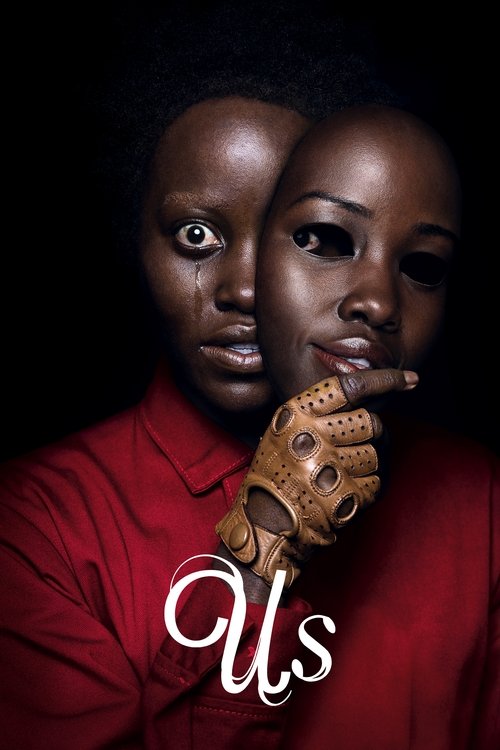
6. Us
Jordan Peele again uses horror as a vehicle for profound social critique, this time exploring duality, privilege, and the suppressed underbelly of American society. The "tethered" are not alien invaders but reflections, monstrous doppelgängers representing the marginalized, the forgotten, and the unaddressed sins of a nation. It's a challenging narrative that forces an uncomfortable introspection, suggesting that the greatest horrors lurk within our collective subconscious and the inequalities we perpetuate.
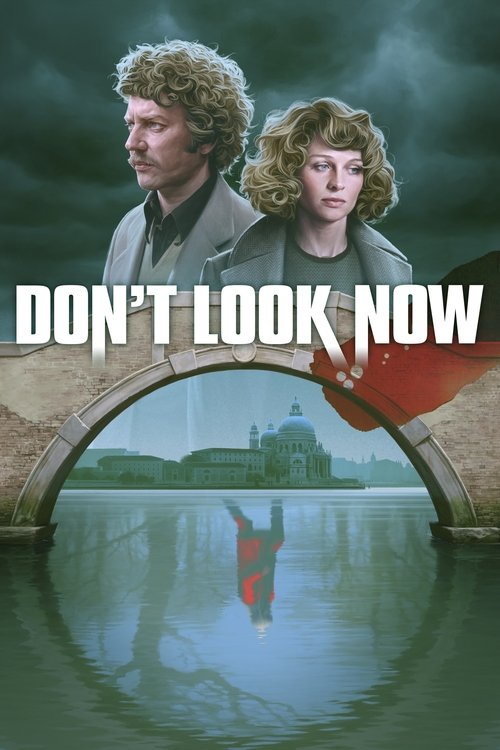
7. Don't Look Now
Nicolas Roeg’s masterpiece is a psychological horror that intertwines grief, premonition, and the dissolution of a couple's reality in Venice's labyrinthine canals. The film’s pervasive sense of dread stems from its exploration of loss and the chilling inevitability of fate, rather than a conventional monster. It's a complex, atmospheric work that demonstrates how deeply personal tragedy can warp perception, making the mundane terrifying and transforming the most intimate relationships into crucibles of fear.
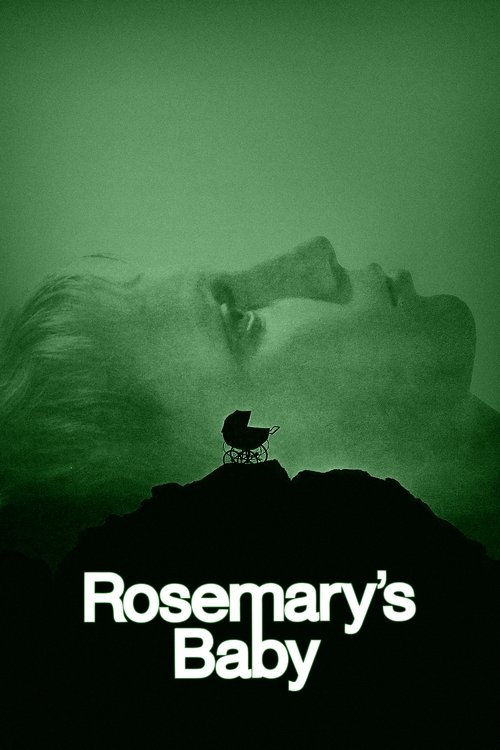
8. Rosemary's Baby
Roman Polanski’s chilling classic meticulously builds a claustrophobic nightmare of gaslighting and patriarchal control. The horror isn't a lurking creature but the slow, insidious realization that those closest to you—your husband, your neighbors—are complicit in a sinister plot. It’s a brilliant examination of female paranoia and the violation of bodily autonomy, showing how societal expectations and the erosion of trust can transform the most sacred personal space into a prison.
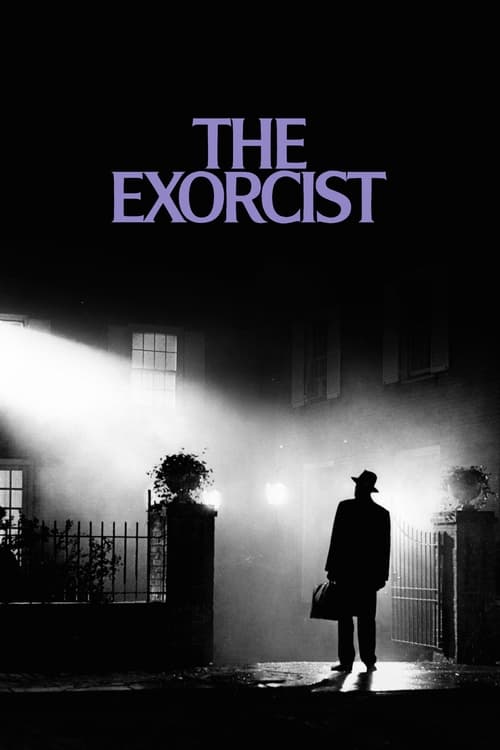
9. The Exorcist
William Friedkin's film remains a visceral benchmark for supernatural horror, but its true power lies in its portrayal of a mother's desperate struggle against an unseen, malevolent force possessing her child. Beyond the demonic theatrics, it’s a profound exploration of faith, doubt, and the horrifying vulnerability of the innocent. The monster here exploits the most intimate bond, turning love and protection into a battleground, making the family unit itself a site of unspeakable terror.
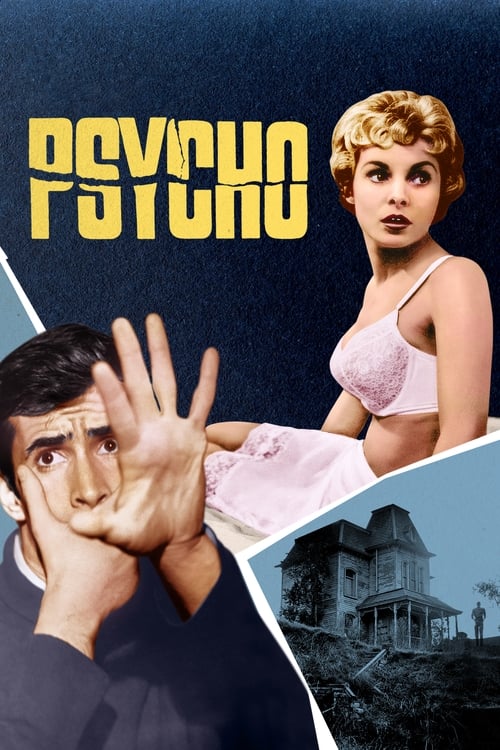
10. Psycho
Alfred Hitchcock fundamentally altered the landscape of horror and thriller cinema, demonstrating that the most terrifying monsters are often disturbingly human. Norman Bates, the seemingly innocuous motel proprietor, embodies a terrifying domesticity, his pathology rooted in a twisted familial bond. The film's brilliance lies in its subversion of expectations and its chilling portrayal of how deep-seated psychological trauma can fester, turning the ordinary into a breeding ground for unspeakable violence, just next door.
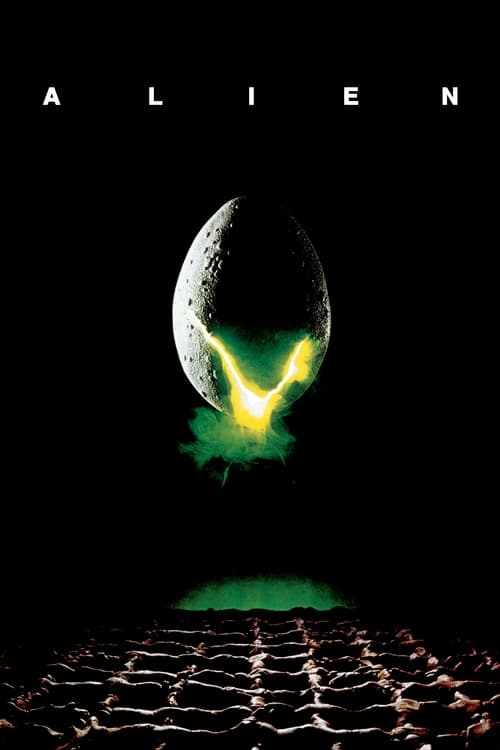
11. Alien
Ridley Scott's seminal work redefined space horror, transforming the vastness of the cosmos into a suffocating, claustrophobic death trap. The Xenomorph is a perfect organism, but the film's enduring terror also stems from the corporate indifference and the vulnerability of a blue-collar crew adrift in an indifferent universe. It shows how even in the cold vacuum of space, the most immediate threat often emerges from within the perceived safety of one's own vessel, a betrayal of sanctuary.
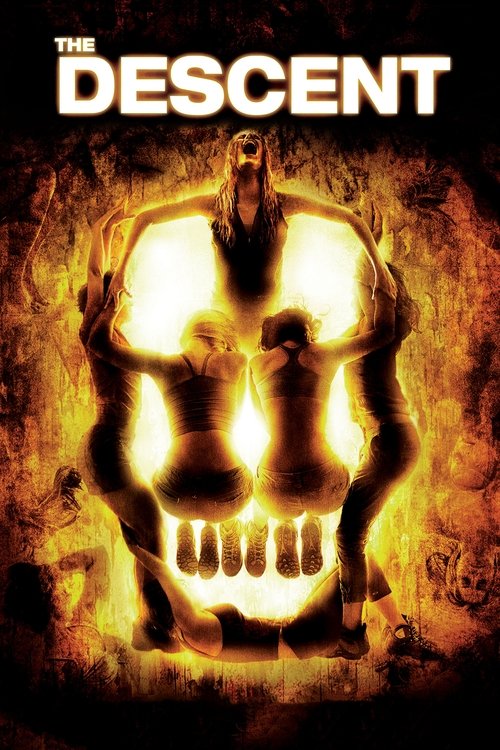
12. The Descent
Neil Marshall's brutal survival horror pits a group of friends against ancient, subterranean predators, but the true terror lies in the unraveling of their relationships and the psychological toll of extreme isolation. The creatures, though terrifying, are almost secondary to the human drama of betrayal, grief, and the primal fight for survival in a suffocating environment. It's a visceral testament to how internal monsters manifest when pushed to the absolute edge.