1 / 7
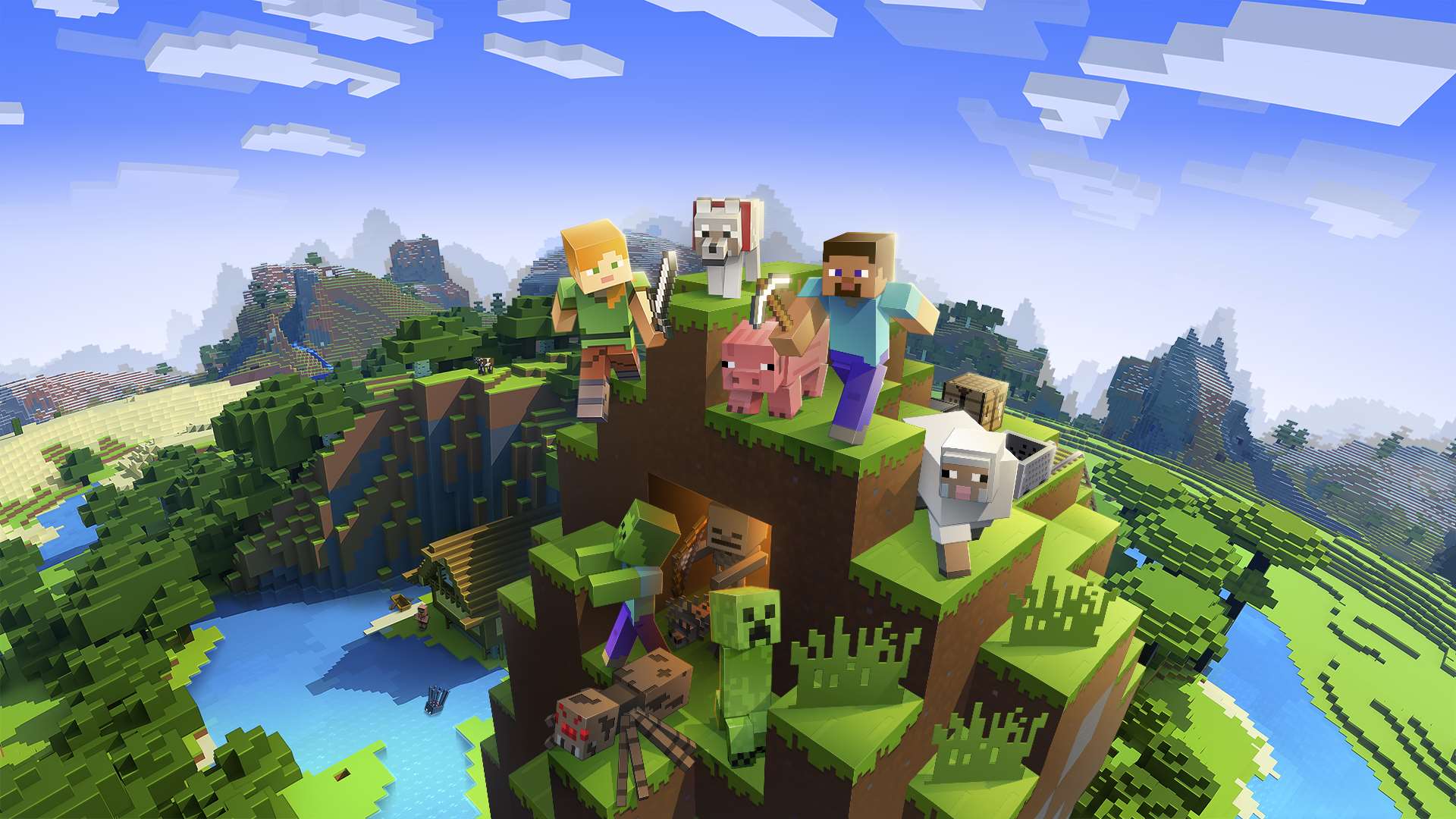
1. Minecraft
Remember when Minecraft was just Notch’s passion project, a simple sandbox where creativity reigned supreme? Now it’s a sprawling Microsoft-owned empire, complete with a marketplace, spin-offs, and endless monetization. Sure, it still inspires, but the raw, unadulterated indie spirit has been packaged, branded, and sold a thousand times over. It’s less about digging for diamonds and more about digging for corporate synergy, a true testament to how even the purest ideas get commercialized into oblivion.
2 / 7
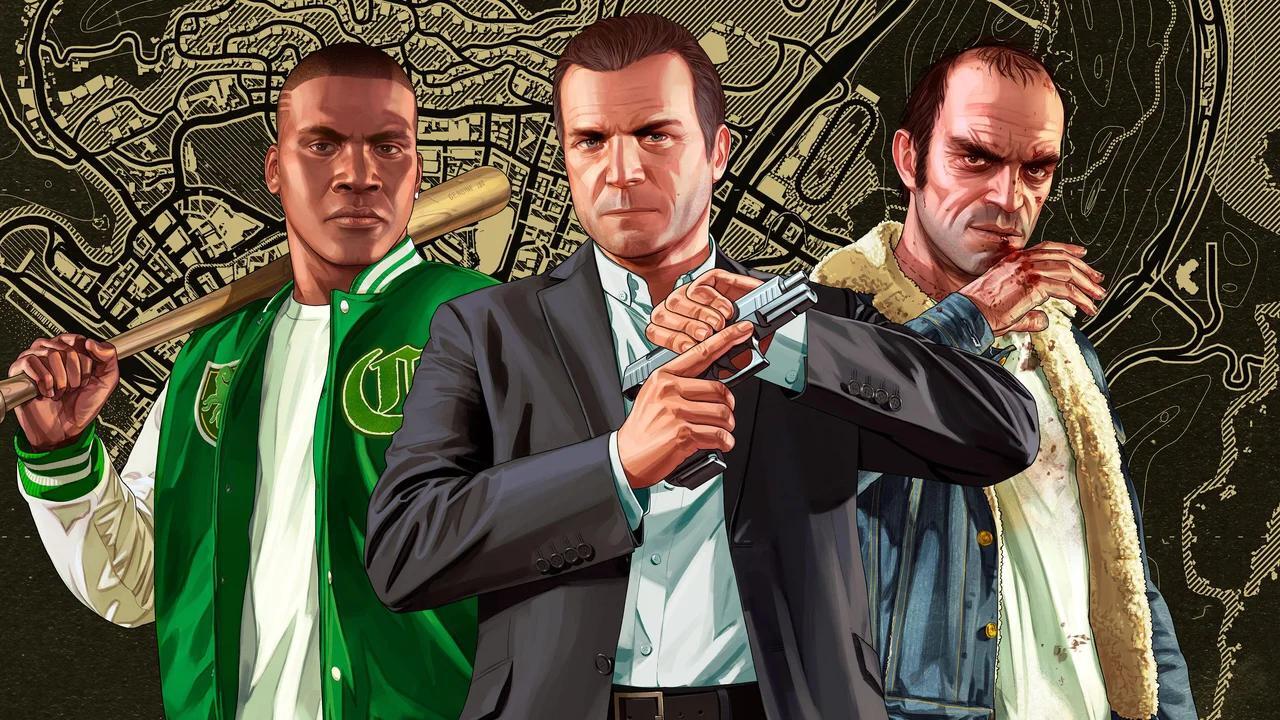
2. Grand Theft Auto V
GTA V dropped in 2013, a masterpiece of single-player design, yet its decade-plus longevity isn't from story DLC. It’s GTA Online, the ultimate money printer for Rockstar. They’ve squeezed every last dollar out of Los Santos with Shark Cards and content drip-feeds, effectively holding GTA VI hostage for years. The dream of a purely narrative, consumer-respecting open world evaporated into a haze of microtransactions and repetitive grind. It's a goldmine for them, a slow burn for us.
3 / 7
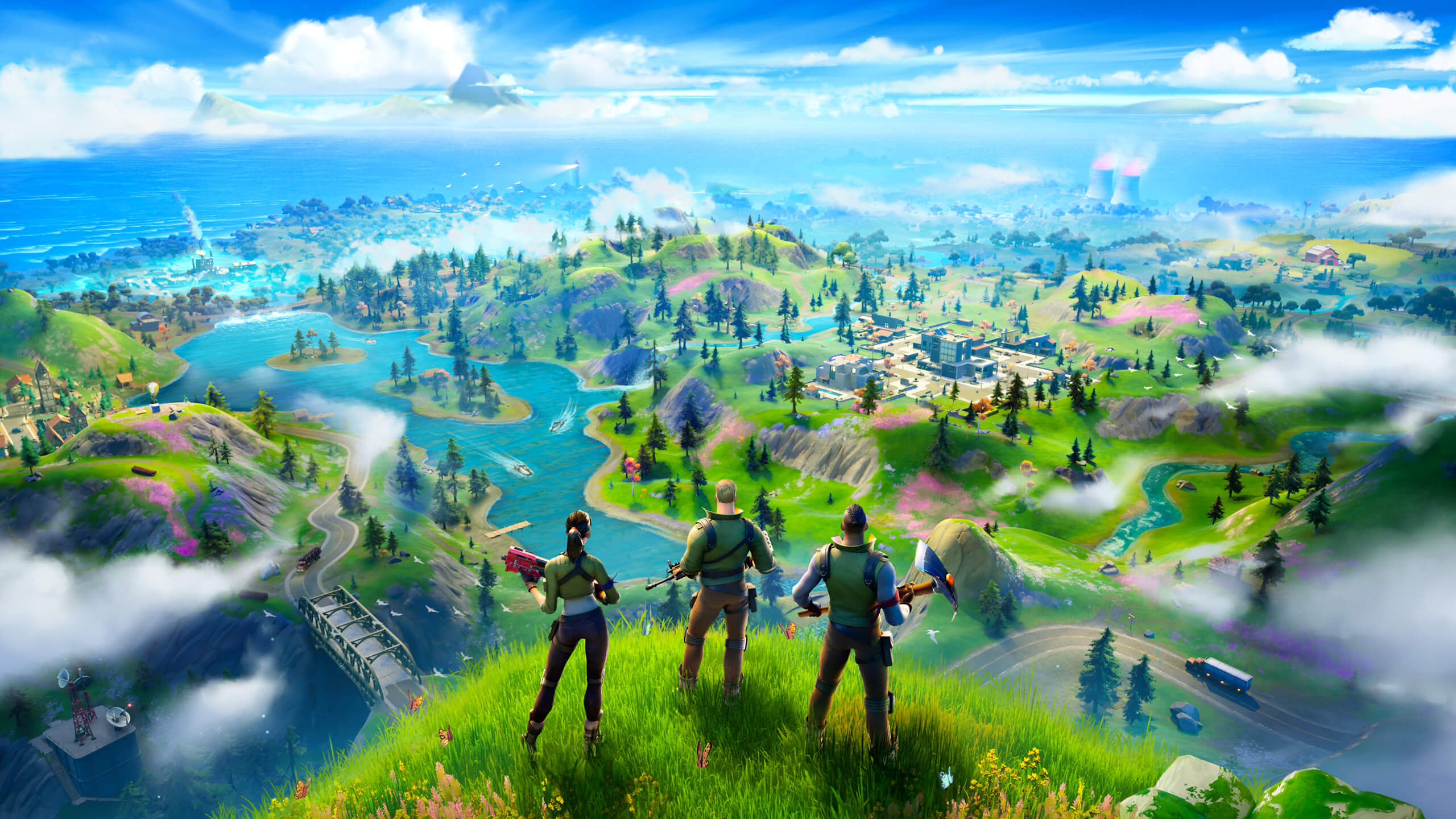
3. Fortnite Battle Royale
Fortnite didn’t just change gaming; it changed *culture*. This free-to-play behemoth perfected the Battle Royale formula, then grafted every possible IP onto it, from Marvel to Naruto. Its success is undeniable, creating a new paradigm of live-service, constant updates, and cosmetic-driven revenue. But it also normalized the 'meta-verse' as a shopping mall, where IP integration trumps original artistic vision, proving that if you build it, and put enough licensed skins in it, they will absolutely pay.
4 / 7
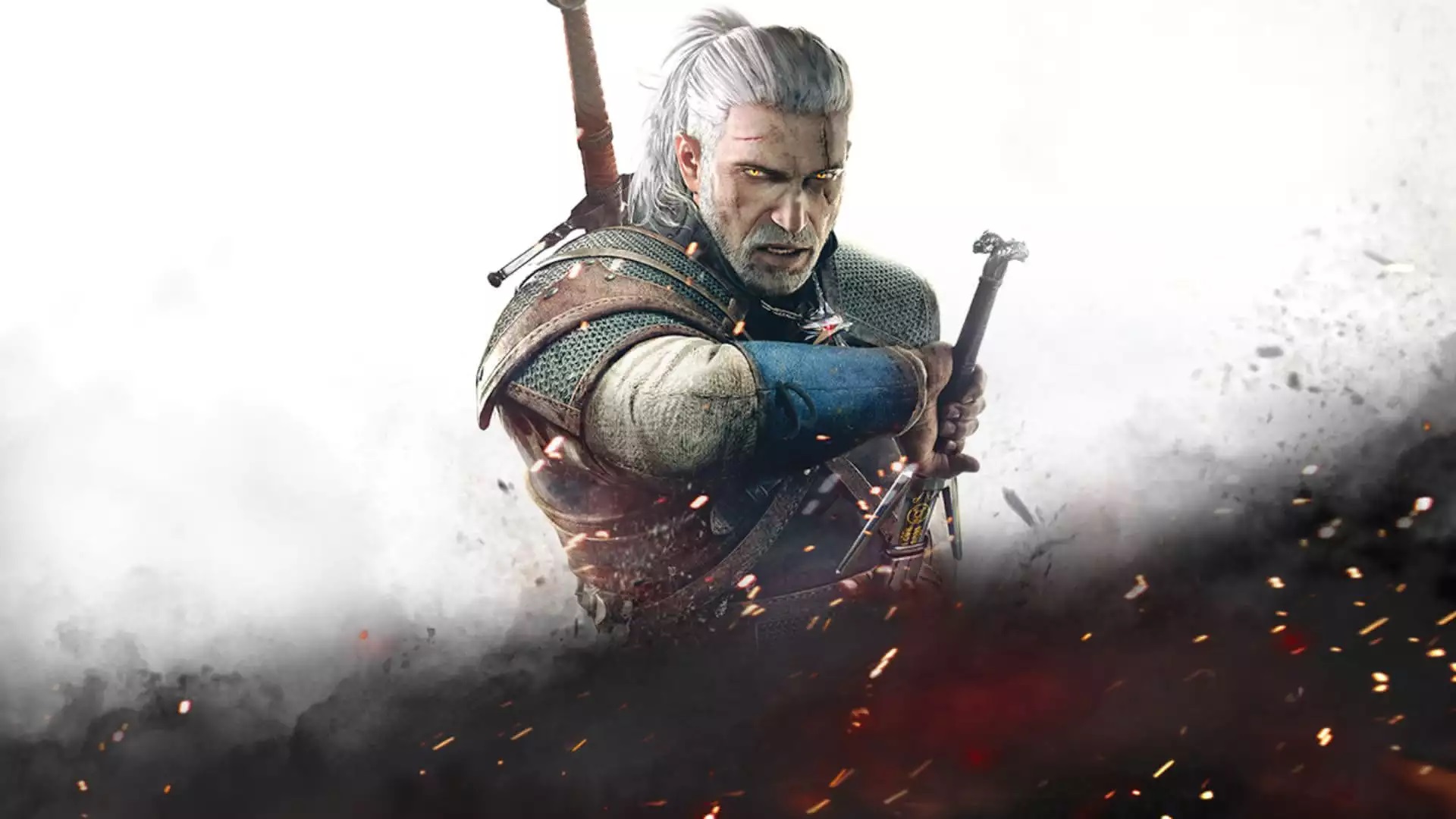
4. The Witcher 3: Wild Hunt
CD Projekt Red's magnum opus, The Witcher 3, felt like a beacon. A narrative-driven, expansive RPG where player choice mattered, delivered without egregious microtransactions or predatory season passes. It set a gold standard for what a single-player experience could be, proving that quality and respect for the player could generate immense success. It was the dream realized, before the harsh reality of crunch, corporate greed, and a certain buggy sci-fi launch reminded us that even the best can fall.
5 / 7
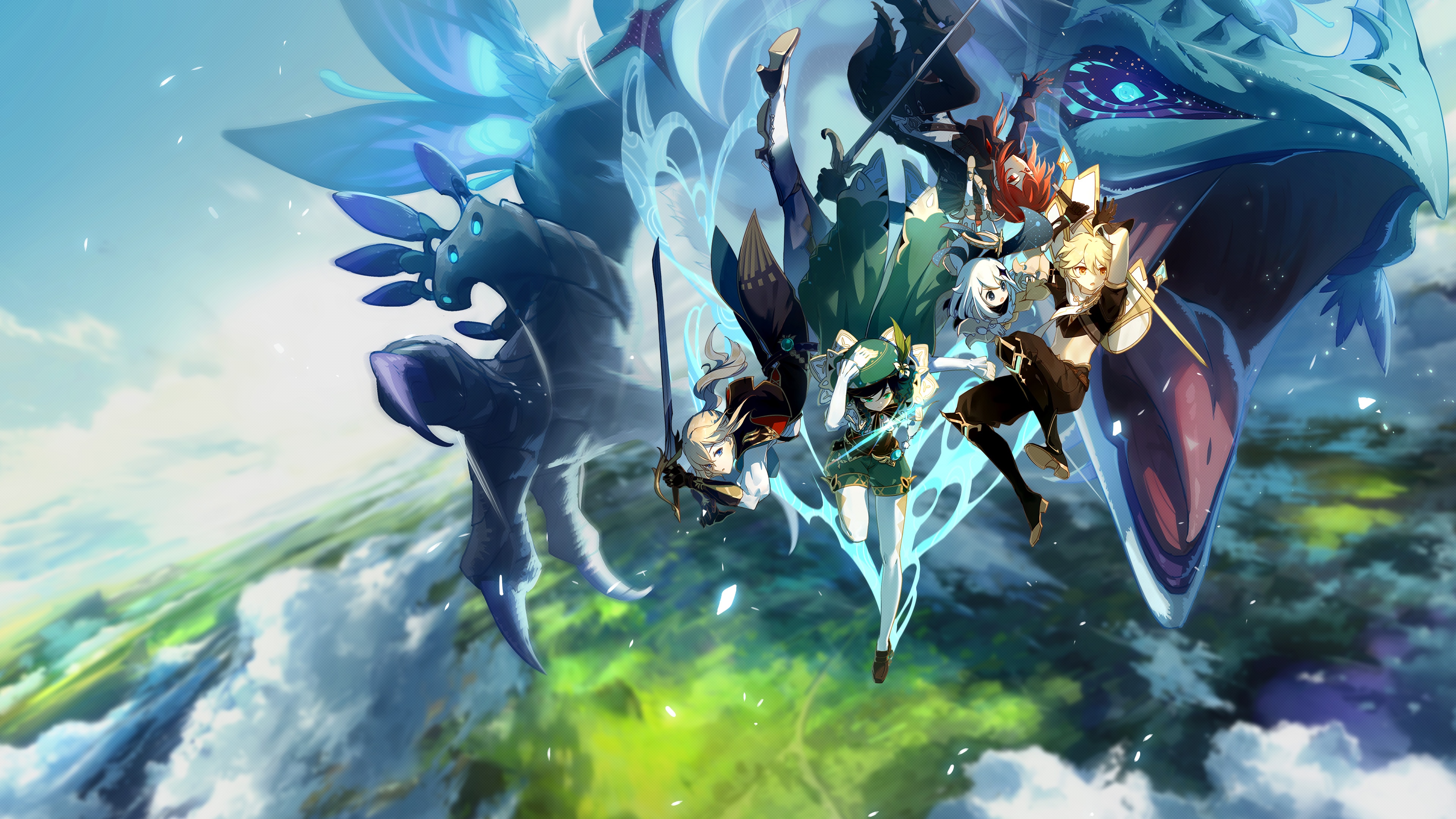
5. Genshin Impact
Genshin Impact is the gacha game that ate the world, proving that anime aesthetics and an open world can hook millions into a casino-like loop. It’s free to download, yet its revenue figures are astronomical, fueled by character pulls and weapon banners. This game is a masterclass in psychological manipulation, perfectly blending compelling gameplay with FOMO and sunk cost fallacy. It’s a beautifully crafted world, but beneath the surface, it’s an industry-defining cash cow, powered by whales.
6 / 7
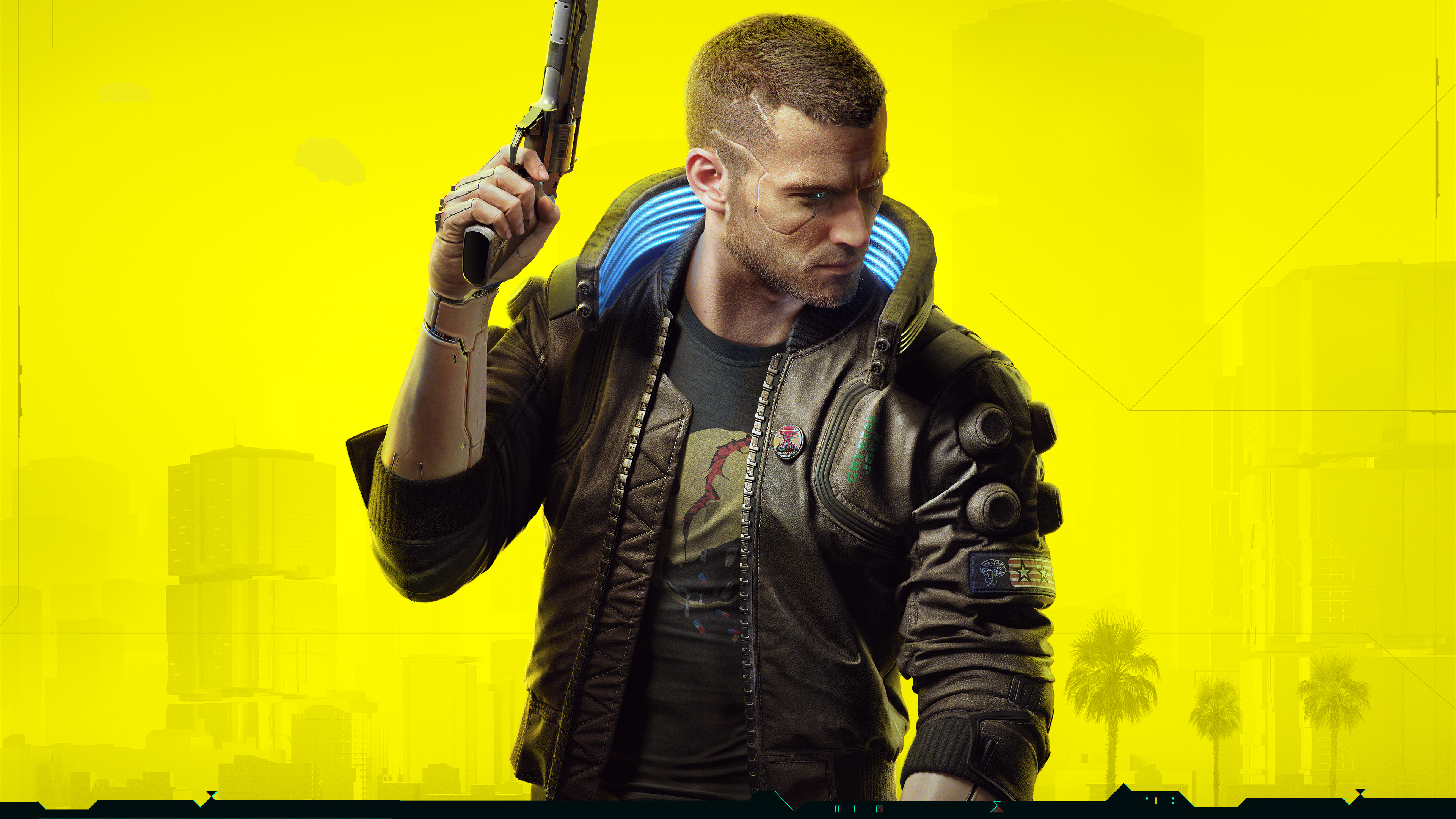
6. Cyberpunk 2077
Oh, Cyberpunk 2077. The hype was stratospheric, built on years of promises and a legacy of goodwill. The launch? A spectacular, buggy disaster, especially on last-gen consoles. While patches eventually fixed much, the initial betrayal of player trust and the sheer scale of the broken promises tainted its legacy. It's a stark reminder that even beloved studios can overpromise, underdeliver, and prioritize release dates over quality, showing how fragile the dream of a perfect game can be.
7 / 7
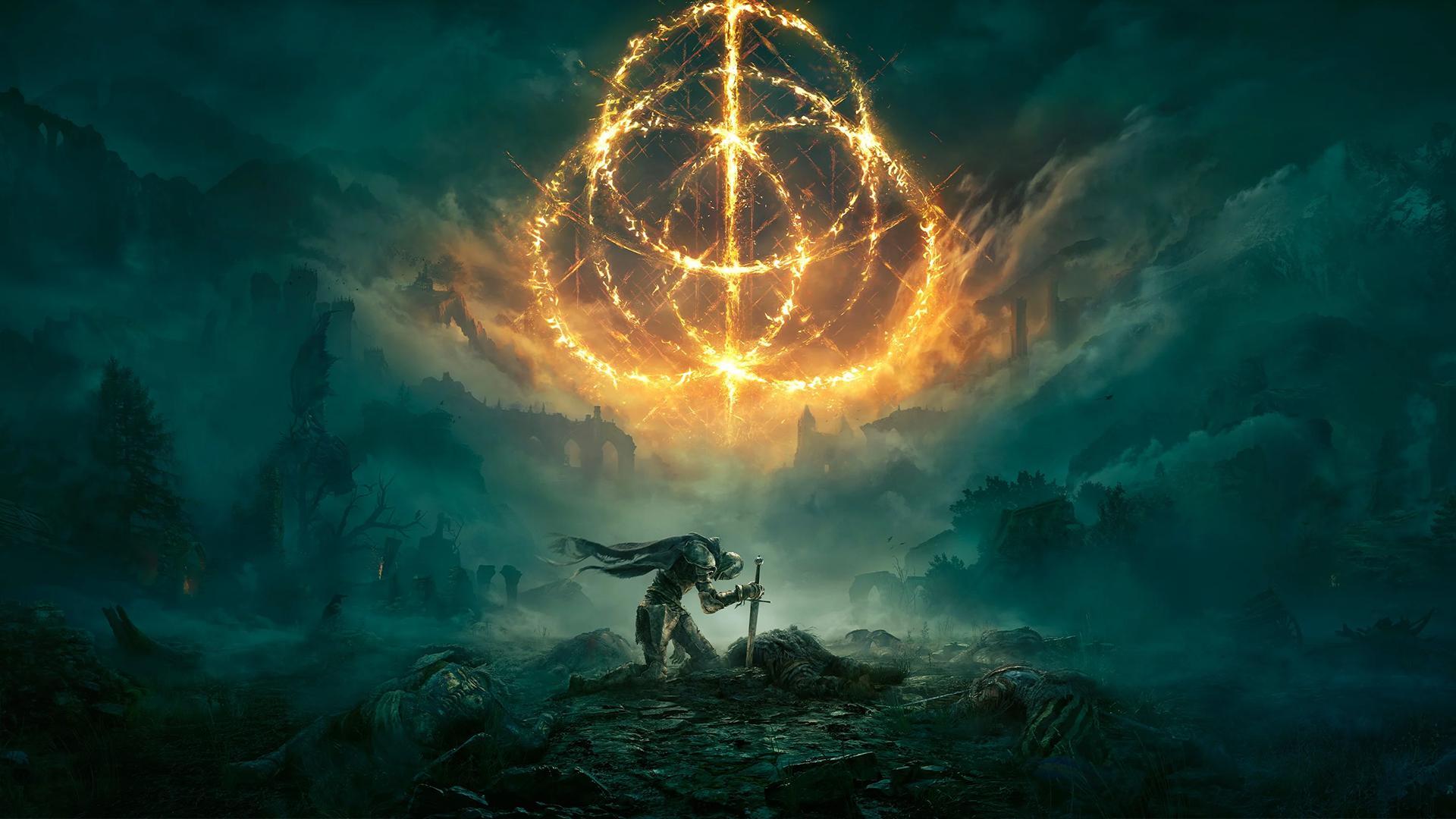
7. Elden Ring
Elden Ring arrived as a defiant roar against many modern trends. FromSoftware delivered a masterclass in open-world design, challenging players with uncompromising difficulty and subtle environmental storytelling instead of endless quest markers. It proved that a game respecting player intelligence, embracing exploration, and offering genuine challenge can still dominate. While it’s still a massive commercial success, its adherence to core gameplay values, rather than chasing trends, offers a glimmer of hope that not all dreams are dead.