
1 / 12
1. Homicide: Life on the Street
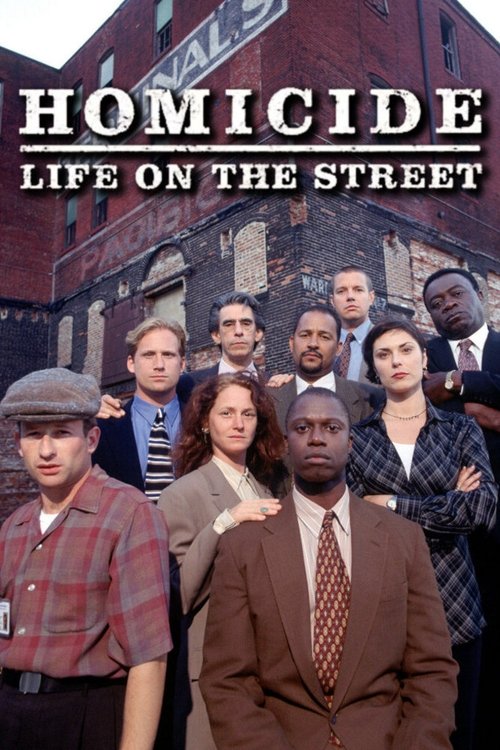
Before *The Wire*, there was *Homicide*. This show on NBC changed what network TV could do with drama. It was dark, messy, and felt real, with a huge ensemble cast and that shaky, almost documentary camera work. It built stories over seasons, not just episodes. You felt the toll of the job, the sheer grind of detective work in a way that hadn't been seen before. A foundational piece for prestige TV.
2 / 12
2. Profit
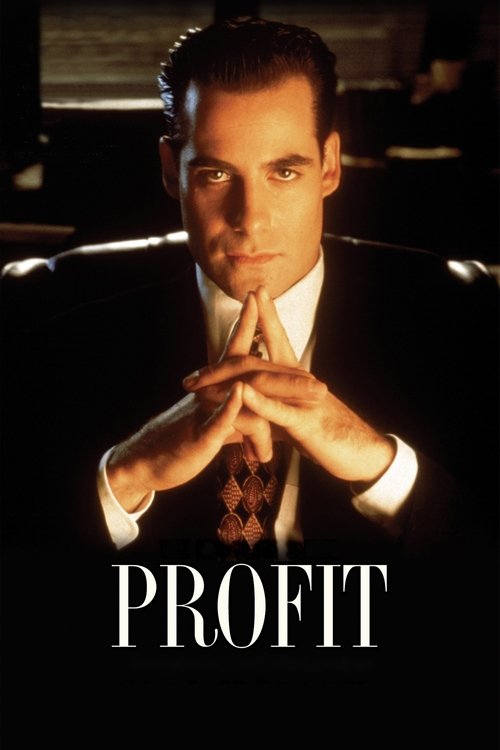
Fox tried to do something truly transgressive with *Profit*, and man, did it fail spectacularly, but beautifully. This guy, Jim Profit, was a corporate sociopath who literally lived in a cardboard box, manipulating everyone around him. It was a pitch-black satire, so far ahead of the anti-hero curve it barely registered. It’s a wild, cynical ride, unlike anything else before or since on network television.
3 / 12
3. Sports Night
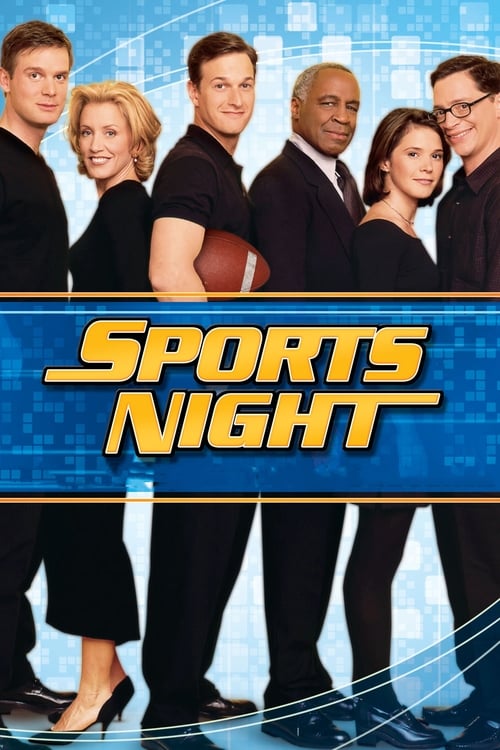
Before he was walking and talking through the White House, Aaron Sorkin gave us *Sports Night*. It was a workplace comedy about a cable sports news show, but it was really about smart people trying to do good work and be good to each other. The dialogue was electric, the ensemble chemistry undeniable, and it often slipped into genuine drama. A precursor to the prestige sitcom, really.
4 / 12
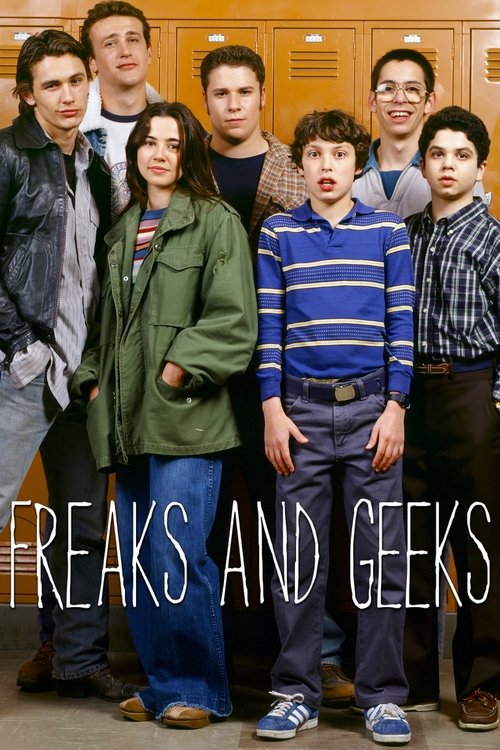
4. Freaks and Geeks
This one hurts because it was gone too soon. *Freaks and Geeks* perfectly captured that awkward, painful, hilarious time of high school in 1980. It wasn’t about cool kids; it was about the outsiders, the ones trying to figure it out. The cast, the writing—it was all pitch-perfect, offering a genuine, melancholic look at adolescence. A true cult classic, and for good reason.
5 / 12
5. Six Feet Under
HBO really hit its stride here, staring death right in the face every week. *Six Feet Under* was a family drama about funeral directors, but it explored life, loss, and love with an unflinching honesty that was revolutionary. Each episode opened with a death, setting the tone for the deep, often surreal character studies that followed. It’s emotionally raw, often funny, and profoundly human.
6 / 12
6. The Shield
FX burst onto the scene with *The Shield*, delivering a punch to the gut with Vic Mackey and the Strike Team. This wasn't your clean network procedural; it was raw, morally ambiguous, and serialized in a way that made you question everything. Mackey was a hero and a villain, often in the same breath. It established FX as a serious player in the cable drama game.
7 / 12
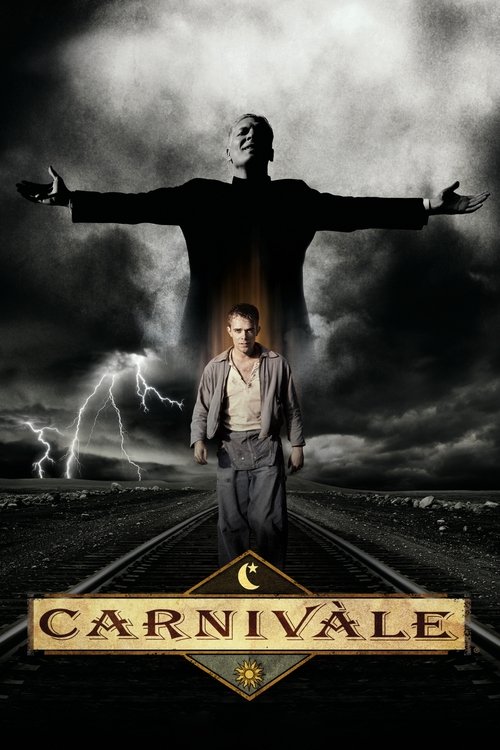
7. Carnivàle
If you wanted ambition, *Carnivàle* on HBO delivered. This was dense, atmospheric, Depression-era fantasy about a traveling carnival and a brewing cosmic battle. Visually stunning, it created a fully immersive, bizarre world with deep mythology and unforgettable characters. It was complex, slow, and ultimately too expensive for its time, but its unique vision endures.
8 / 12
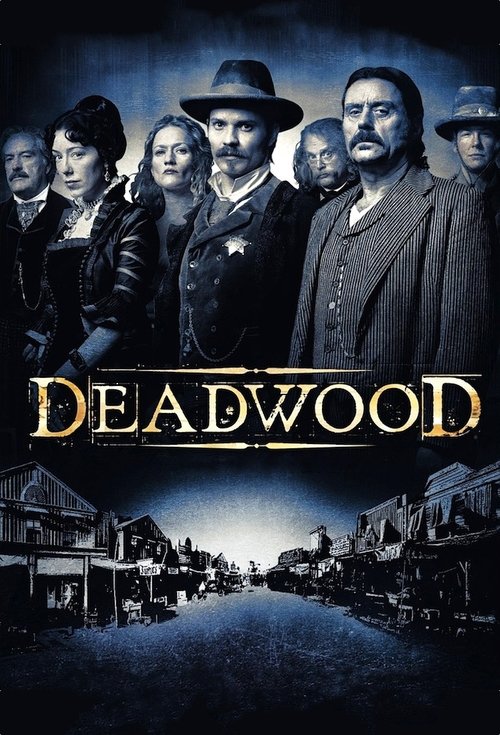
8. Deadwood
David Milch took us to the grimy, profane, and utterly captivating town of *Deadwood*. This wasn't a sanitized Old West; it was a character study of pioneers, outlaws, and entrepreneurs forging a community with brutal language and surprising poetry. The ensemble was phenomenal, the historical realism unparalleled, and its serialized storytelling was a masterclass. A truly singular achievement.
9 / 12

9. The Comeback
Lisa Kudrow’s Valerie Cherish was a cringe masterpiece. *The Comeback*, an HBO mockumentary, put a spotlight on the desperate pursuit of fame and the indignities of Hollywood. It was uncomfortable, hilarious, and deeply poignant, showing Valerie’s self-delusion and resilience. It felt almost too real, a brave and innovative look at celebrity culture that earned its cult status.
10 / 12
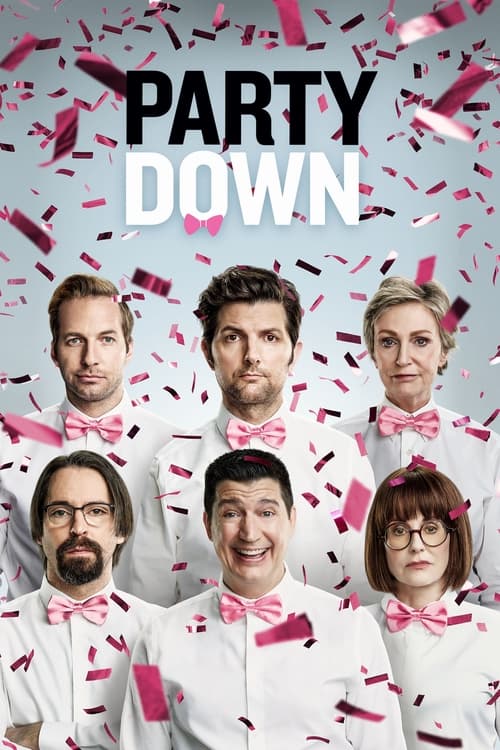
10. Party Down
Starz had a gem with *Party Down*, a brilliant ensemble comedy about caterers in LA. Each episode was a new party, a new set of rich weirdos, and our struggling crew trying to make it work. It’s dark, funny, and surprisingly poignant about dashed dreams and finding your place. It built its characters wonderfully, a perfect example of a show that found its audience later on demand.
11 / 12
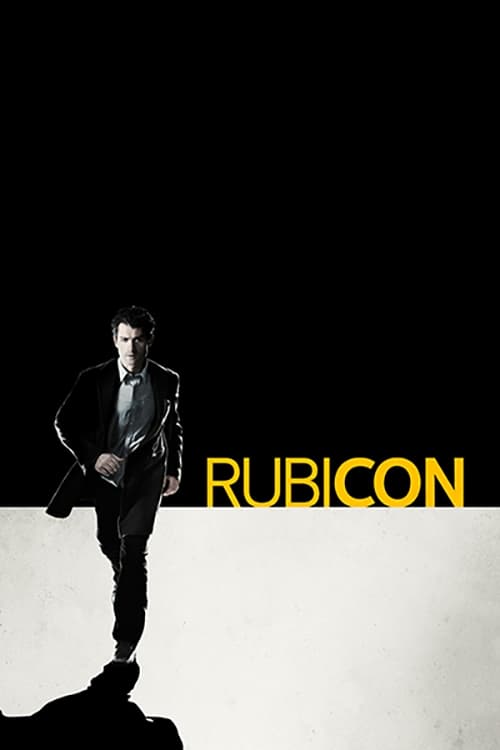
11. Rubicon
AMC, riding high on *Mad Men*, gave us *Rubicon*. This was a slow-burn, intellectual thriller about an intelligence analyst uncovering a conspiracy. It demanded your attention, rewarding patience with subtle performances and meticulous plotting. It was moody, paranoid, and perhaps too quiet for the masses, but its intricate design and focus on character made it a standout example of cable risk-taking.
12 / 12
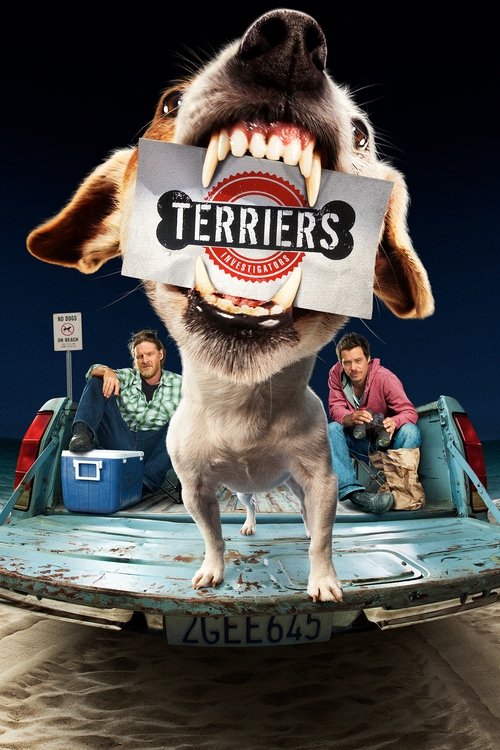
12. Terriers
FX delivered another underappreciated classic with *Terriers*. Donal Logue and Michael Raymond-James played two down-on-their-luck P.I.s in Ocean Beach, California. It was a buddy drama, a crime procedural, and a character study all rolled into one. The writing was sharp, the chemistry electric, and the serialized mystery genuinely compelling. It deserved so much more than its single season.