

1 / 10

1. Possession
Andrzej Żuławski’s *Possession* from 1981 is less a horror film and more a visceral, shattering excavation of a marriage’s brutal dissolution. Set against the stark backdrop of Cold War Berlin, Isabelle Adjani delivers one of cinema's most unhinged performances as a woman grappling with an existential crisis that manifests in grotesque, unfathomable ways. Its raw, almost operatic intensity delves deep into psychological chaos, leaving an indelible, unsettling mark that few films dare to approach.
2 / 10
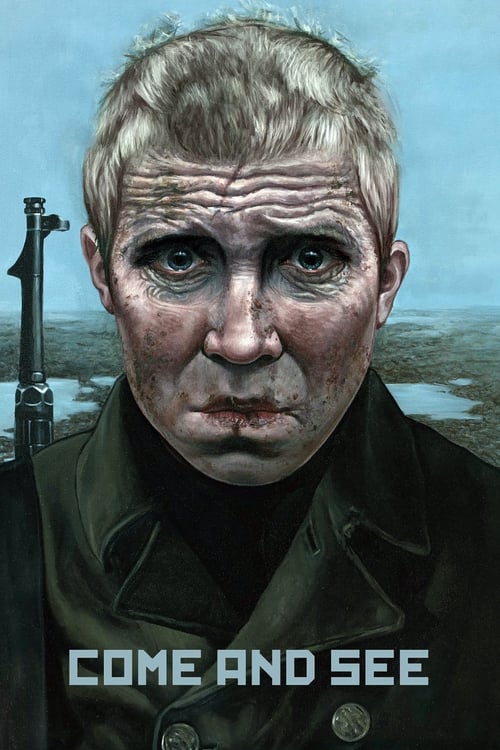
2. Come and See
Elem Klimov’s *Come and See* (1985) is not merely an anti-war film; it is an unblinking, harrowing descent into the hellish reality of the Belarusian genocide during WWII. Seen through the eyes of a young boy, Flyora, whose innocence is systematically stripped away, the film forces viewers to confront atrocity with an almost unbearable intimacy. Its unflinching realism and dreamlike, yet brutal, imagery make it one of cinema’s most potent and essential, albeit profoundly disturbing, experiences.
3 / 10
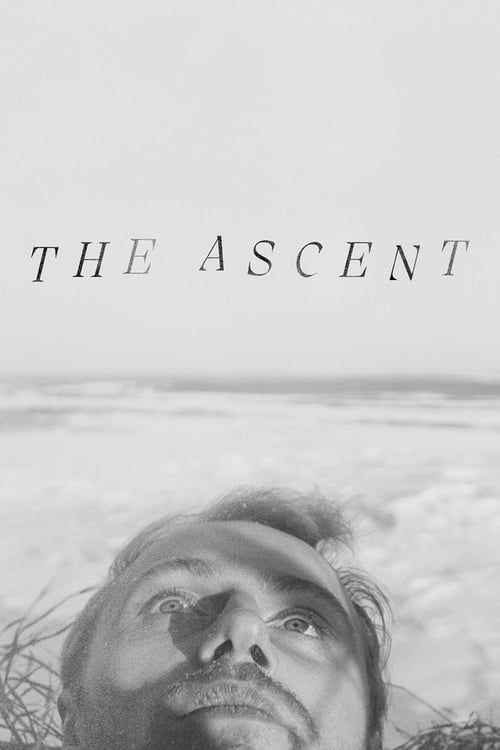
3. The Ascent
Larisa Shepitko’s *The Ascent* (1977), her final film, is a profoundly spiritual and deeply human war drama. Two Soviet partisans, captured during WWII, face impossible moral choices in the face of torture and execution. Shepitko crafts a stark, snow-laden landscape that mirrors the bleakness of their predicament, exploring themes of faith, betrayal, and ultimate sacrifice with an almost biblical weight. It’s a powerful, contemplative work, a testament to endurance and the human spirit under extreme duress.
4 / 10

4. Tetsuo: The Iron Man
Shinya Tsukamoto’s *Tetsuo: The Iron Man* (1989) is a relentless, industrial-fever-dream of body horror and cyberpunk paranoia. A salaryman’s transformation into a grotesque metallic creature after a bizarre accident unleashes a torrent of surreal, black-and-white nightmares. This raw, kinetic, and aggressively avant-garde film is a visceral assault on the senses, a pure expression of urban alienation and technological dread that remains a singular, influential cult classic.
5 / 10

5. Withnail & I
Bruce Robinson’s *Withnail & I* (1987) is a quintessential British black comedy, chronicling the misadventures of two unemployed, alcoholic actors in late-1960s London and the Lake District. Richard E. Grant's iconic performance as the eponymous Withnail, alongside Paul McGann's 'I,' anchors a script brimming with quotable lines and a unique blend of melancholic wit and desperate squalor. It’s a darkly humorous, poignant exploration of friendship, failure, and the end of an era.
6 / 10
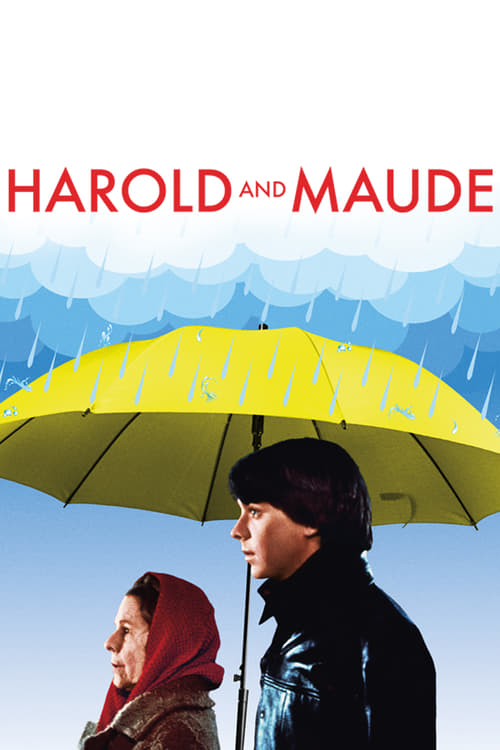
6. Harold and Maude
Hal Ashby’s *Harold and Maude* (1971) is a darkly humorous yet profoundly life-affirming romance between a death-obsessed young man and an octogenarian woman brimming with vitality. Their unconventional relationship challenges societal norms, celebrating individuality, love, and the beauty found in life's fleeting moments. With a brilliant Cat Stevens soundtrack, this black comedy transcends its quirky premise to deliver a truly poignant and enduring message about embracing existence, even in its strangest forms.
7 / 10
7. The Vanishing
George Sluizer’s original Dutch film, *The Vanishing* (1988), is a masterclass in psychological dread. When his girlfriend inexplicably disappears at a gas station, Rex becomes consumed by an obsessive search for answers, only to find himself drawn into a chilling game with her abductor. The film expertly builds tension, eschewing cheap scares for a slow-burn narrative that culminates in one of cinema’s most disturbing and nihilistic endings, leaving a cold, lingering sense of horror.
8 / 10
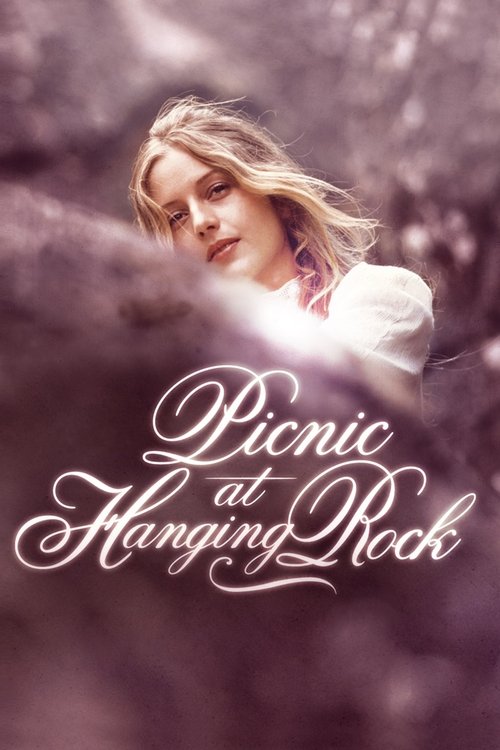
8. Picnic at Hanging Rock
Peter Weir’s *Picnic at Hanging Rock* (1975) is a haunting, atmospheric mystery that eschews conventional resolution for an enduring sense of enigma. On Valentine’s Day, 1900, several schoolgirls and a teacher vanish without a trace during an outing to a volcanic formation. Weir masterfully crafts a dreamlike, sensual mood, intertwining the girls' burgeoning sexuality with the ancient, indifferent Australian landscape, creating a film that explores the unsettling power of the unknown and the fragility of human order.
9 / 10
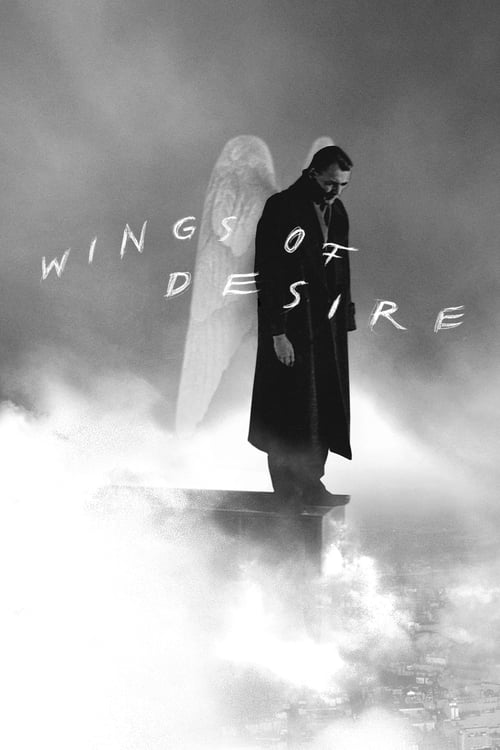
9. Wings of Desire
Wim Wenders’ *Wings of Desire* (1987) is a poetic, ethereal rumination on existence, humanity, and love, set against the backdrop of a divided Berlin. Two angels, initially observing the city in black and white, long to experience the sensory world of mortals. Bruno Ganz’s Damiel falls for a trapeze artist, choosing mortality for love. It’s a deeply philosophical and visually stunning work that celebrates the small, poignant details of human life with profound tenderness and grace.
10 / 10

10. Repo Man
Alex Cox’s *Repo Man* (1984) is a gloriously anarchic punk rock sci-fi comedy. Otto (Emilio Estevez), a disaffected punk, falls in with a crew of eccentric car repossessors, quickly finding himself entangled in a bizarre conspiracy involving a glowing Chevy Malibu, alien cadavers, and government agents. It’s a brilliantly cynical, absurd, and endlessly quotable satire of consumerism, paranoia, and the American dream, infused with a raw, independent spirit that defines cult cinema.