

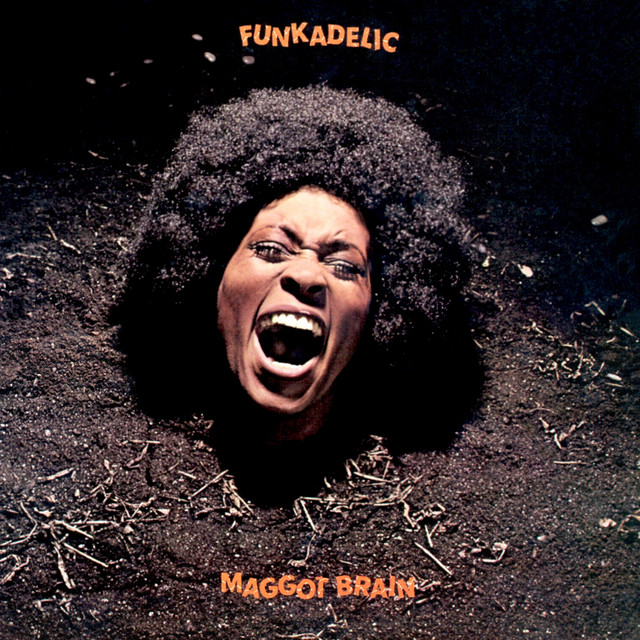
1. Maggot Brain
Funkadelic’s opus, this isn’t just a guitar solo; it’s a spiritual exorcism captured on tape. Eddie Hazel’s sustained wail, drenched in an almost primal wah, pushes beyond traditional blues-rock structures into something psychedelic and deeply personal. The sheer analog warmth, the tape hiss, it all adds to the visceral quality. And really, it defined a new kind of emotionally charged improvisation, stretching the boundaries of funk and rock into a singular, monumental statement. It’s raw, unflinching emotion, perfectly engineered for its time.
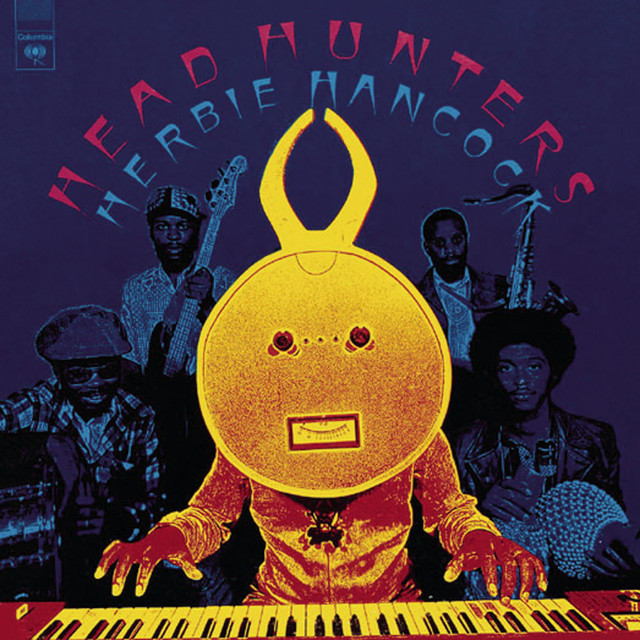
2. Head Hunters
Herbie Hancock’s move from acoustic jazz aristocracy into electrifying funk-fusion was a seismic event. This record, with its indelible basslines and innovative use of analog synthesizers – the ARP Odyssey, the Rhodes – established a new paradigm. The rhythmic complexity, those interlocking, syncopated patterns, felt utterly fresh, yet rooted in deep funk tradition. It’s a masterclass in ensemble interplay, where each instrument, from Bennie Maupin’s reeds to Harvey Mason’s drums, contributes to a futuristic, yet undeniably organic, groove.
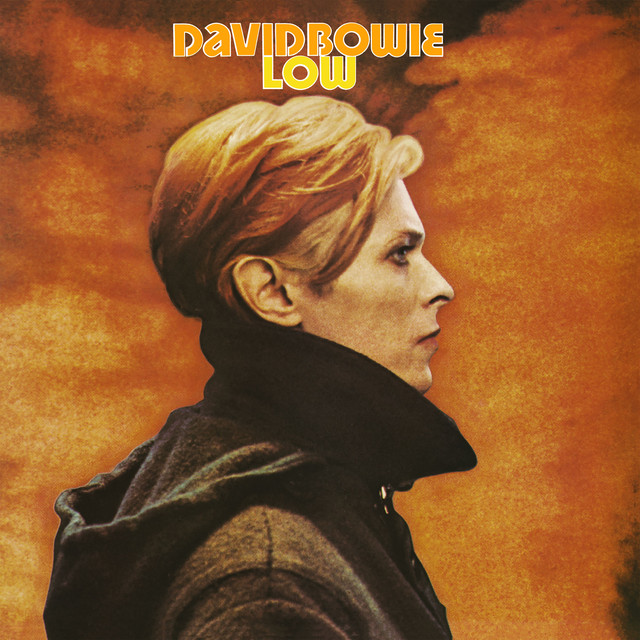
3. Low (2017 Remaster)
Bowie’s 'Berlin' era began here, a stark departure into fractured art-rock and minimalist ambient textures. With Eno’s sonic architecture, the analog synthesizers – EMS VCS 3, ARP 2600 – painted desolate sonic landscapes, especially on the instrumental B-side. The drums, processed through a primitive Eventide H910 harmonizer, delivered a stark, compressed punch that became instantly iconic. It’s a testament to studio as instrument, pushing boundaries of pop music into something challenging, almost alien, yet undeniably compelling.
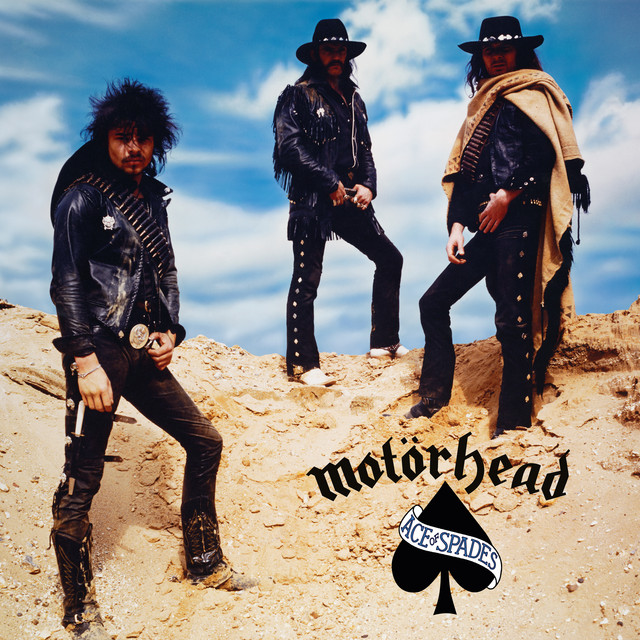
4. Ace of Spades
Lemmy’s bass, raw and distorted, practically leads the charge here, driving a relentless, motor-powered assault. This isn't just metal; it's a primal scream, a relentless, stripped-down rock 'n' roll fury that bordered on punk's aggression. The production, while not pristine, perfectly captures their live energy, emphasizing speed and volume without much polish. It solidified a sound, a blueprint for what would become thrash, proving that three instruments played with absolute conviction could move mountains. No frills, just pure, unadulterated velocity.

5. Computer World (2009 Remaster)
Kraftwerk’s vision of the future was startlingly accurate, and this album is its stark, rhythmic blueprint. While conceptually digital, its execution relies entirely on meticulously programmed analog synthesizers, sequencers, and vocoders. The stark, repetitive melodies and machine-like rhythms, though seemingly cold, possess an undeniable, almost human precision. It’s the sound of automation becoming art, directly influencing the nascent techno and synth-pop movements by demonstrating the emotional power inherent in electronic minimalism. A true pre-MIDI masterpiece.
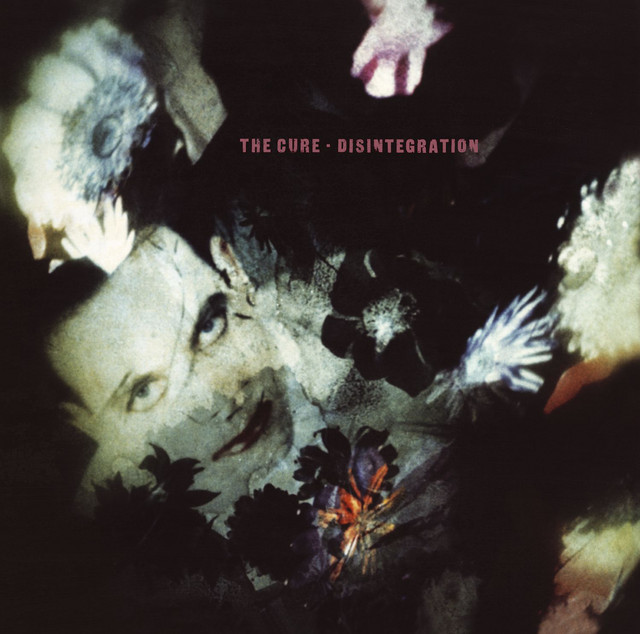
6. Disintegration (2010 Remaster)
The Cure perfected their brand of melancholic grandeur here, weaving vast tapestries of sound. Robert Smith’s guitar, drenched in chorus and delay, alongside those signature analog synth pads, creates an expansive, almost suffocating atmosphere. The entire record is awash in reverb, giving each note an immense weight and spatial depth. It’s a masterclass in mood, a rich, dark soundscape that feels both intimate and impossibly vast, a true benchmark for darkwave and an enduring testament to analog studio alchemy.
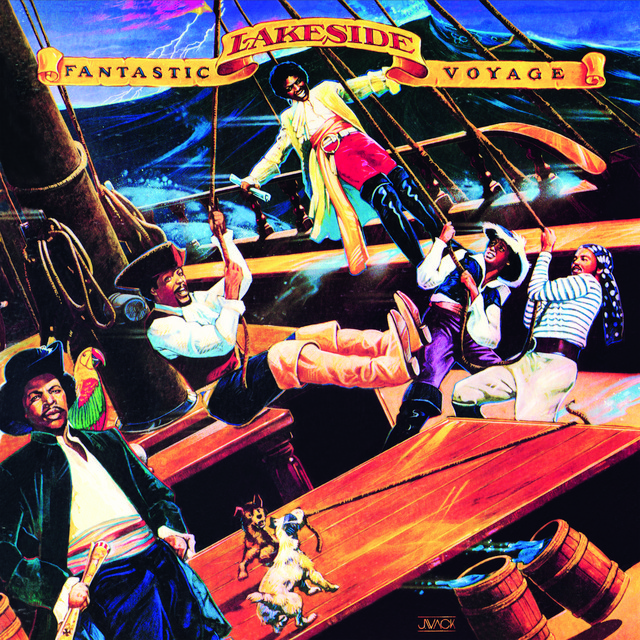
7. Fantastic Voyage (Deluxe Edition)
Lakeside’s "Fantastic Voyage" is pure, unadulterated boogie-funk, a masterclass in tight arrangements and undeniable groove. The basslines here are the undisputed kings, driving the entire ship with incredible precision and melodic flair. Layered horns, slick guitar riffs, and those smooth, harmonized vocals elevate it beyond simple disco, pushing into a more sophisticated, polished funk territory. It’s a testament to the era’s studio craftsmanship, capturing that perfect blend of danceability and musicality, a sound that just feels inherently good.

8. From the Land of Rape and Honey (The Suppressed Tapes)
Ministry’s definitive pivot into industrial metal, this album is a relentless assault. Al Jourgensen unleashed distorted drum machines, clanking samples, and abrasive guitar riffs to forge a sound of mechanical aggression. It's a brutalist masterpiece, a sonic hammer blow that eschewed traditional rock structures for something far more confrontational and visceral. The analog grit, the sheer noise, it’s all meticulously crafted chaos, setting a benchmark for industrial music and proving the immense power of synthesized and sampled sounds when pushed to their absolute limits.

9. Acid Trax
Phuture's "Acid Trax" isn't just a record; it's the genesis of an entire subgenre. The squelching, resonant lines of the Roland TB-303 bassline synthesizer are the undisputed star, manipulated with a raw, almost primitive intensity. This Chicago creation, with its driving, repetitive beat and utterly distinctive synth permutations, proved that minimalist electronic elements could generate immense emotional and physical response. It was a raw, unpolished, yet utterly revolutionary sound, laying the groundwork for acid house and fundamentally altering dance music’s trajectory.

10. Damaged
Black Flag’s "Damaged" is the sound of pure, unadulterated hardcore punk rage. Greg Ginn’s guitar, with its unique, almost chaotic tone, drives these short, brutal bursts of energy. Henry Rollins’s vocals are a primal scream, full of desperation and fury. The production is raw, capturing the band’s visceral intensity without any unnecessary polish, emphasizing speed and aggression. It's a cornerstone, a blueprint for countless punk bands, proving that musical sophistication could be entirely secondary to raw, emotional impact and uncompromising conviction.
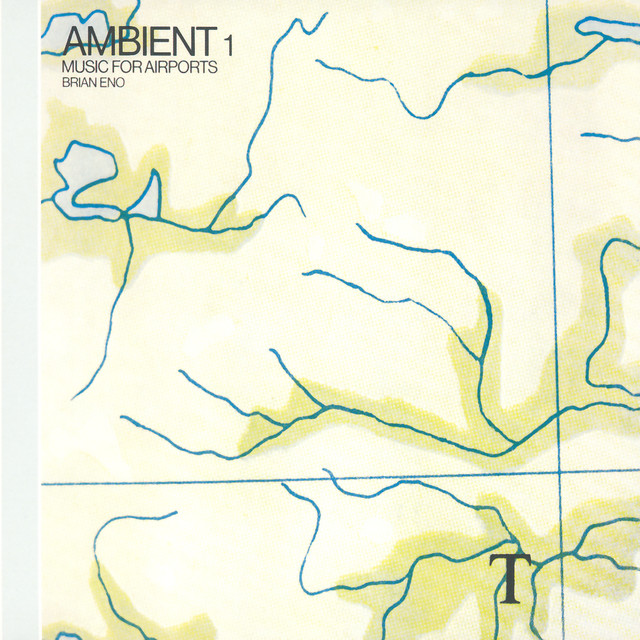
11. Ambient 1: Music For Airports (Remastered 2004)
Brian Eno codified an entire genre with this record, creating music designed to "induce calm and space to think." Using tape loops and carefully constructed layers of piano and synthesizers, he crafted a soundscape that is both unobtrusive and deeply immersive. The absence of traditional melody or rhythm pushes the listener towards a different kind of engagement, where texture and atmosphere become paramount. It's a testament to the power of minimalist composition and the spatial possibilities of the recording studio, a truly foundational ambient work.

12. It Takes A Nation Of Millions To Hold Us Back
Public Enemy’s masterpiece was a sonic assault, an uncompromising statement that redefined rap. The Bomb Squad’s production is a marvel of pre-digital sampling: dense, chaotic layers of sirens, breakbeats, and obscure funk fragments create an unparalleled wall of sound. Chuck D’s authoritative voice, paired with Flavor Flav’s hype, delivered potent political and social commentary over those incredibly complex, syncopated rhythms. It's a landmark, showcasing rap's potential as both art and a revolutionary force, all built on a foundation of analog tape and sampled grit.