
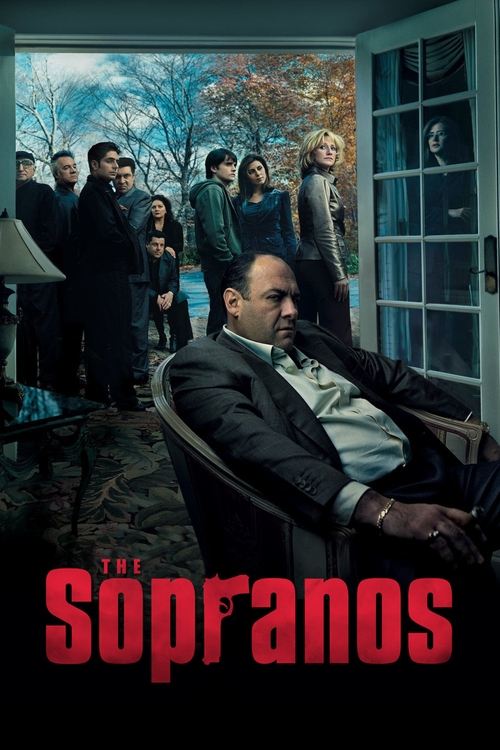
1. The Sopranos
This one landed like a ton of bricks. Suddenly, television wasn't just a distraction; it was art, demanding your full attention. Tony Soprano's therapy sessions, the brutal family business – it redefined what a protagonist could be. HBO dared to go dark, complex, and serialized in a way network TV couldn't touch. It proved that deep, novelistic storytelling belonged on the small screen, setting the standard for prestige dramas that followed. That ending still gets people talking.
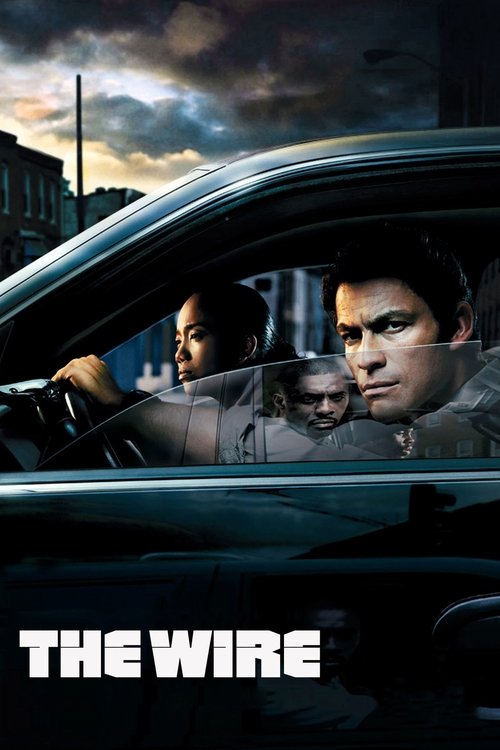
2. The Wire
Forget what you thought about cop shows. The Wire wasn't just about good guys and bad guys; it was a sprawling, systemic look at a city. Each season peeled back another layer – the docks, the schools, the press – showing how everything connected. It was a novel, playing out week after week, demanding viewers keep up. This wasn't background noise; it was an education, cementing the idea that TV could be as profound as literature.

3. Six Feet Under
Death was never this alive. This show took the ultimate taboo and turned it into darkly comedic, deeply emotional family drama. The Fisher family navigating grief and business, with those poignant opening death scenes, was unlike anything else. HBO again pushed boundaries, exploring existential questions with a serialized, character-driven approach that felt both intimate and grand. It showcased television's power to explore the human condition without flinching.
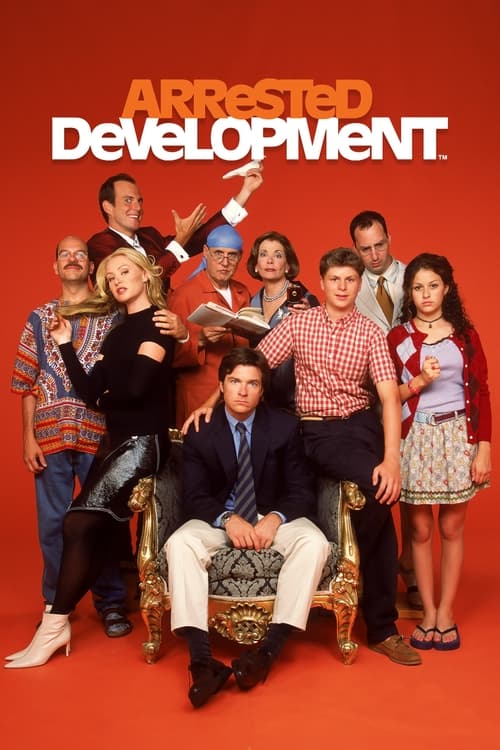
4. Arrested Development
This was a masterclass in comedic density, where every rewatch revealed new layers. Its mockumentary style, rapid-fire gags, and running jokes demanded an engaged audience, rewarding those who paid attention. It was too smart, maybe, for broadcast TV at the time, proving that niche, innovative comedy could thrive. It pioneered the kind of layered storytelling that became perfect for binge-watching, even before that term was common.
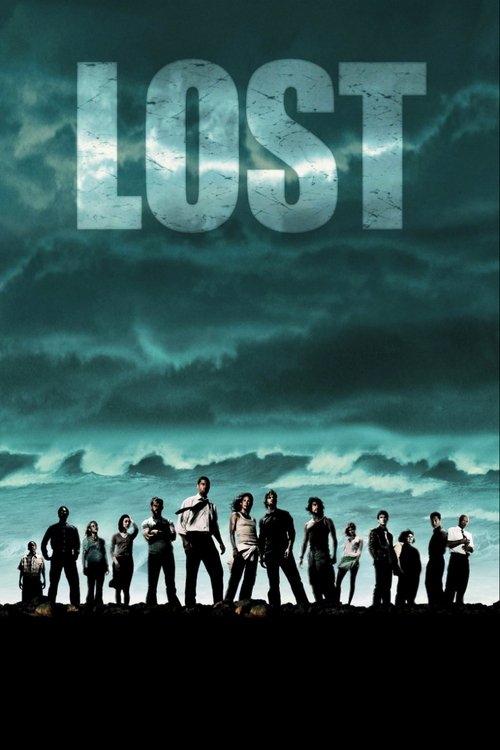
5. Lost
Talk about a water cooler show. This island mystery captivated everyone, blending sci-fi, drama, and character studies into a serialized puzzle box. The flashbacks, flash-forwards, and sprawling mythology kept audiences guessing, making appointment viewing a must. It showed how complex, serialized narratives could hook a mass audience, pushing the boundaries of network television's ambition and setting the stage for intricate, long-form storytelling.
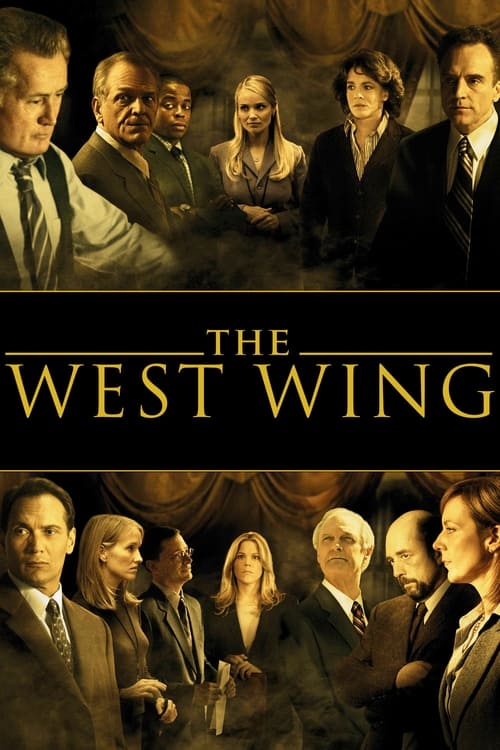
6. The West Wing
Aaron Sorkin's walk-and-talks and rapid-fire dialogue brought a surprising energy to political drama. It humanized the White House, making policy debates compelling and the ensemble cast feel like family. This show elevated network television, proving that intelligent, idealistic storytelling could still find a large audience. It offered a glimpse behind the curtain, making the workings of government surprisingly engaging and aspirational.
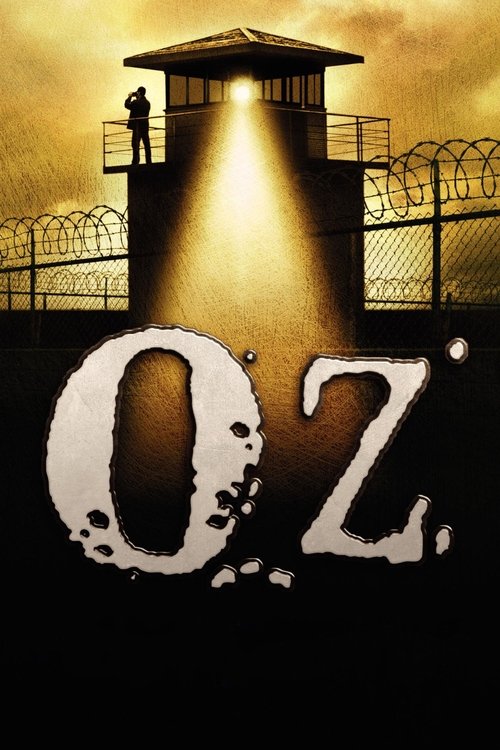
7. Oz
Before The Sopranos or The Wire, Oz was HBO's raw, uncompromising statement. Set in a maximum-security prison, it was brutal, shocking, and utterly unflinching. This was cable taking risks network TV wouldn't dare, exploring dark themes and moral ambiguities with an ensemble cast trapped in a pressure cooker. It proved that television could be a truly adult medium, pushing boundaries for violence and complex character development.
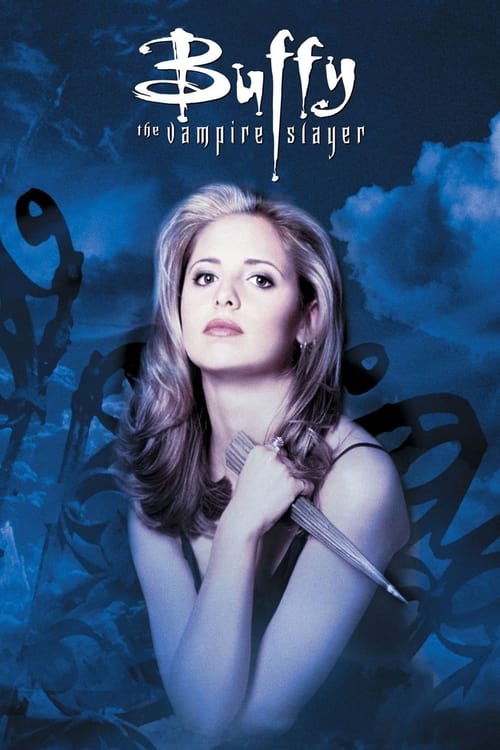
8. Buffy the Vampire Slayer
Don't let the title fool you; this was sharp, witty, and surprisingly deep. It took the monster-of-the-week format and layered it with serialized character arcs, emotional depth, and metaphors for adolescence. Joss Whedon's dialogue was iconic, and the show expertly blended horror, comedy, and drama. It proved genre shows could be critically acclaimed and culturally significant, paving the way for sophisticated fantasy on TV.
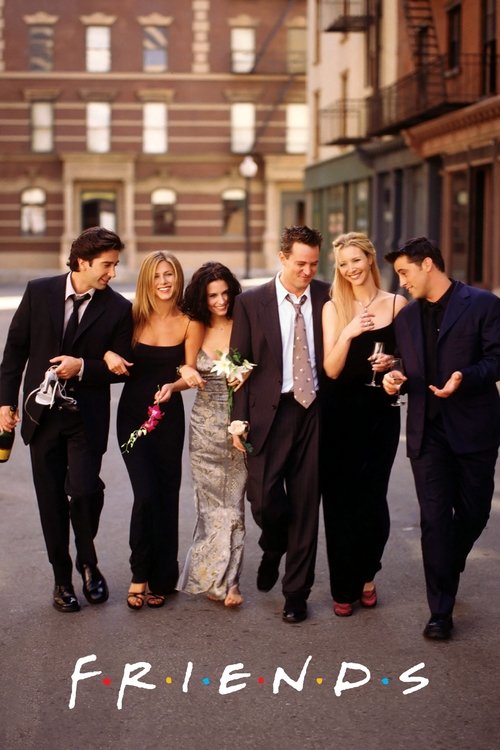
9. Friends
You can't talk about the '90s without Friends. It perfected the ensemble sitcom, making six New Yorkers feel like your own circle. The jokes landed, the relationships evolved, and it became a cultural touchstone. While not serialized in the Wire sense, its long-running character development and emotional payoffs kept millions tuning in weekly. It defined a generation's idea of urban friendship and comfort viewing.

10. ER
This show exploded onto screens with a cinematic urgency previously unseen on network TV. Its fast-paced, multi-camera style, ensemble cast, and medical realism made every episode feel like a high-stakes event. It revolutionized the procedural drama, focusing on character and continuous storylines rather than neat resolutions. ER proved that network television could deliver high production values and compelling, serialized character arcs week after week.

11. Curb Your Enthusiasm
Larry David's "pretty good" approach to comedy was a game-changer. This semi-improvised, mockumentary-style show blurred the lines between reality and fiction, showcasing cringe humor before it had a name. HBO let David run wild, proving that a show could be built around a single, frustratingly honest character and loose narratives. It laid groundwork for character-driven, experimental comedy that felt utterly fresh.