

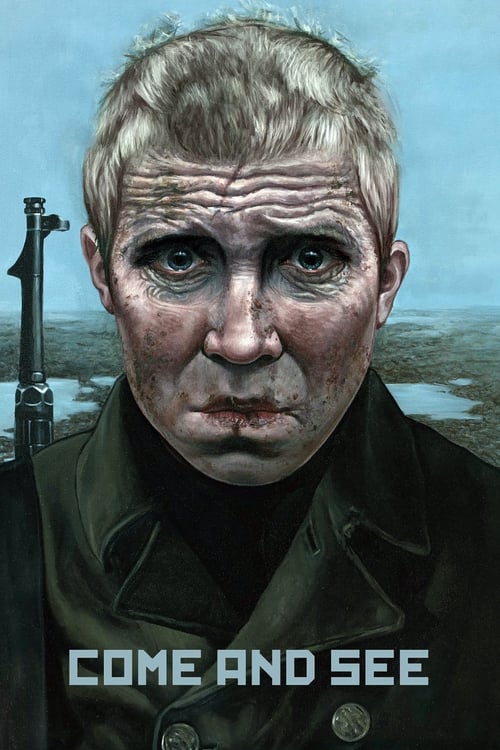
1. Come and See
Elem Klimov's Soviet anti-war masterpiece isn't merely a film; it's an experience. Following a young boy through the harrowing Belarusian front lines of WWII, its unflinching gaze and visceral sound design create a suffocating sense of terror and moral decay. This 1985 release remains a stark, essential testament to humanity's capacity for brutality, pulling no punches in its depiction of war's true, soul-crushing cost. A profoundly disturbing yet vital viewing.

2. Possession
Andrzej Żuławski's 1981 psychological horror is a blistering, operatic explosion of a collapsing marriage. Isabelle Adjani and Sam Neill deliver raw, unhinged performances as their characters descend into a maelstrom of paranoia, infidelity, and monstrous manifestations. Set against the stark backdrop of Cold War Berlin, this film defies easy categorization, blending body horror with a profound, terrifying exploration of emotional disintegration. It's an unnerving, unforgettable journey into the abyss of human connection.
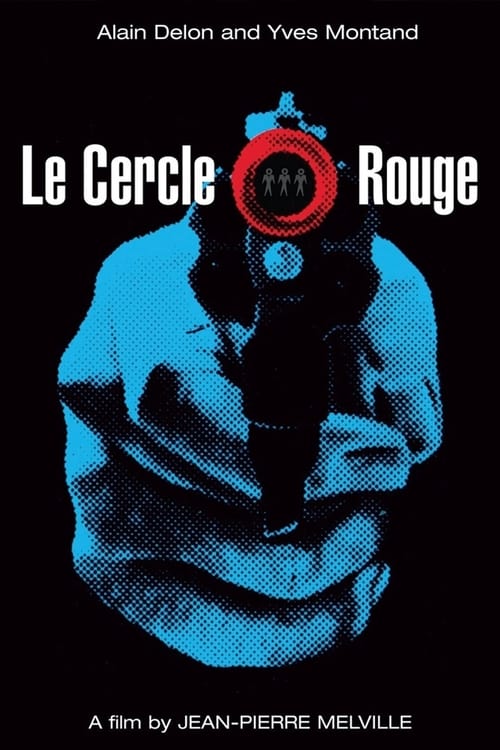
3. Le Cercle Rouge
Jean-Pierre Melville's 1970 French crime classic epitomizes cool, minimalist precision. Following a trio of professional criminals executing an elaborate jewel heist, the film is a masterclass in atmospheric tension and meticulous craft. Dialogue is sparse; character is conveyed through action and a pervasive sense of fatalism. It’s a stylish, almost spiritual meditation on honor among thieves and the inexorable march of fate, rendered with Melville's signature, steely elegance.
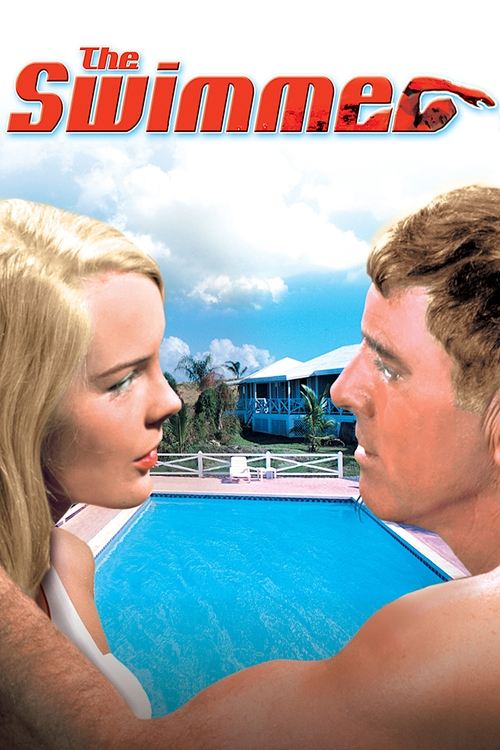
4. The Swimmer
Frank Perry's 1968 adaptation of John Cheever's short story is a haunting, allegorical portrait of suburban disillusionment. Burt Lancaster delivers a career-defining performance as Ned Merrill, who decides to "swim" home via his affluent neighbors' pools. What begins as a playful jaunt slowly unravels into a melancholic descent, revealing the hollowness beneath his seemingly perfect life. It’s a profoundly unsettling examination of American dreams and the fragility of identity.
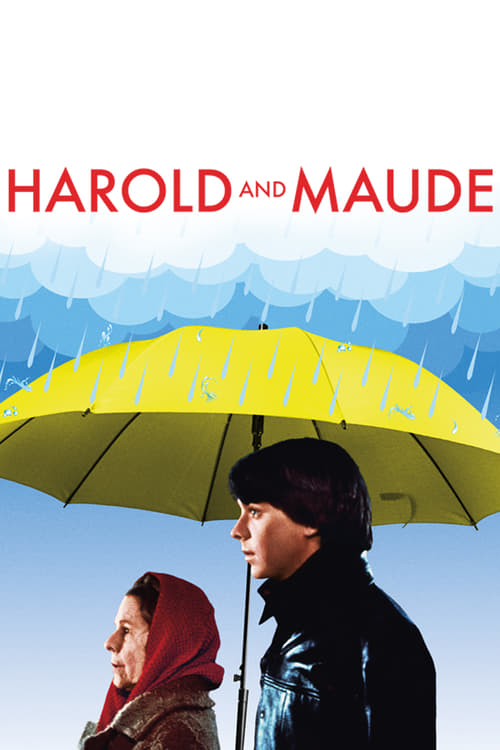
5. Harold and Maude
Hal Ashby's 1971 cult classic is a wonderfully idiosyncratic black comedy about an unlikely romance. It charmingly navigates the morbid obsessions of young Harold and the life-affirming zest of septuagenarian Maude. Far from being merely quirky, the film is a tender, poignant meditation on finding joy in unexpected places, challenging societal norms, and embracing life—and death—with open arms. Its idiosyncratic charm and genuine warmth resonate deeply.

6. Tampopo
Juzo Itami's 1985 "ramen western" is a joyous, culinary odyssey unlike any other. This episodic, genre-bending film follows a truck driver who helps a struggling ramen shop owner perfect her craft. It's a whimsical, often surreal exploration of food, desire, and the intricate rituals surrounding a perfect meal. With its hilarious vignettes and heartfelt celebration of gastronomic passion, *Tampopo* is a truly unique, utterly delightful cinematic feast for the senses.
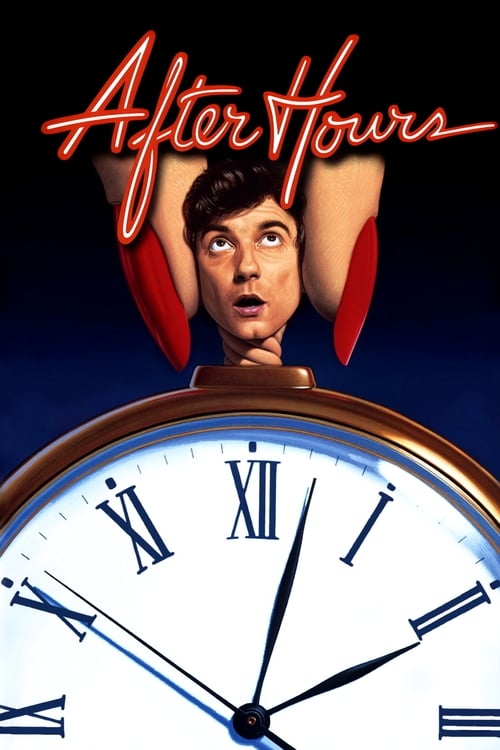
7. After Hours
Martin Scorsese’s 1985 black comedy is a frenetic, anxiety-inducing odyssey through a single night in SoHo. Paul Hackett's attempt to go home after a disastrous date spirals into an escalating series of bizarre encounters and increasingly absurd predicaments. Scorsese expertly crafts a nocturnal urban nightmare, where every turn leads to more chaos and paranoia. It's a darkly hilarious, relentlessly paced, and utterly unforgettable descent into metropolitan madness.
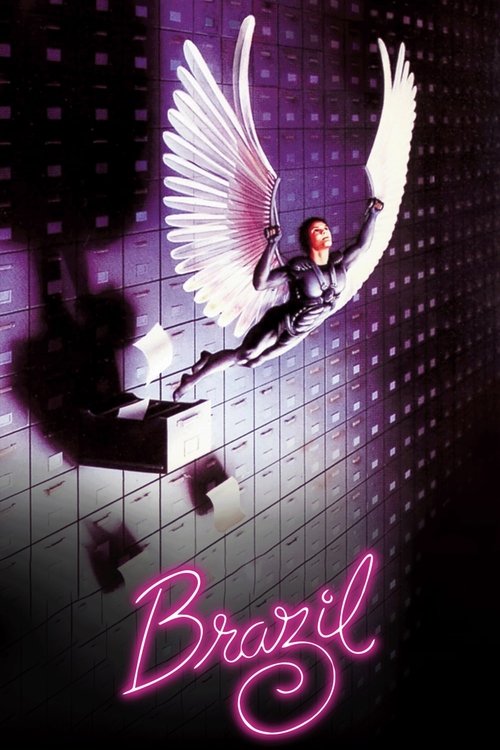
8. Brazil
Terry Gilliam’s 1985 dystopian masterpiece is a visually astounding, darkly comedic satire of bureaucratic absurdity and totalitarian control. Sam Lowry, a low-level government employee, dreams of escape from his mundane, technologically stifling world, only to find himself entangled in a Kafkaesque nightmare. *Brazil* remains a potent, prescient critique of consumerism and unchecked authority, delivered with Gilliam's signature imaginative flair and profound melancholic humor.
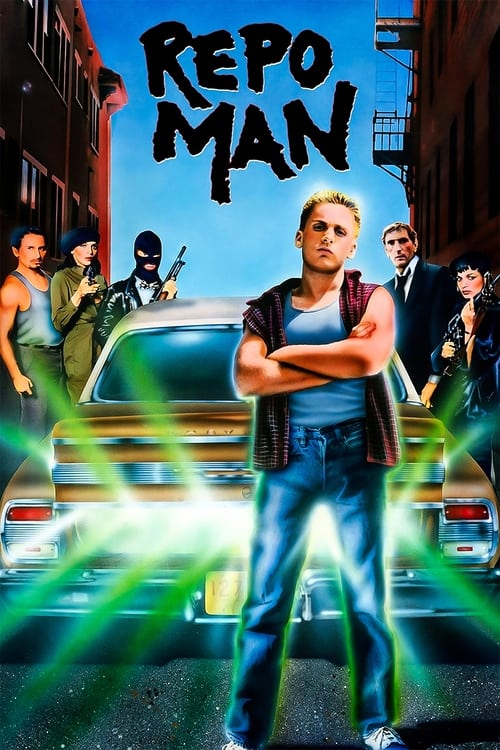
9. Repo Man
Alex Cox's 1984 punk rock cult classic is an anarchic, irreverent blast of counter-culture energy. Otto, a disillusioned punk, falls in with a crew of eccentric repo men, stumbling into a bizarre conspiracy involving aliens, a 1964 Chevy Malibu, and government agents. It’s a hilarious, politically charged, and deeply weird film that perfectly captures the DIY ethos of its era, all set to an iconic soundtrack. Absolutely one-of-a-kind.
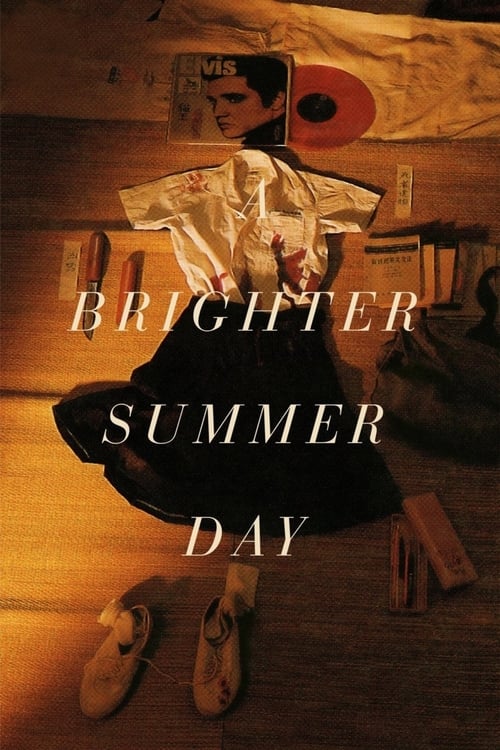
10. A Brighter Summer Day
Edward Yang’s sprawling 1991 epic is a monumental achievement in Taiwanese cinema. Set in 1960s Taipei, it masterfully interweaves the coming-of-age story of a teenage boy with the complex socio-political backdrop of a nation grappling with its identity. Its almost four-hour runtime allows for an immersive, melancholic realism, building a rich tapestry of adolescence, violence, and societal anxieties that resonate far beyond its specific historical moment.
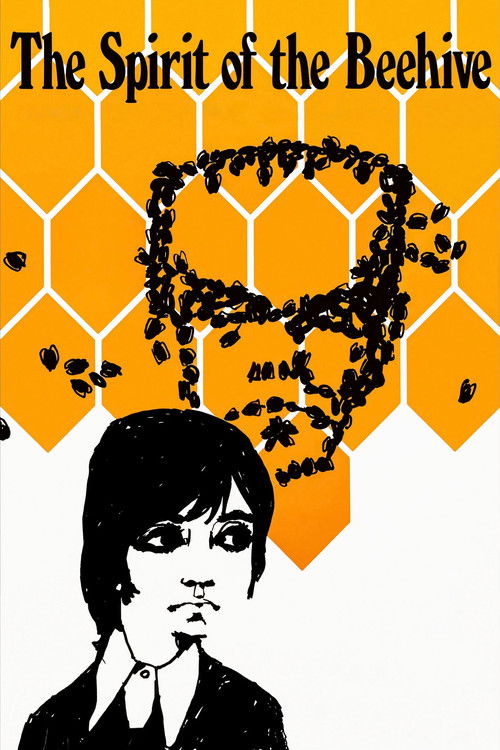
11. The Spirit of the Beehive
Víctor Erice's 1973 Spanish film is a haunting, poetic masterpiece. Set in a desolate Castilian village shortly after the Spanish Civil War, it explores the inner world of young Ana, whose imagination is ignited by a traveling screening of *Frankenstein*. The film is a delicate, allegorical exploration of childhood innocence, the power of fantasy, and the lingering scars of trauma, rendered with an exquisite, dreamlike atmosphere.

12. Killer of Sheep
Charles Burnett's 1978 independent film is a profoundly humanistic portrait of working-class Black life in Watts, Los Angeles. Shot on a shoestring budget, it follows Stan, a slaughterhouse worker, as he navigates the quiet desperation and tender moments of his daily existence. Burnett captures authenticity with a poetic, neo-realist lens, offering a powerful, unsentimental glimpse into the mundane struggles and enduring spirit of his community. A vital, understated classic.