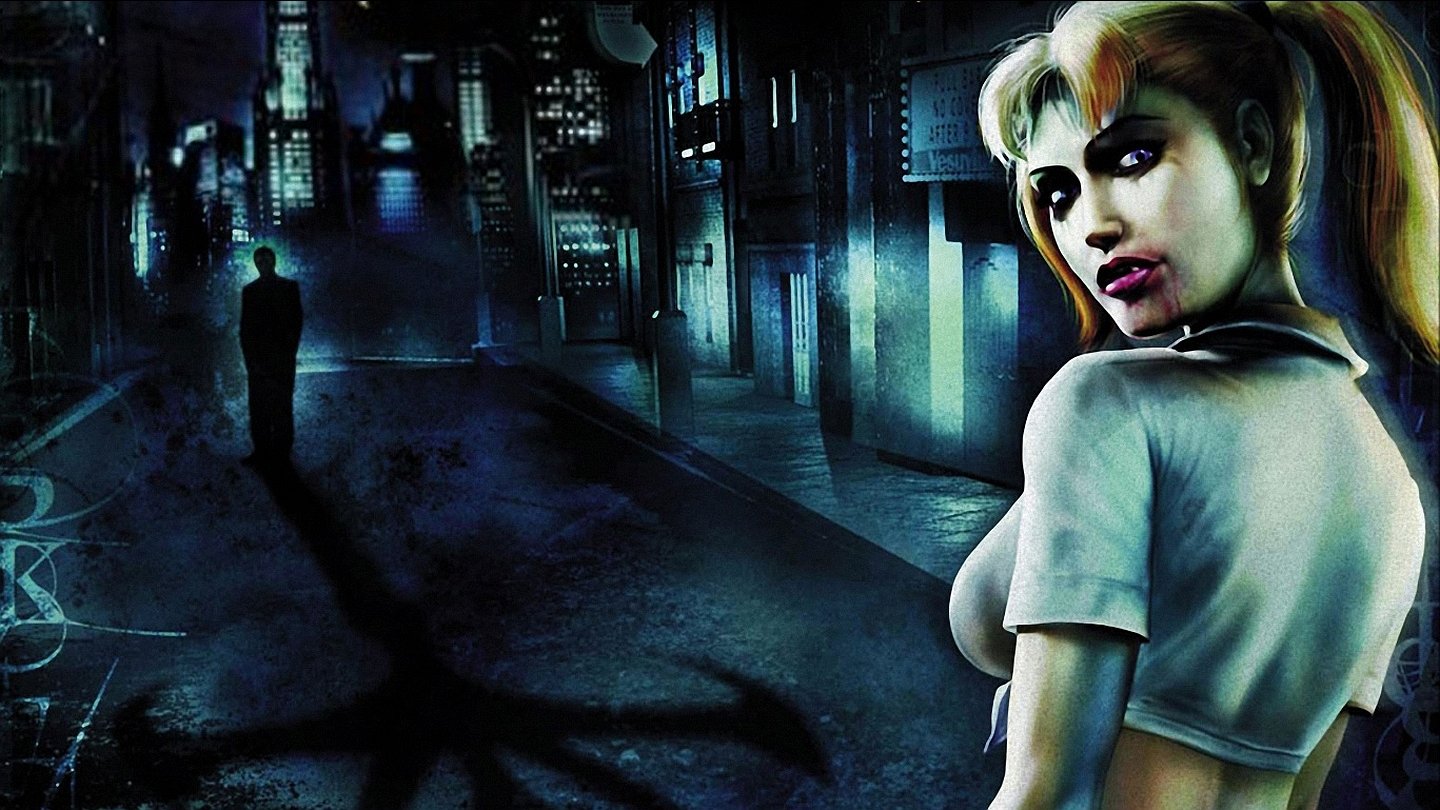
1. Vampire: The Masquerade - Bloodlines
Man, Bloodlines was a beautiful mess. It shipped buggy, unfinished, yet its ambition was breathtaking: multiple clans, radically different playstyles, and a dialogue system that still puts most modern RPGs to shame. Today, a game this raw and experimental, demanding so much player investment while being so technically imperfect at launch, would either be cut to ribbons by execs or delayed for years until the magic was polished out. It's a miracle it even exists in the form it does.
2. Arcanum: Of Steamworks and Magick Obscura
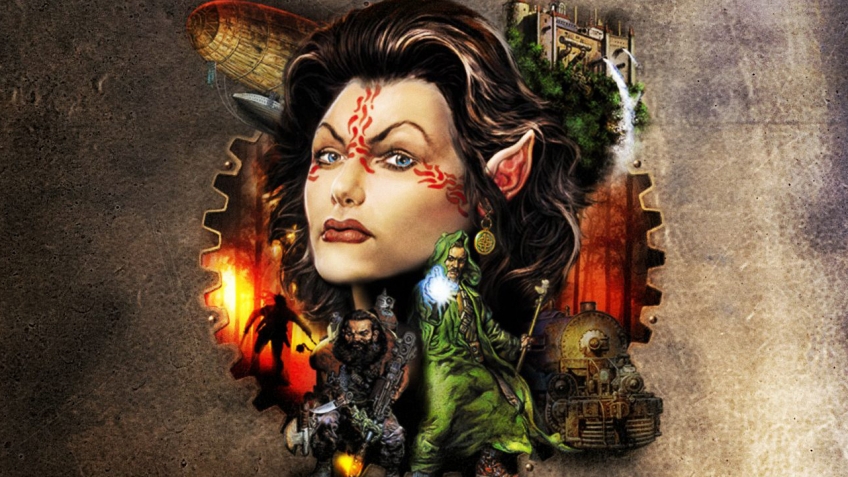
Arcanum was unapologetically complex. Its deep character creation could brick your playthrough before you even started, and the world-building, blending steampunk and high fantasy, was dense. Modern design ethos screams 'accessibility' and 'broad appeal,' stripping away the very systems that made Arcanum so unique and replayable. No publisher today would greenlight a game this obtuse, this focused on player choice having real, sometimes detrimental, consequences on their experience. We lost something vital there.
3. Grim Fandango
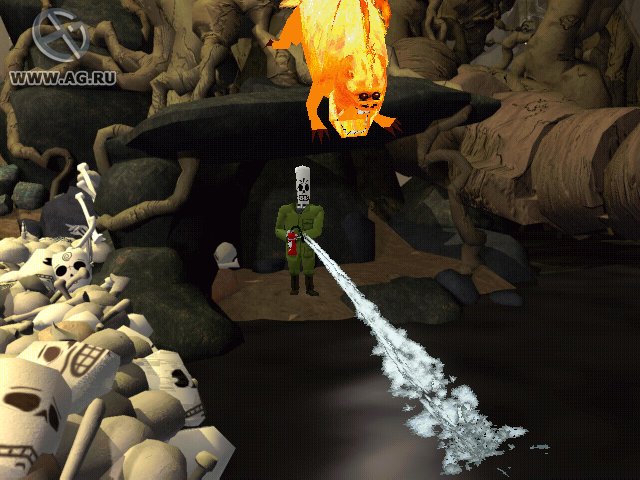
This point-and-click adventure from '98 is a masterclass in style and storytelling, with its unique Day of the Dead aesthetic and noir narrative. But seriously, the complex, often obscure puzzles and tank controls? Modern devs would streamline it, add objective markers, and probably ditch the unique art direction for something more 'marketable.' The patience required for Grim Fandango's intricate design and its focus on pure narrative immersion just doesn't fit today's fast-paced, instant-gratification market.
4. System Shock 2
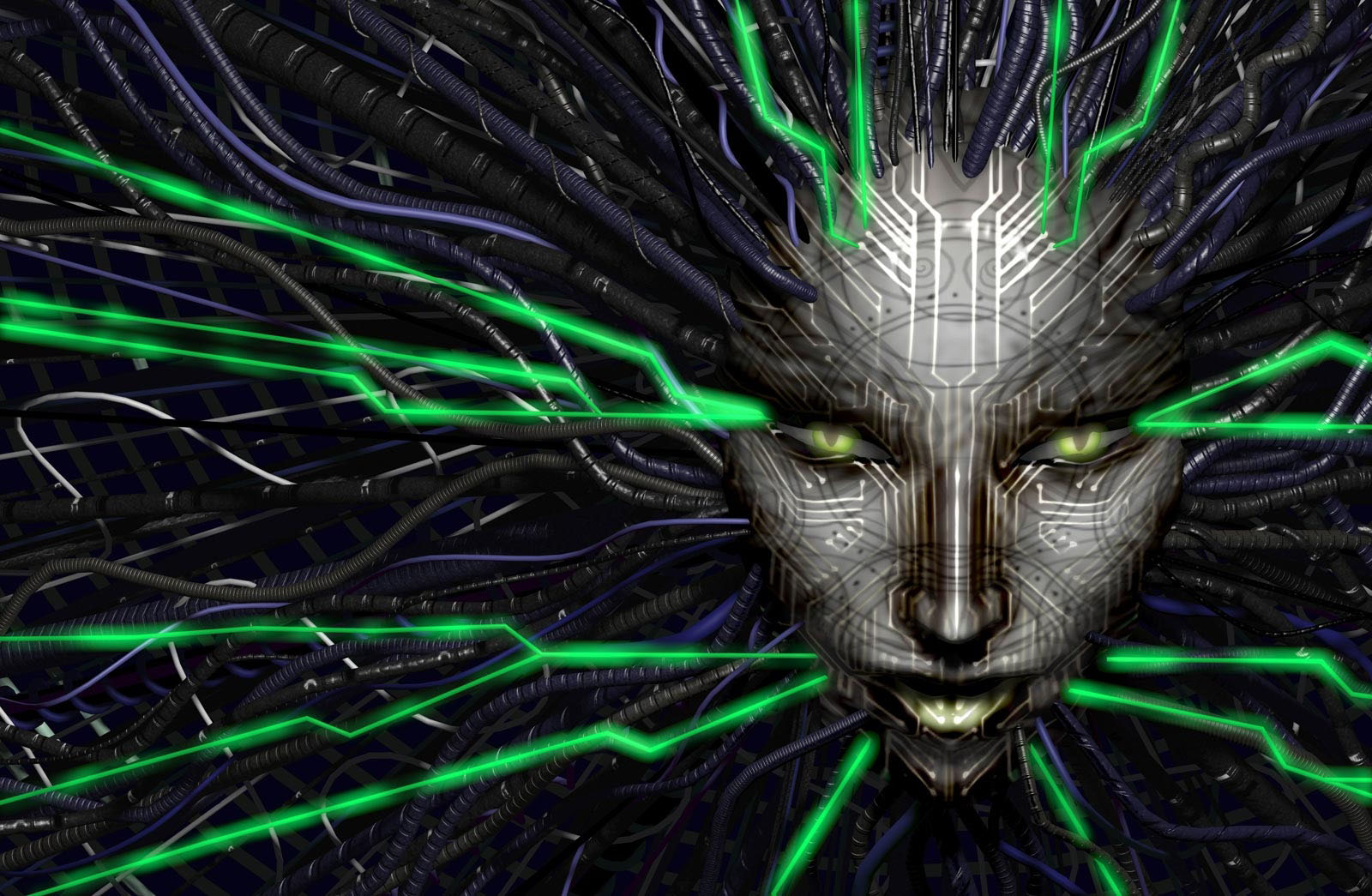
A true genre-bender, System Shock 2 blurred lines between FPS, RPG, and horror, creating an oppressive, terrifying atmosphere. It never held your hand, forcing players to adapt, scavenge, and make difficult choices. Today, a game this demanding, with its deliberate pacing and opaque systems, would be deemed too niche. Publishers want clear genre boxes, easy hooks, and marketable loops. The emergent horror and systemic depth of SS2 would be ironed out into something far blander.
5. Deus Ex
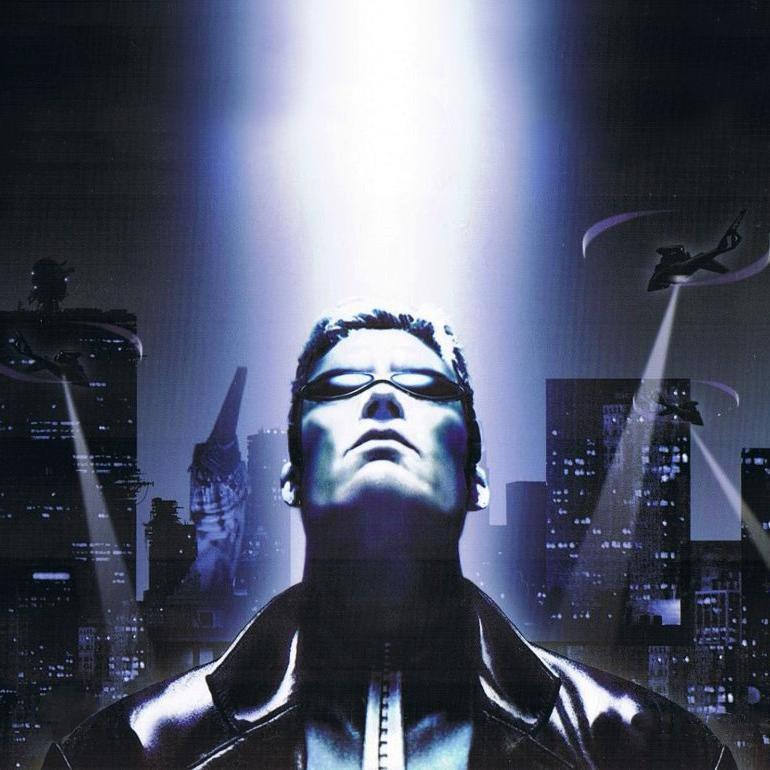
The original Deus Ex was a revelation, offering unprecedented player freedom. Seriously, every problem had multiple solutions – stealth, combat, hacking, diplomacy – all viable. The sheer scope of its branching paths, level design, and deep RPG systems would be a QA and budget nightmare today. Modern immersive sims often feel scaled back, struggling to replicate the depth and true player agency that Deus Ex achieved, because the cost of that freedom is just too high now.
6. Okami
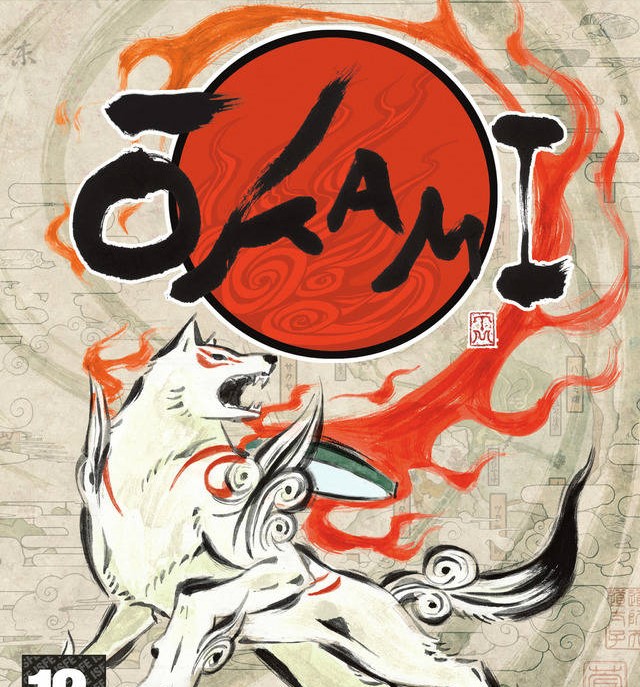
Okami, in its PS2 glory, was a breathtaking blend of Japanese mythology, innovative Celestial Brush mechanics, and a stunning, unique art style. It was a love letter to Zelda-like adventure, but with its own incredible identity. A modern AAA publisher would likely balk at the non-photorealistic aesthetic and the slower, more deliberate pacing. They'd probably demand a 'realistic' graphics overhaul or shoehorn in unnecessary multiplayer, losing the pure artistic vision that made it so special.
7. Giants: Citizen Kabuto
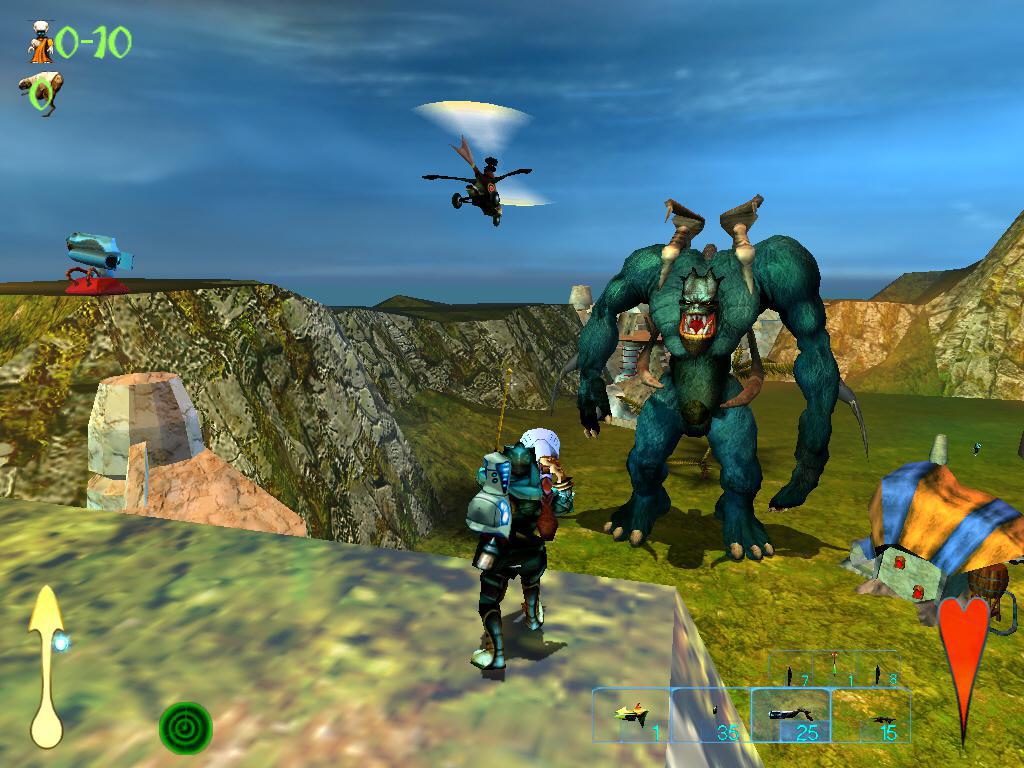
Giants was an absolute fever dream of a game. It mixed third-person shooter, RTS, and platforming across three wildly different campaigns, all wrapped in a hilarious, irreverent package. Its sheer eccentricity and refusal to fit into a neat genre box would make it a non-starter today. Modern gaming often chases trends and relies on established IPs. A game this genuinely weird, this confident in its bizarre vision, simply wouldn't get funded in a market obsessed with predictability and focus-grouped appeal.