
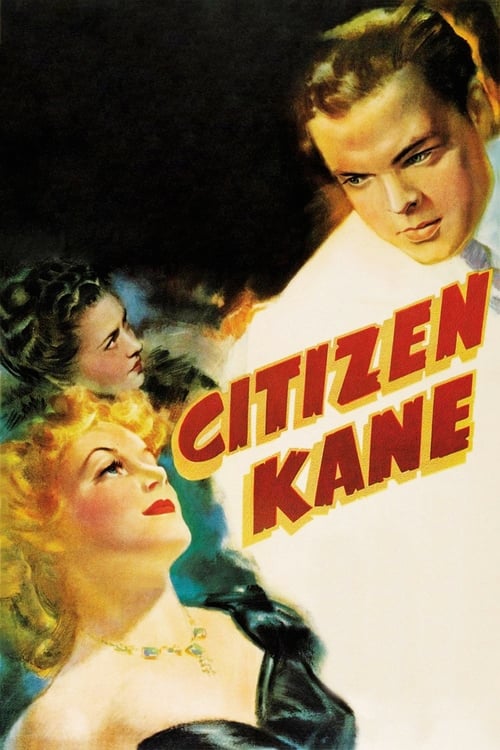
1. Citizen Kane
Welles's audacious debut remains a masterclass in cinematic innovation, its fragmented narrative and deep-focus cinematography shattering conventional storytelling. This film-noir infused exploration of Charles Foster Kane's elusive identity and the corrupting nature of power revealed how even monumental figures are defined by their private sorrows, leaving an indelible mark on how films are made and perceived.
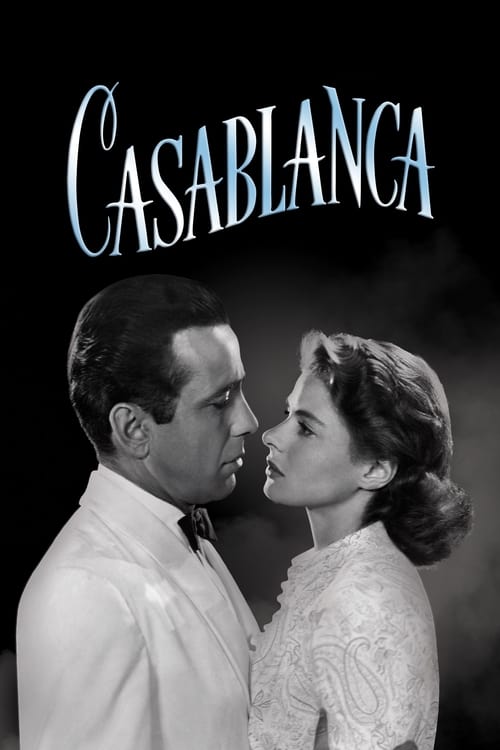
2. Casablanca
More than a wartime romance, *Casablanca* is a potent cocktail of political intrigue, sacrifice, and moral ambiguity, all framed by unforgettable dialogue. Michael Curtiz expertly balances grand historical sweep with intimate human drama, creating an enduring myth of noble self-denial and bittersweet love that resonated deeply with a generation grappling with global conflict.

3. Seven Samurai
Kurosawa's epic transcends its genre, offering a profound meditation on social hierarchy, honor, and the fleeting nature of heroism. Its meticulous character development, dynamic action, and strategic pacing not only influenced countless action films but also explored universal themes of community versus chaos, proving that grand narratives can be deeply personal and universally resonant.
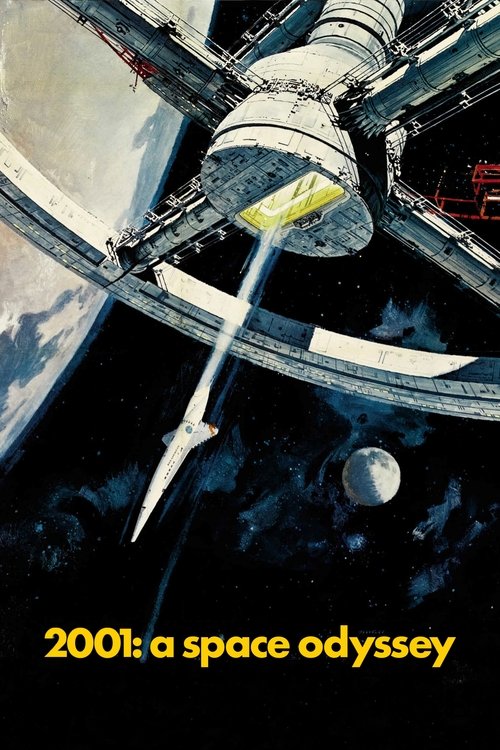
4. 2001: A Space Odyssey
Kubrick's monumental work is less a story and more a philosophical odyssey, pushing the boundaries of cinematic language. Its enigmatic narrative, groundbreaking visual effects, and iconic soundtrack invite viewers into a transcendent experience exploring evolution, artificial intelligence, and humanity's place in the cosmos, a profound, often unsettling, contemplation of existence itself.
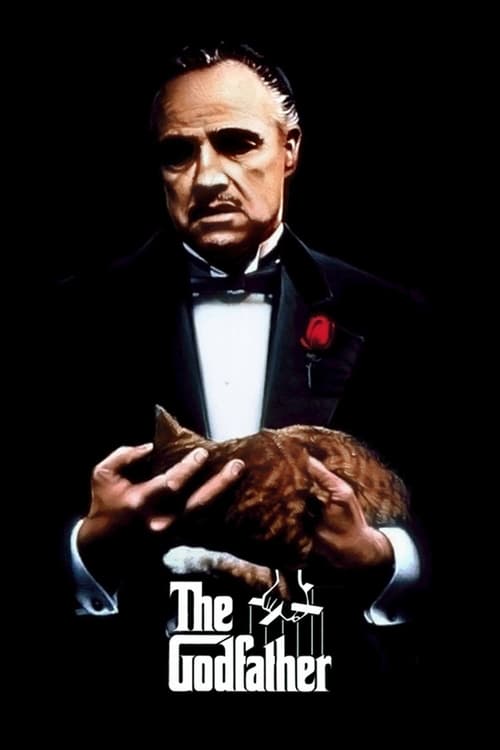
5. The Godfather
Coppola's sprawling crime epic redefined the gangster genre, elevating it to Shakespearean tragedy. It's a meticulous study of family, power, and the American dream's dark underbelly, where loyalty is currency and violence is a business tool. The film's psychological depth and iconic performances solidified its place as a benchmark for character-driven storytelling and auteurial vision.
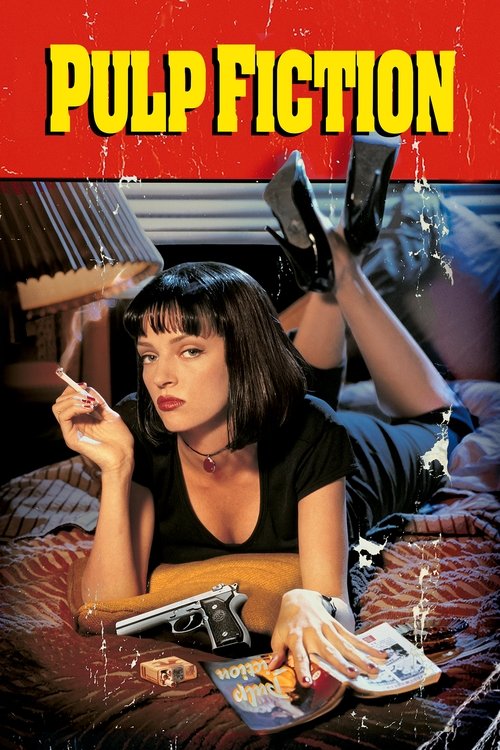
6. Pulp Fiction
Tarantino exploded onto the scene with this nonlinear, dialogue-driven mosaic, revitalizing independent cinema. Its audacious structure, pop culture references, and distinctive blend of humor and ultra-violence created a new cinematic language, challenging audience expectations of narrative and character. It was a cultural earthquake, cementing Tarantino as a singular voice and influencing a generation of filmmakers.
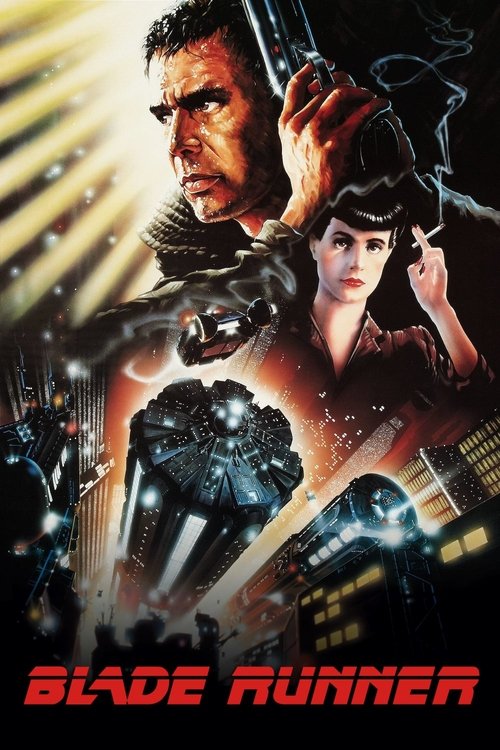
7. Blade Runner
Ridley Scott's dystopian masterpiece isn't just science fiction; it's a neo-noir elegy for humanity, draped in breathtaking, rain-soaked visuals. Its profound questions about identity, memory, and what it means to be human—or artificial—have resonated for decades. The film's meticulous world-building and philosophical depth forged a path for intelligent genre cinema.
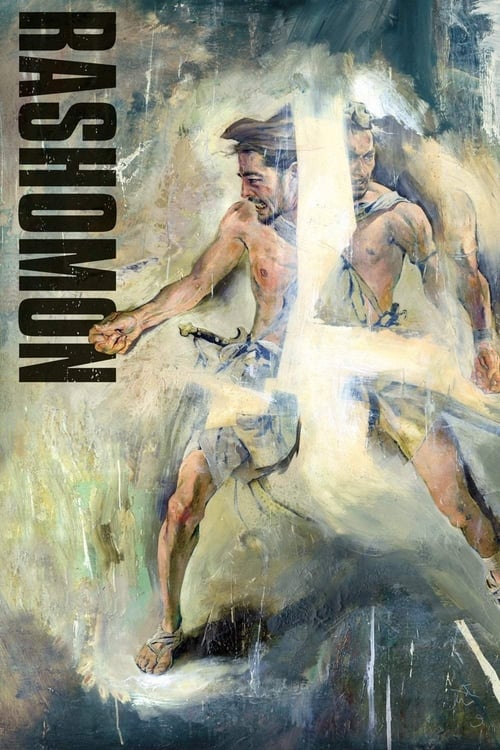
8. Rashomon
Kurosawa’s groundbreaking narrative structure, presenting a single event through multiple, conflicting perspectives, revolutionized cinematic storytelling. It's a profound examination of truth, perception, and the inherent subjectivity of human experience. This film didn't just tell a story; it interrogated the very act of storytelling and the unreliable nature of memory, leaving an enduring legacy on global cinema.
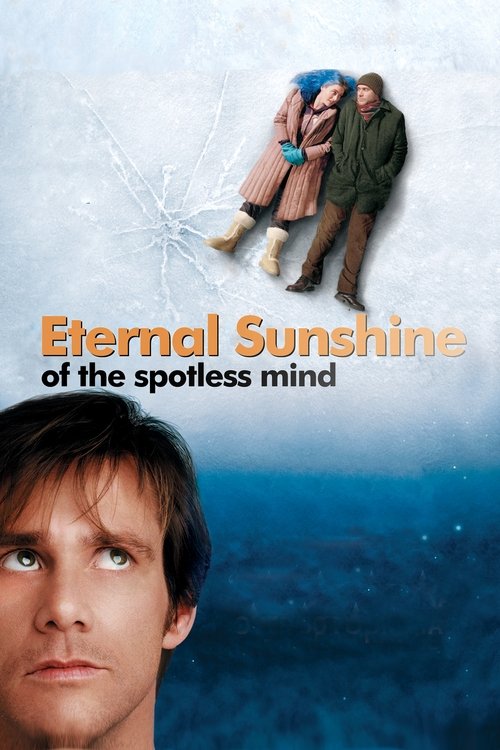
9. Eternal Sunshine of the Spotless Mind
Kaufman and Gondry crafted a deeply original exploration of memory, love, and heartbreak, using a surreal narrative structure to mirror the chaotic nature of emotions. It questions whether erasing painful memories truly leads to happiness, or if those very memories define us. This film is a poignant, inventive testament to the enduring, messy beauty of human connection.
10. Parasite
Bong Joon-ho's masterful blend of dark comedy, thriller, and social commentary expertly dissects class warfare with ruthless precision. The film’s intricate plotting and escalating tension reveal the insidious nature of systemic inequality, culminating in a devastating, unforgettable climax. It’s a powerful, uncomfortable mirror reflecting contemporary societal divisions, proving cinema's potent capacity for critique.
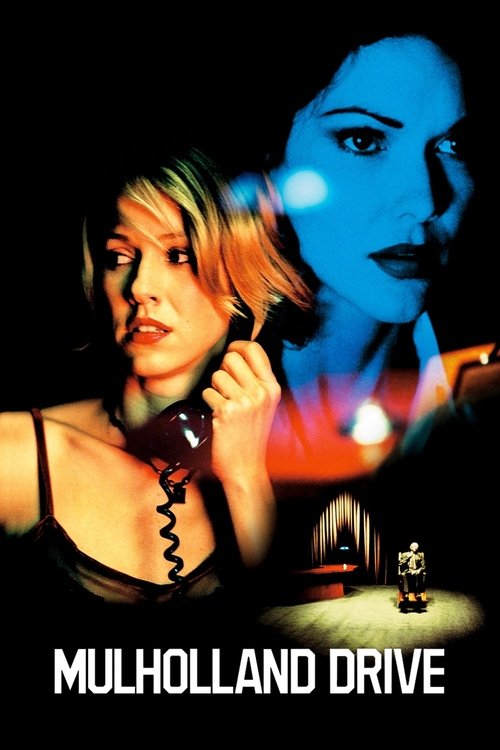
11. Mulholland Drive
Lynch's enigmatic neo-noir is a hypnotic journey into Hollywood's dark heart, a labyrinthine dream logic that blurs reality and illusion. It’s a haunting exploration of shattered dreams, identity, and the price of ambition, inviting viewers to piece together its fragmented narrative. This film solidified Lynch's reputation as a purveyor of the subconscious and the surreal.

12. Stalker
Tarkovsky's meditative science fiction is a pilgrimage into an enigmatic, forbidden "Zone," where desires are tested and reality bends. It's a slow, profound exploration of faith, hope, and the human spirit's yearning for meaning in a desolate world. This film transcends genre, offering a deeply atmospheric and intellectual experience that challenges conventional narrative and visual expectation.