
1 / 12

1. The Elder Scrolls V: Skyrim
Skyrim dropped us into a world begging to be explored, a proper sandbox where every cave felt like a new discovery. Years later, we're still talking about it, modding it into oblivion, and Bethesda's still porting it to toasters. Modern open worlds often feel like checklists, sterile and forgettable. Skyrim, for all its jank, had soul. It wasn't about the next battle pass; it was about getting lost for hundreds of hours, a feeling developers seem to have forgotten how to bottle.
2 / 12
2. Grand Theft Auto V
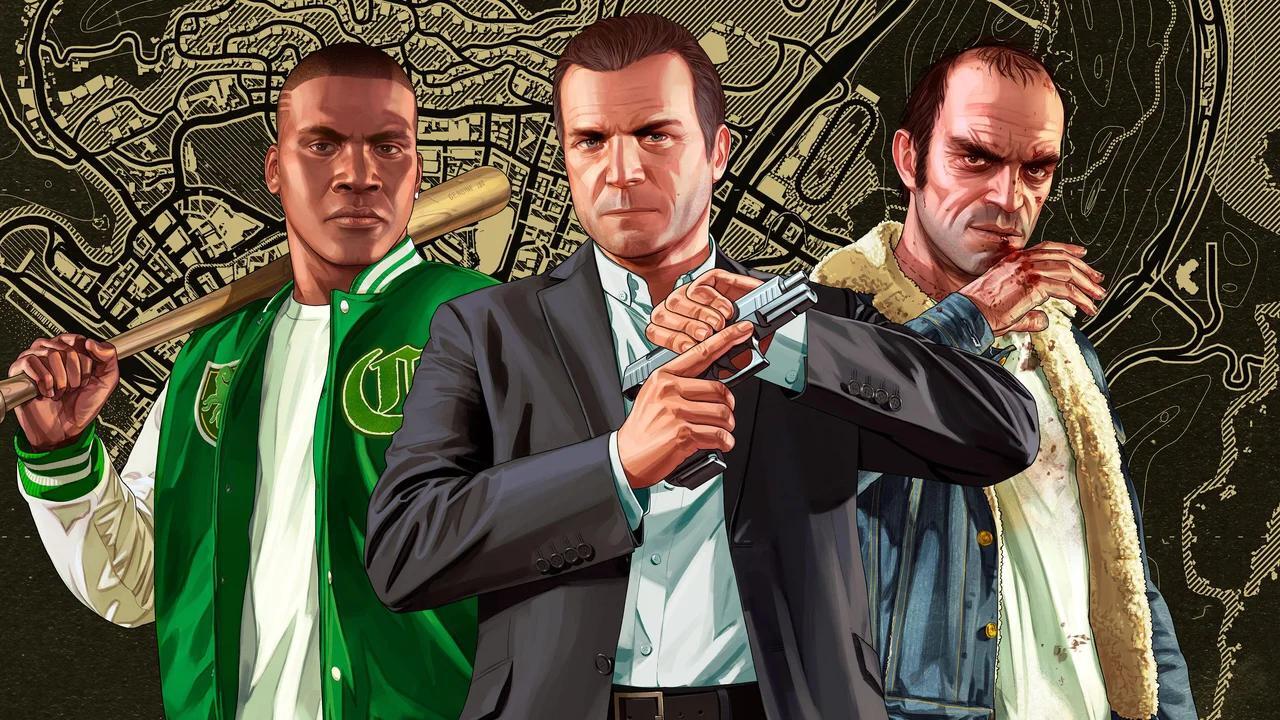
GTA V was a masterclass in open-world design, giving us three compelling protagonists and a sprawling, vibrant Los Santos. Then GTA Online dropped, and suddenly, single-player innovation took a backseat to shark cards and endless grindfests. It’s a tragic tale of how a company can create a masterpiece, then pivot entirely to monetization, leaving a dedicated fanbase craving more of what made the original so special. That feeling of a complete package, unburdened by live-service demands, is largely gone.
3 / 12
3. The Witcher 3: Wild Hunt
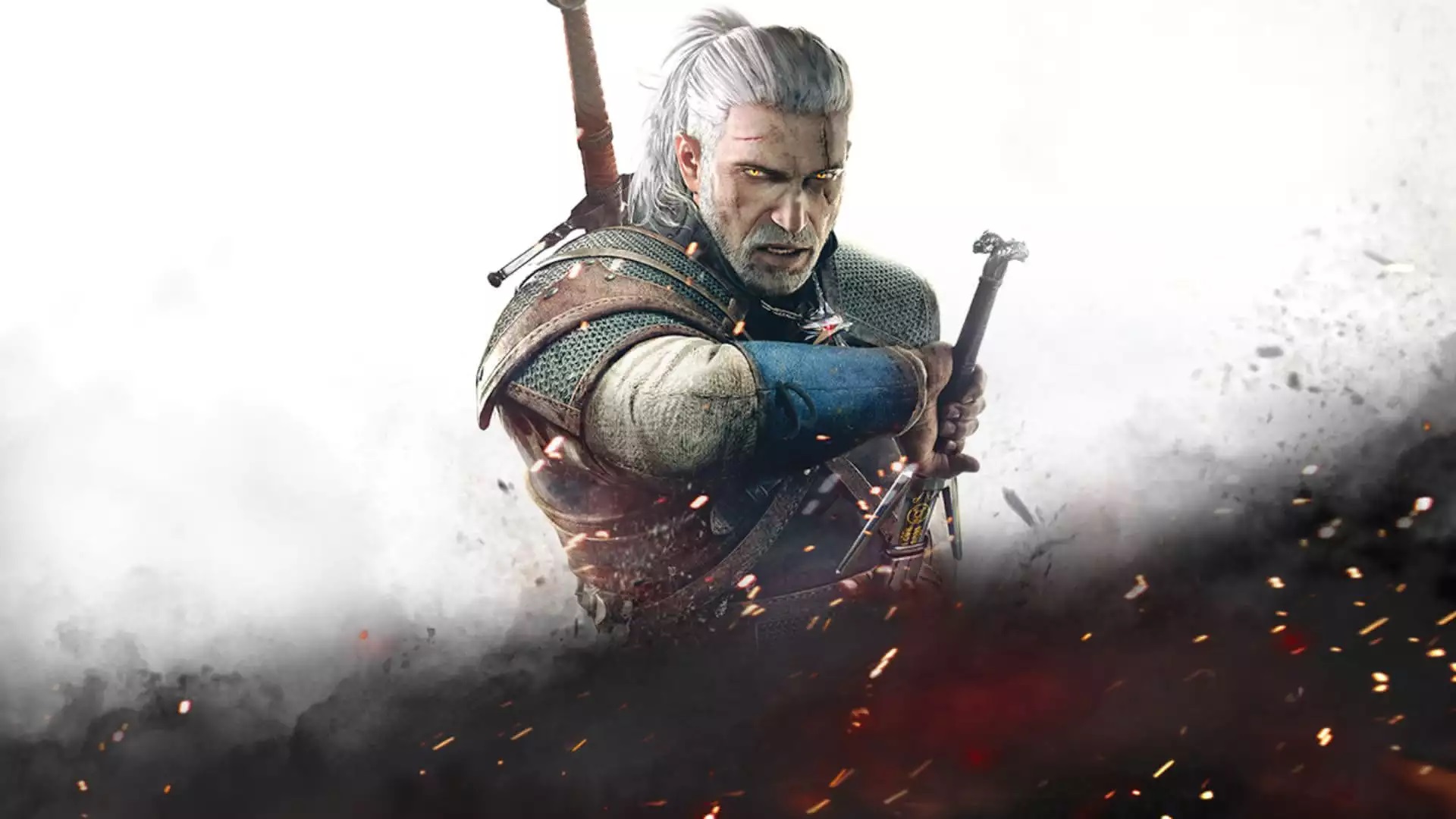
The Witcher 3 showed us that narrative, choice, and consequence could still reign supreme in an open world. Every side quest felt like a main quest, every character memorable. Its DLCs weren’t nickel-and-diming; they were full-blown expansions, adding incredible value. It set a bar for quality, respect for players, and storytelling that few have matched since. Modern devs, obsessed with procedural filler and microtransactions, could learn a thing or twenty about delivering a complete, beloved experience.
4 / 12
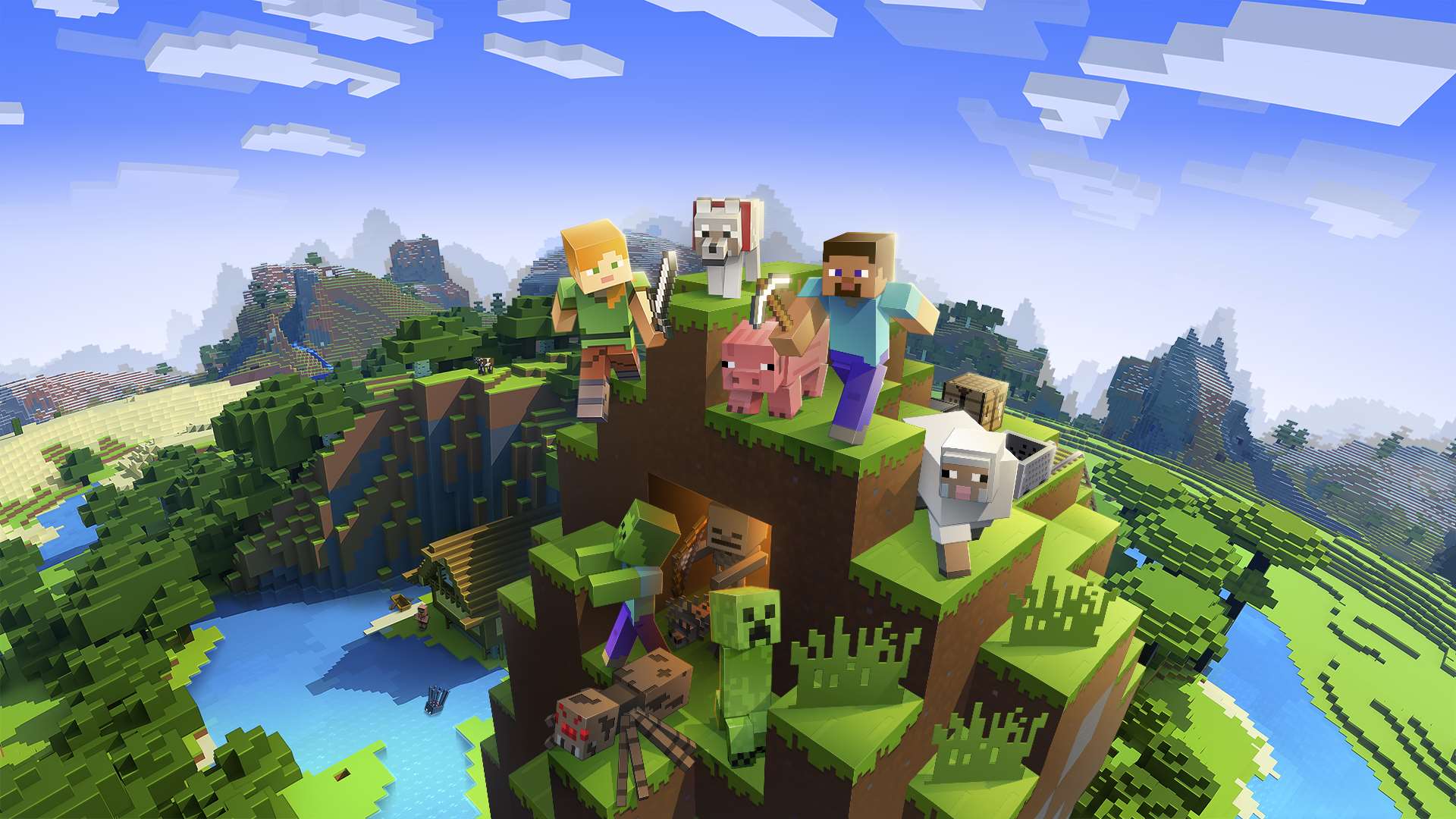
4. Minecraft
Minecraft isn't just a game; it's a fundamental shift in how we approach digital playgrounds. It gave us tools and then stepped back, trusting us to build empires, craft stories, and even invent new game modes. Its emergent gameplay, driven by player creativity, is unmatched. And yet, so many modern titles try to funnel us down narrow paths, assuming we need constant direction. Minecraft proves that sometimes, the best design is simply giving players the freedom to imagine.
5 / 12
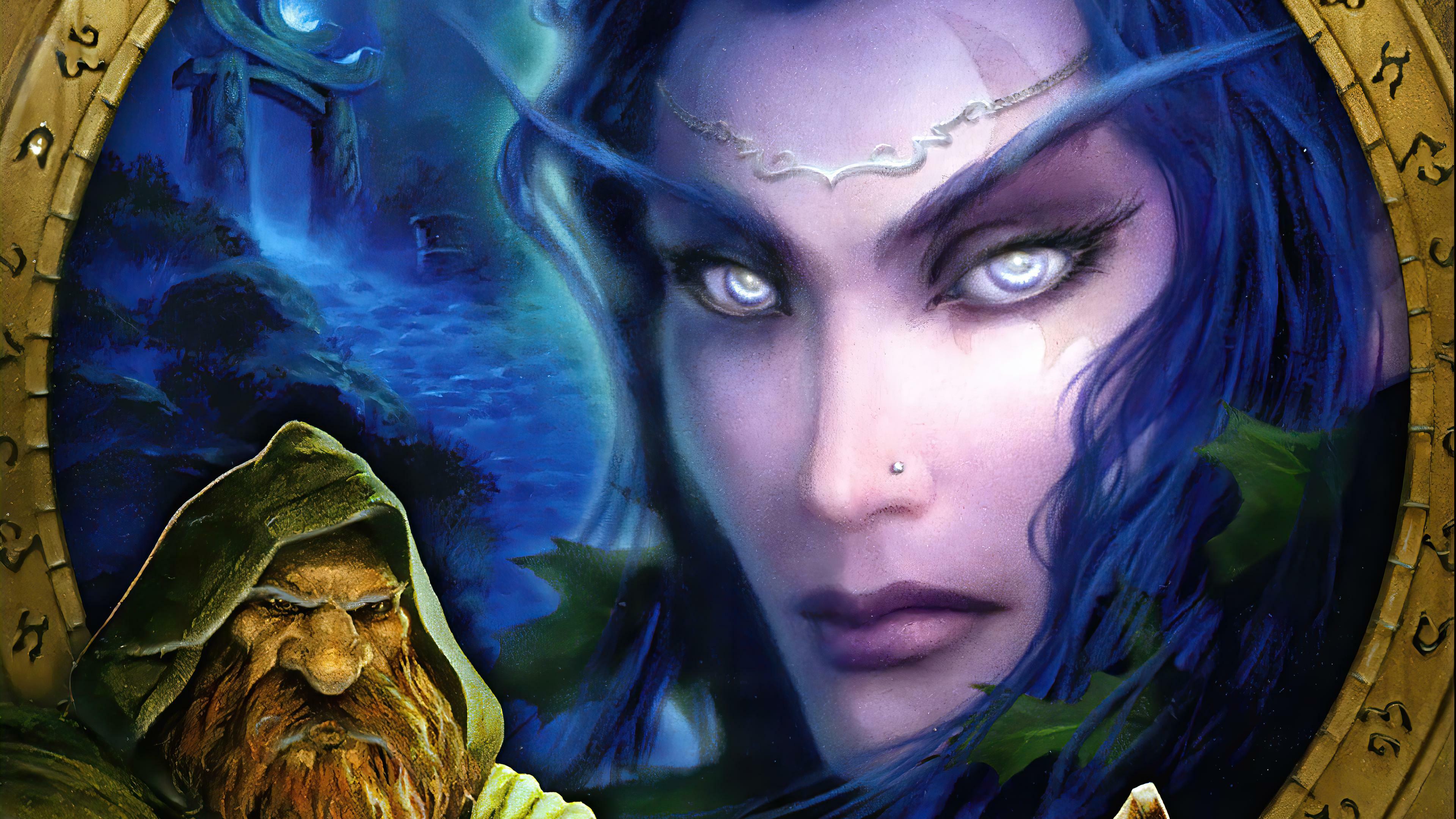
5. World of Warcraft
Vanilla WoW was a global phenomenon, crafting a persistent world filled with mystery, community, and genuine adventure. The grind felt rewarding, connections were organic, and every new zone was an event. What we have now, though? It’s a different beast—streamlined, chasing trends, and often feeling like a job. Modern MMOs, and even current WoW, struggle to replicate that initial magic, that sense of being part of something vast and truly alive, because they prioritize retention metrics over soul.
6 / 12
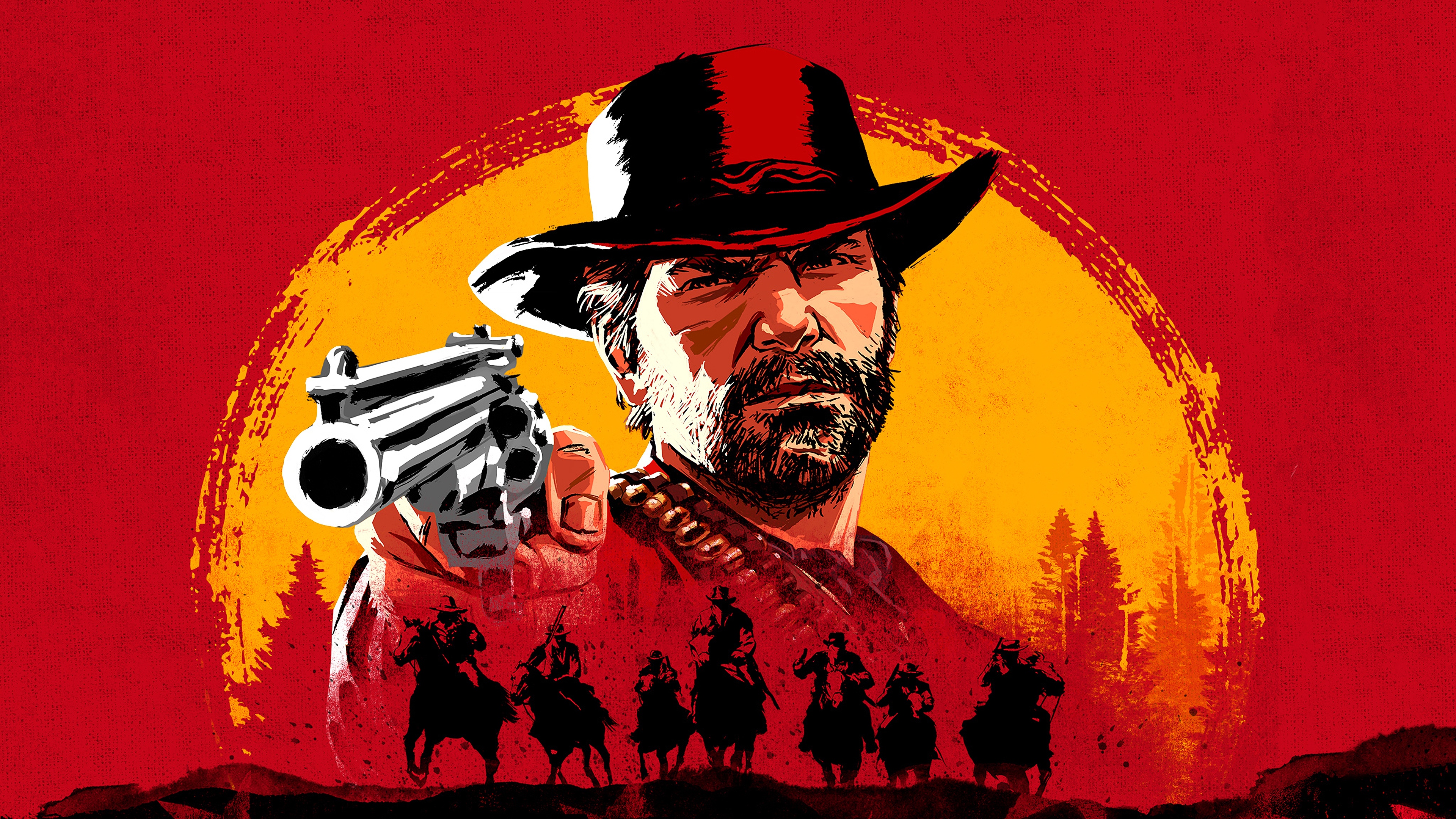
6. Red Dead Redemption 2
Red Dead Redemption 2 is a masterclass in immersive world-building and character development. Its meticulous detail, from horse physics to NPC routines, created an unparalleled sense of place. It proved that a slower, more deliberate pace could still captivate millions, focusing on story and atmosphere above all else. Most modern games are so afraid of player boredom they forget that sometimes, just *being* in a world, absorbing its textures and narratives, is the deepest form of engagement.
7 / 12
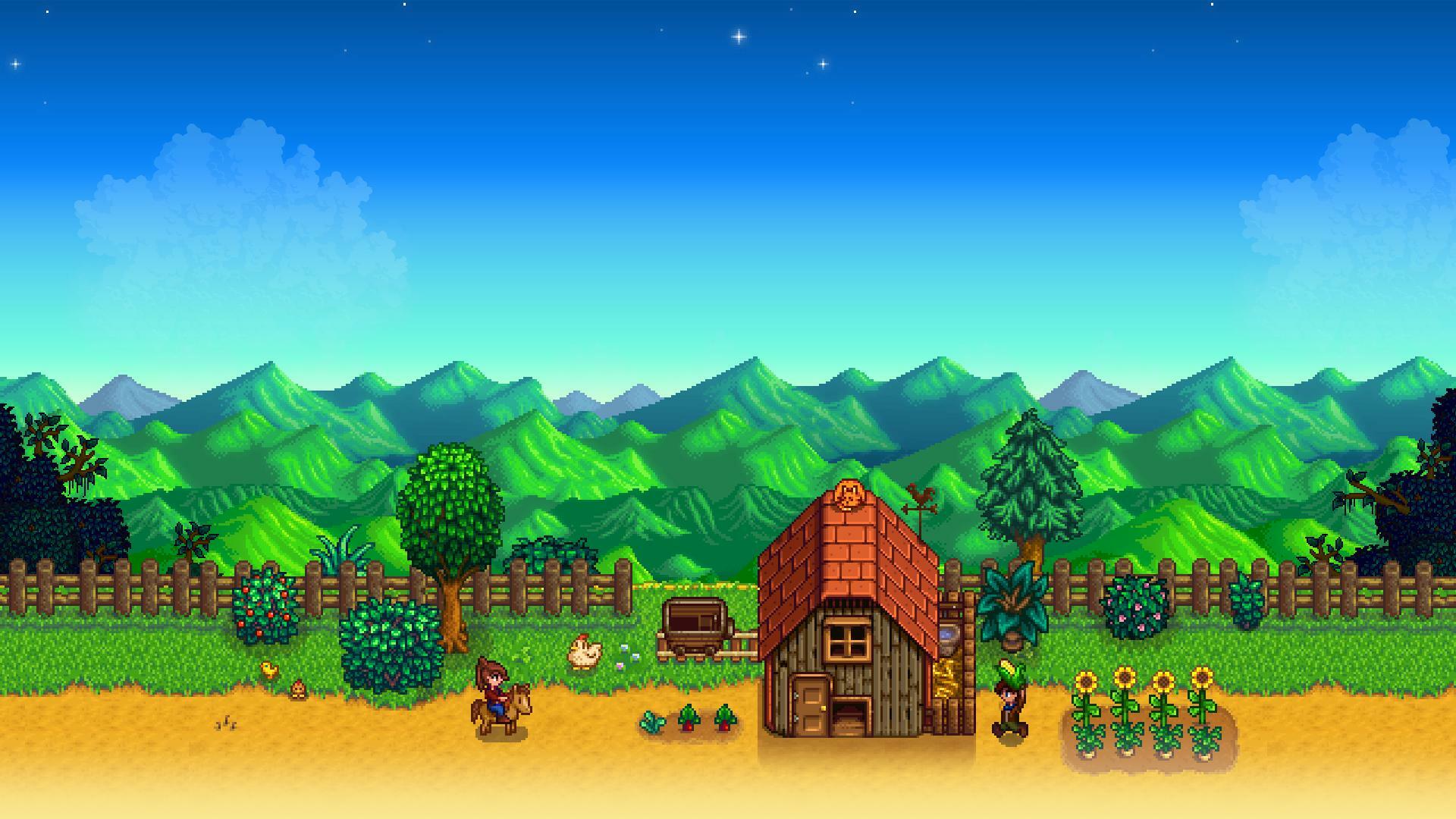
7. Stardew Valley
Stardew Valley is the ultimate mic drop on the AAA industry. One guy, one vision, created an infinitely replayable, wholesome escape that respects your time and your wallet. It's packed with heart, content, and consistent free updates, all without a single microtransaction or battle pass. It reminds us that passion, genuine connection with players, and a complete, well-crafted experience beat corporate greed and endless monetization schemes every single time. It's a gold standard for indie success.
8 / 12
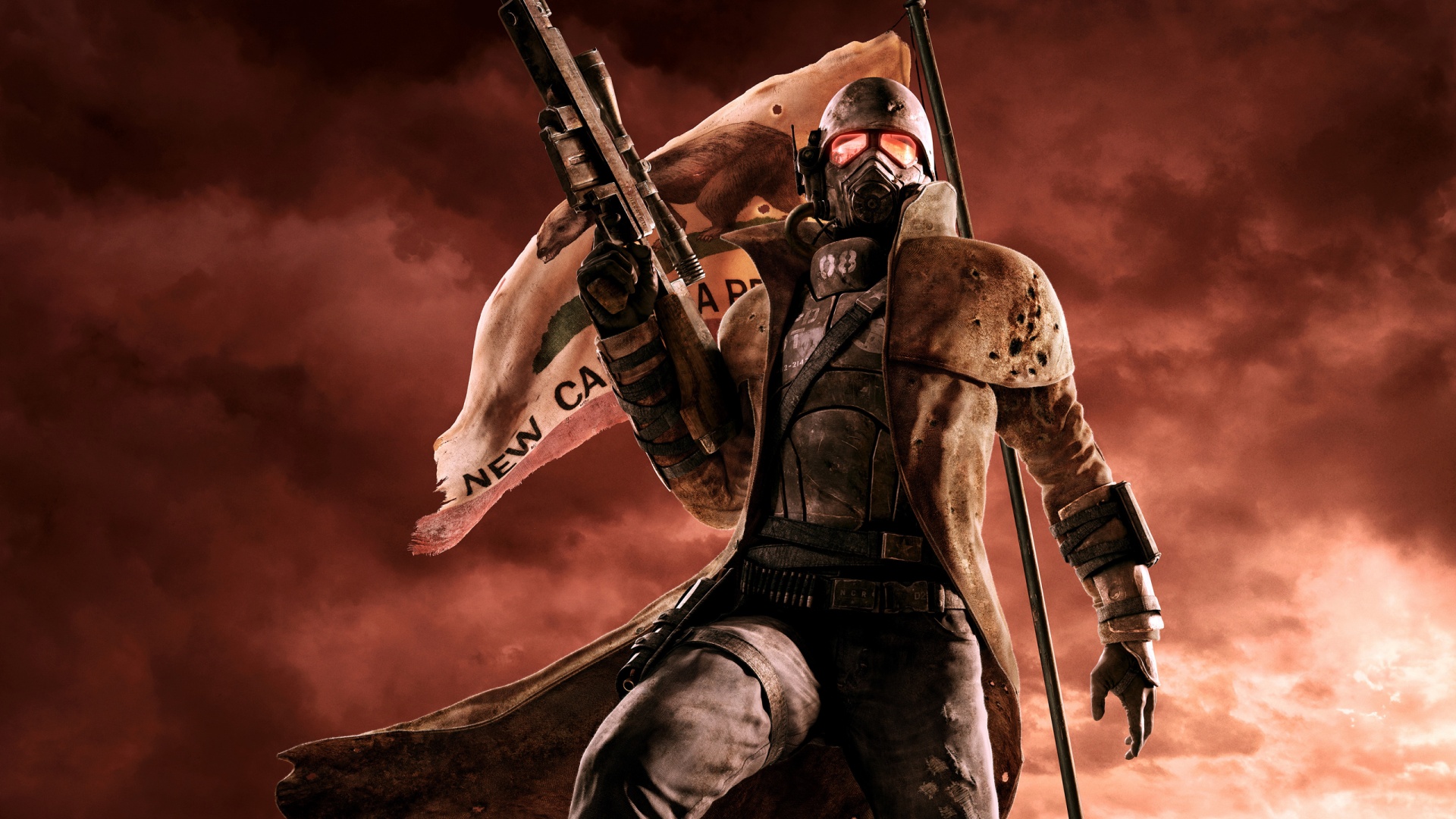
8. Fallout: New Vegas
Fallout: New Vegas remains the gold standard for player agency and meaningful choices in an RPG. Every faction, every dialogue option, truly reshaped the Mojave Wasteland. It understood that role-playing isn't just about picking dialogue trees; it's about living with the consequences. So many modern RPGs offer illusory choices, guiding you to the same outcome. New Vegas let you truly craft your own story, proving that complex systems don't have to sacrifice accessibility or fun.
9 / 12
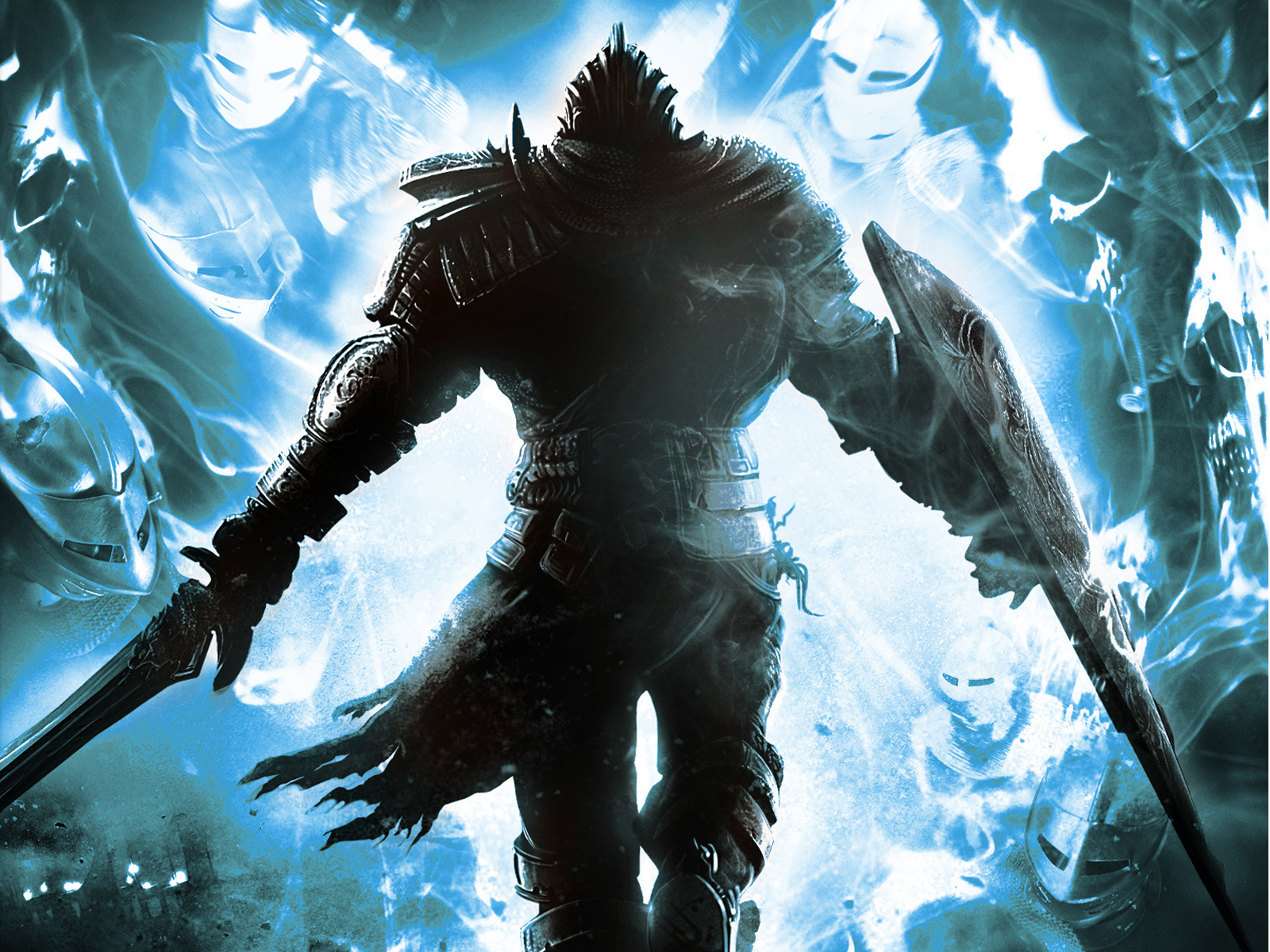
9. Dark Souls
Dark Souls wasn't just hard; it redefined challenge as a core design principle, where struggle and eventual triumph felt profoundly earned. Its cryptic lore, environmental storytelling, and punishing but fair combat forged a unique bond with players. It taught us patience and persistence, rejecting modern trends of constant hand-holding and instant gratification. While countless "Souls-likes" try to copy its difficulty, few capture the oppressive atmosphere and the sheer satisfaction of overcoming its world.
10 / 12
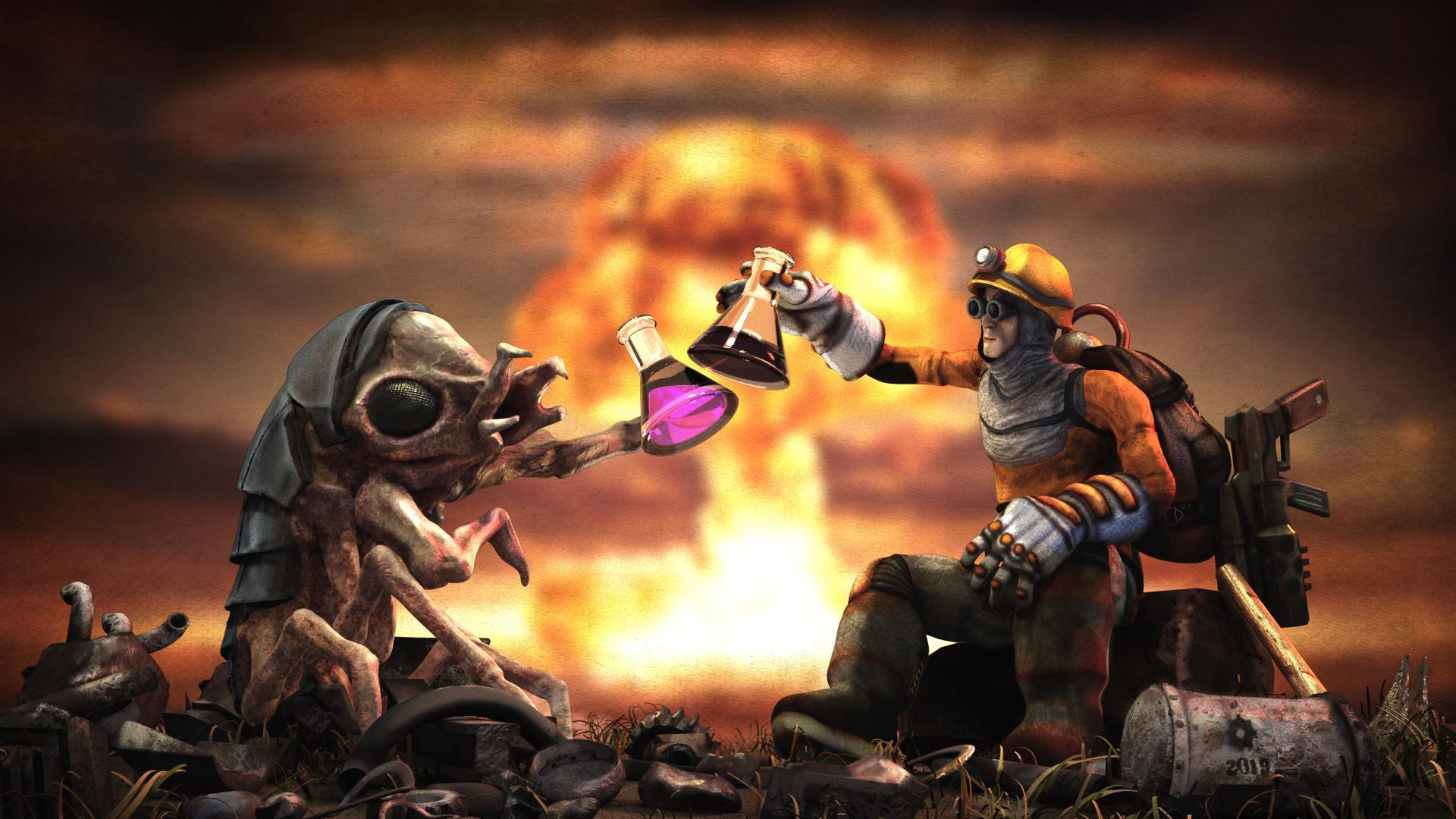
10. Factorio
Factorio isn't flashy, but it's a black hole for productivity-obsessed minds. It's an intricate ballet of automation, logistics, and problem-solving that respects player intelligence. "The factory must grow" isn't just a meme; it's a calling. This game proves that deep, complex systems, when elegantly designed, can be profoundly addictive and rewarding, even without a compelling narrative or cinematic flair. Modern devs often shy away from complexity, but Factorio shows us that mastery is its own reward.
11 / 12
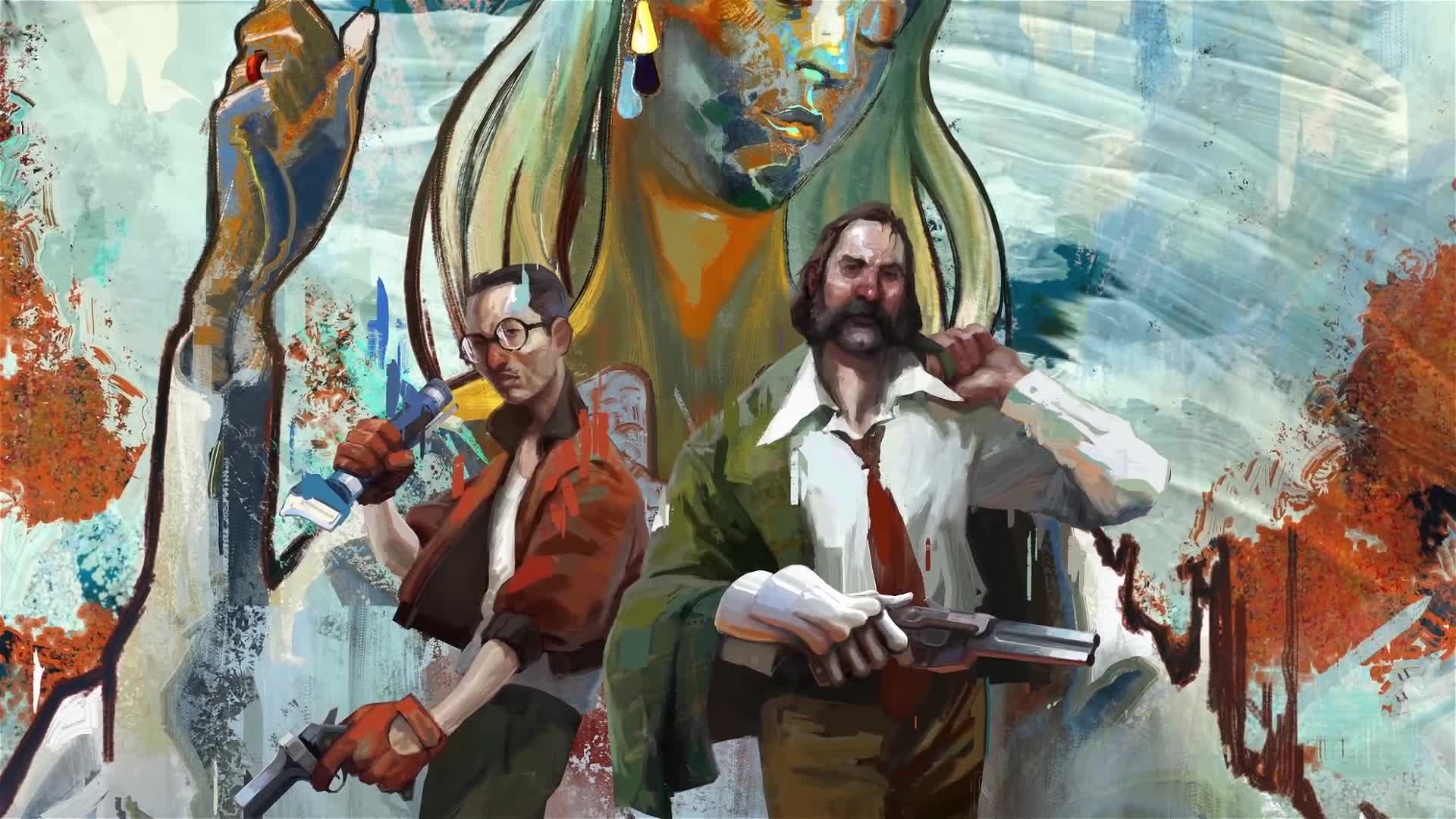
11. Disco Elysium
Disco Elysium blew the doors off what an RPG could be, proving that combat isn't necessary for compelling gameplay. Its unparalleled writing, deep psychological systems, and truly unique approach to character skills created an experience unlike any other. It’s a masterclass in narrative, showing that intellectual depth and profound emotional resonance can carry a game, even without high-fidelity graphics or action sequences. It challenged conventions and succeeded wildly, a stark contrast to the safe, focus-tested offerings we often get.
12 / 12
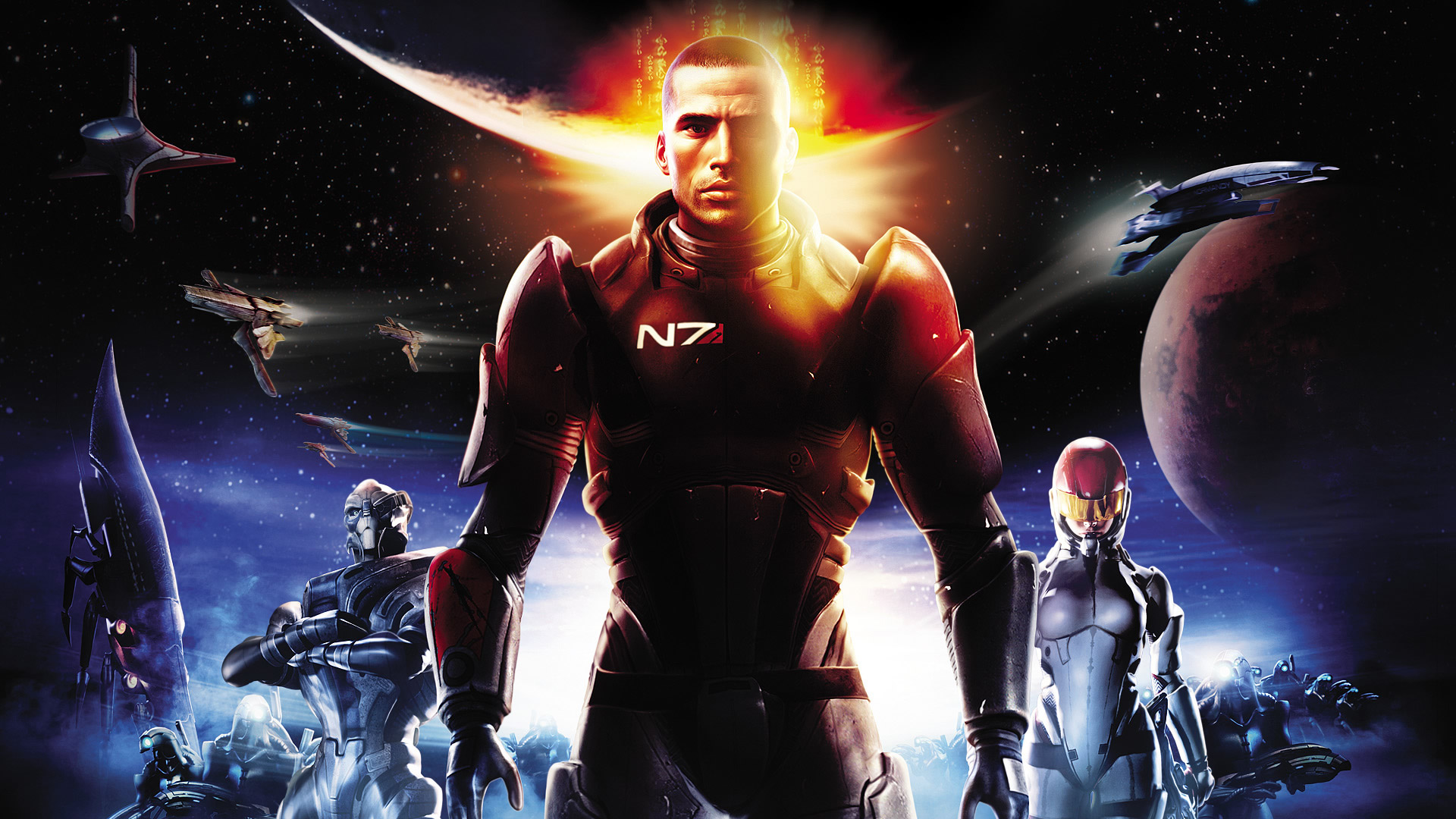
12. Mass Effect
The original Mass Effect trilogy was a sci-fi epic, a masterclass in world-building, character development, and choices that truly felt weighty. It made us care deeply about Commander Shepard and their crew. So, when modern iterations fumble, like *Andromeda* or the initial *Mass Effect 3* ending fiasco, it stings. It's a prime example of how developers can build incredible goodwill through craftsmanship, then squander it by losing sight of what made the original magic: cohesive vision and player respect.