
1. Spiderland
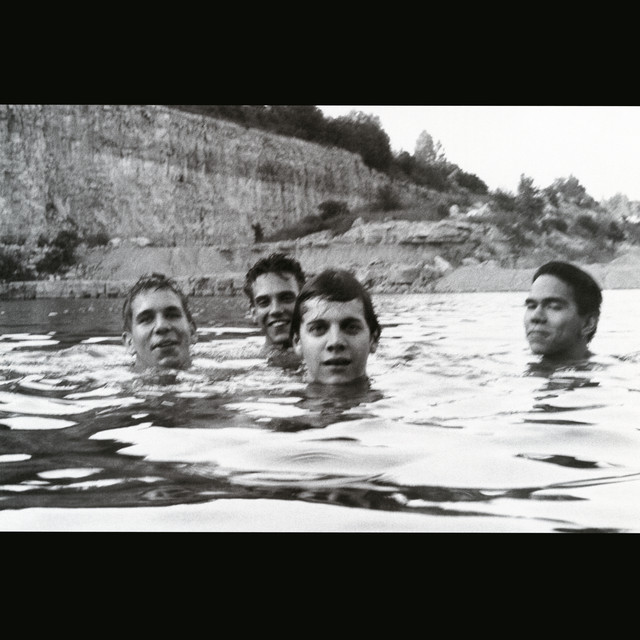
Slint’s 1991 masterpiece wasn't just music; it was a blueprint. Before "post-rock" was a term, this album crafted stark, angular soundscapes that felt both deeply unsettling and profoundly beautiful. Those hushed vocals, the sudden explosions of guitar, the almost mathematical precision in the rhythm section – it created an atmosphere of creeping dread and intellectual intensity. *Spiderland* showed how much power lay in restraint and dynamic shifts, an influence that still reverberates through experimental guitar music.
2. Selected Ambient Works 85-92
Aphex Twin's debut full-length was a revelation, proving electronic music could be as emotionally resonant and intricately composed as anything else. Released in 1992, it wasn't just background noise; these were fully formed, often melancholic, ambient soundscapes that hinted at complex emotional states. The glitchy textures, warm synth pads, and understated beats forged a new sonic language. It still feels like a whispered secret from the future, foundational for so much IDM that followed.
3. Millions Now Living Will Never Die
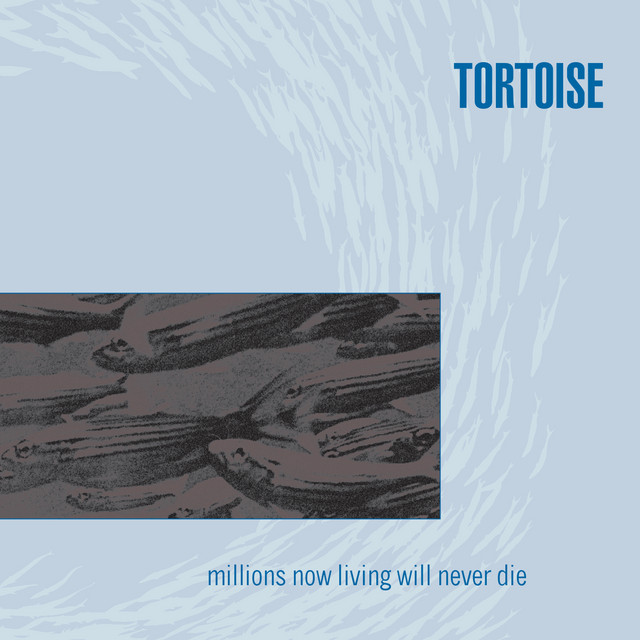
Tortoise, with their 1996 opus, truly solidified what instrumental post-rock could be. This wasn't about rock anthems; it was about intricate rhythmic interplay, jazz-inflected textures, and a deliberate, almost architectural approach to sound. Each track built its own world, blending live instrumentation with subtle electronic touches. It’s an album that demands active listening, unraveling its complex layers, proving that guitars didn't need vocals to tell a compelling, expansive story.
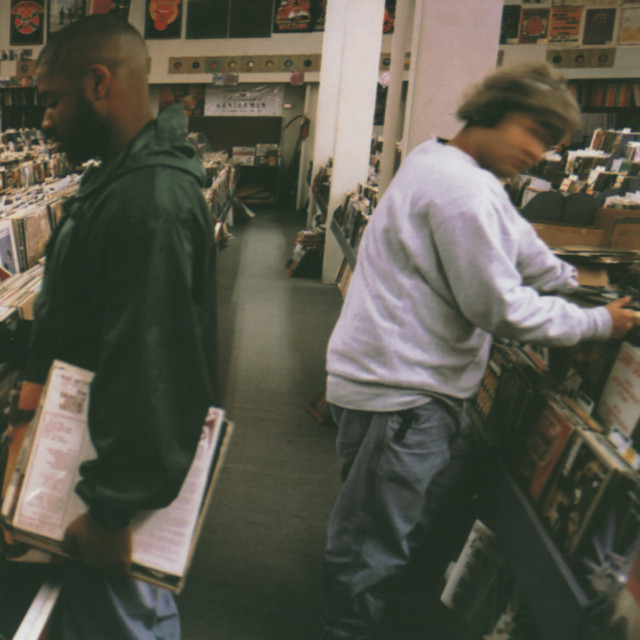
4. Endtroducing.....
DJ Shadow’s 1996 debut changed everything for sample-based music. He didn't just loop; he sculpted entire sonic narratives from forgotten vinyl, turning dust and crackle into something profoundly cinematic and melancholic. *Endtroducing.....* felt like digging through the collective unconscious of music, creating instrumental hip-hop that was as emotionally rich as it was technically brilliant. It established a new standard for atmospheric beat-making, a truly immersive experience that still feels boundless.
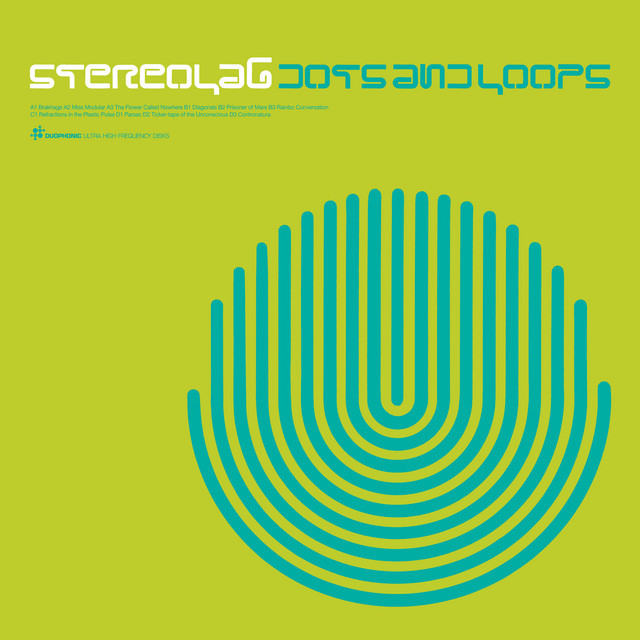
5. Dots And Loops (Expanded Edition)
Stereolab's 1997 album, especially in its expanded form, was pure intellectual pop, a sophisticated blend of krautrock rhythms, bossa nova cool, and avant-garde tendencies. Laetitia Sadier's vocals drifted over intricate, almost mathematical arrangements, creating a sound that was both warm and detached. This deluxe version offers even more insight into their meticulous craft. It’s a beautifully crafted record, proving that pop could be smart, groovy, and endlessly fascinating without sacrificing accessibility.
6. Consumed
Plastikman's 1998 release, *Consumed*, was Richie Hawtin at his most stark and immersive. This wasn't the relentless minimal techno of his club-focused work; it was a deep dive into textural ambient. The album felt like exploring a vast, empty industrial space, each subtle hum and distant throb creating an almost meditative tension. It's a masterclass in less-is-more, proving electronic music could evoke immense emotional weight through sheer sonic presence and absence.

7. This Is Hardcore (Deluxe Edition)
Pulp’s 1998 album was the darker, more cynical hangover after Britpop’s party. Jarvis Cocker’s lyrical brilliance shone, dissecting desire, aging, and the grim realities behind glamour with brutal honesty. The music shifted from upbeat anthems to a more brooding, orchestral, and at times unsettling sound. The deluxe edition enhances the experience, offering context to this pivotal, melancholic statement. It’s a poignant, theatrical exploration of the unglamorous side of life.

8. Come On Die Young
Mogwai's 1999 offering was a deliberate departure from their earlier explosive dynamics, embracing a bleaker, more expansive sound. *Come On Die Young* felt like a slow-motion unraveling, filled with drawn-out instrumental passages that built immense emotional weight. The quiet moments were more unsettling, the crescendos more devastating. It cemented their reputation for crafting deeply atmospheric and melancholic soundscapes, showing the profound power in patience and carefully constructed tension.

9. Ants From Up There
Black Country, New Road's "Ants From Up There," though a more recent entry, feels deeply connected to the adventurous spirit of the Digital Dawn. It channels that era's post-rock and experimental indie ethos, blending jazz, rock, and heartfelt lyricism into something emotionally raw and dynamically expansive. The intricate instrumentation and profound narrative arc resonate with the ambition of albums that defined the earlier period, proving complex, emotive guitar music still thrives.
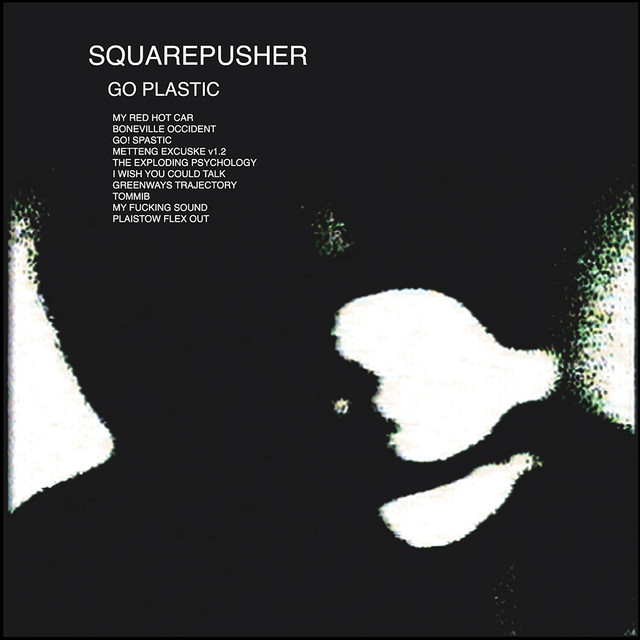
10. Go Plastic
Squarepusher’s 2000 album, *Go Plastic*, was a hyperactive, complex beast. It fused breakneck drum and bass with jazz fusion sophistication, creating a sound that was both exhilarating and dizzying. Tom Jenkinson’s technical prowess was on full display, constructing intricate rhythmic puzzles that felt utterly alien yet undeniably groovy. It pushed the boundaries of IDM, showcasing how chaotic, fragmented sounds could coalesce into something surprisingly coherent and relentlessly innovative.
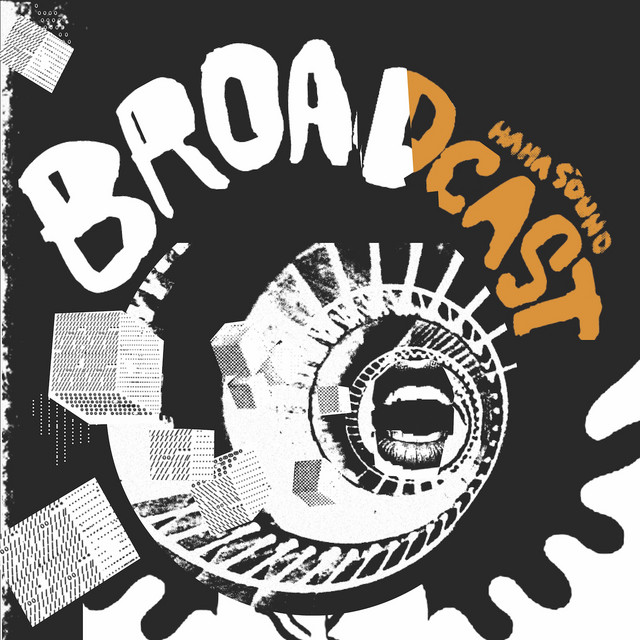
11. Haha Sound
Broadcast's *Haha Sound* from 2003 perfectly encapsulated a retro-futuristic aesthetic. Trish Keenan’s ethereal vocals floated over vintage electronics, creating a sound that felt both warmly nostalgic and subtly unsettling. It was indie-pop filtered through a prism of hauntology and analog synthesis, crafting unique, atmospheric soundscapes. The album felt like stumbling upon a forgotten transmission from an alternate 1960s, a dreamy, melancholic, and endlessly inventive listen.