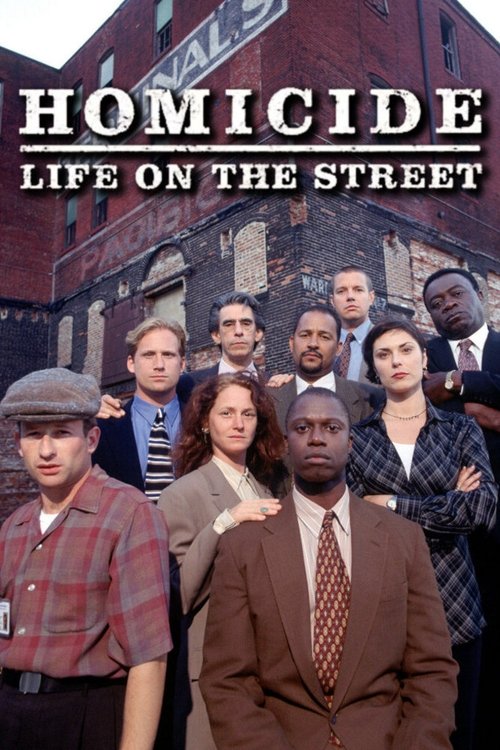
1. Homicide: Life on the Street
This wasn't your standard network procedural. Barry Levinson brought a gritty, cinematic realism to Baltimore, making police work feel visceral and messy. The handheld cameras and overlapping dialogue felt revolutionary, letting characters breathe and making the ensemble truly shine. It showed you could do smart, serialized drama on NBC, paving the way for later cable successes. It was raw, real, and completely absorbing television.
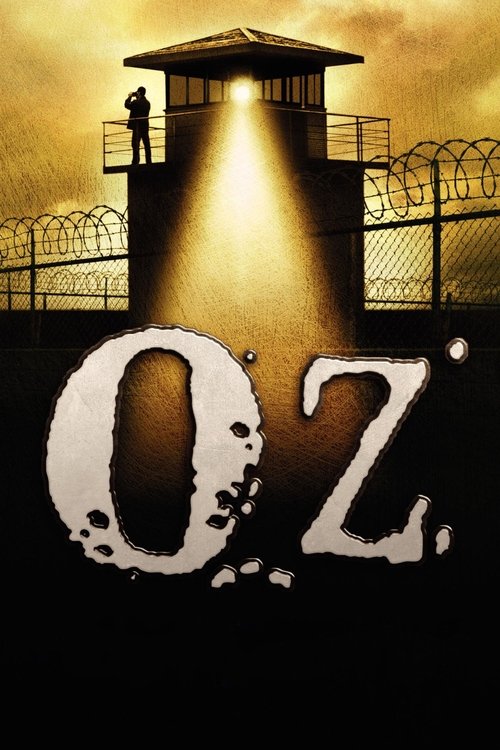
2. Oz
HBO went full throttle with *Oz*. This wasn't just a prison show; it was an unsparing, brutal look at human nature under extreme pressure, pushing boundaries network TV wouldn't dare touch. From graphic violence to moral ambiguity, it proved cable could deliver deeply serialized, character-driven drama without compromise. It ripped apart any illusions about justice and punishment, setting a new, darker bar for what television could be.
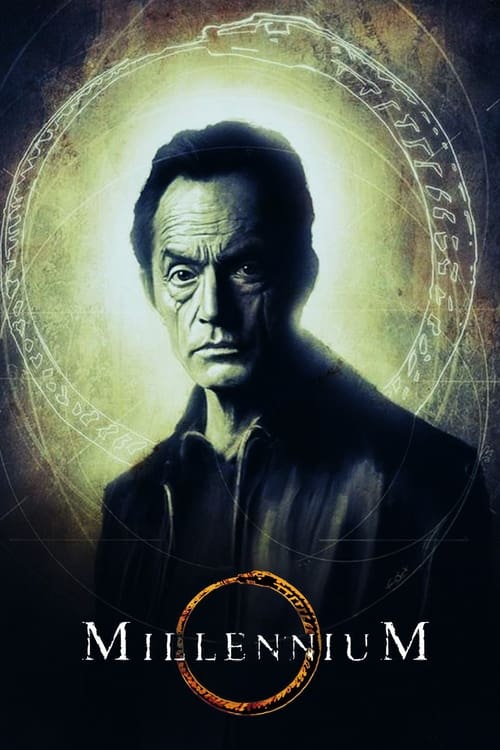
3. Millennium
From Chris Carter, this was *The X-Files'* darker, more disturbing cousin. Frank Black saw the evil in everyone, and the show reveled in that bleak worldview. It was deeply atmospheric, often unsettling, and leaned heavily into serialized mythology before everyone else caught on. It explored psychological horror with a cinematic scope, pushing the boundaries of network TV's comfort zone and leaving you genuinely spooked.
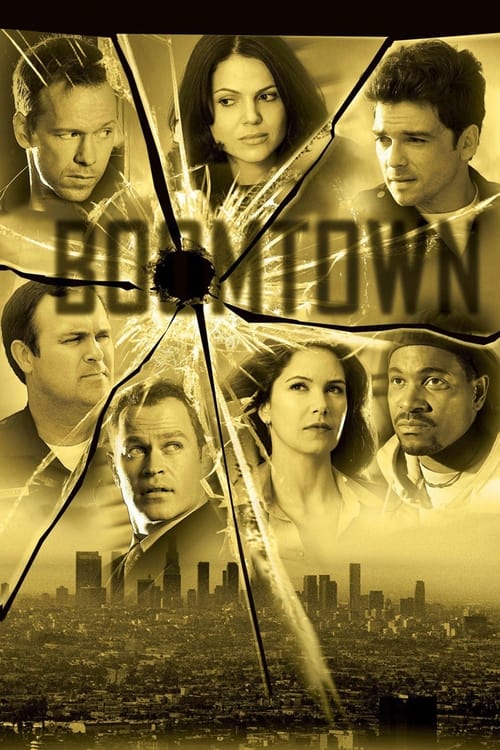
4. Boomtown
This show was a revelation in how to tell a story. Each episode revisited a single crime from multiple perspectives – the cop, the victim, the perp – piecing together a complex, non-linear narrative. It demanded attention, rewarding viewers with a rich, layered understanding of its ensemble cast and the cases they tackled. Too smart for its time, maybe, but truly groundbreaking in its innovative approach to storytelling.
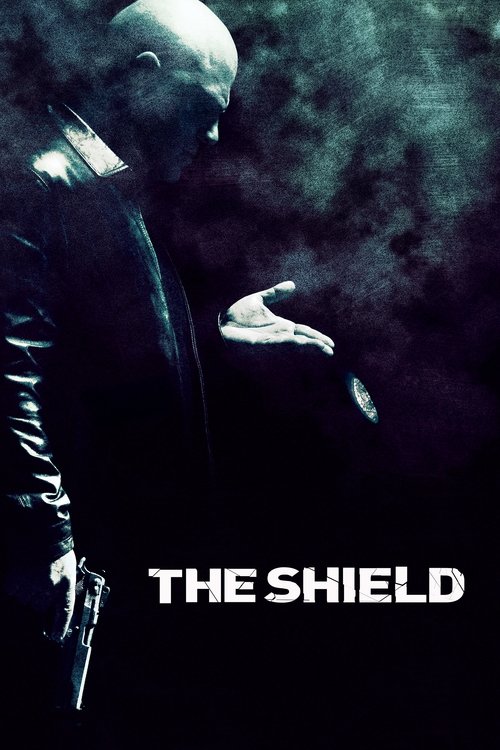
5. The Shield
Vic Mackey wasn't just an anti-hero; he was a force of nature. *The Shield* took cable-era risk-taking to a new level, diving headfirst into moral ambiguity and the dirty realities of policing. FX let them tell a serialized story with a raw, intense energy that felt truly cinematic, without pulling punches. It showed that good guys didn't always win, and often, they weren't even good guys.

6. The Comeback
Lisa Kudrow’s Valerie Cherish was a masterclass in cringe comedy, delivered via mockumentary before it was cool. HBO allowed this deeply uncomfortable, darkly hilarious character study to unfold, exploring the desperation of a fading star. It was a brutal, honest look at celebrity, ambition, and reality TV, proving that serialized storytelling could be uncomfortable, brilliant, and leave you squirming.
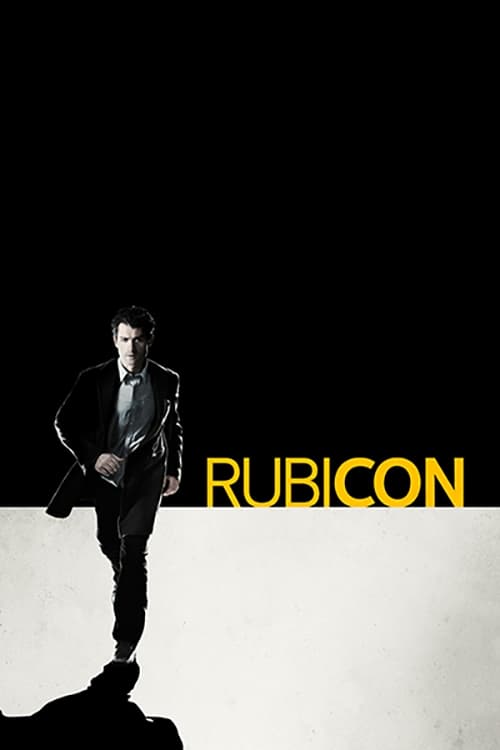
7. Rubicon
AMC, post-Mad Men, delivered this incredibly slow-burn, atmospheric conspiracy thriller. It demanded patience, unraveling its intricate plot piece by agonizing piece. The deliberate pacing and focus on minute details felt almost cinematic, a true serialized brain-bender that rewarded careful viewing. It was a show for thinkers, proving that TV could be intensely intellectual, subtle, and utterly engrossing.
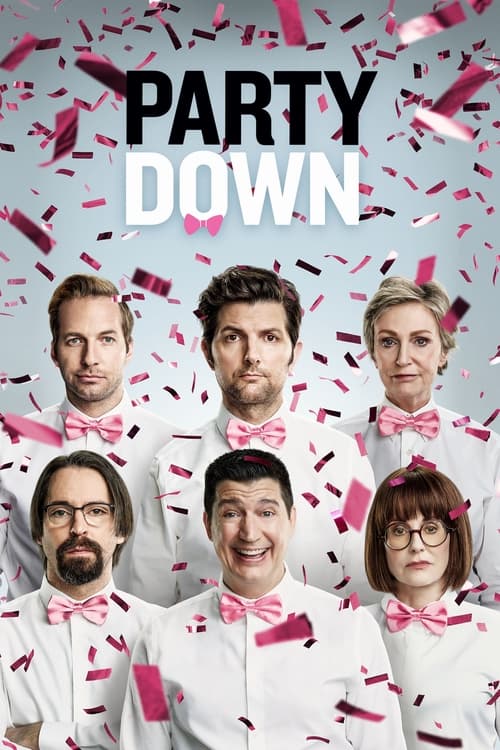
8. Party Down
This single-camera comedy perfectly blended dark humor with genuine pathos. Following a group of struggling Hollywood dreamers working catering gigs, it was a masterclass in ensemble writing and character development. Each episode felt like a contained play, yet the overarching serialized stories of ambition and failure resonated deeply. It proved smart, nuanced comedy could thrive and stick with you long after the credits rolled.