

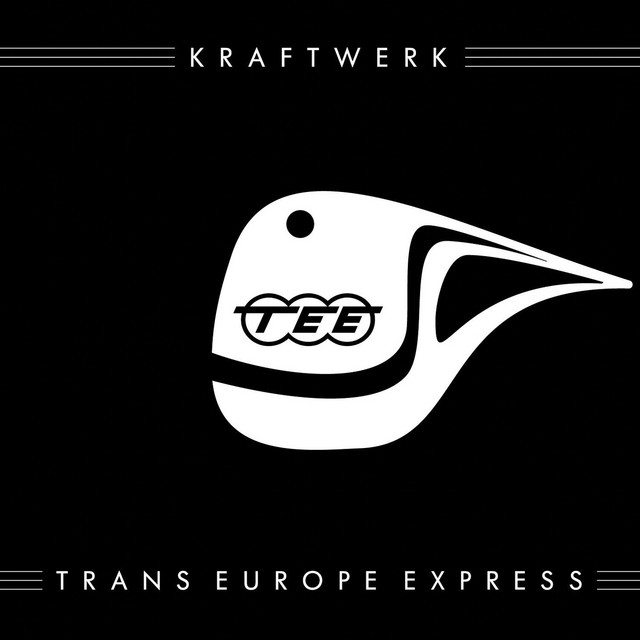
1. Trans-Europe Express (2009 Remaster)
Kraftwerk’s 1977 masterpiece remains an immutable blueprint. Its rhythmic precision, meticulously sequenced on analog machines, defined a future that we now inhabit. The sheer ingenuity of crafting such immersive soundscapes using limited, pre-digital tools is astounding. This isn't merely a track; it's a functional, propulsive engine of sound, a mechanical ballet of synthesizers and drum machines that still guides the train of electronic music forward, regardless of any later remastering polish.
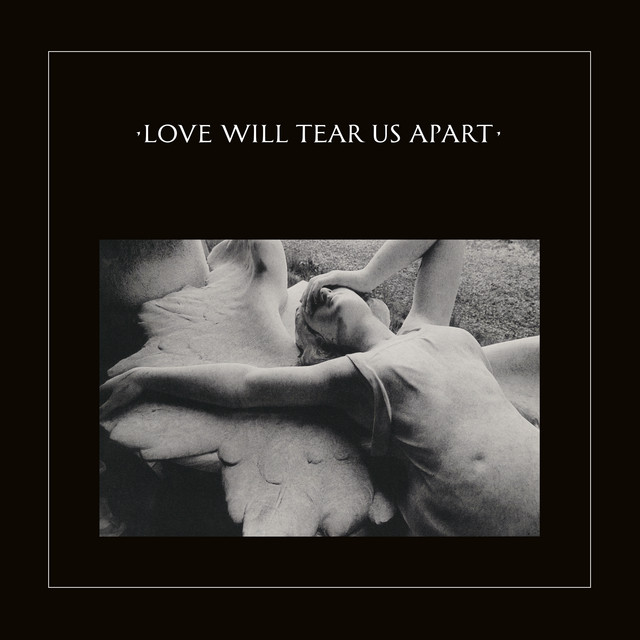
2. Love Will Tear Us Apart
Joy Division’s 1980 lament is a triumph of stark atmosphere. The reverb-laden drums, Peter Hook’s iconic bassline, and Bernard Sumner’s brittle guitar coalesce into a deeply melancholic yet strangely propulsive whole. Ian Curtis’s baritone, raw and unadorned, cuts through the sonic fog, imbuing every syllable with profound urgency. It's a testament to how crucial a band's live chemistry and an engineer's careful capture were in the analog age, foregoing any digital embellishment.
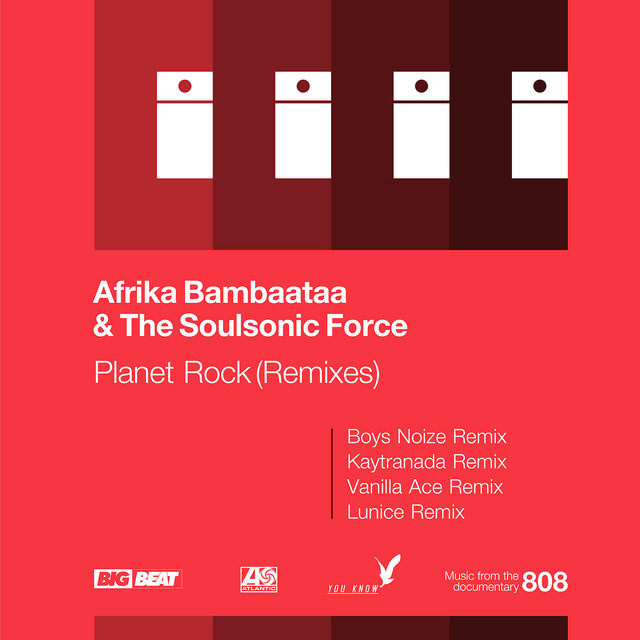
3. Planet Rock (Remixes)
Afrika Bambaataa and The Soulsonic Force fundamentally rewired the rhythmic landscape in '82. Forget the "remixes"; the original’s raw power, built on the Roland TR-808’s revolutionary thump and those insistent synth stabs, forged electro. It fused funk’s spirit with European electronic cool, creating a new urban vernacular. This was the sound of the future echoing from the Bronx, a bold, audacious declaration laid down on tape, proving rhythm machines were more than just toys.
4. Billie Jean (Hoodtrap)
Michael Jackson's "Billie Jean" from 1982 stands as a monumental achievement in post-disco production. Quincy Jones and Bruce Swedien meticulously layered every element, from the LinnDrum's perfect pulse to that iconic, slithering bassline. It’s a masterclass in analog studio craft, a groove so deep it practically has its own gravitational pull. As for "Hoodtrap," such contemporary categorizations are utterly irrelevant to a track born from such pre-digital brilliance; it simply exists beyond such transient labels.
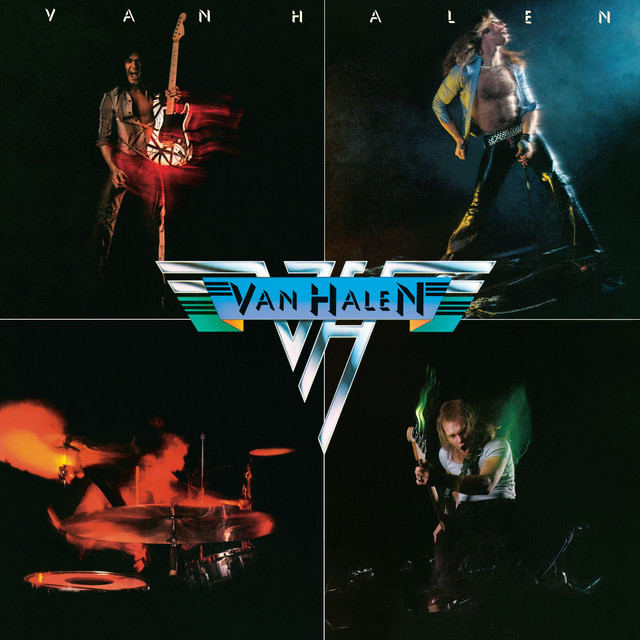
5. Van Halen (Remastered)
Van Halen's 1978 debut was a sonic detonation. Eddie Van Halen's guitar work was an absolute revelation, a furious, innovative assault that redefined hard rock. The record’s raw, immediate energy, captured through analog desks and tape, feels like a live performance barely contained by the studio walls. It's a testament to sheer instrumental prowess and dynamic musicianship, proving that true power comes from the players, not from any digital manipulation, regardless of a later remaster.
6. Flashback
Imagination’s "Flashback" from '81 epitomizes sophisticated post-disco. Its lush, analog synth pads, tight, propulsive rhythm section, and Lee John’s smooth, soaring vocals create an irresistible, atmospheric groove. This track isn't just dance music; it’s a masterclass in elegant arrangement and polished studio performance, a testament to the era when dance-funk was evolving into something richer and more complex, all captured with meticulous care on multi-track tape.
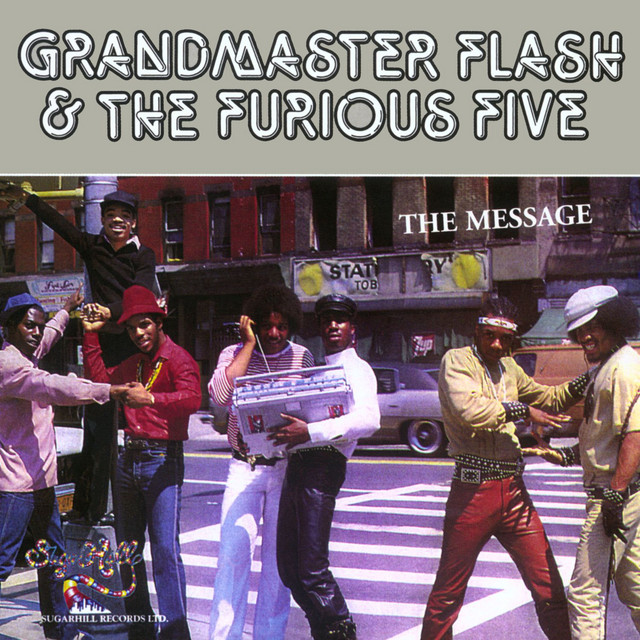
7. The Message
Grandmaster Flash & The Furious Five delivered a seismic shift with "The Message" in 1982. This was raw, unflinching social commentary driven by a sparse, menacing beat crafted from a Roland CR-78 and LinnDrum. Its stark realism and compelling narrative, delivered with urgent vocal performances, ripped through the party-centric hip-hop of the time. This track showcased the power of minimal, pre-digital production to amplify a message, creating an enduring, gritty urban anthem.

8. Blue Monday
New Order's 1983 epic is a defining moment where post-punk embraced the machine. The relentless, iconic Oberheim DMX beat, paired with icy analog synth lines and Peter Hook’s driving bass, created an industrial-dance hybrid that was utterly groundbreaking. Its extended, almost hypnotic structure was audacious, a bold statement on the potential of electronic instrumentation in a rock band context, all painstakingly assembled in the analog studio, pre-DAW.
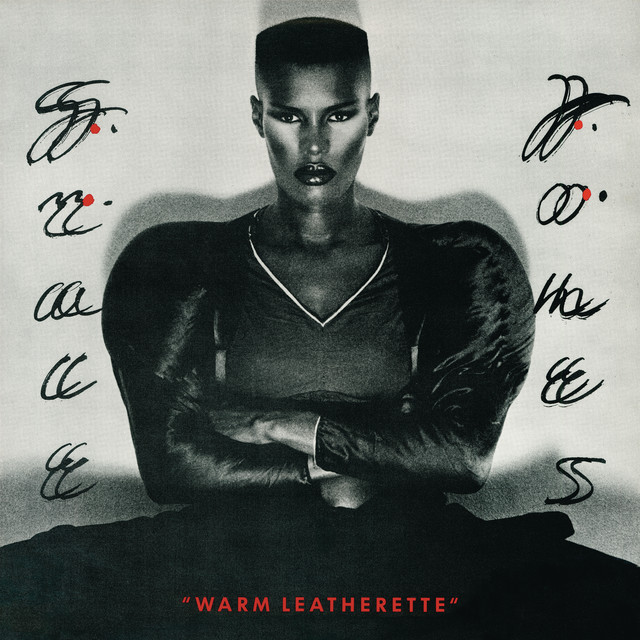
9. Warm Leatherette
The Normal’s 1978 single is a chillingly stark electronic statement. Daniel Miller, with just a Korg 700S and a rudimentary drum machine, crafted a sound that felt utterly alien and prescient. Its cold, mechanical pulse and detached vocal delivery laid foundational groundwork for industrial music and minimal synth. This was primitive electronic music wielded with surgical precision, proving that profound impact could be achieved with minimal, pre-digital means, simply by embracing the machine's starkness.
10. Birdland
Weather Report’s 1977 fusion classic is a vibrant tapestry of virtuosity. The interplay between Joe Zawinul's shimmering analog synthesizers, Wayne Shorter's lyrical saxophone, and Jaco Pastorius's impossibly fluid bassline is nothing short of breathtaking. It showcases jazz-fusion at its peak, blending intricate arrangements with infectious grooves, all captured with a dynamic, organic feel that only top-tier musicianship and meticulous analog engineering could achieve in that era.
11. Discipline Equals Freedom Field Manual, Pt. 1 (Thoughts)
While Henry Rollins remains a compelling figure from the hardcore punk era, this particular item, being a spoken-word piece from 2017, falls well outside the scope of "pre-digital grooves" and my remit. My expertise lies firmly within the sonic textures and studio techniques of the 1970s and 80s, where musicality, not merely spoken word, defined the art. This is a contemporary audio recording, not a product of the analog era I dissect.