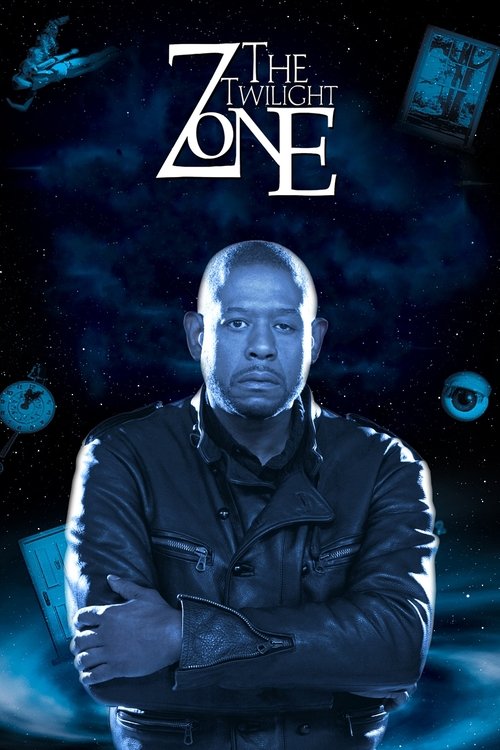
1. The Twilight Zone
Oh, Rod Serling, he understood the small screen's power. Each week was a compact, unsettling play, often filmed in stark black and white, leaving you with a chill. It wasn't just monsters, mind you; it was humanity's darker corners, presented in a neat, half-hour package. And the twists! They kept you talking at the water cooler, wondering if the world wasn't quite as it seemed. A true masterclass in what television could be beyond simple laughs.
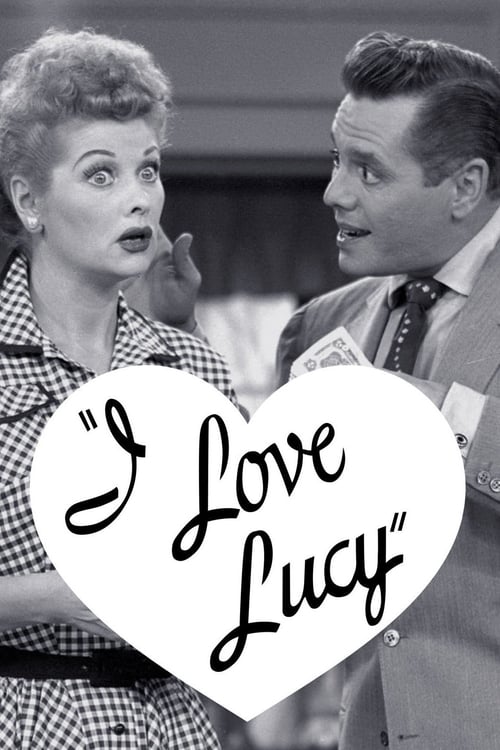
2. I Love Lucy
Now, *this* was a phenomenon. Lucille Ball, a force of nature, alongside Desi Arnaz, practically invented the modern sitcom. Filmed before a live studio audience, capturing every guffaw and applause, it felt like a Broadway show in your living room. The physical comedy, the rapid-fire dialogue – it was all so meticulously crafted. And their decision to film on 35mm? That's why we can still watch Lucy's antics so clearly today. A trailblazer, no doubt.

3. The Ed Sullivan Show
Sunday nights, everyone gathered around the set for Ed. He wasn't much of a showman himself, just stood there, but he brought the world to America's living rooms. From rock-and-roll upstarts to seasoned comedians, acrobats, and even talking animals, it was a grand assortment. Live, mind you, with all the inherent thrills and occasional flubs. It truly was a "really big shew," a weekly institution that defined family viewing for generations. Nobody saw television quite like Ed did.
4. Bonanza
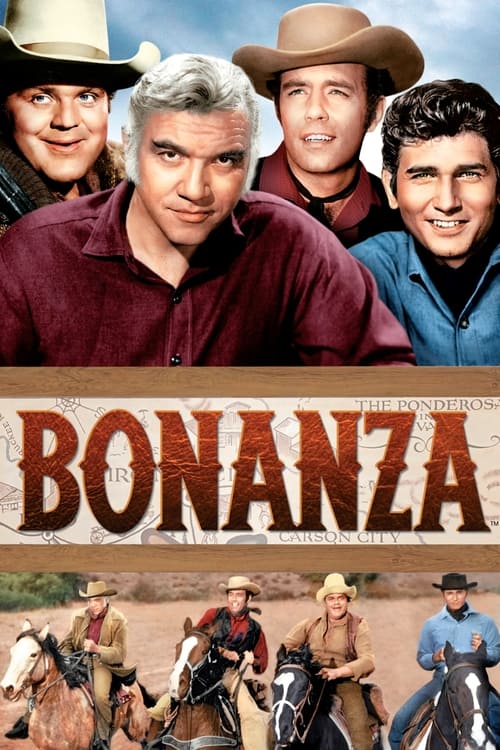
When color television finally arrived for many, *Bonanza* was often the first glimpse of its glory, those vibrant Ponderosa landscapes. It wasn't just another shoot-em-up, though. This was a family drama, with the Cartwrights wrestling with morality and community, not just rustlers. It ran for years, a staple in many homes, showcasing the evolving West through a lens of steadfast principle. And those opening credits, with the map burning? Iconic, simply iconic. A true Saturday night fixture.
5. Gunsmoke
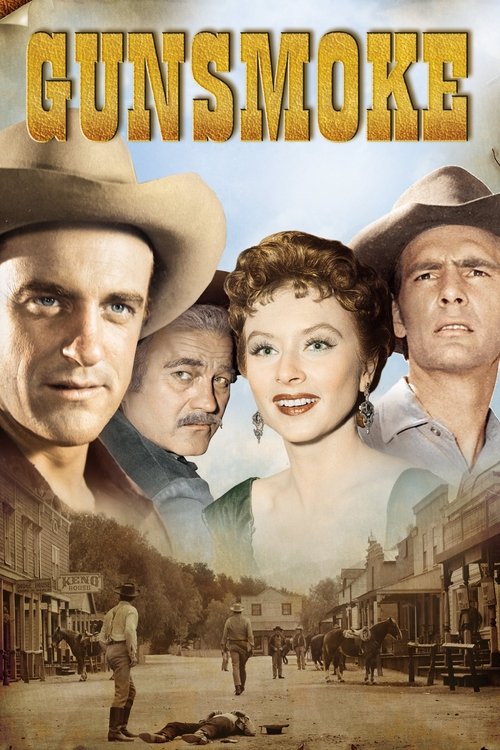
*Gunsmoke* started on radio, you know, before it became the bedrock of CBS's Saturday night lineup. Matt Dillon and Dodge City, year after year, brought a certain gravitas to the Western genre. It wasn't always about the fastest draw; often, it was about the moral dilemmas faced in a rough-and-tumble town. A long-running staple, demonstrating how deep character development and good writing could keep an audience invested for decades. It felt lived-in, authentic, a real slice of the frontier.

6. Dragnet
"Just the facts, ma'am." Jack Webb's Sgt. Joe Friday was a no-nonsense figure, and *Dragnet* pioneered the police procedural. Its stark, almost documentary style, the deadpan delivery, the precise details of police work – it was unlike anything else on the air. It felt authentic, like you were getting a peek behind the curtain of law enforcement. And that signature theme music! You knew exactly what you were in for: a clear-cut case, presented with methodical precision. A real innovator.
7. Playhouse 90
Before series meant weekly episodes, there was the anthology. And *Playhouse 90* was its peak, delivering feature-film quality dramas, often live, right into your home. These were ambitious, three-act plays, sometimes stretching to ninety minutes, tackling serious themes with top-tier talent. It was the kind of television that made you think, that felt important. A true testament to the early medium's potential for high art, even if the kinescopes don't always do them justice today.

8. The Fugitive
Now, here was a show that truly hooked you, week after week. Dr. Richard Kimble, wrongly accused, always on the run, always just a step ahead of Lt. Gerard. This wasn't a neat, self-contained story each episode; this was long-form storytelling, building suspense over seasons. In black and white, the shadows and desperation felt even more pronounced. It kept you guessing, kept you invested in Kimble's plight. And that finale? Everyone tuned in to see how it would end.

9. All in the Family
Norman Lear really shook things up with Archie Bunker. Here was a sitcom that dared to tackle prejudice, politics, and family strife head-on, not shying away from uncomfortable truths. It was brash, it was loud, and it often sparked heated debates in living rooms across the country. But underneath the arguments, there was a core of family love. It proved that television comedy could be more than just slapstick; it could be provocative, making you laugh and think, often at the same time.
10. M*A*S*H
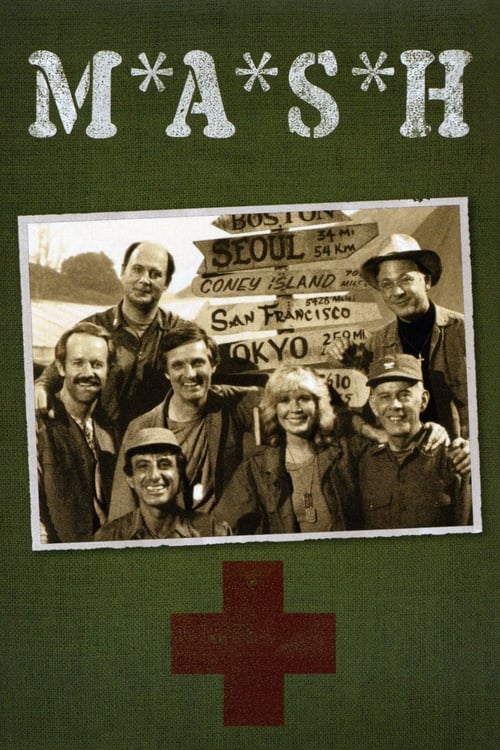
What a balancing act *M*A*S*H* was! It took the grim realities of war and mixed them with genuine humor and heartbreaking drama. The cast, those brilliant actors, made you believe in their makeshift family, living under impossible circumstances. It evolved so much over its run, from a more raucous comedy to something deeply poignant. And the finale, when everyone said goodbye? It was an event, really, demonstrating the profound connection audiences felt with these characters. A true television masterpiece.
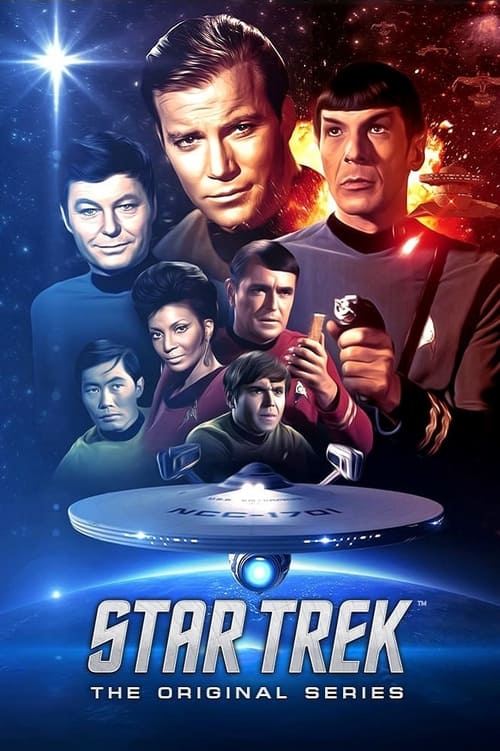
11. Star Trek
"Space, the final frontier..." Gene Roddenberry gave us more than just a sci-fi adventure; he gave us a vision of a hopeful future, where diversity was celebrated. It was smart, often tackling complex social issues disguised as alien encounters. And the crew – Kirk, Spock, McCoy – they became household names, their camaraderie iconic. Even with its modest ratings at first, it found its audience, proving that intelligent storytelling could boldly go where no TV show had gone before. A lasting legacy.