

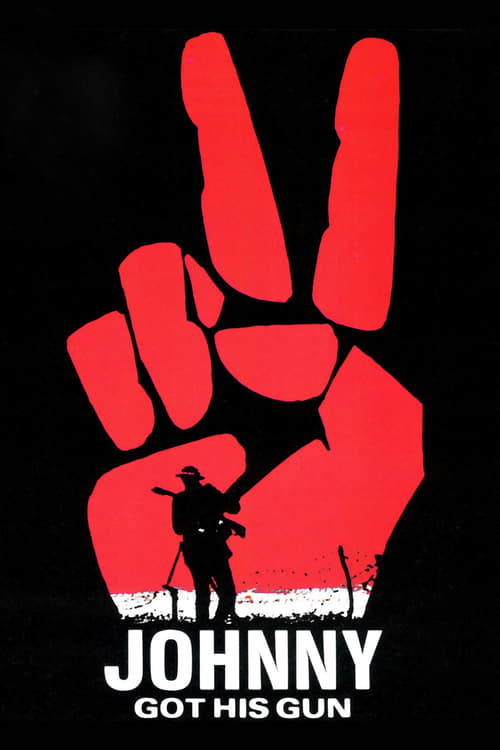
1. Johnny Got His Gun
Dalton Trumbo's singular directorial vision brings his searing anti-war novel to the screen with unflinching brutality. Joe Bonham, a soldier rendered a limbless, voiceless torso, exists trapped within his own mind, a profound meditation on the cost of conflict. This 1971 adaptation doesn't just show physical imprisonment; it delves into the mental prison of consciousness itself, questioning life's meaning when stripped of all agency. It’s a harrowing, deeply philosophical experience that resonates with a terrifying relevance even today.
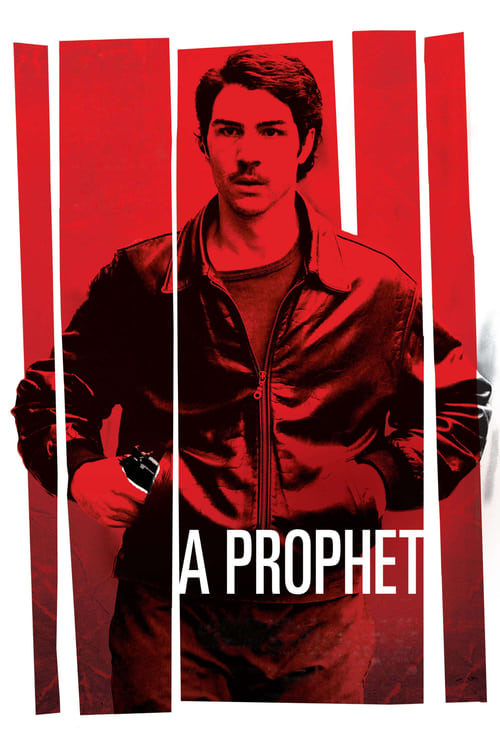
2. A Prophet
Jacques Audiard masterfully crafts a grim, yet compelling, coming-of-age narrative within the brutal confines of a French prison. Malik, a young Arab man, arrives an illiterate outsider and slowly, strategically, ascends the ranks of both Corsican and Muslim gangs. This 2009 film is a meticulous study of power, survival, and the insidious nature of institutional corruption, presenting a stark, unromanticized look at how a system can forge a criminal, rather than rehabilitate one.
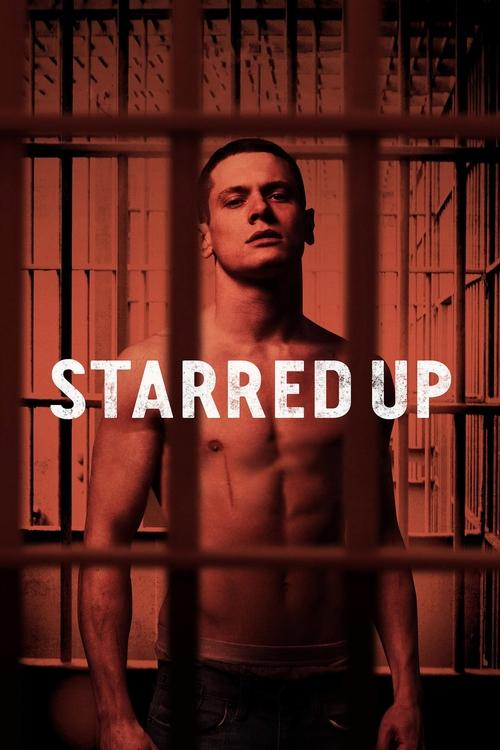
3. Starred Up
David Mackenzie's "Starred Up" is a raw, visceral exploration of rage and fractured family bonds within a maximum-security prison. Eric, a volatile young offender, is "starred up" to an adult facility where his estranged, equally dangerous father resides. The 2014 film foregoes sensationalism for an intimate, brutal portrayal of inherited trauma and the struggle for connection in an environment designed to dehumanize. It's an intense character study, often uncomfortable, yet profoundly human in its depiction of survival and redemption.
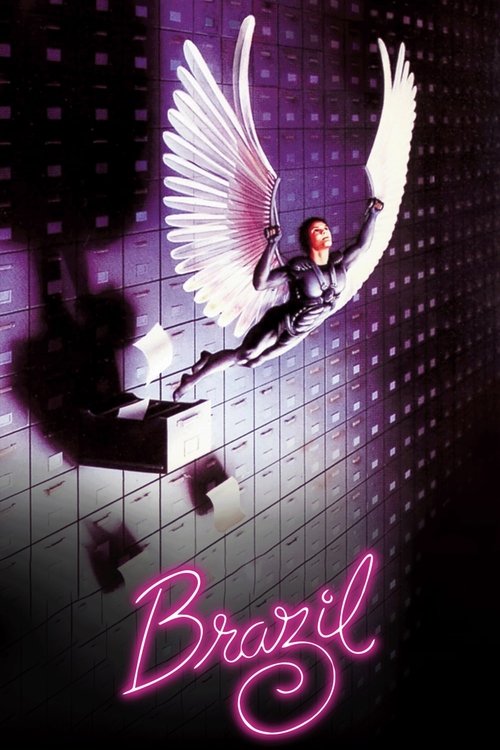
4. Brazil
Terry Gilliam's "Brazil" is a towering achievement in dystopian satire, a visual feast and a bureaucratic nightmare wrapped in one. Sam Lowry, a low-level government employee, attempts to correct a clerical error and finds himself entangled in a surreal, oppressive system. This 1985 film, with its retro-futuristic aesthetic, offers a darkly comedic, yet chilling, commentary on totalitarianism, consumerism, and the individual's futile struggle against an indifferent, all-consuming state apparatus. It’s a masterpiece of absurd, political allegory.
5. Seconds
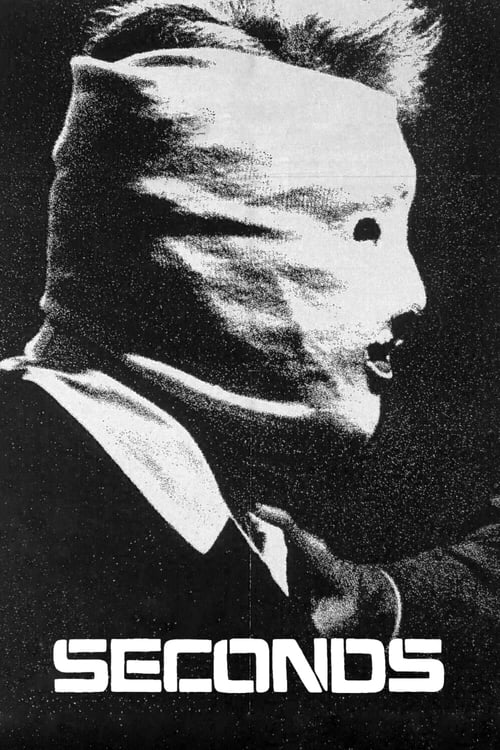
John Frankenheimer's "Seconds" is a chilling existential thriller that taps into profound anxieties about identity and societal conformity. A disillusioned middle-aged banker undergoes a radical surgical procedure to assume a new life and appearance. The 1966 film, shot by James Wong Howe, masterfully employs disorienting cinematography and a creeping sense of paranoia, questioning whether true escape from one's past, or even oneself, is ever truly possible. It’s a haunting exploration of self-reinvention and its terrifying consequences.
6. Network
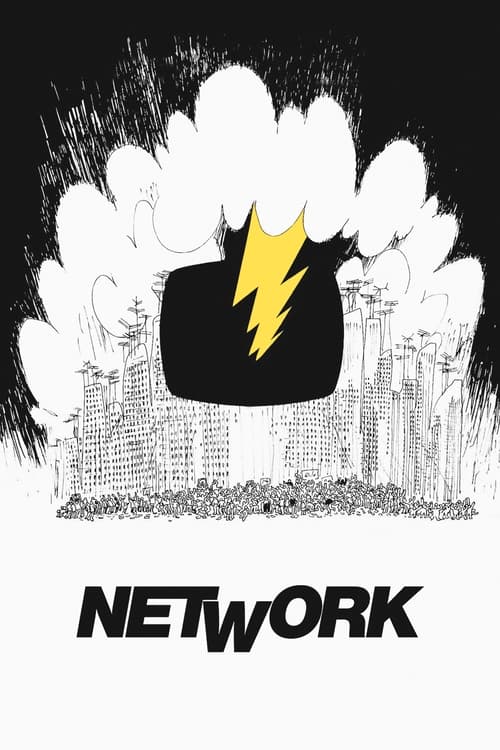
Sidney Lumet’s "Network" remains a breathtakingly prescient satire of mass media, capturing the burgeoning sensationalism and moral decay of television news. Paddy Chayefsky’s scorching screenplay, centered on a deranged anchorman, foretold the blurring lines between entertainment and journalism with unnerving accuracy. This 1976 film is a furious, theatrical exposé of corporate greed and the commodification of human suffering, revealing how easily a desperate public can be manipulated by the very institutions meant to inform them.
7. Safe
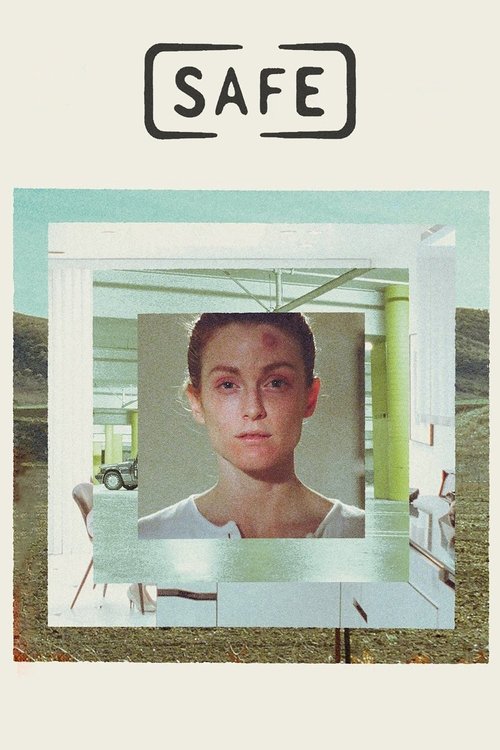
Todd Haynes' "Safe" is a profoundly unsettling psychological drama that dissects modern anxieties about health, environment, and alienation. Julianne Moore delivers a quietly devastating performance as Carol White, a suburban housewife who develops a mysterious, debilitating illness. The 1995 film cleverly uses her increasing sensitivity to the world as a metaphor for societal detachment and the search for belonging, culminating in a chilling retreat into an insular, pseudo-spiritual community. It's a masterful, disturbing character study.
8. The Cremator
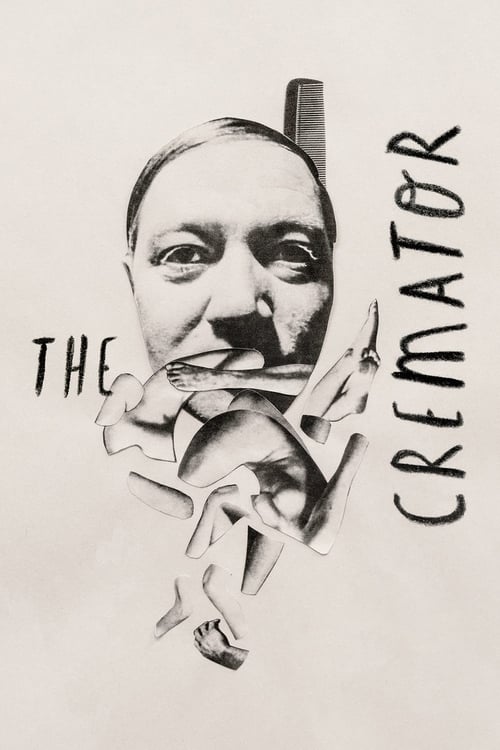
Juraj Herz's "The Cremator" is a darkly comedic, chilling masterpiece from the Czechoslovak New Wave, a true psychological horror film. Karel Kopfrkingl, a meticulous cremator, descends into madness and complicity with fascism, believing cremation liberates the soul. This 1969 film, with its surreal, expressionistic style, brilliantly satirizes totalitarianism's seductive power, showing how ordinary men can rationalize monstrous acts. It's a disturbing, unforgettable allegory for moral corruption and the banality of evil.
9. They Live
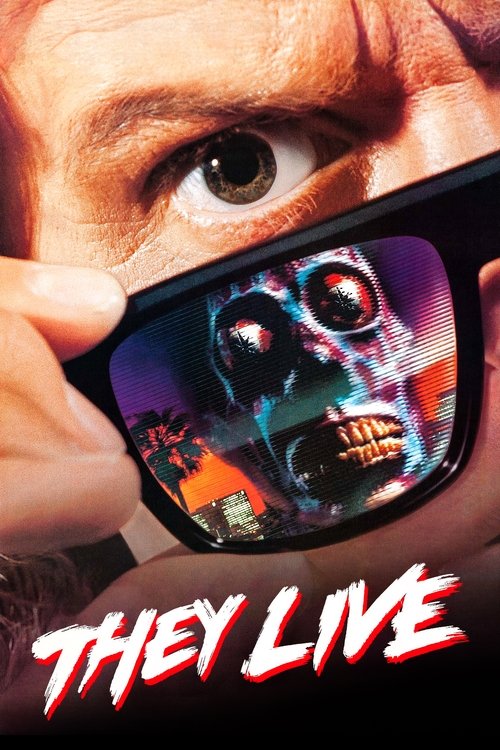
John Carpenter’s "They Live" is a cult classic that transcends its B-movie origins to offer biting social commentary. A drifter discovers special sunglasses revealing that the elite are aliens manipulating humanity through subliminal messages of consumerism and conformity. The 1988 film, with its raw aesthetic and iconic fight scene, brilliantly critiques capitalist excess and media control, suggesting that true freedom lies in seeing beyond the manufactured reality. It's a fun, aggressive, and enduringly relevant political satire.
10. La Haine
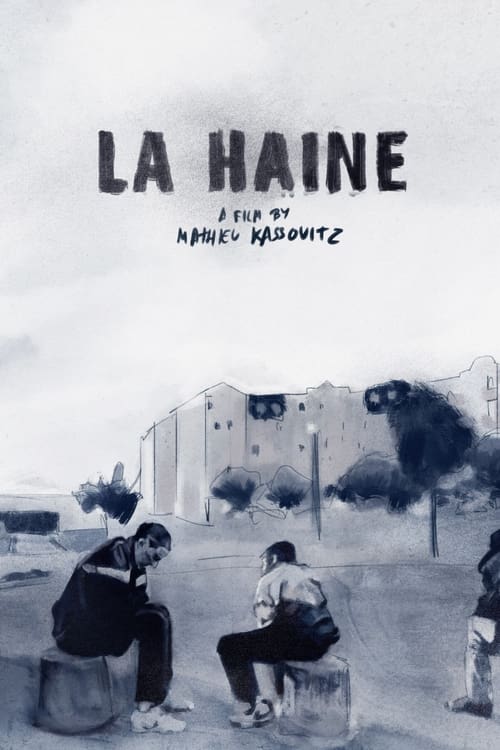
Mathieu Kassovitz's "La Haine" is a kinetic, uncompromising portrait of marginalized youth in the Parisian banlieues, shot in stark black and white. Following three friends over a single tense day after a riot, the 1995 film captures the simmering frustration and systemic oppression faced by immigrant communities. It's a seminal work of social realism, using stylistic flair to amplify its urgent message about police brutality, racial inequality, and the cycle of violence, resonating powerfully decades later.
11. Brute Force
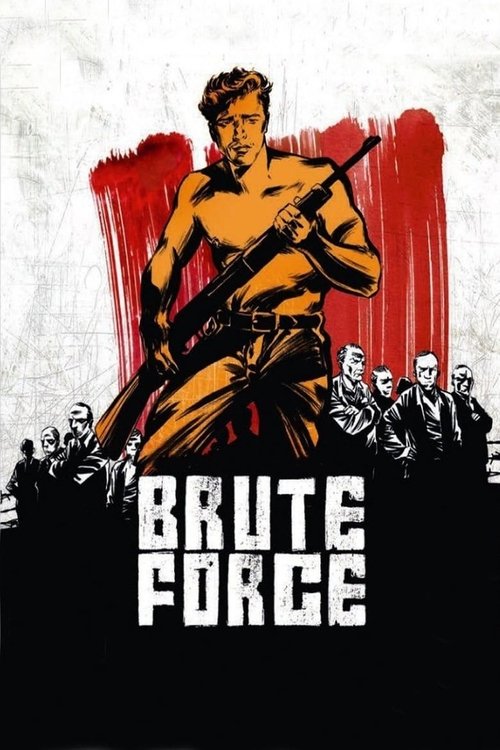
Jules Dassin’s "Brute Force" is a seminal film noir prison drama, a gritty and cynical look at institutional dehumanization. Burt Lancaster leads a cast of desperate inmates planning a violent escape from a brutal, corrupt warden. This 1947 film, with its stark realism and unflinching depiction of violence, critiques the penal system's failure to rehabilitate, arguing instead that it breeds further criminality. It's a powerful, bleak indictment of a system designed to crush the human spirit.